
Virginia's 'Largest Natural Area Preserve' Is A Pristine Barrier Island With Unspoiled Beaches And Wildlife
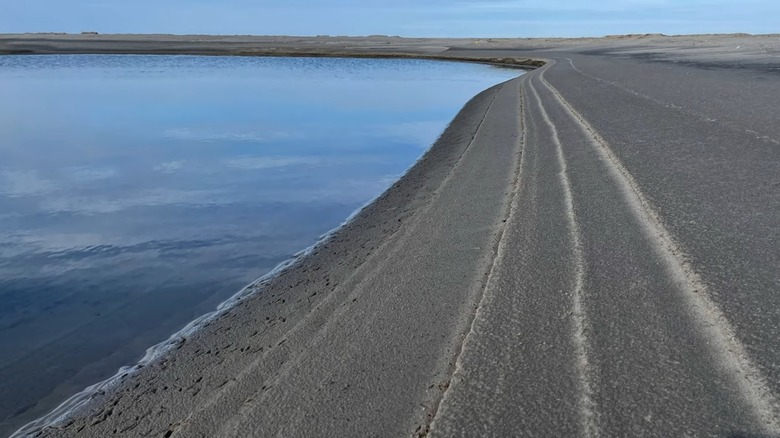
The East Coast is home to a stunning string of barrier islands stretching all the way from Maine to the tip of Florida. These shapeshifting deposits of sand buffer the coastline between the Atlantic Ocean and the creeks, bays, and lagoons fringing the shore. Some barrier islands, like Miami Beach, are highly developed, while others, like New York's Fire Island, strive to mix development and protected environs. Then there are unspoiled places like Virginia's Parramore Island, a remote and pristine patch of land that's Virginia's largest natural area preserve. Home to precious wildlife, Parramore's ethereal, wide-open beaches beckon visitors to unplug and connect with Mother Nature.
Parramore Island, which lies about halfway down Virginia's east coast, is a critical habitat for migratory birds that nest along its shores — many favor the southern beaches — and its marshes, seagrass, and oyster reefs are rare marine environments. At 7.5 miles long and 7,000 acres in size, Parramore is the largest of "Old Dominion's" 14 uninhabited barrier islands owned by The Nature Conservancy. The non-profit organization maintains the islands for research, education, and conservation as part of the Volgenau Virginia Coast Reserve, the longest and one of the last coastal wildernesses on the Atlantic.
Preservation of Parramore's unique maritime forests, salt marshes, virgin beaches, undulating sand dunes, and diverse wildlife dates back to the 1950s, when The Nature Conservancy fought to stop the U.S. Navy from purchasing the island for use as a bombing range. Eventually, the Navy backed off, only for big developers to set their sights on the fragile island. Once again, The Nature Conservancy deterred the proposed purchase and prevented any future threats by buying the island itself in 1973. Today, Parramore Island, as part of the Volgenau Virginia Coast Reserve, is a celebrated UNESCO biosphere reserve.
Wildlife spotting and outdoor activities around Parramore Island
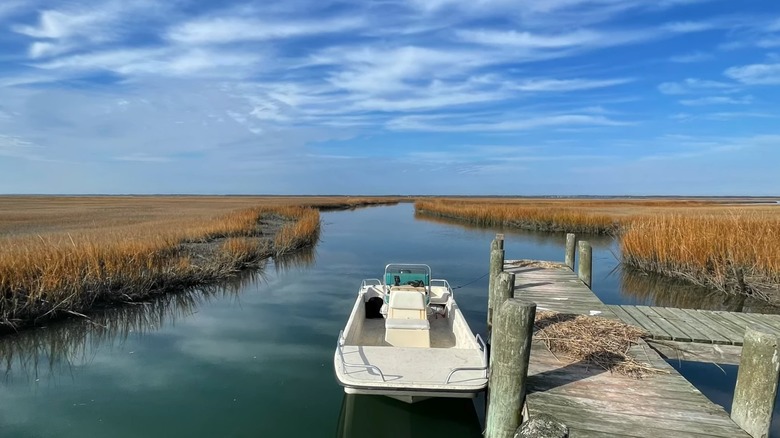
Other than the old Coast Guard station, Parramore is an undeveloped wonderland teeming with coastal habitats that range from windswept dunes to expansive marshes of brackish, freshwater, and saltwater varieties. A trail traverses the island, ferrying visitors across scruffy inland brush before releasing them onto the endless, sandy beaches. On Parramore's Atlantic beaches, the skeletal remains of a shipwrecked English schooner named "Esk" have been pitched in the sand since the late 1800s.
Wildlife is abundant on Parramore Island. Dozens of remarkable birds have been spotted on the island's beaches, including piping and black-bellied plovers, peregrine falcons, indigo buntings, red-winged blackbirds, great blue herons, and seaside and song sparrows. Endangered loggerhead sea turtles are also known to make their nests on Virginia's barrier island beaches. To protect declining bird populations, visitors must heed all signage and keep an eye out for obscured nests and roaming chicks. Parramore's beaches are accessible year-round, but all areas above the high tide line are closed between April and August, which is the breeding season.
Similar to the serene, barrier island atmosphere of South Carolina's unspoiled, laid-back Capers Island, Parramore's fragile habitat is best suited for relaxed activities like hiking, birdwatching, surf fishing, and photography. Camping, biking, alcohol, and pets are all prohibited. Swimming is allowed, but the unpredictable currents and lack of lifeguards or amenities are a safety concern, perhaps making Virginia's beautiful and secret Colonial Beach a better option for fun in the sun. Parramore is just southeast of Wachapreague, a lesser-known escape full of wetlands and charm. The island is best reached by boat, with docks available in the north at the Wachapreague Inlet and at the Quinby Inlet in the south.