
This Popular East Coast City Known For Its History And Sporty Appeal Wasn't Always In The 'Best Of' Travel Lists
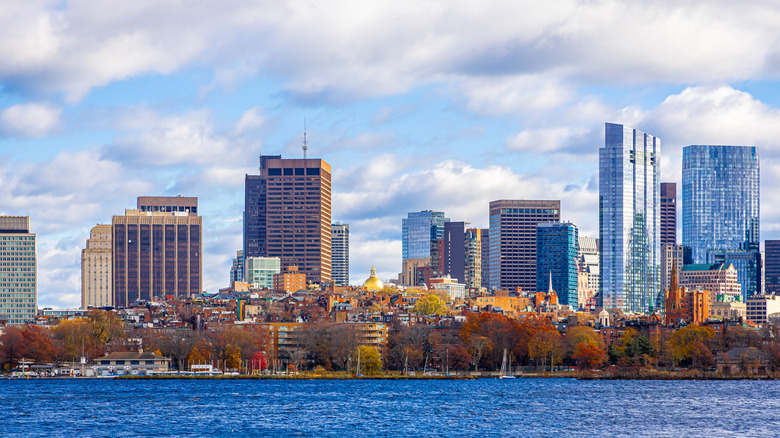
In 2026, the popular East Coast city of Boston is popping up all over "best of" travel lists. Condé Nast included the city in its list of the best places in North America for 2026, U.S. News & World Report ranked it No. 22 out of all U.S. destinations in 2026, and AFAR published a piece celebrating the city ahead of the 2026 World Cup. Boston even appeared on not one but two of Tripadvisor's top United States lists for 2026: it came in tenth for the best general destinations and eighth for food. With gorgeous Atlantic harbor views, delicious seafood, a lively sports scene, and historic attractions galore, it's easy to see why.
Like all cities, though, Boston has had its struggles. With a history that stretches back almost 400 years, Boston hasn't always been like it is now. In particular, from the 1950s to the '80s, the city went through a rough patch. Major historical events, like the razing of the West End in the late 1950s and the Busing Crisis in the 1970s, rocked the area. At the same time, the city had to navigate a changing culture. Many cultural and social changes that were going on in the United States were also present here, along with some struggles unique to the city itself. Like New York, midcentury Boston had a reputation for violence and pollution. However, in the 1990s, tourism in the city skyrocketed, increasing from 10.3 million visitors to 11.5 million in just three years. What changed between 1980 and 2026 that sent Boston to the top of U.S. travel lists?
Boston used to be rough around the edges
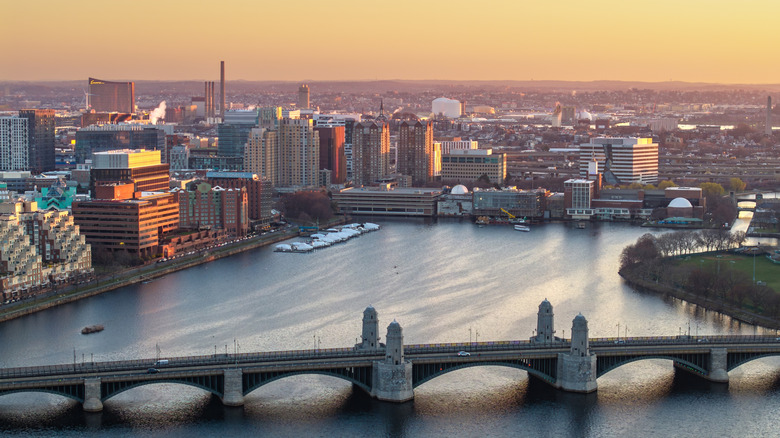
Although the second half of the 20th century is remembered fondly by many, those decades were particularly rough for some of America's largest cities, and Boston was no exception. During the 1980s, the city prioritized rehabilitating its violent reputation. Community-based efforts lowered violence as part of Operation Ceasefire, which also became known as "The Boston Miracle." The city's redlight district, called the Combat Zone, was also gradually cleaned up. These changes made people feel safer in the city, which likely led to its resurgence as a tourist destination during the '90s.
By the mid-1970s, places like Faneuil Hall and Quincy Marketplace were in complete disrepair. Through community efforts, they were renovated, saving these historic buildings from demolition. Now, they're tourist hubs. Similarly, the city's harbor, which today has a scenic waterfront neighborhood full of hotels and restaurants, wasn't always a traveler's haven. By the 1980s, Boston Harbor had been polluted with raw sewage for decades. However, through the creation of a new treatment plant on Deer Island and the construction of Boston HarborWalk, this area was transformed into an appealing area for visitors.
The best image to encapsulate the city's general tone and troubles was the John Hancock Tower. During its construction in the 1960s and '70s, its windows started popping out due to poor design. This would send a torrent of glass onto the streets below. Additionally, wind would blow the building from side to side, creating a dangerous swaying effect. After the city addressed these issues, however, the glassy building became perfectly safe, and it is now a famous part of the Boston skyline, reflecting the city's bumpy mid-century road and ultimate recovery as a tourist destination.
Boston today is known for its history, sports, and maritime vibes
Since its 1990s revival, Boston has become a city that ranks among the best destinations across America to visit, especially in 2026. Despite its past, Boston is one of the safest cities in the U.S., and violent crime is generally going down. Notable Boston travel experiences revolve around history, sports, and the city's coastal landscape. When people think of Boston's history, the Revolutionary War is often what comes to mind first. In order to experience this history firsthand, visitors can walk the 2.5-mile Freedom Trail. Featuring 16 major historical sites, it's along this route that you can see some of the Revolution's most important places. These include the Old South Meeting House, the Old State House, the site of the Boston Massacre, Faneuil Hall, Paul Revere's House, the Old North Church, and the Bunker Hill Monument.
Boston's sports scene has also become a draw for many, with some even considering it America's best sports city. As the home of several famous teams, like the Boston Red Sox and the Boston Celtics, sports draw in many travelers. These teams play at the famous Fenway Park and TD Garden, respectively, and both of these parks allow for behind-the-scenes tours.
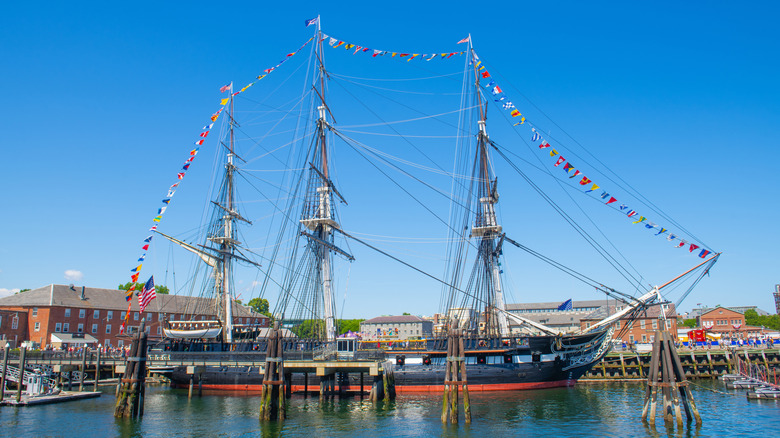
With a long history of fishing and sea trade, this city has a distinct maritime vibe. Attractions like Quincy Market near the water, Abigail's Tea Room and Terrace (which has great views of the harbor), and the New England Aquarium (where unforgettable marine encounters await) all carry this spirit. Fittingly, seafood is a local specialty — including New England clam chowder, oysters, scrod, and lobster rolls. If you make it to the harbor, you can even see the world's oldest ship that's still in the water, the USS Constitution.