
Pennsylvania's 10 Best Scenic Parks With Views And Trails In And Around Philly

Between its historic Independence Hall and Liberty Bell, its world-class art museums, and peculiar destinations like the Mütter Museum and Eastern State Penitentiary, Philadelphia offers plenty of tourist attractions and experiences for all sorts of visitors. Among its many standout amenities, Philadelphia has plenty of free activities and attractions. If you're a hiker, nature lover, or just someone who enjoys spending time outdoors, you'll be pleased to know that many of the free attractions in and around Philadelphia are its scenic and walkable public parks. Though it ranks among the largest cities in the United States, Philadelphia is within easy reach of numerous worthwhile outdoor destinations. From municipal parks to Pennsylvania state parks and even national parks, there are plenty of scenic escapes in Philly's backyard.
Philadelphia's parklands often blend preserved green spaces with striking views of the city's impressive skyline. Visitors to these parks can enjoy a blend of scenery, with both natural and man-made sights providing excellent photo opportunities (or just regular old sightseeing). Many parks around Philadelphia also incorporate the city's river systems, adding a water element to the blend of city and nature. While Philadelphia and the surrounding counties are filled with terrific park spaces, some stand out for their notable combination of walkability and scenery, including trails through settings that wouldn't look out of place in a national park. Based on their combinations of well-developed trail systems and fabulous scenery, these 10 parks within an hour of downtown Philadelphia are arguably the best options for hikers, sightseers, and everyone in between.
Wissahickon Valley Park
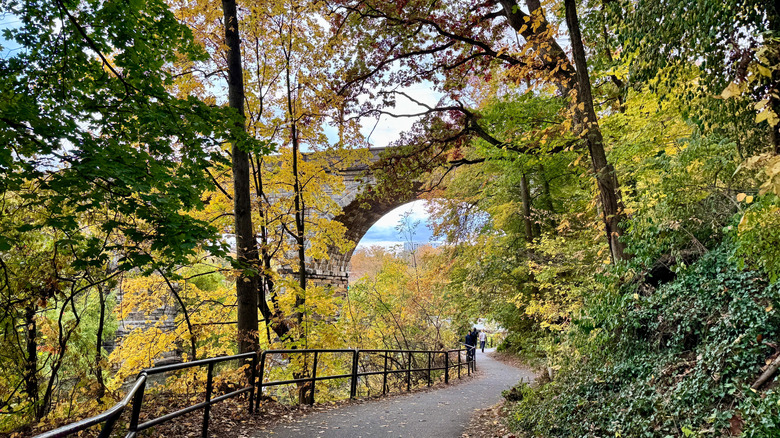
Philadelphia's Wissahickon Valley Park has epic gorges, forests, and trails that rival those of more famous state parks and forests. This impressive topography is shaped by the 1,800-acre Wissahickon Gorge along the Wissahickon Creek and the forests of Northwest Philadelphia. Wissahickon Valley Park includes 57 miles of trails that showcase the destination's unique urban beauty. Popular routes like the Wissahickon Gorge North Loop consistently rank among the best trails in Philadelphia on platforms like AllTrails.com. The park's trails also feature beautiful bridges (including Philly's only remaining covered bridge), historic homes, and public sculptures.
Fairmount Park
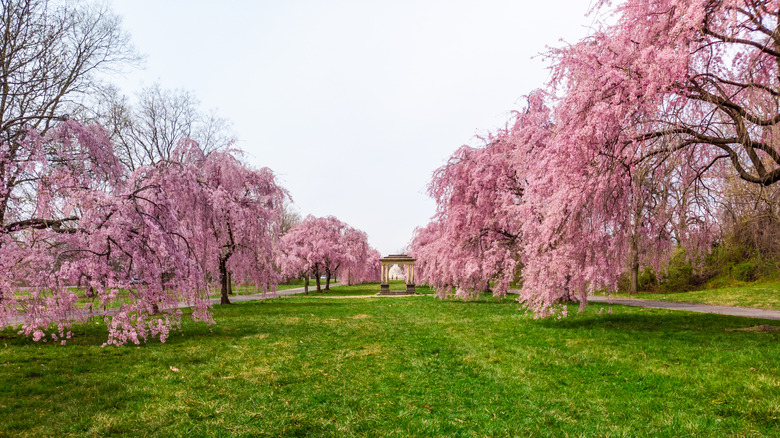
Philadelphia's Fairmount Park originated in the 19th century as a way to preserve the city's water supply. These practical considerations, however, ultimately helped create one of Philly's loveliest green spaces within the city's urban architecture. Today, Fairmount Park is divided into East and West Parks, with the Schuylkill River running down the middle. Fairmount Park's walkable open spaces contain plenty of visitor-friendly trails within walking distance of landmarks like the Philadelphia Museum of Art, the Philadelphia Zoo, and the Horticulture Center. Fairmount Park trails also show off some of the city's most photogenic colonial-era houses.
Fort Washington State Park
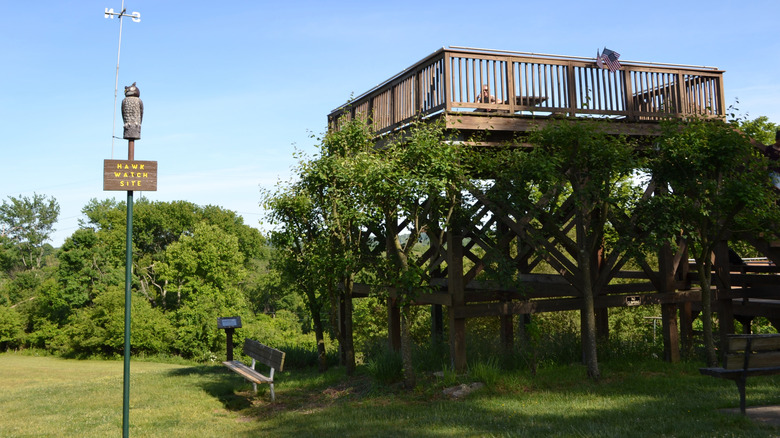
Fort Washington State Park lies 45 minutes from downtown Philadelphia in the eastern part of Montgomery County. "Fort Washington" refers to a temporary fortification built by George Washington's troops in 1777, before leaving for the more famous Valley Forge. While the park is perfect for history buffs, Fort Washington State Park is also a popular destination for birdwatching. The park even has elevated observation decks designed for watching hawks and other raptors. Fort Washington's trails cover forests and meadows, with opportunities for picnicking and wildlife watching along the way.
FDR Park
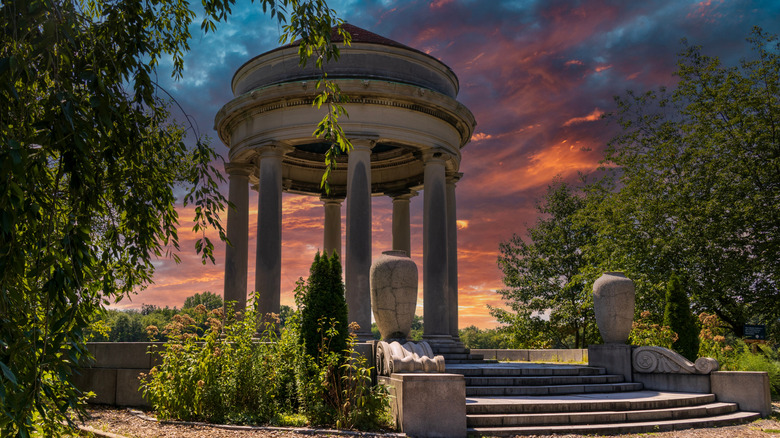
FDR Park is a lovely green space in South Philadelphia. As a dedicated urban park, FDR Park strikes a healthy balance between natural beauty, recreational facilities, and public spaces near the Delaware River. With more than 350 acres of meadows, fields, and wetlands, FDR Park offers a diverse landscape juxtaposed with Philadelphia's skyline. FDR Park's easy looping trails offer everything from excellent birdwatching opportunities to some of Philly's best fall colors during the autumn months. Guests can also take advantage of FDR Park's athletic facilities and community-oriented public programs and events.
John Heinz National Wildlife Refuge at Tinicum
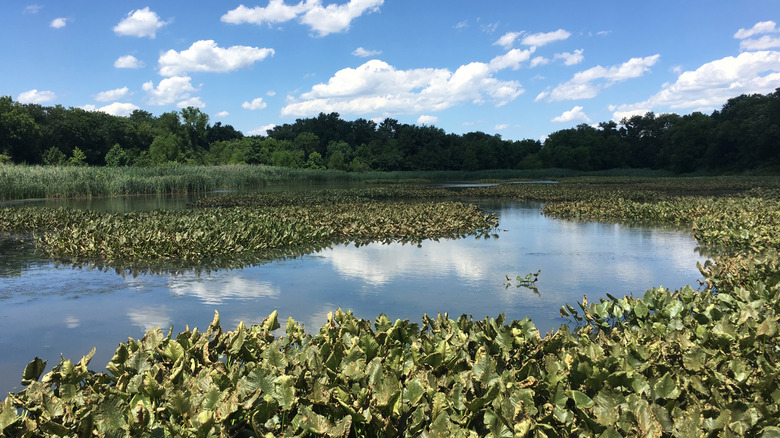
The John Heinz National Wildlife Refuge at Tinicum is notable not just because it's a federal nature preserve within Philadelphia, but also because it's conveniently located next to the Philadelphia International Airport. The wildlife doesn't seem to mind the air traffic noise, as the refuge protects around 80 bird species in Pennsylvania's largest freshwater tidal marsh. Birdwatchers can enjoy this biodiverse setting on the refuge's easy lakeside trail loops and boardwalks. History buffs will also appreciate the refuge's preserved portion of Hog Island, a historic Philly suburb (and reputed birthplace of the hoagie).
Pennypack Park
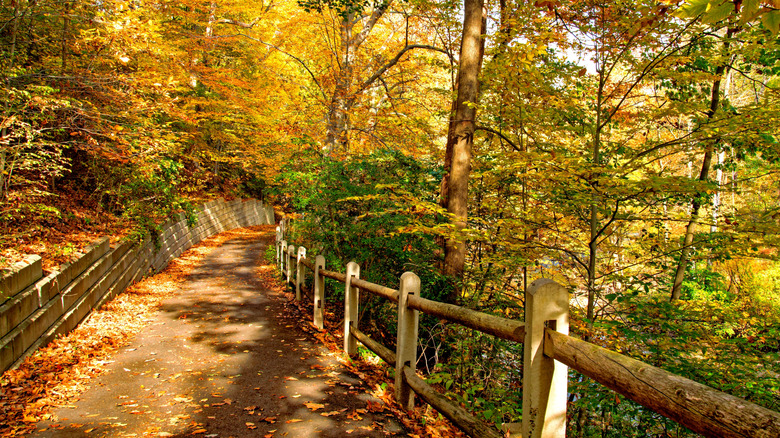
Pennypack Park is a lesser-known alternative to Philadelphia's Wissahickon Valley Park. Located 10 miles northeast of downtown Philadelphia, Pennypack Park protects about 1,600 acres of woodlands around Pennypack Creek and the lush greenbelts of its watershed, with peaceful views of forest canopies, meadows, and waterways throughout. The park's hikes include the 16-mile Pennypack Trail, part of the larger Circuit Trails network in Pennsylvania and New Jersey. Hikers on the Pennypack Trail can take in lovely views of Pennypack Creek and the park's lush forest ecosystem while enjoying the trail's easy asphalt or gravel terrain.
Penn Treaty Park
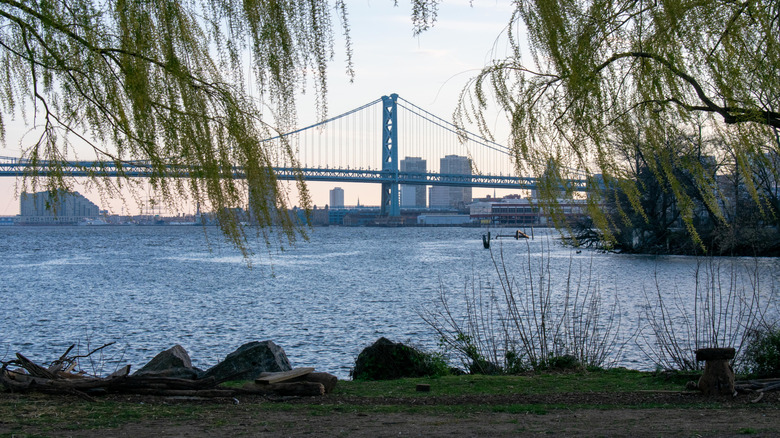
Penn Treaty Park is another walkable park that blends lovely green spaces with Philadelphia's significant history. This spot along the Delaware River (less than 3 miles from Philadelphia City Hall) was possibly where William Penn signed a peace treaty with the Lenape people in 1683. Penn Treaty Park is just as well known for its panoramic views of the Delaware River and the Benjamin Franklin Bridge as it is for its Colonial-era history. Though only seven acres, Penn Treaty Park is part of the larger Delaware River Waterfront and its nearly 6-mile, multi-use Delaware River Trail.
Benjamin Rush State Park
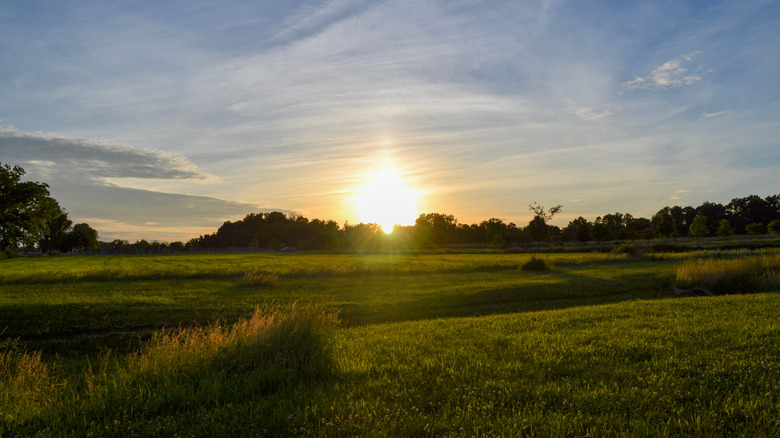
Benjamin Rush State Park is the only Pennsylvania state park within the Philadelphia city limits, though its location about 20 miles from the city center places it well outside the bustle of downtown. Instead, Benjamin Rush State Park features a rustic mixture of woodlands, fields, and community gardens offering a peaceful escape from the stresses of city living. The park gets its name from 18th-century physician and U.S. Founding Father Benjamin Rush. Today, the destination offers a relaxing trail network that invites hikers to explore its scenic open green space.
Ridley Creek State Park
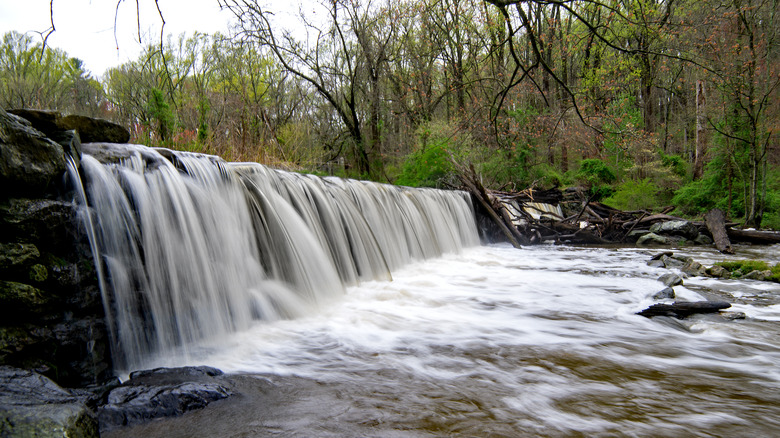
Ridley Creek State Park is a natural treasure within the woodlands and meadows of Delaware County, about 30 to 40 minutes outside of Philly. The park's 2,600 acres protect the delicate forest ecosystems that thrive along Ridley Creek, as well as the remnants of an 18th-century mill village. Ridley Creek's extensive trail network includes both short, easy trails through cultivated gardens and longer, more challenging hikes through the park's pristine woodlands. Depending on the trail, you might see the short but broad Ridley Creek Waterfall, scenic picnic areas, or the grandiose Hunting Hill Mansion.
Nockamixon State Park
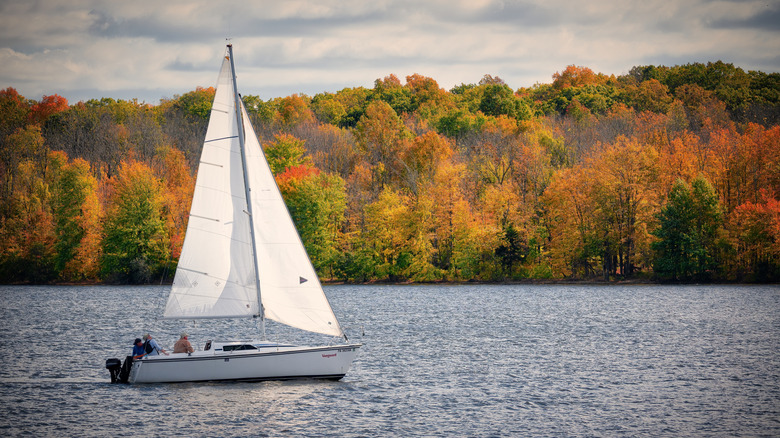
At about an hour's drive from Philly, Nockamixon State Park is the farthest spot on this list, but also arguably the most worthwhile. The park's 5,286 acres center around Bucks County's Lake Nockamixon, a nearly 1,500-acre reservoir surrounded by serene creeks, woodlands, and recreational facilities. With Southeastern Pennsylvania's largest lake, Nockamixon is ideal for boating, paddling, fishing, and swimming. The park's numerous trails wind along the lake's shores and through the surrounding forests. Whether on land or water, visitors have an excellent chance of seeing some of Nockamixon's more than 250 species of birds.