
Arizona's Charming Town Surrounded By The White Mountains Has Rich Cowboy Culture And A Funky Festival
Perched high on the northern edge of the White Mountains is a small town whose 19th-century buildings, long-standing (and surprising) rituals, and funky sweet corn festival make it worth the journey to east-central Arizona. Named for the third president of the Church of Jesus Christ of Latter-day Saints, Taylor was founded by James Pearce in 1878 as part of the Mormon expansion from Utah into Arizona. Its stop on two railroads — one going south and one going east — made it popular for settlers, who took up the ranching and farming that now make up the heart of the town.
Taylor feels like a time capsule, protected by the White Mountains and Mogollon Rim bordering it. Sixteen heritage buildings — all constructed before 1920 — line the streets of this town of just 4,500 people. Outside of Taylor, you'll find ranches and a horse rescue and sanctuary, which carry on the town's cowboy culture. It's a far cry from the early days of Taylor, when Mormon settlers clashed with cowboys working for the nearby Aztec Land and Cattle Company, an agricultural monolith looking to protect the land that Pearce and others sought to stake claims on.
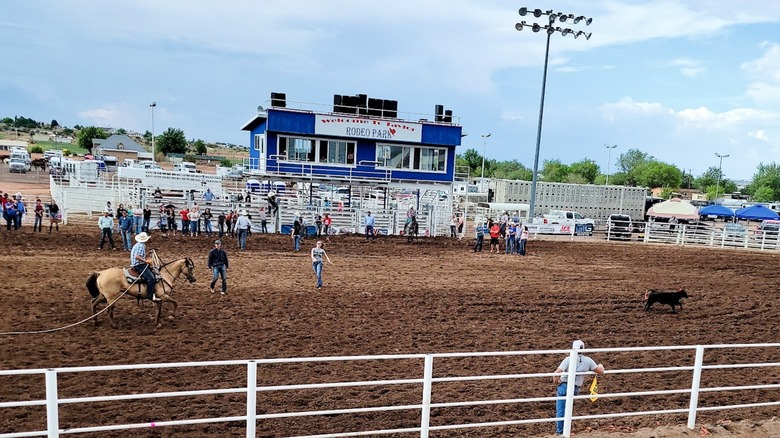
The town's charm isn't just historic either, as several events bring the community together. Taylor's Western roots come to life in its annual Independence Day rodeo, which has been running for over 70 years. Locals and out-of-towners alike attend this beloved small-town rodeo, which features barrel racing, team roping, bull riding, and a night rodeo that's a highlight for many. The rodeo also focuses on ranching and farming, as you can meet local vendors and eat barbecue and sweet treats, cowboy-style.
Rodeo rituals and fun festivals in Taylor
Community is a major theme of Taylor, whose small-town charm is rooted in its traditions and celebrations that bring people together. If you visit Taylor on the Fourth of July for its rodeo, get ready to be woken up in a spectacular (and possibly heart-stopping) fashion: An anvil, built in 1847, is placed on top of another gunpowder-covered anvil. The gunpowder is then lit and the explosion sends the anvil 15 feet into the air ... at 4 a.m.
This ritual dates back to the early days of Taylor before the prevalence of fireworks, and the anvil is shot into the air all around town. Its early-morning launch is followed by the patriotic march of the Jennings Band. The band's instruments include an 1830s drum that was carried by Brigham Young's original party out west in 1847.
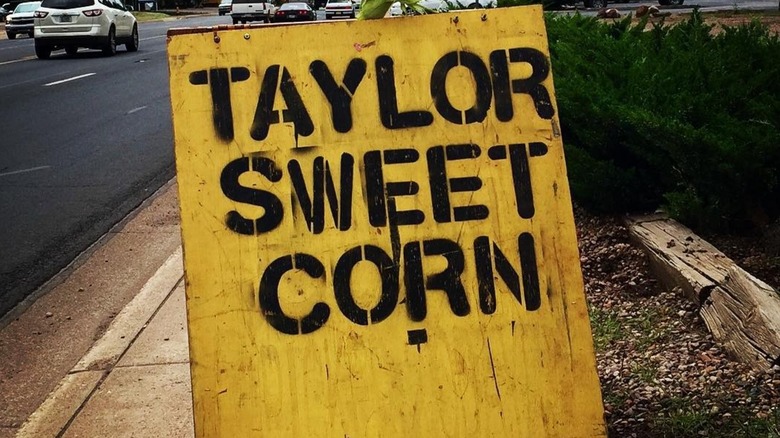
The end of summer sees the Sweet Corn Festival, which celebrates the main crop produced in Taylor. This fun and relaxed event is more like a big picnic instead of a Coachella-style festival (or should we say, CORNchella), where corn is the star of the show. There's a cornhole tournament, of course, and a range of corn-centered dishes to eat (plus fair classics like barbecue and funnel cake). You can also partake in the coronation of the Corn Queen to mark the abundance of the harvest, a long-standing ritual. This family-friendly festival has a horseless rodeo for kids, plus pony rides, face painting, and live music. The Sweet Corn Festival is put on by the Snowflake-Taylor Chamber of Commerce, as Taylor is just south of Snowflake, an equally historic mountain town with pioneer charm.
What to know about visiting Taylor
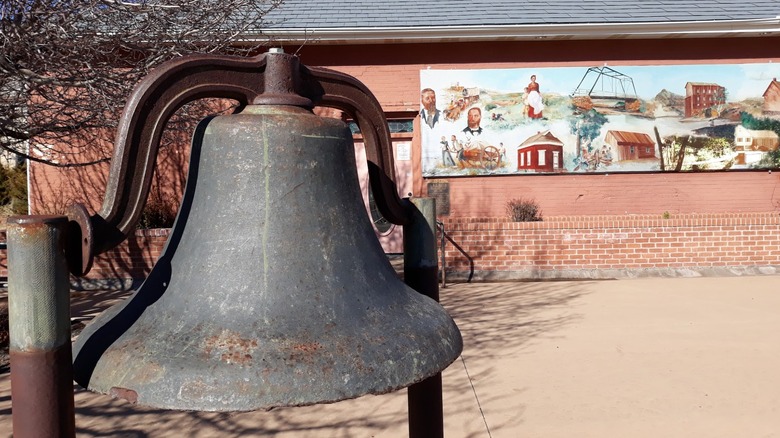
Taylor is filled with historic homes from the late 1800s and early 1900s. Book a tour with the Snowflake-Taylor Chamber of Commerce, which offers guided walks to see heritage buildings from the outside. One of Taylor's most recognizable buildings is the Margaret McCleve Hancock Log Cabin, built in the 1880s and home to the town's midwife, who delivered 1,400 babies while raising 13 of her own. The Shumway Schoolhouse was constructed in the early 1900s and is Arizona's only standing one-room brick schoolhouse.
The town has two museums for those who want to get a deeper understanding of Taylor's history and culture. The Taylor Pioneer Museum is housed in a 1930 building constructed for the Daughters of the Utah Pioneers. It was turned into a museum in 1997 and is where you'll find out about Taylor's pioneer history. The Taylor Arizona Museum, located in the town's former general store built in 1914, also focuses on the pioneer era with artifacts and a life-size pioneer wagon.
Taylor is a northern gateway to the White Mountains, so you can include outdoor recreation on your trip. The under-the-radar city of Show Low is just a 20-minute drive into the mountains, where you'll find lush forests and clear lakes that are thankfully more than just a mirage you might see on a hot summer day in the desert. Taylor does have a municipal airport, but the closest major hub is Phoenix, around three hours away. The White Mountains are a top winter destination in Arizona, so if you decide to visit Taylor in the colder months, you can also drive there from surprisingly snowy Flagstaff and the Flagstaff Pulliam Airport (FLG) in about two hours.