
Best Things To Do In Pittsburgh For Writers And Book Lovers, According To A Local
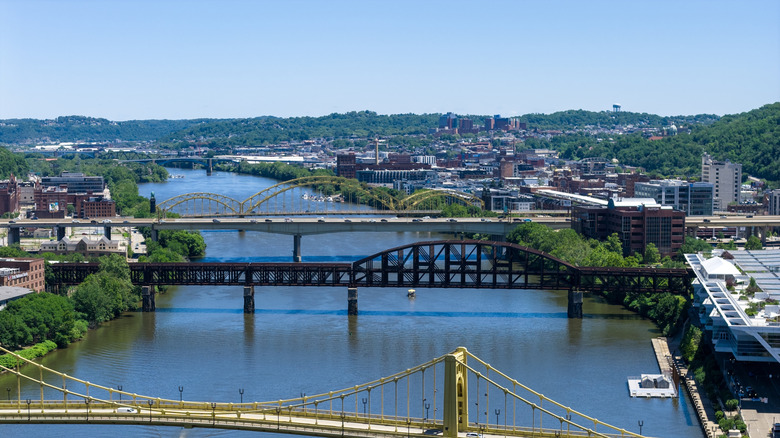
Writing was what brought me to Pittsburgh. I moved here to study in one of the city's college writing programs and fell in love with the local literary community so much that I decided to put down roots. Fifteen years later, I'm still here, and the lit scene has only gotten better.
Part of what makes Pittsburgh's writing scene so vibrant is that it has several large organizations backing it. Schools like the University of Pittsburgh, Carnegie Mellon, Carlow University, and Chatham University all have well-regarded writing programs that run community workshops, put on readings, and publish books and journals.
The Carnegie library system and museums add to this, hosting events like the Pittsburgh Arts & Lectures series, which brings in nationally and internationally known writers. Then there are the many independent bookstores and community groups like Write Pittsburgh and the Hemingway's Poetry Series that give local writers places to be and reasons to gather.
Taken together, all of this makes Pittsburgh a great destination for people who enjoy the written word. If you're a writer or reader planning a visit to the city, here are my top recommendations of experiences to check out.
Attend one of Pittsburgh's literary festivals
Pittsburgh's many festivals earned it the International Festival & Events Association designation as a World Festival & Event City for two straight years, one of only five places in the United States to receive the honor in 2025. Along with downtown festivals like the Three Rivers Arts Fest held each June, which ranks among the best free things to do in Pittsburgh, the city puts on quite a few book-centric events. The largest of these is the PGH Book Fest, a free one-day festival that draws thousands of book lovers to the Carnegie Library in Oakland every May. Along with a vendor area for local authors and publishers, the Book Fest usually features a jam-packed schedule of readings, talks, workshops, and book signings, along with activities and story times for kids.
Summer is the season for speculative fiction conventions. Pittsburgh often hosts StokerCon in early June, including back-to-back years in 2026 and 2027. This four-day convention, organized by the Horror Writers Association, brings together horror writers from around the world, including well-known authors such as Joe Hill and Nancy Collins. For sci-fi and fantasy fans, the Confluence Conference at the end of July celebrates stories, art, and music from speculative genres. Early August is time for PulpFest, a convention dedicated to pulp magazines and the mystery, sci-fi, and adventure stories they published.
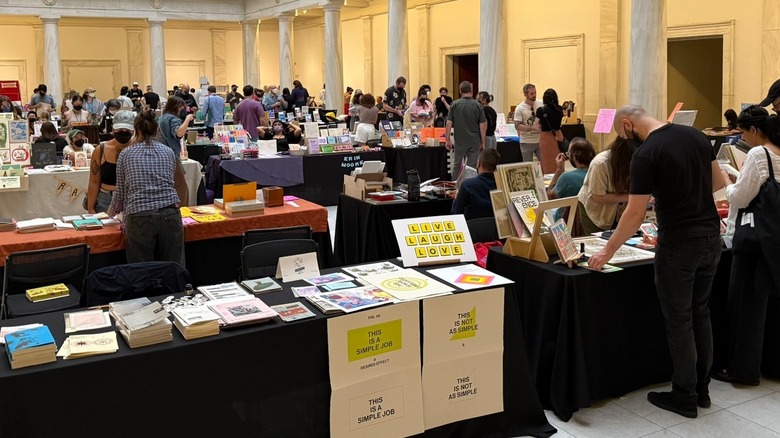
Readers of international literature can attend the City of Asylum LitFest in October to hear readings and talks from writers from around the world. Zine collectors can attend two free festivals in October: the one-day Pittsburgh Zine Fair and the Pittsburgh Art Book Fair, which fills the Carnegie Museum of Art's sculpture hall the last weekend of the month. A similar event, the Pittsburgh Indie Expo, happens at the Heinz History Center every March.
Explore the city's literary exhibits and collections
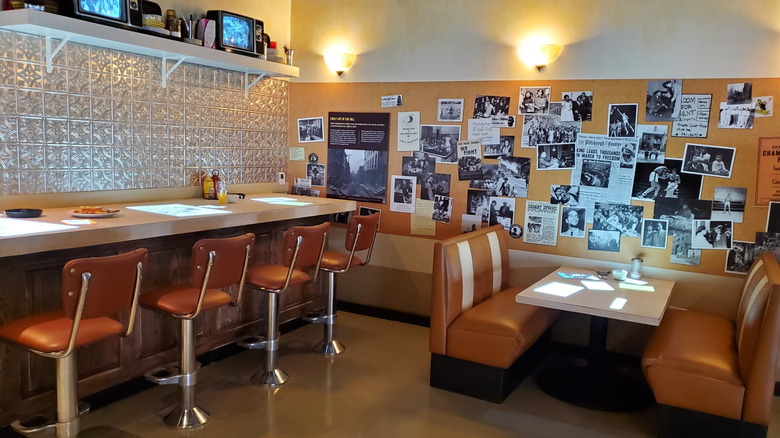
One of the best-known Pittsburgh writers is playwright August Wilson, whose upbringing in the Hill District inspired much of his work. His legacy is honored at downtown's August Wilson African American Cultural Center, where visitors can learn more about his plays and life at its Writer's Landscape exhibit. The most intriguing part of the exhibit for writers will likely be the replica of his office, where you can see original manuscripts, the desk he wrote them at, and the books that were on his shelves. This free exhibit is open Thursdays through Sundays, and walk-in visits are often available, though you can also reserve a time in advance online.
The "second downtown" neighborhood of Oakland is where you'll find many of Pittsburgh's universities and cultural attractions, including some bookish spots. Flanking Schenley Plaza are two of the city's largest libraries. The Main Branch of the Carnegie Library system is the oldest, built in 1895, but the more modern-looking Hillman Library across the plaza is the better spot to see old books. It houses the University of Pittsburgh's Archives & Special Collections, including the Elizabeth Nesbitt Collection of children's literature dating back to the 1600s and the Horror Studies Collection of rare books, pulps, and manuscripts. You'll find the collection on the third floor, and it's free to visit whenever the library is open.
If your literary interests include ancient texts, then you should also hit up the Kelso Museum of Near Eastern Archaeology at the Pittsburgh Theological Seminary in East Liberty. Its permanent collection includes the Words Made Visible exhibit that explores the evolution of writing from hieroglyphs and cuneiform to modern alphabets. It's open Tuesdays and Wednesdays or by appointment, and is also free to visit.
Share your work (or listen) at an open mic or slam
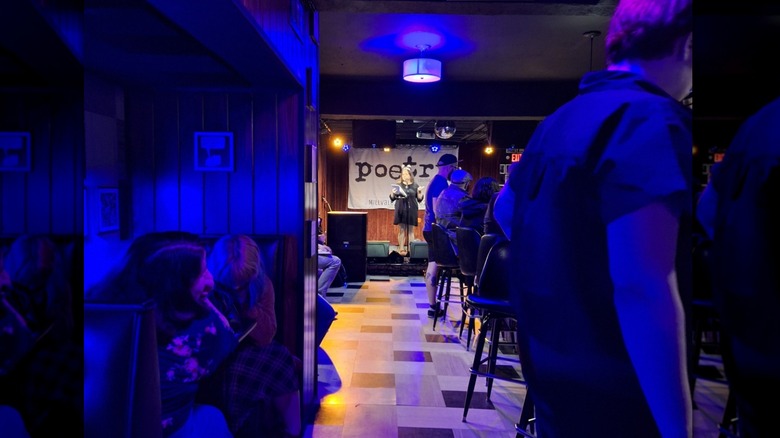
One of my favorite things about Pittsburgh is its plethora of literary readings. Poets in Pittsburgh, especially, have many opportunities to share their work, and you don't need to live in the city to participate. The Pittsburgh Poetry Collective runs an open mic every Tuesday night at Poetry Lounge, along with the Poetry & Pints open mic series at Burgh'ers Brewing's Lawrenceville location the first Monday of every month. It also organizes a slam poetry league, Steel City Slam, which holds events around the city that usually include an open mic.
Another local group for poets is Pittsburgh Poetry Exchange, which started back in 1974 and has been holding workshops and readings ever since. It hosts an open mic on second Mondays, currently held at the Emma Lazarus Center. Emma Lazarus is a community art space that holds its own weekly open stage events every Friday evening, where creators can share any kind of writing, music, or performance art in a welcoming, non-judgmental environment.
If you'd rather hear or tell true stories, check out Story Club Pittsburgh. It's the local chapter of the Chicago-based Story Club community and hosts themed Story Slams the first Tuesday of every month at City of Asylum, along with occasional bonus slams at Bottlerocket Social Club. The City of Asylum slams are free and also have a livestream to watch from afar. Upcoming themes are posted on Story Club's website if you want to prepare a story to tell. Alternatively, if you want to share other people's stories, head to White Whale Bookstore on second Tuesdays for the Read the Room open mic, where attendees are invited to the stage to share any written work that they didn't write themselves.
Visit the City of Asylum House Publications and Alphabet Reading Garden
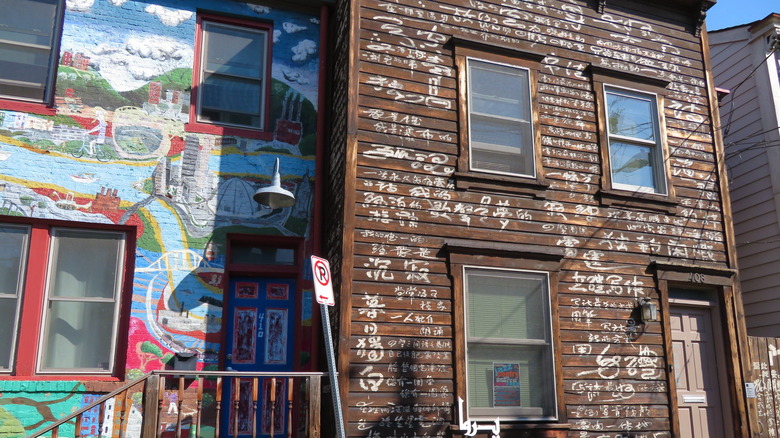
City of Asylum is one of the best bookstores in Pittsburgh, with an active events calendar that includes film screenings and music, along with readings and author talks. The organization also maintains two unique spaces on Sampsonia Way in the quirky and walkable Mexican War Streets area of the Northside: the House Publications and the Alphabet Reading Garden.
The House Publications support City of Asylum's primary mission of providing a refuge for exiled and endangered writers, serving as residency spaces for the current writers-in-residence. The first one, House Poem, was created in 2004 by the first writer supported by the program, Chinese poet Huang Xiang. Selections from his poetry cover the façade in his trademark calligraphic style. The most recent, Comma House, was painted in 2021 by Bangladeshi writer Tuhin Das, whose poem "Keeping You Waiting With a Comma" (written, fittingly, in the shape of a comma) is the central feature. Winged House, Jazz House, and Pittsburgh-Burma House round out the set, each featuring a unique mural inspired by the work of the first resident to stay there. Since they're used as residential spaces, visitors can't enter, but you can walk by and admire the exteriors at any time.
Just around the corner from the House Publications, on Monterey Street, is the entrance to the Alphabet Reading Garden. Designed by Pittsburgh-based artists, the garden is intended as a haven for quiet reading and is named for the walkway bricks inscribed with letters from world alphabets. To enter, visitors can text the number on the gate to receive a permanent access code. The garden is also one end of the short Garden to Garden Art Trail that connects to Alphabet City, City of Asylum's bookstore and restaurant.
Eat or drink at one of Pittsburgh's literary-themed establishments
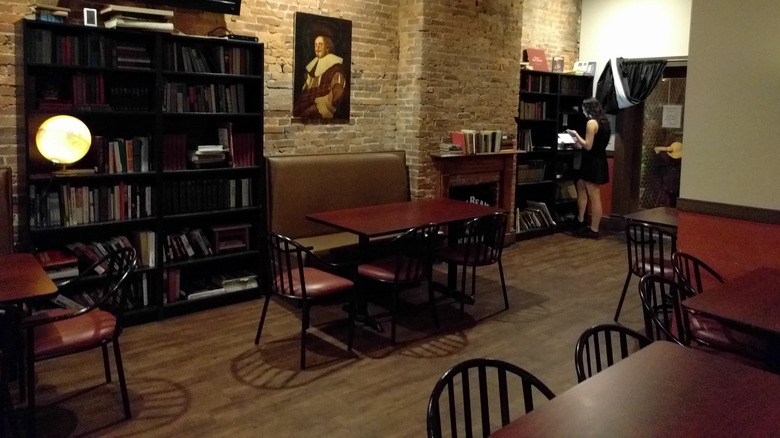
Like many writers in Pittsburgh, I have my favorite coffee shops and bars for writing in, and among them are some literary-themed establishments. Poetry Lounge, in the oft-overlooked neighborhood of Millvale, is a popular venue for local and touring bands, and offers poetry readings like the Tuesday open mics mentioned earlier. The menu is literary-themed, with sections like A Moveable Feast (food) and Punctuation (shots) and book-inspired drink names like The Gunslinger, Red Wedding, and Kerouaczerac. Poetry Lounge also has an in-house small press, and you can buy poetry collections and issues of its zine, yawp, from the menu, too.
Pittsburgh's South Side is known as a nightlife hotspot, and among its many bars is The Library On Carson. It serves literary-inspired cocktails like The Catcher in the Rye, Annabel Lee, and Curious George, along with a full menu of sandwiches, pizza, and shareable appetizers. The bookshelves lining the walls in the upstairs seating area reinforce this literary vibe, while the comfy chairs and couches on the first floor are ideal for getting lost in a book while enjoying a drink.
Another spot worth checking out is Novel Breads Co. in the Pittsburgh suburb of Mars. This homey shop sells a rotating variety of sweet and savory baked goods, including sourdough loaves made using a starter called Pearl (named for Hester's daughter in "The Scarlet Letter") that often have book-inspired names. Along with bread, the store sells books and giftable things like totes and artisan spreads. The store has limited hours, open from 10 a.m. to 2 p.m. on Thursdays, Fridays, and Saturdays, but you can also frequently find the Novel Breads crew at events like farmers markets and book festivals, with upcoming appearances listed on the website.