
Seattle's Large, Lesser-Known Park Is A Wetland Oasis With Trails, Beach Beauty, And Mountain Views
There's a reason Seattle is known as the Emerald City, and no, it's not because it looks like a certain metropolis from a magical land called Oz. Set along Washington's lush western seaboard on the banks of Puget Sound, Seattle earned its nickname for its abundance of urban greenery, parks, and greenbelts. One of the biggest and most unique of those many parks is Carkeek Park.
At 216 acres, Carkeek Park is one of the largest parks in Seattle, ranking alongside other behemoths like the 230-acre Washington Park Arboretum and the 534-acre Discovery Park. Protected from development by its hilly ravines, the area has lived many lives and served many purposes over the years: Indigenous encampment, homestead site, garden for zoo animal food, and work site for the Civilian Conservation Corps, to name a few. Formally dedicated as a park in 1929, today it serves as a less-crowded alternative to other more popular parks thanks to its distance from the city center, allowing visitors to bask in nature undisturbed.
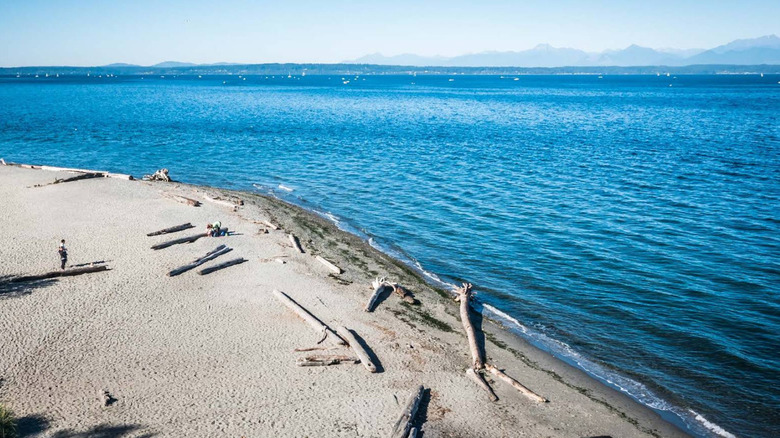
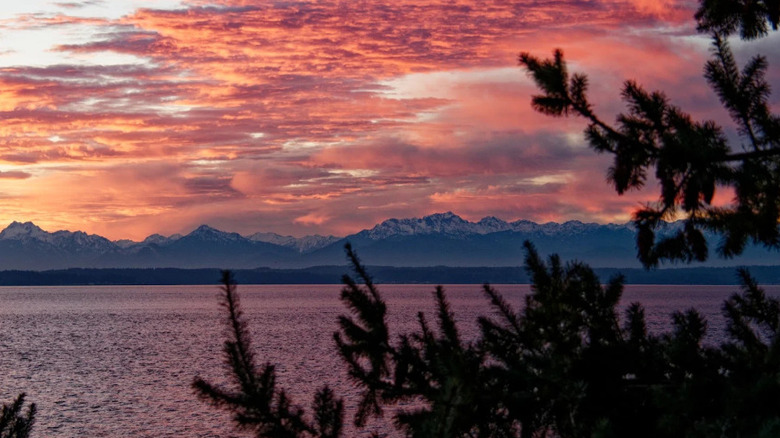
Nestled up against Puget Sound, Carkeek Park offers access to one of Seattle's best attributes: mountain and water views. Carkeek has one of the best views of the Olympic Mountains in the Seattle area, with clear vistas across the water to snow-capped peaks and forested slopes. At the park beach, visitors can stroll along the shoreline, admire views of the mountainous Olympic Peninsula across the waves, and watch for wildlife like sea lions and harbor seals (be sure to keep a safe distance so you don't disturb the wildlife). The rest of the park is a patchwork of woodlands, wetlands, fields, and meadows, laced through with streams and trails for short hikes. It has all the desired amenities one could want from a city park, from a playground and parking lots to picnic areas and restrooms, but it's the park's wild side that truly makes it worth the 30-minute drive north from downtown Seattle.
What's cool about Carkeek Park
Even though it's surrounded by a quiet residential neighborhood, Carkeek Park can sometimes feel more like a national park than a city park. For one, it contains entire worlds. Within its 200-plus acres, the park encompasses wetlands, riparian environments, saltwater spaces, and upland forests home to historic fir, cedar, and hemlock trees. With such a variety of habitats, the park is a wildlife hub, making it possible to spot sea stars and anemones in the intertidal zone — or bald eagles in the trees. Mixed in among the wilderness are signs of the human touch: Piper's Orchard, the oldest public orchard in Seattle, and a Demonstration Garden, where a balanced ecosystem of native and non-native plants supports pollinators and migratory birds.
Carkeek is also where you can see one of nature's most extraordinary migrations: salmon swimming upstream. Its creeks are the only ones in the area where salmon regularly spawn. From October to December, chum salmon swim up into the park along Piper's Creek and its tributaries, viewable from waterside paths like Piper's Creek Trail. Special events are often held to mark the season, including Salmon Celebration Day, and volunteer "Salmon Stewards" spend time in the park to answer questions. Visitors can also check out the imprint pond, where juvenile salmon are reared for release.
What to do in Carkeek Park
Each Seattle park has its own unique offerings, from outdoor art at the Olympic Sculpture Park to a scenic lighthouse in Discovery Park. At Carkeek, it's all about outdoor adventure. Carkeek offers six miles of meandering trails, mostly flat, with some moderate steps and climbs, and boardwalks and bridges keep hikers out of the wetland and creek areas. Dogs are allowed on select portions, and some sections can get muddy and slippery during the rainy winter season.
One of the best-known routes is the 2.5-mile Piper's Creek Trail. An easy hike that can last between 60 to 90 minutes, the route connects the beach to the Eddie McAbee entrance. Heading through the heart of the park, the path takes in streams, forest, ravines, and wetlands, with occasional offshoots to other trails or scenic areas. During salmon season, it's possible to see salmon along the creek sections, and hikers can also visit the heirloom fruit trees of Piper's Orchard. If you want a trail that ascends a hill with ocean vistas, head to the North Bluff Trail, which peeks out at Puget Sound. The North Traverse, North Meadow Hillclimb, and Grand Fir routes offer nice loops through the forest.
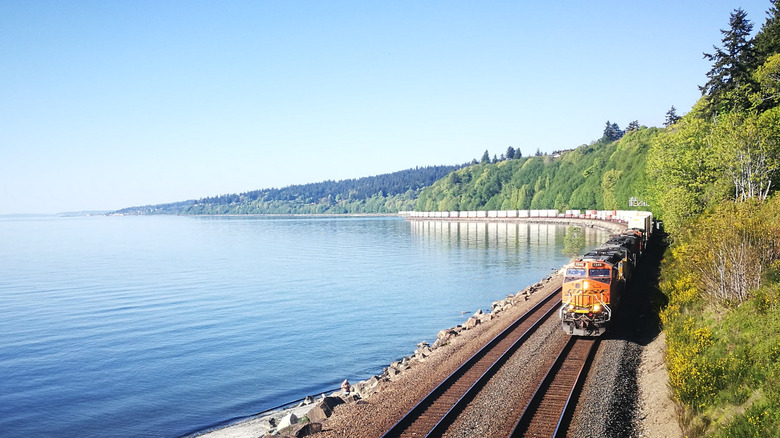
With its Olympic Mountains and Puget Sound views, the sand and pebble beach is a highlight. A parking area with picnic tables, restrooms, and a playground with a salmon-themed slide sits on a bluff overlooking the ocean. A pedestrian bridge over the active train tracks takes you down stairs to the beach — but it's not wheelchair accessible. There's no boat launch, but you can carry a kayak or paddleboard over the bridge and enjoy a day on the water with fewer crowds. Carkeek isn't ideal for swimming because of frigid water, strong currents, and water quality (to take a dip, head to Magnuson Park's swimming beach). But at low tide, Carkeek becomes a magical place for beachcombing where you can spot aquatic life as you roam 20 acres of tide pools. It's also a stunning spot to sit on driftwood and soak up some beach beauty, especially at sunset.