
Between Manchester And Leeds Is A Charming Market Town With Canal-Side Trails And Victorian Streets
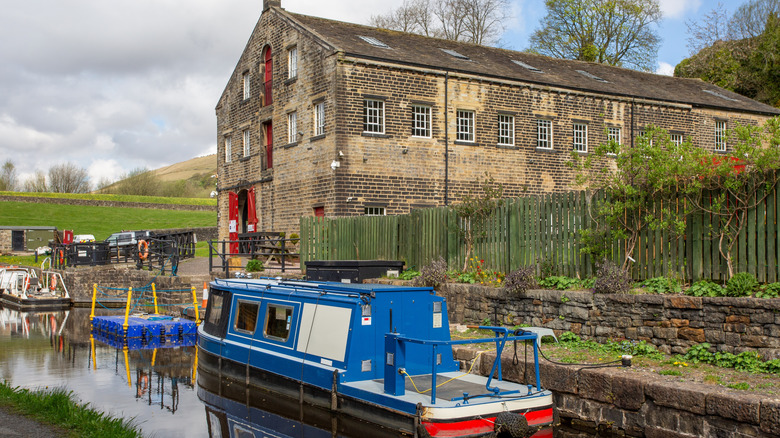
Travelers visiting Yorkshire's urban spots may focus on its standout cities, like heritage-filled York or coastal Hull, rife with maritime history. However, England's largest historic county is packed with smaller towns with their own unique character. One such place is Huddersfield, located at the foothills of the Pennine Moors in West Yorkshire. Sandwiched almost exactly halfway between Manchester and Leeds, Huddersfield is a charming market town still adorned by historic buildings dating back to its textile trade days during the Industrial Revolution.
Huddersfield is the perfect match for history and architecture buffs, with more than 3,000 of its buildings recognized and protected for historic significance, including its picturesque Victorian railway station, with its celebrated neoclassical facade. The town is also surrounded by almost 20 miles of walkable canal-side trails crossing Victorian parks, and easy waterside strolls with a scenic backdrop.
Thanks to its position between two of the region's largest cities, Huddersfield is a great place for a day trip. Visitors who want to experience wild, rolling green hills and heather-covered boulders will also find countryside trails right on Huddersfield's doorstep, as the stunning Peak District National Park (of Jane Austen fame) is just 12 miles south of Huddersfield.
Huddersfield is a charming market town with Victorian streets and historic buildings
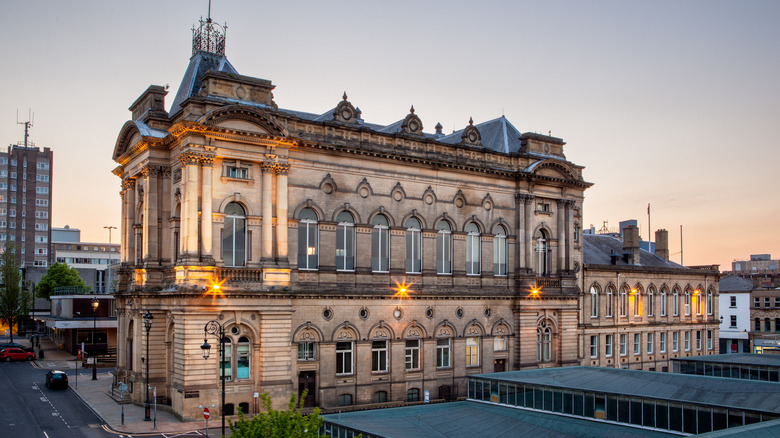
Much of Huddersfield's history is tied to its successes as an industrial textile hub. Thanks to its position on the River Colne, the town started using its strategic waterway access to sustain its manufacturing of wool. Soon, the town started producing worsted cloth and wool to sell across the entirety of the United Kingdom. Visitors walking Huddersfield's charming streets today can still see signs of its industrial wealth.
Starting from the town's main square, St. George's Square, travelers can easily walk through Huddersfield's town center as they check out the main historic highlights. The area surrounding the square is where a lot of Huddersfield's prettiest buildings lie, including the 1850-built Railway Station with its Palladian-style columns, the nearby George Hotel, built to support train passengers overnighting, and the adjacent Britannia Buildings, once functioning as a depot for textile wares. Leaving the square behind, a short 10-minute walk takes you from Huddersfield's train station to the town's commercial district, where you will find the 1878-built Town Hall with its Tuscan portico, the Open Market, marked by its red, pink, and cream colored cast iron structure, and the Byram Arcade. The latter is a Victorian hub with independent shops and cafes where you can stop for a brew.
Tourists who are fascinated by the Victorian industrial history that defines this corner of Northern England should extend their trip to visit nearby Manchester, one of England's most underrated cities with shopping, art, and youthful vibes. Not only are the two within close proximity, but travelers can also enjoy a short but scenic train journey crossing the Pennines, reminiscent of the West of Scotland's famed railway line with breathtaking landscapes.
Amble by canal-side trails and climb atop an Iron Age hill fort
Straddling the River Colne and the River Holme, Huddersfield has built its successes on harnessing the power of water. It should not come as a surprise, then, that the Huddersfield Narrow Canal snaking through the town is one of its hotspots. Visitors can follow the charming, verdure-filled canal-side trail for approximately 19 miles, and it can be done in about two to three hours. Highlights along the canal include the Standedge Tunnel, the longest, highest, and deepest canal in Britain.
If you follow the canal out of town, you will have a chance to walk through trees, wildflower fields, and river reservoirs along the way, such as the Slaithwaite Reservoir (pronounced "slaw-it"). Along the canal-side way, visitors can also check out Greenhead Park, a Victorian-era sprawling park dating back to 1884 with manicured gardens, small lakes, and a traditional decorated bandstand.
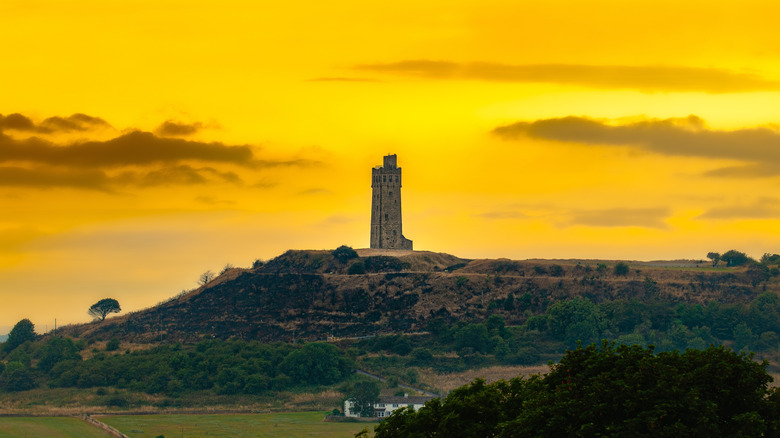
But one of the best views of the town's surrounding valleys can be found in Castle Hill, one of Huddersfield's most beloved highlights. It can be considered as the Yorkshire equivalent of southwestern England's Stonehenge, one of the world's most iconic landmarks. This settlement dating between the late Bronze and early Iron Age shows that the area has been populated as far back as 4,000 years ago. And it's crowned by the 106-foot-tall Victoria Tower, built in honor of Queen Victoria's Diamond Jubilee in 1899. Visitors who are interested in Yorkshire's history will find plenty to do in nearby York, renowned for its intact Roman walls and a thriving Christmas market that's among the world's best.