
Nestled In Northern Wyoming Is An Archaeological Site With Ancient Native American Rock Art And Outdoor Recreation
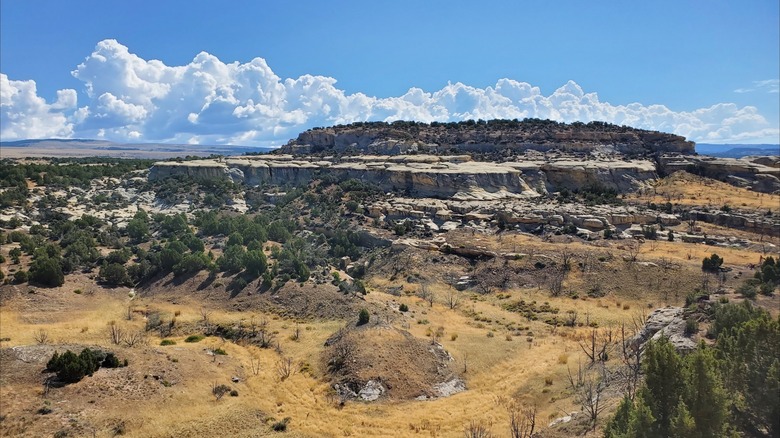
Looking into Wyoming's archaeological record, you'll see a rich Native American history that spans thousands of years. One example is the ancient rock art at Medicine Lodge Archaeological Site. Situated in northern Wyoming, along the Big Horn Mountains, this is a unique state park that allows visitors to learn about over 10,000 years of continuous human history. Featuring archaic petroglyphs, pictographs, and deep stratified cultural deposits, these lands once served as campsites for Indigenous peoples before they were turned into ranch land and then into a protected area. Established in 1973, the archaeological site is part of the Medicine Lodge Wildlife Habitat Management Area, which spans 12,000 acres.
Since the archaeological site sits along Medicine Lodge Creek, the permanent water source attracted people to this lush, wildlife-rich canyon for thousands of years. Eight years of excavations at Medicine Lodge Archaeological Site have revealed more than 60 distinct cultural levels from the Paleoindian, Archaic, and Late Prehistoric eras. Archaeologists dug up old tools, bones, and fire pits — but perhaps the most striking feature is the 750-foot sandstone bluff. The massive geological formation boasts pecked petroglyphs and painted pictographs, including depictions of warriors, bighorn sheep, and equestrian motifs.
While there's so much history to bask in, outdoor recreation is abundant at Medicine Lodge. Take advantage of hiking trails, biking routes, and horseback riding paths as you discover the base of the Bighorn Mountains. There are designated trails for off-roading adventures. You can head to Medicine Lodge Creek for conventional or fly-fishing opportunities for a variety of species. Whether you come for the history or the outdoor activities, expect a "beautiful area [with] plenty to explore," as one person described. Medicine Lodge Archaeological Site is a little under two hours away from Cody by car.
Admire the rock art and culture at Medicine Lodge Archaeological Site
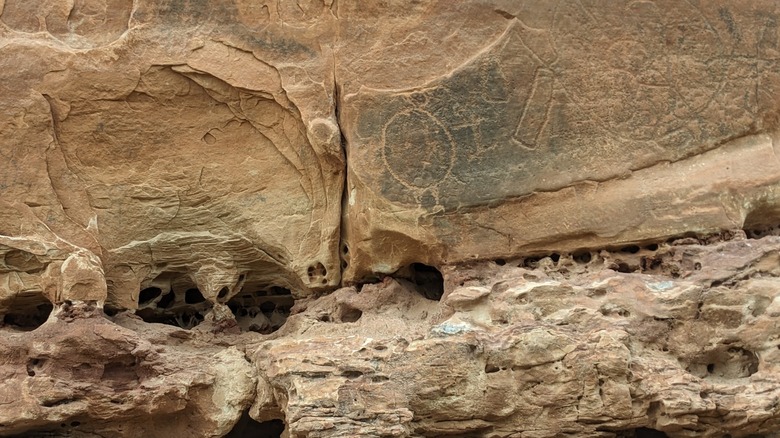
The ancient Native American rock art at Medicine Lodge Archaeological Site offers a glimpse into the history of human presence in the area. It serves as a record of Native American beliefs, gatherings, and wildlife encounters along the picturesque Bighorn Mountains. Formal archaeological investigations and site documentation began when state archaeologist Dr. George Frison and colleagues started large-scale excavations in the late 1960s. They found stratified deposits that reached more than 20 feet deep, which provided one of the most complete chronological records of human habitation in Wyoming.
The rock art is located along the base of the sandstone bluff, which extends for 750 feet. As you explore the cliff, you'll notice hundreds of petroglyphs and pictographs depicting warriors, animals, and a range of other designs. Take the Rock Art Trail to marvel at the petroglyphs, some of which are around 2,000 years old. There are 10 markers along the way, as well as interpretive signs that provide descriptions and history. For travelers interested in awe-inspiring destinations with ancient rock art, Medicine Lodge is especially notable for allowing visitors to view the rock art up close.
As you meander along the park's Rock Art Trail, you'll come across petroglyphs of warriors, zoomorphs, and rare designs of female figures with tear streaks and a dart. Some of the zoomorphs portray bison, beavers, pronghorn antelope, grizzly bears, elk, and birds. Others show scenes of dancers or what appears to be a ceremony taking place. There's another path at Medicine Lodge — a nature trail — which winds along the creek with wildlife viewing opportunities. Common sightings include cottontail rabbits, northern sagebrush lizards, mule deer, and prairie rattlesnakes. Belted kingfishers and mountain bluebirds are abundant, too.
Camping, fishing, and off-roading at Medicine Lodge
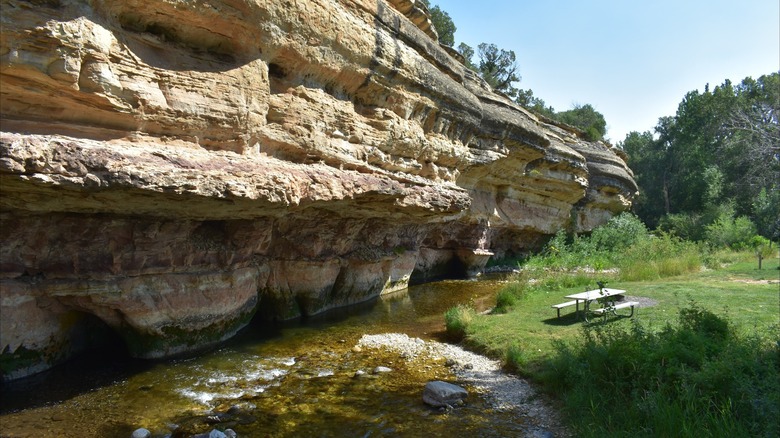
While you can revolve your visit entirely around the rock art, Medicine Lodge Archaeological Site offers a range of outdoor activities. In fact, you can camp overnight at the park, with 32 sites available. One frequent visitor shared: "I have been coming here since I was a child, and now I bring my own children. It is one of the cleanest, nicest, and most serene campgrounds in the Wyoming parks system!" Divided into upper, middle, and lower campgrounds, the sites accommodate tents and RVs. Of the total, four are walk-ins, and one is handicap accessible. Campers have access to water spigots, restrooms, picnic areas, and larger sites for group gatherings. There are playgrounds for the little ones, too.
You can combine your archaeology-based getaway with some year-round angling and summertime swimming. Medicine Lodge Creek provides plenty of opportunities for fishing. Four accessible piers are scattered along the creek. You can also try fly-fishing for brown trout. Although you can go fishing throughout much of the year, winter snow can limit access, particularly to the ADA-accessible areas.
Moreover, you can enjoy ATV riding and off-roading in the area. If it has rained, a four-wheel drive vehicle may be necessary, while a high-clearance two-wheel drive may be sufficient when the road is dry. You'll cruise along a 28-mile, two-track loop through the area, passing the sandstone cliff with the rock art before continuing toward red rock and canyon sections. Biking, hunting, and winter sports are also popular. Medicine Lodge Archaeological Site is one of the stops along Wyoming's remote Red Gulch/Alkali Backcountry Byway, a rugged and scenic road that comes alive in the fall.