
Between Santa Cruz And Santa Barbara Is California's Unsung Nature Reserve With Wetland Trails And Sand Dunes
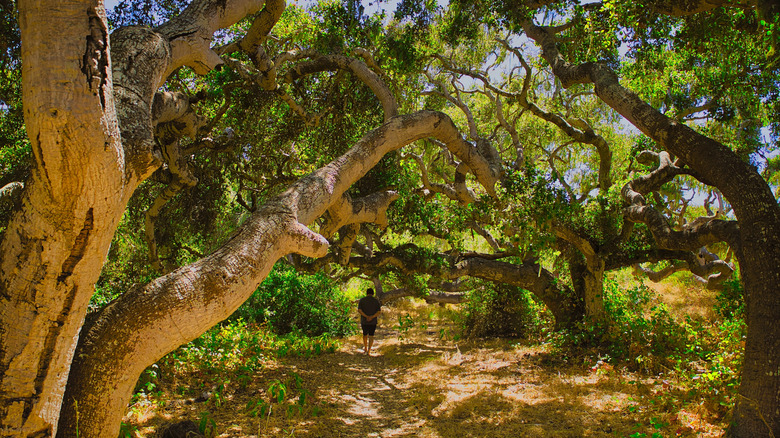
Urban dwellers dream of a forest where they can escape the city's cacophony of horns, sirens, roaring engines, and jackhammers. Los Osos' backyard is thick with nature reserves, including Los Osos Oaks State Natural Reserve. Established in 1972, this ecological treasure — not to be confused with Oso Creek Trail in Mission Viejo – is a 90-acre spread of sand dunes covered in coast live oak trees that date back 800 years. The dwarf oaks are rarely taller than 8 feet due to the poor soil, but in moister areas along Los Osos Creek, oak trees can grow to 25 feet – and their twisted, gnarled shapes draped in moss mesmerize visitors. "Magical" is how one Tripadvisor reviewer describes the park, adding that it's an "amazing place to let your imagination run wild." Strolling among trees is therapeutic for humans, but the reserve also provides food and shelter for plants, birds, and animals on scrubby and wetland trails.
Los Osos was once inhabited by the Chumash and Salinan people. It got its name — which means bear in Spanish — after the Spanish Army officer Gaspar De Portolá's expedition passed through the area in 1769.
With its scenic vistas, outdoor pursuits, and small-town charm, Los Osos is an under-the-radar destination. It makes for a perfect stop if you're road-tripping along California's coastline between Santa Cruz, about three hours to the north, and Santa Barbara, which is less than two hours away. If you blink, you may miss the turn on Highway 1 that leads to it, as it's such a secluded spot. But once you make it there, you can bask in the breeze and stay at the waterfront Back Bay Inn.
Walk among moss-draped coastal oaks in Los Osos Oaks State Natural Reserve
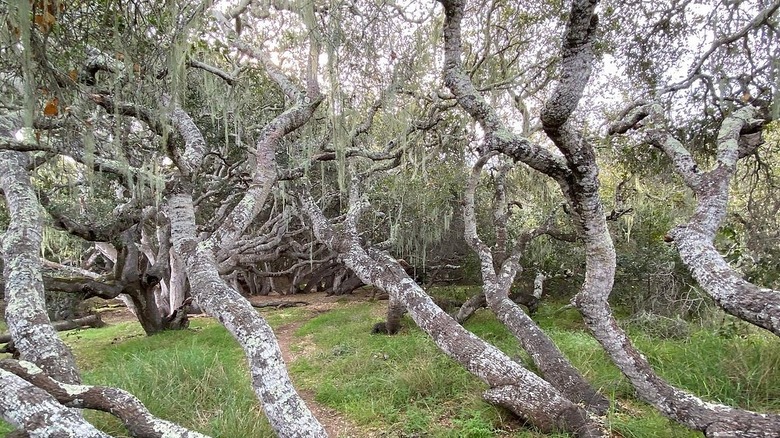
Los Osos Oaks State Natural Reserve is not a campground, and there are no bathrooms or picnic areas there. You also won't find a kiosk for a cup of coffee or many benches. However, when you arrive at the uncrowded preserve, brace yourself for the experience of ambling through a fever dream of trees with multiple trunks – it's more obstacle course than relaxing stroll. But you won't walk far, as the total mileage is about 1.5 miles on the unpaved trails.
Start on the main Oak Trail where you'll come across a Chumash midden site, a deposit of shell and botanical fragments that provides a window to a past civilization. The track also takes you across a wooden bridge before branching off to shorter trails. The Chumash Loop Trail calls for agility to scamper across gangly oak branches crisscrossing the path. If it's rained, you can hear water trickling on the Los Osos Creek Trail. The rain can muddy the walk, but boardwalk pathways help dodge the mess.
Trudging at times through deep sand isn't for the faint of heart, so pace yourself for slower traction. Reviewers on AllTrails issue a raft of tips for this sojourn. They caution that overgrown trails make it hard not to get scratched, so it's best to wear long sleeves and pants, which also protect from ticks and poison oak. Since maintenance and signs are minimal, it's easy to get lost, so they also suggest using your phone's GPS or a hiking app. One AllTrails hiker notes that "if you're tall, you better watch your head, because you're probably gonna hit it sooner or later if you're not paying attention."
Views and wildlife from Los Osos Oaks State Natural Reserve, near the Californian coast
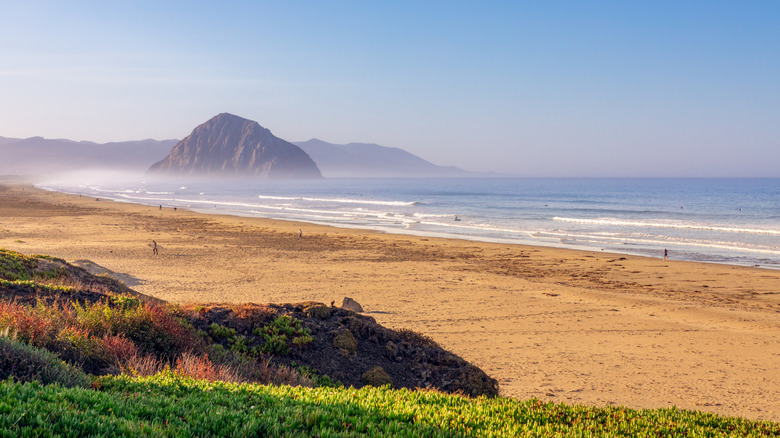
The reserve's rewards, however, outweigh its challenges. On your hike, there's a good chance of spotting Morro Rock in Morro Bay, a charming, seaside city a 15-minute drive north. You can also appreciate a panorama of the Nine Sisters, a string of volcanic peaks. Natural paths weave through the reserve's contrasting habitats, from dune formations shaped by the ebb and flow of oceanic sediment to dense, shady canopies. You may see semi-woody California sagebrush shrubs or the fluffy tufts of black cottonwood by streams.
Wildlife thrive in this ecosystem, where spring and fall are prime seasons for gray foxes, bobcats, coyotes, and opossums to make an appearance as well as lizards and Pacific tree frogs on the prowl for dragonflies and butterflies. In the grassland, listen for the cooing of mourning doves, while in the coastal landscape, a red-tailed hawk or barn owl may try to pounce on prey.
For a better lay of the land, the non-profit Central Coast State Parks Association (CCSPA), which promotes conservation, leads hikes through the preserve, generally once a month. You can see more fauna in the marshland of nearby Sweet Springs Nature Preserve, where a loop takes you around a lagoon. Look out for egrets, ducks, and herons. For more unparalleled views, stop by Montaña de Oro State Park and its Bluff Trail, which hugs the coast, and take the steps down to the beach for a tide pool bonanza.