
10 Historic Towns And Picturesque Villages In England's Somerset Countryside
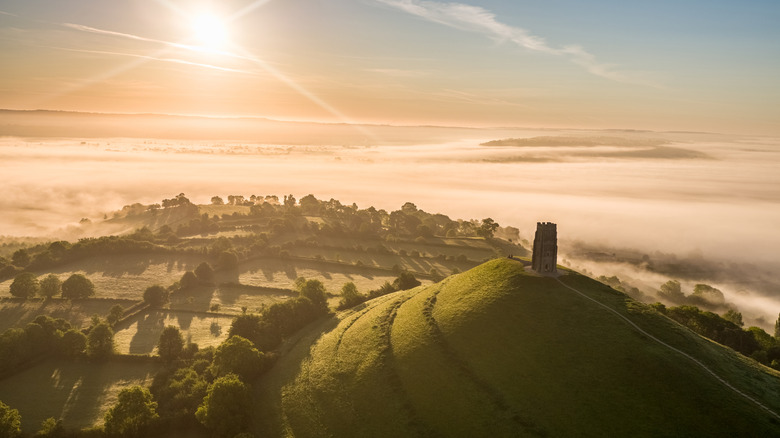
While London is undoubtedly the United Kingdom's tourism capital (as well as its political, cultural, and economic capital), the U.K.'s landscapes outside the city offer plenty for travelers to explore. One worthwhile English destination away from London's crowded streets is the historic county of Somerset. Located in the West Country, Somerset is a charming countryside spread out across southwestern England, where classic English moors meet windswept beaches and ancient sites mesh with modern developments.
Visitors who prefer to fly can reach Somerset's main towns from Bristol Airport (BRS). Otherwise, Britain's Great Western Railway runs trains between London stations and destinations within Somerset. No matter how you get there, you'll quickly find yourself immersed in a side of England that's rich in wild parks and landscapes, major historic landmarks, and some of the U.K.'s best annual arts and cultural festivals. For an authentically rustic British experience, Somerset's many towns and villages are especially appealing.
Somerset's picturesque towns blend expansive views of the countryside with rich legacies dating back to the medieval period or earlier. That history remains visible in Somerset's market squares and memorable architecture, allowing visitors to experience more than a thousand years of British history amid the region's rural scenery. It's hard to go wrong when choosing a Somerset destination, but these 10 Somerset towns and villages stand out for their blend of history, culture, and gorgeous views.
Bruton
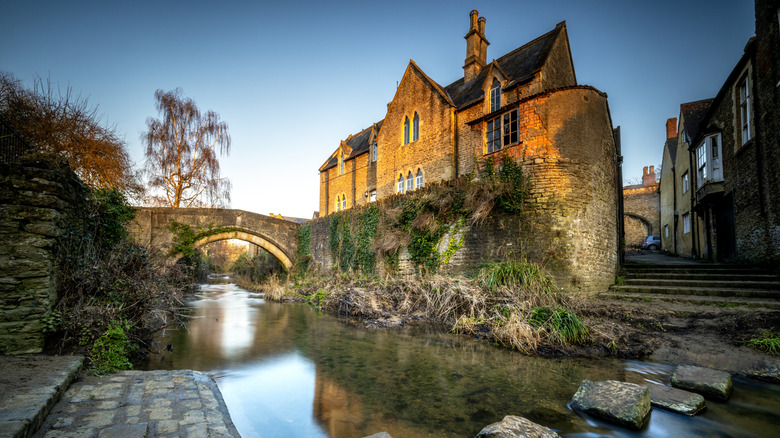
The market town of Bruton is one of Somerset's more remote countryside villages. Nestled along the River Brue, it retains an authentic historic atmosphere, while simultaneously cultivating vibrant art, shopping, and dining scenes. Despite its transformation into a chic and modern British community, history buffs still have plenty to appreciate. The town's galleries and restaurants intersect with 17th-century buildings. Even older landmarks, such as the 12th-century Bruton Abbey, the 14th-century St. Mary's Church, and the 16th-century Bruton Dovecote tower, stand amid rolling hills, green meadows, and hedgerows.
Yeovil
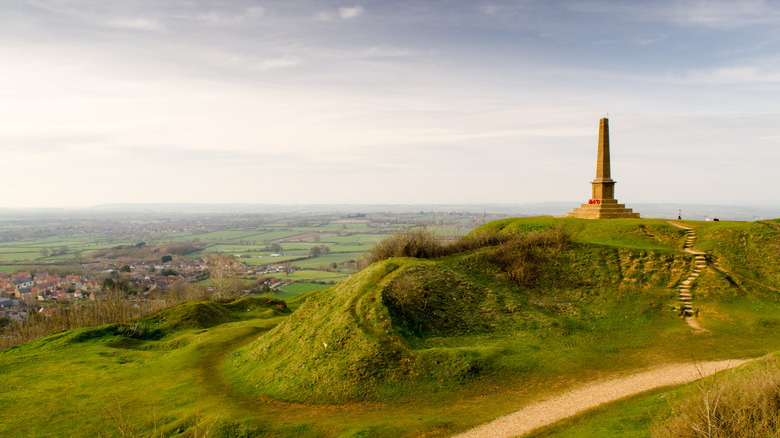
Yeovil's history dates back to Roman times, when it served as a major route west. Today, Yeovil maintains its historical ties while emphasizing modern shopping, dining, and cultural amenities. Though a series of fires between the 15th and 17th centuries destroyed many of its oldest buildings, a few historic landmarks did survive. Among them is the Church of St. John the Baptist, a striking 14th-century church building. Nearby, Ham Hill Country Park protects Iron Age hillforts and offers sweeping views of the south Somerset landscape.
Minehead
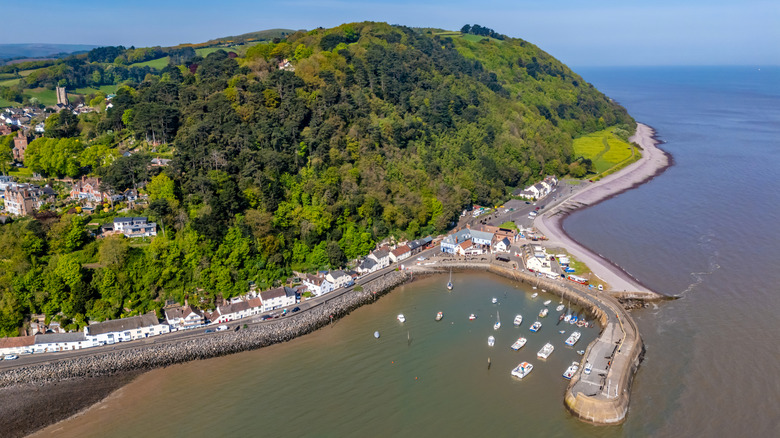
As one of Somerset's main seaside getaways, Minehead features a picturesque harbor along the Bristol Channel. Spend the day exploring Minehead's historic streets, which date back centuries. Then, explore the town's seaside setting, which adds a coastal twist to Somerset's pastoral landscape — there are even submerged ruins lurking just offshore. Landmarks such as the 12th-century Cleeve Abbey and the medieval Dunster Castle and Gardens are worth visiting for history lovers. Train enthusiasts can also explore Minehead's scenic countryside aboard a historic steam locomotive on the West Somerset Railway.
Bridgwater
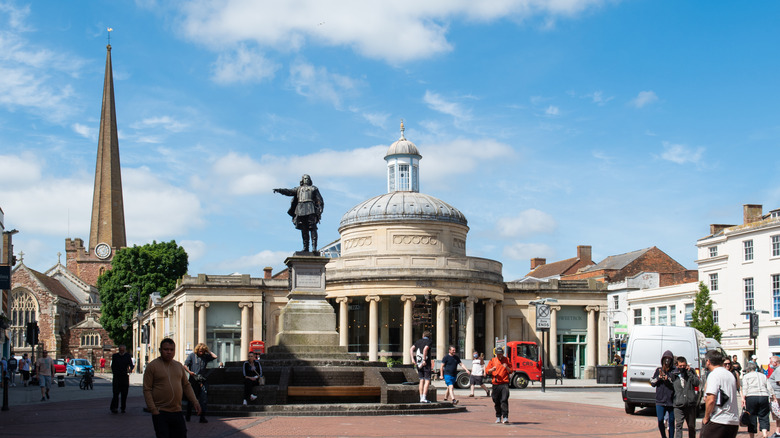
Bridgwater is a historic market town on the River Parrett near the Quantock Hills. Today, it's perhaps best known for the annual Bridgwater Guy Fawkes Carnival each November, but visitors can find exceptional scenery, history, and attractions year-round. Bridgwater's location truly showcases the Somerset landscape, with excellent views of the Quantocks, the Somerset Levels, and the Mendip Hills. Bridgwater's history dates back to the Saxon period, while the 19th-century Corn Exchange stands prominently in the town center. Medieval enthusiasts can visit the remains of the 12th-century Stogursey Castle, located 11 miles away.
Castle Cary
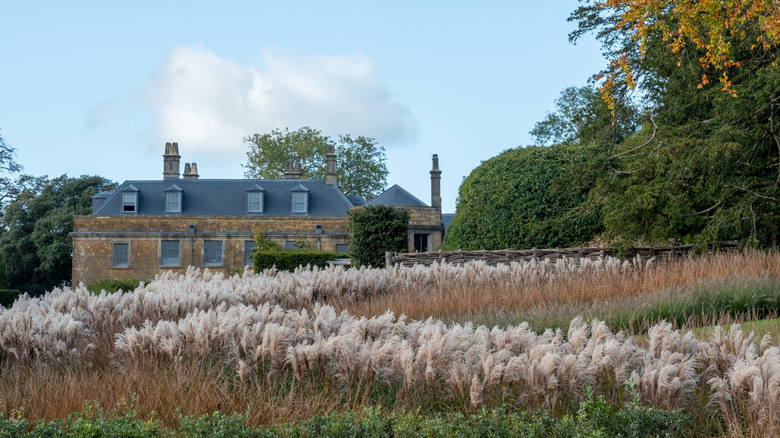
With "castle" in its name, Castle Cary promises a glimpse into Somerset history. Sadly, little is left of the titular medieval castle, so visitors shouldn't expect one of Europe's fairytale-like castles waiting to greet them. Still, the town's extensive history is very much alive throughout its centuries-old streets. The Castle Cary Market House houses shops and community activities within an authentic 19th-century exterior. Meanwhile, the Castle Cary Round House is one of England's best-preserved 18th-century lock-ups. Nearby, the village of Ansford features the medieval Church of St. Andrews.
Somerton
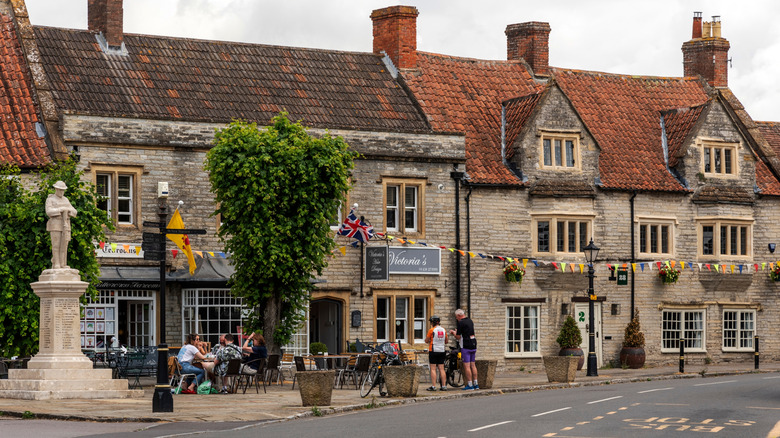
Over a millennium ago, Somerton was the capital of the Anglo-Saxon kingdom of Wessex. Since then, it has evolved from a political center into a bucolic Somerset market town, with picturesque views and historic attractions upholding its legacy. Situated atop a hill, Somerton has plenty of viewpoints of Somerset's countryside, framed by photogenic stone buildings. Its landmarks include the Old Town Hall, the 17th-century Buttercross adorning the market square, and the 13th-century St. Michael and All Angels Church. At night, many of these buildings are illuminated, creating a distinctive sight in the historic town center.
Taunton
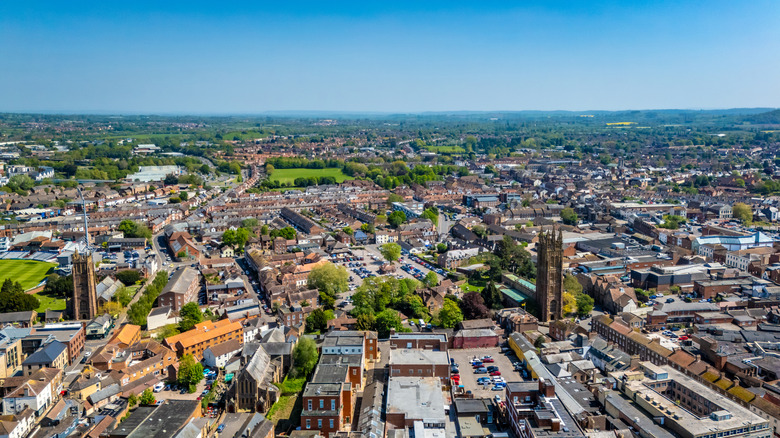
Taunton hits a sweet spot, size-wise — large enough for a vibrant shopping and dining scene, but small enough to keep the lush Somerset countryside at hand. Set along the River Tone, the town has a history dating back to the 7th century. That long past is reflected in its many landmarks. Taunton Castle is a well-preserved 12th-century Norman castle, which today houses the official Museum of Somerset. The town is also home to the 18th-century Market House and the 16th-century Taunton Minster (also known as St. Mary Magdalene Church), which towers above its historic center.
Wells
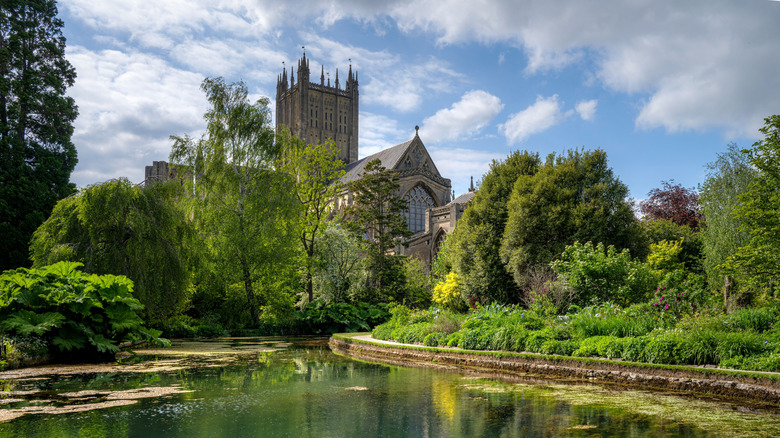
Wells is home to one of Somerset's most beautiful cathedrals. Dating back to the 12th century, Wells Cathedral is a stunning example of British Gothic architecture, with around 300 authentic medieval statues and an extensive collection of historic stained glass inside. Wells is much more than its cathedral, of course. Located in the Mendip Hills, Wells pairs stunning Somerset panoramas with walkable, historic streets. The Wells Market retains two original medieval gateways, while nearby Vicars Close may be England's only remaining complete medieval street. Finally, the Bishop's Palace and Gardens is another stop worth making on a walking tour.
Glastonbury
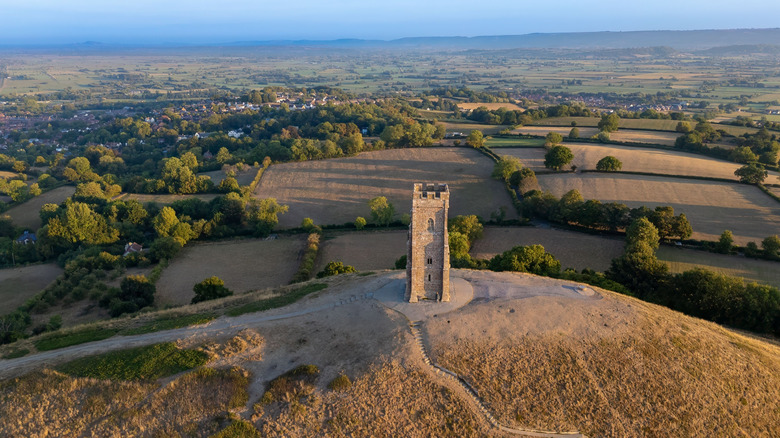
Somerset's Glastonbury Festival is one of the world's largest and most famous annual festivals. Alas, the Glastonbury Festival is actually held in the village of Pilton. Still, the town of Glastonbury has plenty to offer, including a wealth of history, myth, and scenery. Glastonbury is located on the outskirts of Somerset's Avalon Marshes, a rare wetland and a prominent location in Arthurian Legends. Glastonbury's legends also survive in the haunting Glastonbury Abbey, the Chalice Well and White Spring sites, and the mythic Wearyall Hill. The 14th-century Glastonbury Tor highlights the surrounding countryside with the remains of St. Michael's Church.
Bath
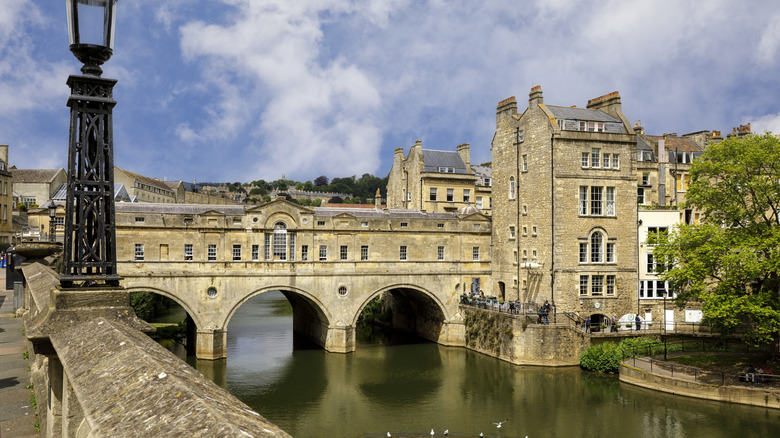
Bath has been a popular Somerset destination since Roman times, a distinction it is unlikely to surrender anytime soon. True to its name, the Romans used Bath as a natural thermal spa. Today, Bath's UNESCO-recognized spa is one of Europe's best-preserved Roman bath complexes. Beyond its namesake Roman baths, the town of Bath is rich in historic attractions. Visitors can admire the Georgian architecture of Bath's Royal Crescent, wander past the historic townhouses of The Circus, or explore the city's connections to iconic British novelist Jane Austen.