
The 5 Cleanest Lakes In Nevada (That Aren't Tahoe)
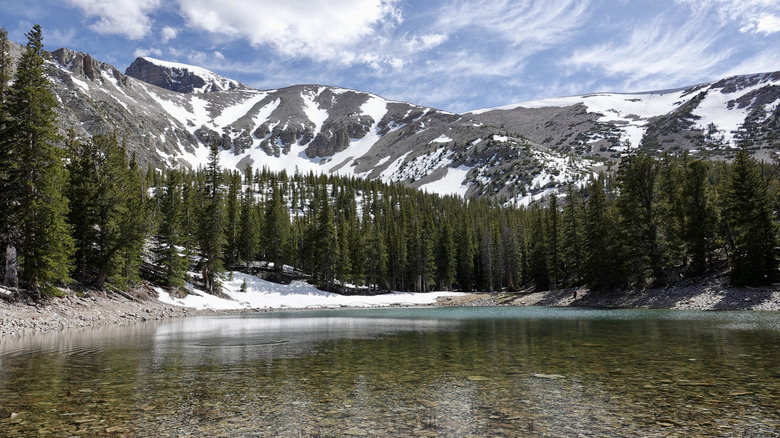
Lake Tahoe is one of the most famous lakes in Nevada — and rightly so. At 1,645 feet deep, 22 miles long, and 12 miles wide, it's the largest alpine lake in North America and the second-deepest lake in the U.S. It's also incredibly clear and clean, in part because of strict conservation efforts. But all the fame and popularity has meant that the lake can get quite crowded, attracting more than 15 million visitors to the area annually.
If you've visited Lake Tahoe before and are looking for a change of pace for your next camping trip, or you're hoping to avoid the crowds and find a lake where the fish you catch easily outnumber the people you see, then these five Nevada lakes and reservoirs rank among the cleanest in the state. While they may not be as well known, their remote locations make them ideal for those looking to truly get away from it all and get lost in nature, whether it be eagle watching from a hidden alpine reservoir or ice fishing alongside the Loneliest Road in America.
Because lake water quality levels can change quickly due to factors such as shifting seasonal temperatures or excessive runoff, this list focuses on lakes and reservoirs with current water-quality information available from state or federal agencies. For example, LakeQuality's statewide rankings included three lakes that are located on tribal lands, where water-quality monitoring data are not publicly available through Nevada state or federal agencies. Because of that, they were excluded from consideration on this list. This was to ensure access to the most current updates on water quality, such as harmful algal bloom (HAB) warnings. Also, in the interest of providing widespread coverage, with the exception of Knott Creek and Onion Valley reservoirs, which are located about 8 miles apart from one another, all the lakes on this list can be found in distinctly different counties across the state.
Knott Creek Reservoir
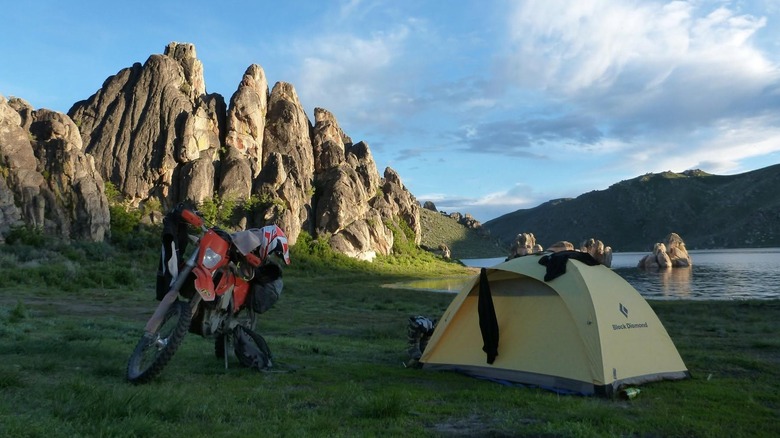
Knott Creek Reservoir lies in a remote, rugged part of Humboldt County in northwestern Nevada. The tiny town of Denio is about 30 miles away, while Winnemucca, the nearest large community, is more than 100 miles away. Reaching the 216-acre lake in the Pine Forest Mountains requires driving on gravel and dirt roads, but the payoff is a pristine alpine reservoir.
At 6,400 feet, Knott Creek ranks No. 8 on the list of the cleanest monitored lakes in Nevada, based on its EPA water-quality score, and is generally an excellent spot for trout fishing, as the fish can get up to 30 inches in length. The best time to visit is between June and October, at the height of fishing season when the weather hovers in the 70s and 80s, making it ideal for camping on the shoreline at one of the reservoir's primitive tent camping sites. You might end up having the water all to yourself, as Travel Nevada lists Knott Creek Reservoir as one of the state's lesser-known lakes. Admission to the lake is free.
A word of caution, however. A September 2026 fishing report from the Nevada Department of Wildlife warns of an algae bloom that's been present at the reservoir this summer due to low water levels and high temperatures. This may change in autumn as temperatures fall, so you'll want to check current conditions with the Nevada Department of Wildlife, which oversees the reservoir, before visiting.
Wild Horse Resevoir
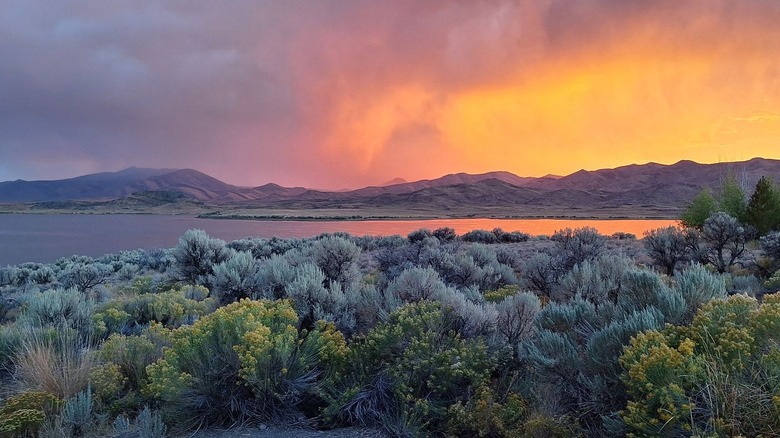
The 2,830-acre Wild Horse Reservoir is located about 65 miles north of Elko, Nevada, in Elko County, inside Wild Horse State Park, a scenic Nevada gem and outdoor escape. The reservoir attracts visitors year-round, offering opportunities for fishing, swimming, boating, and camping in the summer, ice fishing in the winter, and nature walks among the meadows of wildflowers in the spring. Wild Horse Reservoir was ranked as the seventh cleanest lake in all of Nevada by LakeQuality, with a water clarity depth of about 6 feet and water quality levels that are trending upward.
Because Wild Horse Reservoir lies 6,200 feet above sea level — putting it at an elevation comparable to Lake Tahoe – the winter temperatures are low enough to make the conditions ideal for a long ice fishing season. Fish found in the lake include smallmouth bass, yellow perch, catfish, and rainbow and German brown trout. While Wild Horse Reservoir was put on a harmful algae bloom (HAB) watch advisory in August 2026, fishing conditions remain fair to good with trout expected to pick back up with the cooler weather. Swimming is unsafe when an algae bloom is present, so you'll want to check updates from the Nevada Department of Wildlife before swimming. Day-use admission to Wild Horse State Recreation Area is $5 for Nevada residents and $10 for those in out-of-state vehicles.
Onion Valley Resevoir
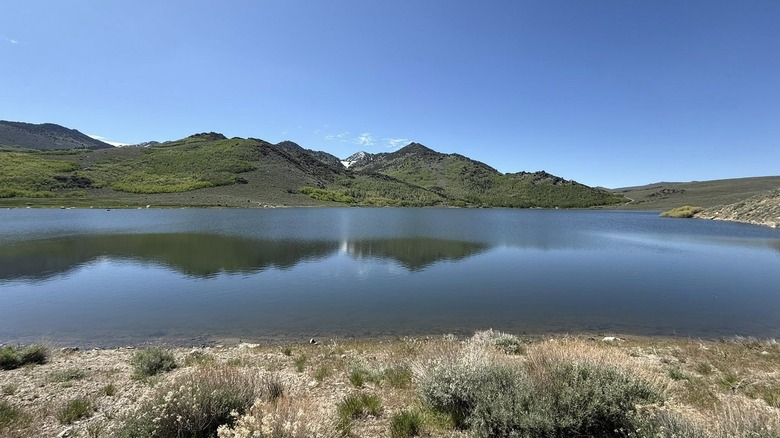
Onion Valley Reservoir is a secluded, artificial lake in the Nevada mountains of Humboldt County in the Pine Forest Recreation Area. It's part of a grouping of remote lakes that includes Knott Creek Reservoir and is on Travel Nevada's list of top lesser-known backcountry lakes. Onion Valley Reservoir is the third cleanest lake in Nevada, according to LakeQuality. While a September 2026 report lists the lake water levels as low, no current health or fishing advisories are in effect. Spanning 101 acres when full, the reservoir offers a variety of trout fishing opportunities, with anglers' average catches ranging from 9 to 16 inches.
Resting at an elevation of a little over 7,000 feet above sea level, Onion Valley Reservoir is a picturesque pocket of deep blue hidden by rolling green mountains. But its remote location means getting there may be a challenge, especially when traveling along the 14-mile dirt road. A high-clearance vehicle is recommended. The best time to visit is during the summer, when the road to the lake is more likely to be free of snow or mud. Onion Valley Reservoir is managed by the Bureau of Land Management, which allows free, primitive camping.
Rye Patch Resevoir
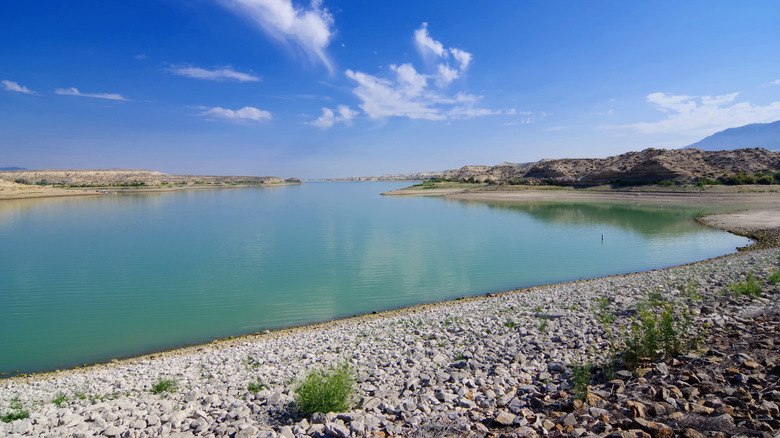
Rye Patch Reservoir is located in Pershing County about 50 miles south of Winnemucca and 26 miles north of the quirky town of Lovelock, Nevada, inside Rye Patch State Recreation Area. LakeQuality currently ranks Rye Patch Reservoir as the second cleanest lake in Nevada, with relatively low levels of algae, and good water quality that is trending toward further improvement.
The 72 miles of shoreline make this massive reservoir a good choice for swimming, boating, water-skiing, picnicking, or birdwatching, where you may spot hawks and eagles soaring overhead. The state park has two campgrounds with flush toilets and hot showers as well as day-use areas. Day-use admission is $5 for Nevada residents and $10 for those from out of state. The best time to visit Rye Patch Reservoir is between late March and early fall, when various fish species such as walleye, catfish, and white and black bass are the most active and the weather is pleasant enough for hiking, camping, and water activities.
A June 2026 fishing report from the Nevada Department of Wildlife informs anglers that although the abundant water levels are expected to decrease, the fishing conditions remain fair. A harmful algal bloom (HAB) warning was issued in September 2026, so you'll want to monitor this if you plan on visiting before the end of the year.
Illipah Reservoir
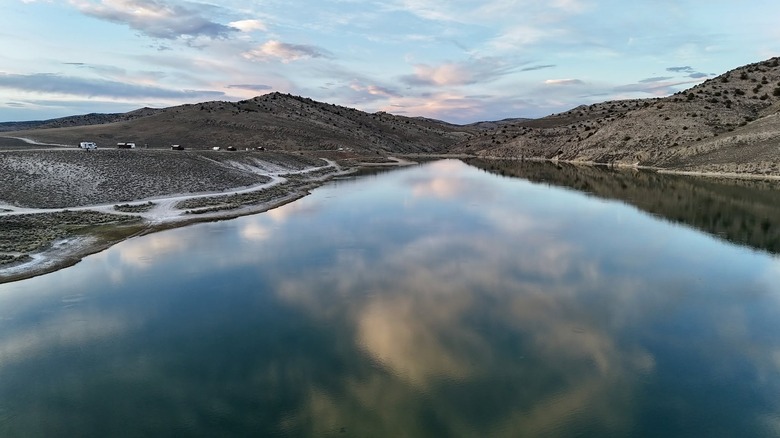
Less than 40 miles from the unique Wild West town of Ely, Nevada, right off the famous Highway 50 – otherwise known as the Loneliest Road in America – is the man-made Illipah Reservoir, which currently ranks as the cleanest monitored lake in Nevada and the No. 1 best lake in Nevada for swimming, according to LakeQuality. The data provided show relatively low levels of algae and a moderate level of nutrients, which suggests the lake is safe for swimming and a healthy environment for fish.
Because Illipah Reservoir sits at an elevation of nearly 7,000 feet, one of the best times to visit is during the winter, when the lake freezes over in the high-altitude mountain air, creating perfect conditions for ice fishing, though the summer is ideal for trout fishing, swimming, and tent or RV camping. There are no fees for visiting the reservoir, and camping is free on a first-come, first-served basis.
It should be noted, however, that no matter how clean a lake is, no freshwater lake is immune to the threat of algae blooms, particularly in the warmer summer months. Harmful algal blooms (HABs) are caused by cyanobacteria, which can hurt fish populations and make water unsafe for swimming. Before you pack for your next fishing trip or lakeside camping retreat, you'll want to visit the dashboard of the Nevada Division of Environmental Protection, as this lists the current HAB status for all monitored bodies of water.