
10 Car-Free Destinations Around The World With Peaceful, Slow-Paced Vibes
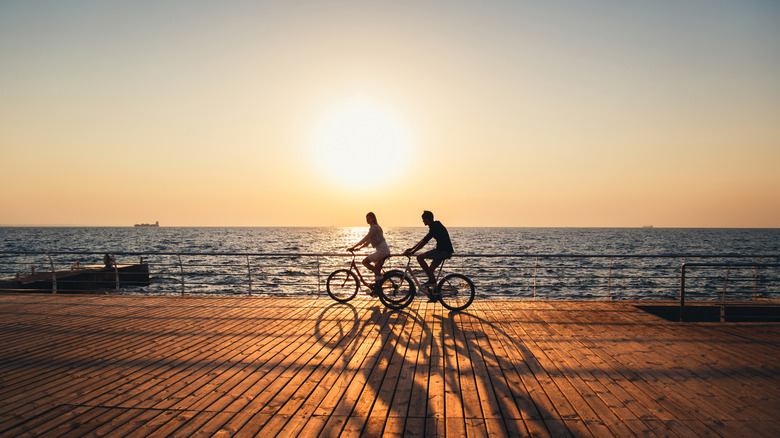
With the cost of living rising globally and escalating social and political tensions, people are increasingly seeking out experiences that can lower stress and provide an escape from everyday life. In particular, travelers are in search of immersive and sustainable travel destinations, per the European Travel Commission. After all, we can't change geopolitical relations or reduce inflation, but we can control the pace of our vacations. One way that travelers can guarantee a departure from the fast pace of everyday life is eliminating certain four-wheeled, anxiety-inducing machines from their trips — also known as "cars".
This can be achieved by visiting car-free destinations around the globe. Imagine a place with no honking, screaming brakes, or exhaust plumes. These are the sorts of guarantees that a car-free destination promises. But where do you go to find such a place in a world so dependent on vehicles? And, of course, how do you get there?
Apart from Antarctica, where the use of a vehicle (such as a snowmobile) to get around is pretty much required, this list covers the six other continents, with 10 destinations you can visit without running into — or being run over by — cars. These destinations have all either banned or severely limited the use of vehicles, with some being naturally isolated due to their location. Naturally, many are islands, with others located in historic districts or mountainous zones, meaning there is a car-free destination for nearly every type of traveler.
Toronto Islands Park, Ontario, Canada
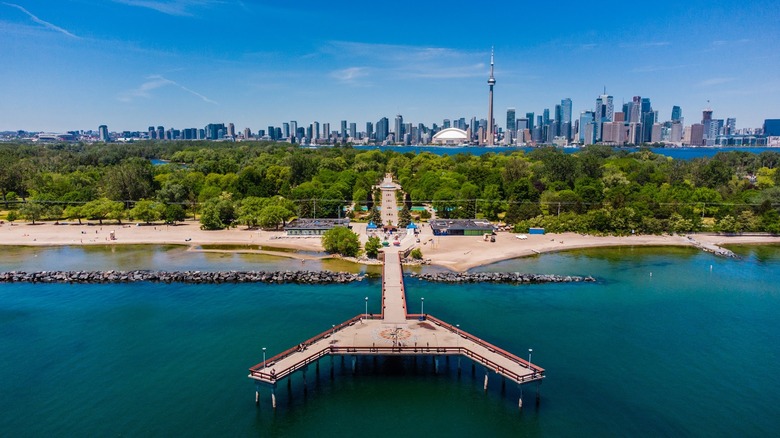
Escape the hubbub of the city and spend a day in Canada's car-free Toronto Islands in Ontario. This park is actually a group of 15 smaller islands interconnected with walking and bicycle trails. Each island has its own vibe, from laid-back Ward's Island to the family-friendly Centre Island. There's also Hanlan's Point, which has a clothing-optional beach and is a haven for the LGBTQ+ community. Though there are no hotels or campsites, some residents rent out their homes on platforms such as Airbnb. Take a ferry to the island and rent bicycles to get around.
Bald Head Island, North Carolina, USA
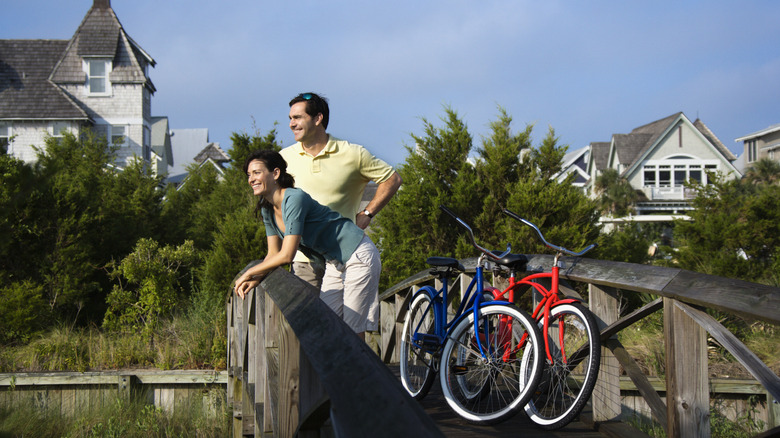
With just a 20-minute ferry ride, you can be on North Carolina's Bald Head Island. This island has been a carless paradise since 1985, when golf carts, bicycles, and two feet became the main modes of transportation. The island is a haven for outdoor recreation and especially those looking for a slow-paced vacation. Spot little crabs along the M. Kent Mitchell Nature Trail, go surfing off the 14 miles of shoreline, or rent a bicycle and feel the wind in your hair as you explore the island on two wheels.
Yelapa, Jalisco, Mexico
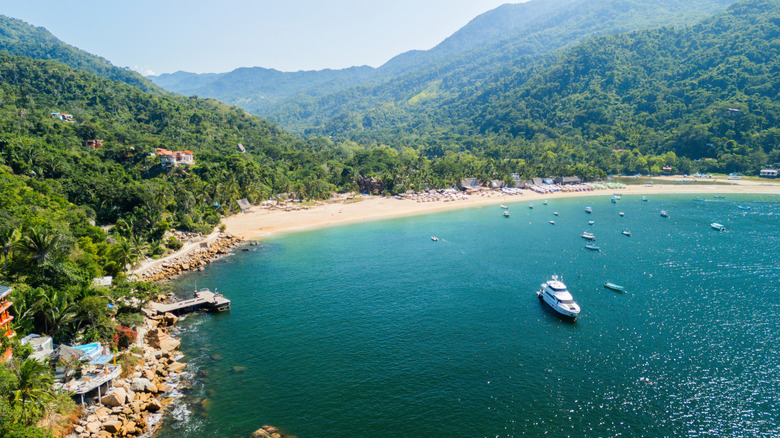
When visitors arrive in Yelapa, one of Mexico's best beaches, they meet an awe-inspiring scene: cerulean water lapping at the rocky coastline, sandy beaches, lush green mountains, and a town of colorful buildings. Best of all, thanks to Yelapa's isolated location south of Puerto Vallarta, it is a car-free haven mostly accessed by boat. Arrive by water taxi from Puerto Vallarta and embrace the peaceful solitude of the town. There are several restaurants where you can enjoy authentic Mexican cuisine, and, interestingly, you can get a slice of pie from the famous "pie lady," Chelly Rodriguez.
Ilha Grande, Brazil
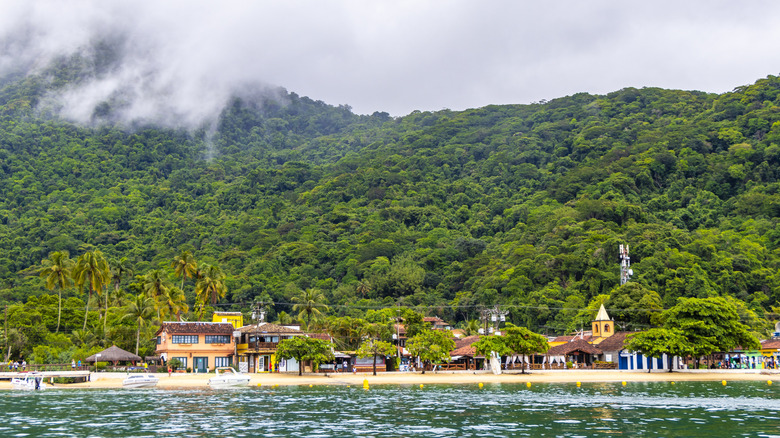
While Rio de Janeiro, one of Brazil's largest and liveliest cities, can be fun, it can also be stressful with the crowds and car traffic. For relief, look no further than Ilha Grande, a car-free island with beaches and quiet trails. Once your ferry arrives in the main town of Abraão, you can easily explore on foot (though some beaches are only accessible by boat). There are also 16 well-marked hiking trails that will take you through some of the island's most scenic areas and give you unforgettable views.
Chamois, Aosta Valley, Italy
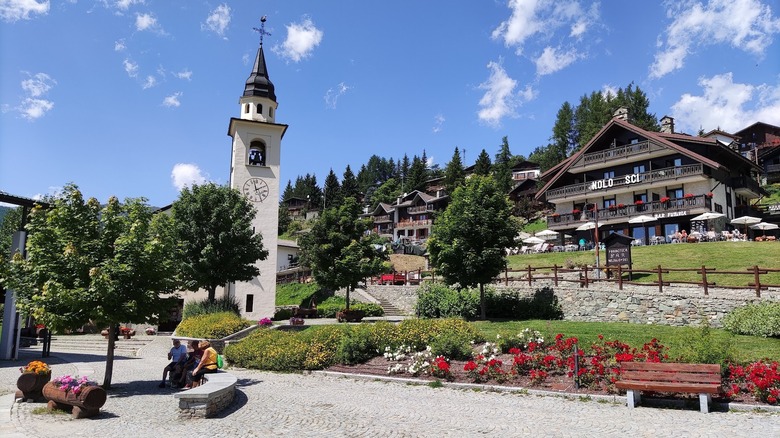
There's a little hamlet called Chamois that sits isolated on the steep slopes of Aosta Valley, in the northwestern corner of Italy. In 1965, the people of the village voted to build a cable car to allow visitors to more easily reach the village, without the use of cars. While there are cobblestone streets, they are marred only by the shuffling of feet or the occasional bicycle. Besides the cable car, one can also reach Chamois by hiking approximately one to two hours from La Magdeleine.
Lamu Island, Kenya
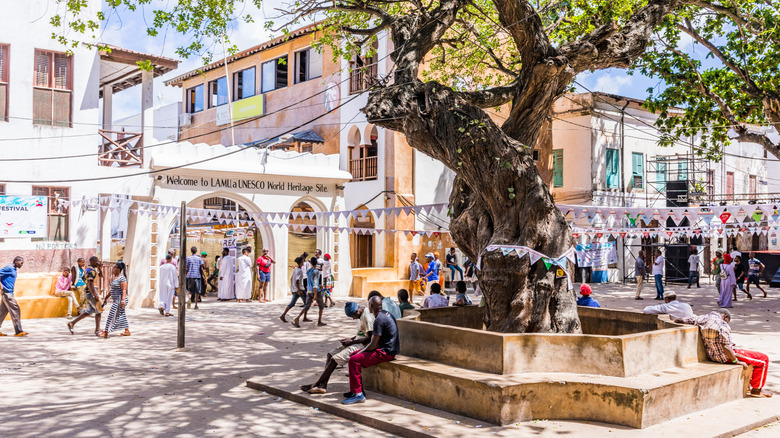
When Kenya is mentioned, travelers may first think of being towed around while on safari. However, Lamu Island is something completely distinct from this stereotype. Not only are there no trucks, there are no vehicles of any kind. Instead, Lamu is a beautiful blend of historical buildings from a wide variety of neighboring cultures. UNESCO-recognized Lamu Old Town also has very narrow streets, making it impossible to travel around on anything other than two feet or a donkey with a pull cart. Lamu Island also has great food and picturesque beaches to explore.
La Digue, Seychelles
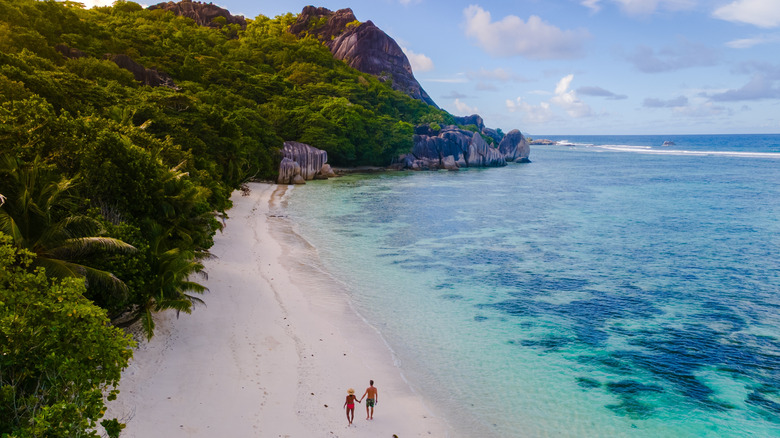
La Digue may be one of the 115 islands in the Seychelles, but thanks to its incredible beaches and strict restrictions on cars, it might just be the best of them. With truly white sand and stunningly clear water, it's no wonder La Digue is home to one of the world's most famous beaches. Without cars, visitors and locals use bicycles to explore. Just keep an eye out for the wild tortoises that frequently cross the road. To get to the island, visitors can take a two-hour ferry from Mahé, the main island of the Seychelles.
Kulangsu, Fujian, China
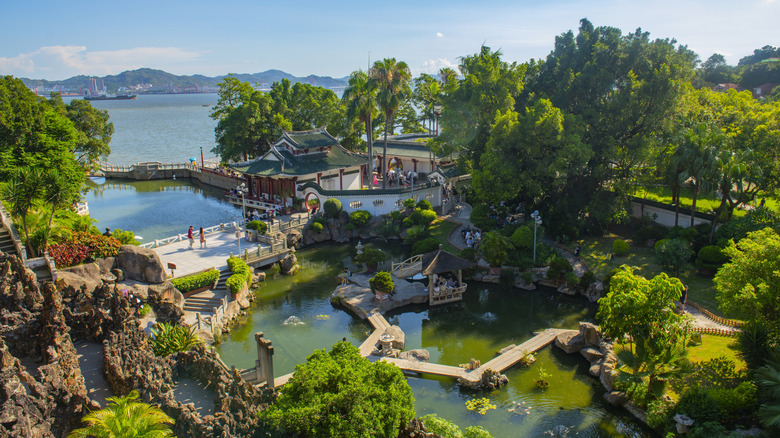
Kulangsu (or Gulangyu) is an island off the coast of Xiamen and might be the most unique entry on this list, as not only are vehicles prohibited — except for electric carts – but also bicycles! The island is also a UNESCO World Heritage Site for its "exceptional example of the cultural fusion," known as Amoy Deco. Today, it is one of the most popular tourist attractions in China with roughly 10 million visitors per year. As you explore, you'll discover why Kulangsu is also known as "Piano Island," as it is home to roughly 5,000 pianos.
Higashiyama, Kyoto, Japan
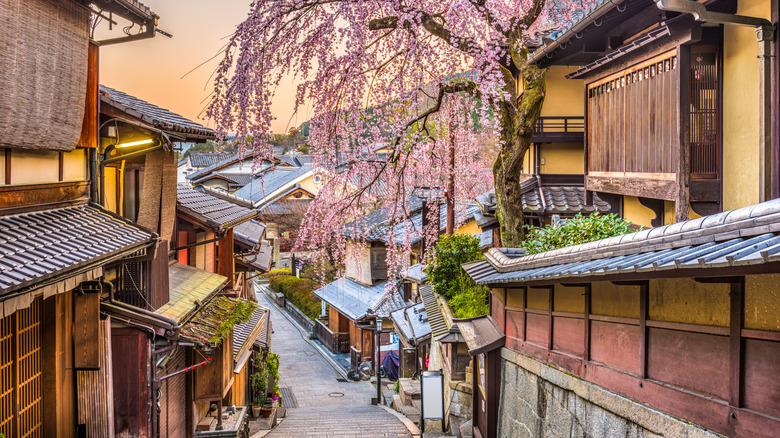
Experience a sliver of time in Japan's past in the Higashiyama historic district in Kyoto – Asia's best city to visit in 2026. Here, you can enjoy long, leisurely walks through the narrow lanes and along the aptly named Philosopher's Path, where you'll pass tall vibrant trees, gardens, grand temples, and shrines. There are also shops selling artisan goods and cafes where you can reflect on your visit with a delicious drink. While you can get to Higashiyama by bus, the narrow lanes prevent cars from entering and obstructing visitors' quiet enjoyment.
Wadjemup (Rottnest Island), Australia
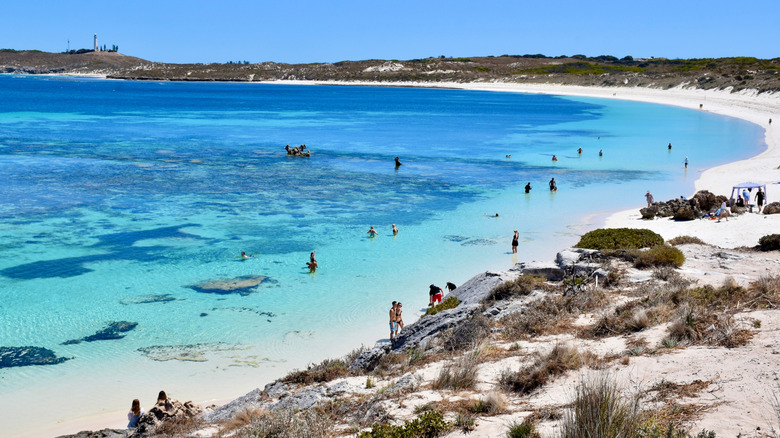
Wadjemup is an underrated island with gorgeous beaches off the coast of Perth in Western Australia. Also known as Rottnest, Wadjemup is the name given by the Whadjuk Noongar people. The island is a unique beauty with coarse vegetation that fades into craggy shores and bright, blue water. Few cars are allowed here, so explore the island by bicycle or bus instead before diving into the water for a snorkel or swim. Make sure to also visit the Wadjemup Museum, which details the dark history of the island but is a valuable learning experience.