
Two Hours From Santa Rosa Is A Lesser-Known West Coast Beach Escape With Camping, Redwoods, And Fishing
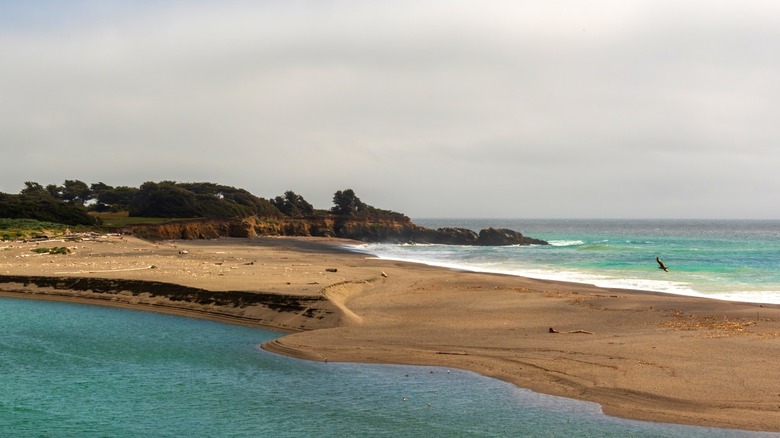
The Sonoma Coast is no stranger to secret beaches and rugged shorelines that feel like the very edge of the earth. Stretching over 60 miles between Bodega Bay and the Gualala River, it's one of the places I go as a born-and-raised Californian when I'm looking for the kind of wild beauty you'd find at Big Sur without the crowds and coastal traffic. One park my family has visited for years is Gualala Point Regional Park, a beach escape filled with bluff-top trails, cypress cathedrals, and peaceful camping beneath towering coastal redwoods.
Gualala Point Regional Park is located at the far north of the Sonoma Coast, just south of Gualala, an artsy town with surprisingly diverse restaurants, in case you need a break from campfire cooking. It's about 65 miles north of Santa Rosa, making the park an ideal stop for road trippers exploring Highway 1 or Highway 101 before visiting San Francisco. But what really makes Gualala Point special is how well it has managed to stay off most tourists' West Coast bucket lists. In fact, even locals only three hours away in the Bay Area often have no idea this park exists.
Besides the reduced crowds, Gualala Point offers a range of landscapes that showcase the best of the Sonoma Coast — minus the vineyards. As you pull off the highway, you're met by a cypress-lined road leading to dramatic cliffs overlooking rocky coves and expansive main beach with crashing surf. A short drive inland reveals redwood groves filled with ferns and the flowing Gualala River.
Camp riverside or beneath the redwoods at Gualala Point Regional Park
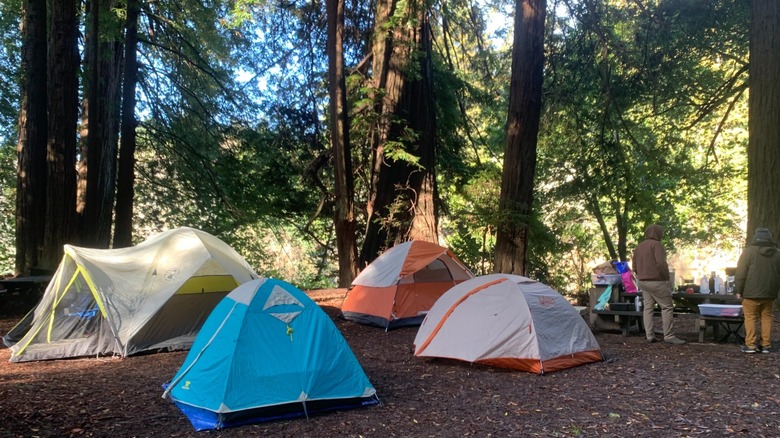
Featuring around 20 sites, the campground is a peaceful retreat for tents, trailers, and RVs, shaded by redwoods and mossy bay trees. The best spots are the riverside sites (numbers 1 to 7 and 10). Most offer views of the water, plenty of shade, and enough space for a couple of tents. If the best campsites in California's Pfeiffer Big Sur State Park are booked up, these spots are a worthy substitute. However, other campsites are only a few minutes' walk from the water where you can put in paddle boards.
Sites 15 and 16, as well as 17 and 18, share the same pads and are so close that you will hear your neighbor snoring. These double-type sites are great if you're traveling with another family, but not ideal if you can't book both. There are also 6 walk-in sites, some of which have river views. Recent visitors have reported particularly crafty raccoons, so you'll want to make sure to put away all food items, especially in the evenings when the critters start coming out. The campground also includes coin-operated showers and flush toilets.
From the campground, hikers can follow the River Trail, a roughly 1-mile path that runs along the lagoon-like mouth of the Gualala River. It passes over ridges where redwood sword ferns grow beneath windswept pines and cuts beneath the Highway 1 overpass, so you don't have to walk on the road. However, it's far from the only trail in the park.
Other things to do at Gualala Point Regional Park
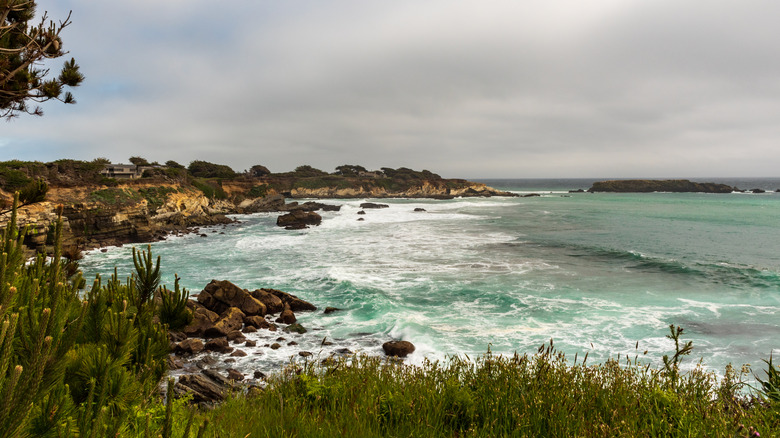
Although the park isn't huge, you can easily spend a few hours walking the trails and taking in the sights. If you only do one hike, it should be the Bluff Top Trail. Measuring 3 miles one-way, this path is up there with any of the best destinations for whale watching between November and March, when as many as 20,000 gray whales make their annual migration along the coast. There's also a paved path leading from the parking lot to the beach, as well as a visitor center that's open on some weekends.
One of Gualala Point's most surprising features is fishing opportunities. Between late December and April, steelhead trout swim through the Gualala River, and Gualala Point Regional Park is one of the main fishing access points. However, it's important to note that the trout fishing is usually catch-and-release, and subject to low-flow closures. In addition, adventurous anglers head to the beach in search of perch, and other fish cutting through the surf.
This stretch of coast is particularly wild, and rip current warnings are posted at every major beach access point. This is the easiest way to identify where dangerous rip currents form, but the beach is worth a visit without dipping a single toe in the water. Storms and king tides wash up massive quantities of driftwood that visitors turn into driftwood sculptures and forts along the shore. The shoreline is also a prime spot for beachcombing and long walks, and maybe a windy picnic.