
America's Most 'Adventure-Friendly' East Coast State Isn't Maine Or Vermont
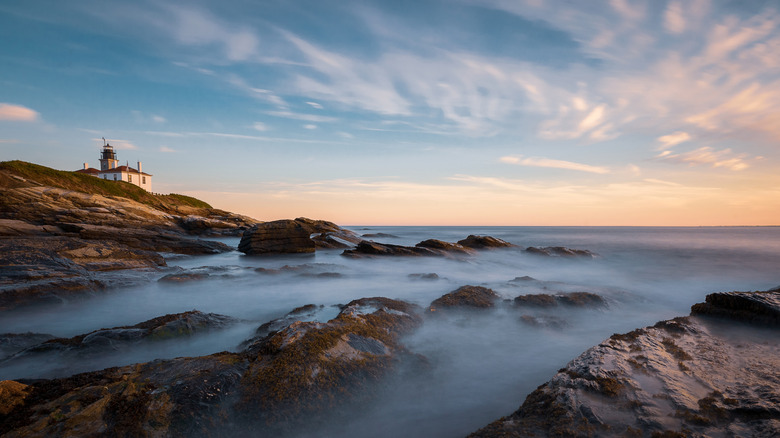
If you had to pick an adventurous state in the lower 48, which would you choose? Out west, maybe you'd list Colorado or Utah for their numerous national parks and Rocky Mountain backdrops. Along the East Coast, perhaps you'd opt for Vermont for its sweeping forests, or Maine for its rocky coastline. These spots come to mind because they're popular. However, adventure-friendly travel is about more than high visitation numbers with a good view, as a 2026 study from the independent outdoor company Kühl points out — while naming Rhode Island as the U.S.'s most adventure-friendly state after Hawaii and Alaska.
If your immediate reaction is, "Really? Rhode Island?" then you're not alone. Even Kühl's team acknowledged that Rhode Island was a surprise to them. But once you look deeper at how they got there, it makes more sense.
It doesn't matter how many trails or national parks a state has if you can't access them for most of the year because the weather won't cooperate or tracks aren't maintained, which is why Kühl considered trail density, hiking season quality, and investment into outdoor recreation, in addition to public land access per capita. Ranking the U.S.'s smallest state by land mass third debunks the perception that a larger size, popularity, and national parks are required to have outdoor escapades.
Adventures on Rhode Island's beaches, coast, and parks
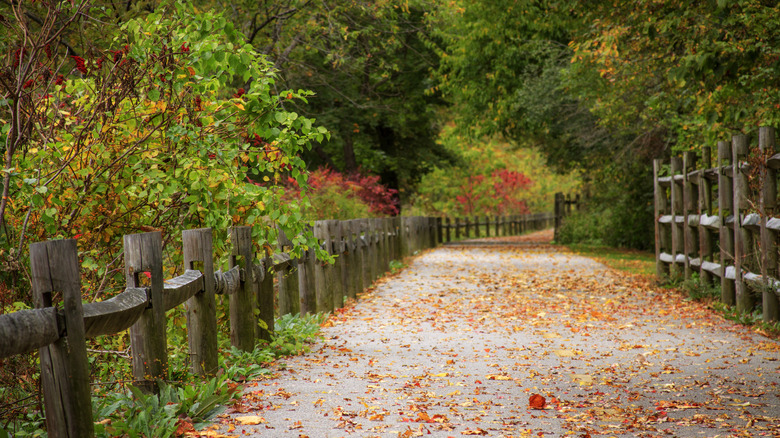
In spite of having zero federal wilderness or public land maintained by the Bureau of Land Management, Rhode Island came third thanks to its unrivaled trail density. Large national parks come with gorgeous views and popular hikes in their developed portions, which is one reason Utah and Colorado are so popular, but the majority of these parks are meant to be natural wilderness. They're purposefully difficult to access, which explains why Colorado ended up at number seven and Utah at number 12 on the list. Vermont gave Rhode Island a run for its money, coming in one spot lower, at number four. Rhode Island's significant trail density and slightly longer hiking season gave it the edge over Vermont's public lands.
Just because Rhode Island doesn't have any big national parks, doesn't mean there's nothing to see there. Rhode Island's Division of Parks cares for more than 8,200 acres of land, from parks and beaches to trails and historic sites. That's 14 state parks, eight state beaches, and more than 400 miles of coastline, as well as five campgrounds .
Rhode Island has additional public land, too, such as the 230-acre John H. Chafee Nature Preserve and the 18 mile-long Blackstone River Bikeway, one of several incredible places you need to visit at least once in Rhode Island. It's hard to compete with Hawaii's unique volcano adventures and Alaska's breathtaking national parks, mountains, and wildlife, but if you want ease of access to the outdoors, try Rhode Island instead.
Rhode Island: adventure-friendly or hiking-friendly?
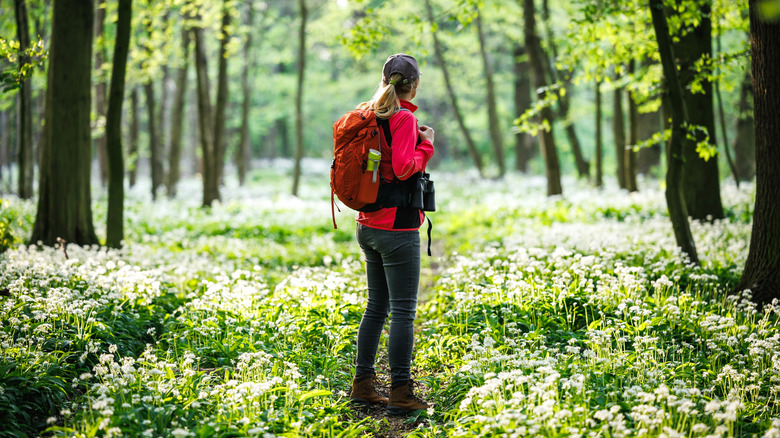
As with any study, it's important to note any potential biases and shortcomings. In this case, you could argue that the report is focused on activities more suited to hikers than adventurous spirits. Its four criteria for determining rankings prioritizes trail density at 30% weight. Kühl's reasoning is, "You can't hike without trails," indicating a bias towards hiking as the adventure activity they're measuring.
However, adventure travel is a broad category, often including whitewater rafting, mountain climbing, ATV trails, and other high-adrenaline activities. These are not necessarily accounted for in this study. While the research is reliable for revealing states with accessible walking and hiking trails, it may not be quite right for adrenaline junkies looking for something more than a long trek through woods.