
Forget Florida, Retire To This Mountain West Gem With Affordable Living, Tight-Knit Small Towns, And Scenic Nature
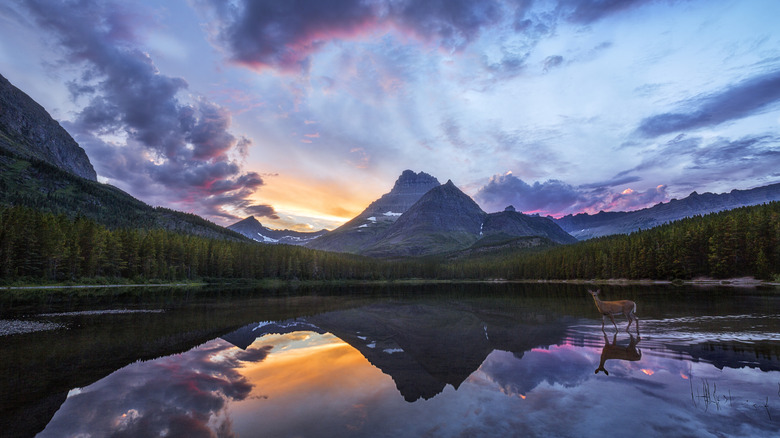
The prospect of a coastal retirement on the Sunshine State's sandy shores sure sounds nice. Perhaps a round of golf followed by a stroll along the beach. Yet for some folks careening towards post-work life, it might sound a bit staid. Some hanker for a more active sojourn in scenic nature, replete with small, tight-knit towns that promise affordable living. In that case, forget Florida and consider the scenic, mountainous landscapes of Montana.
Big Sky Country may not initially top many lists of potential retirement destinations (unless you're a celebrity seeking some semblance of normalcy). It's admittedly not the most obvious choice. Yet it has a few benefits. The sheer concentration of national parks, forests, and outdoor destinations makes it perfect for a retirement or trip dedicated to an active lifestyle. Hiking, camping, fishing, and the general aimless wandering that can enrich a life untethered by the 9-to-5 — it's all available.
It also doesn't hurt your wallet as much as other states. The state's cost of living ranks among the bottom half of all states, according to data compiled by the Missouri Economic Research and Information Center. Yet the economic structure and the state's tax scheme keep daily expenses low for fixed-income folks. Chiefly, the lack of sales tax makes a trip to the grocery store cheaper than it would be elsewhere. Ditto the low property taxes, which bring down the cost of homeownership. That affordability is slightly marred by the state's tax on retirement and Social Security income, which can reach nearly 6% (Florida, it should be noted, doesn't tax Social Security benefits). Yet the Sunshine State also lacks the lake fun, beaches, and vibrant cities that make Montana and the Mountain West region such a draw for retirees and travelers.
From small towns to scenic nature
Montana's natural largesse may be its biggest draw, with two iconic national parks and gorgeous destinations ready to fill a post-work itinerary. It is blessed with seven national forests, most of which line the state's western half. The largest, Beaverhead-Deerlodge National Forest, offers 3.32 million acres of valleys, backcountry, and mountains. Varied landscapes are a recurring theme throughout Montana, as are drastic elevation changes. While the Rocky Mountains may be most often associated with Colorado, a sizeable portion of the range lies in Montana's western half, and it's a wonderful region for retirees to explore. It'd be silly to start anywhere but the state's northwestern area and Glacier National Park, its 131 named lakes and 175 mountains offering a perpetual playground spread across a million acres. Its mix of jagged terrain and smooth waters can be viewed via the Going-to-the-Sun Road, a scenic 50-mile route that makes for an unbelievable road trip.
You won't spend your trip constantly on the move, though. Mixed among that scenic nature, small, tight-knit towns scattered across the state offer ample places to settle down. The state's astoundingly low population density, one of the lowest in the country, means you'll have plenty of room to roam. Yet all that space doesn't translate into a distance between Montanans. Quite the opposite. The state, as the locals claim, is actually a big town with really long roads and plenty of gorgeous vistas. Every community, it seems, is tight-knit, according to locals.
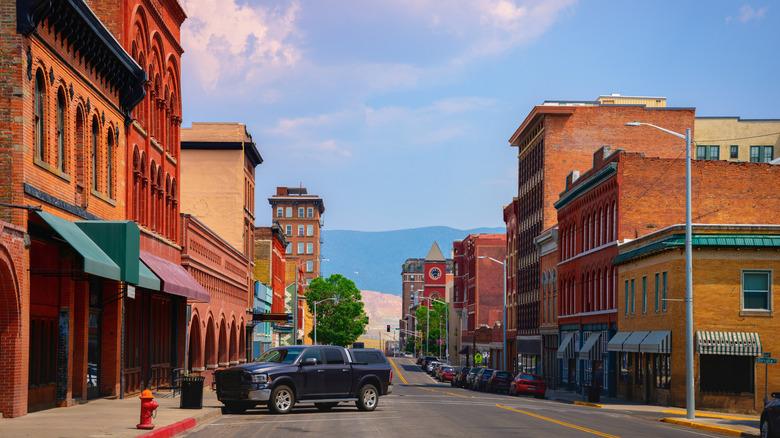
Two affordable retirement spots near the majestic mountains are Butte and Anaconda. The former, with a population of 35,000, offers an affordable destination, where the median home value is well below the national average, as is rent. The latter, with a population of 9,700, matches that cost of living and adds a strong outdoorsy streak, along with proximity to Lost Creek State Park. Smaller communities like Dillon, with 4,400 residents, offer a peaceful escape alongside outdoor adventures.
The nuts and bolts of post-work life in Montana
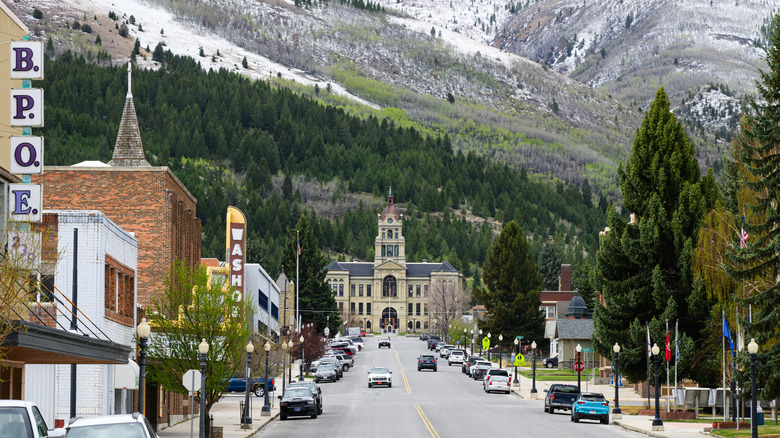
"Big Sky Country" offers ample room for retirees and travelers to explore its 147,000 square miles of space. However, all that space doesn't exactly make for a walkable destination. Most cities in Montana favor a car-centric lifestyle, earning low Walk Scores – a measure of a destination's walkability. Retirees might be annoyed by the headaches brought about by car ownership, but maybe you'll find a new friend to carpool with — 22% of the state's population crosses the 65-year-old threshold. That number climbs to 34% in the tiny town of Hamilton, though you'll certainly need a car to get around its cozy countryside streets.
The state's elderly face two major hurdles to a completely comfortable life in Montana. A critical factor for retirees with health issues is access to quality healthcare, which can shorten the list of potential retirement destinations. Living in a small rural enclave is nice, but it becomes a risk factor in an emergency. Montana's rural areas have limited options for residents across several types of medical care, so access to things like specialty doctors or emergency medicine could require more driving than expected.
There's another major downside: the weather. Depending on what part of the state you live in, you may face intense heat in the summer, as is the case in Billings, where temperatures climb over 90 degrees Fahrenheit. Conversely, a decidedly frigid winter that's consistently below freezing awaits you in locales like Bozeman. Choosing the right place to live may be akin to choosing which of those extremes offers the least danger. The rest of the year, residents do enjoy mostly dry, comfortable weather with little humidity.