
Between Tampa And Gainesville Is An Archaeological Park With Native American History, Fishing, And Trails
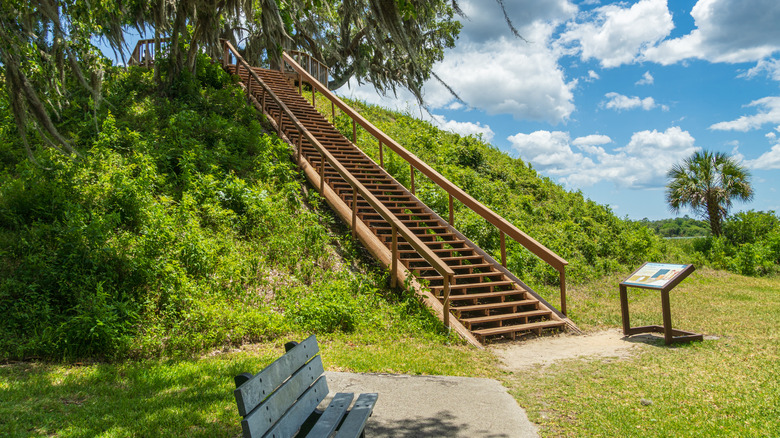
Florida's Gulf Coast is a prime, year-round vacation escape, but its tourism hotspots tend to center on its prominent Gulf-side beaches. Inland from the Gulf, however, sits a worthy collection of outdoor attractions preserving Florida's natural, cultural, and historical treasures without any beaches involved. A superb Florida hidden gem for history and nature lovers alike is the small but extraordinary Crystal River Archaeological State Park. With the word "archaeological" in its name, you can probably guess that this park is a bit more history-minded than most Florida state parks. At the same time, this park is far from a stuffy history lecture, and you'll find top-tier inland water recreation along with its historic treasures.
Crystal River Archaeological State Park is located in Florida's sweetly-named Citrus Country, roughly an hour and a half north of Tampa and a little over an hour south of Gainesville. At less than 100 acres, Crystal River Archaeological State Park is far from Florida's largest state park, but the park's boundaries do border a much larger collection of state and federal preserves within a fertile water network. Even within its borders, Crystal River Archaeological State Park protects gorgeous views and (more notably) some of Florida's best-preserved Native American archaeological sites dating back long before European contact. For the cost of a $3 per vehicle entry fee, day visitors to the park can explore a top Florida archaeological site and learn about the region's original inhabitants in an informative museum. And with excellent access to fertile waterways and protected green spaces, Crystal River Archaeological State Park is also superb for hiking, fishing, and general fun in Florida's warm outdoors.
Florida's ancient city in a stunning river landscape
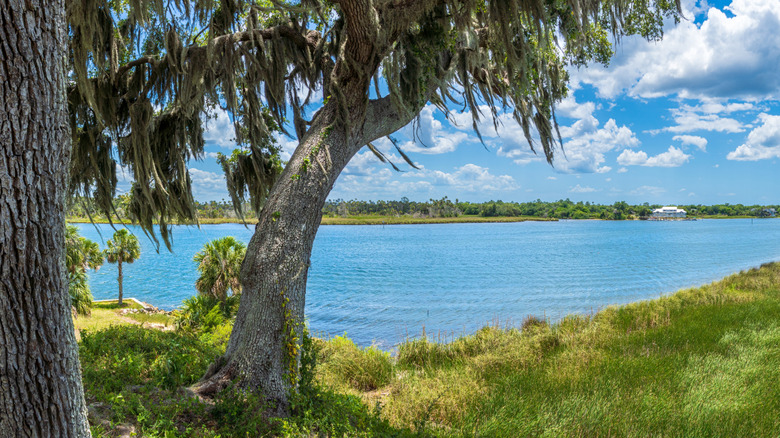
Crystal River Archaeological State Park covers 61 acres of riverside forests next to the much larger Crystal River Preserve State Park and the short but beautiful Crystal River. The broader Crystal River estuary provides a potent ecological backdrop of lovely stretches of mangroves, salt marshes, and natural riverside springs. But while other Crystal River attractions, like swimming with manatees at the Plantation Resort, may draw the most attention, Crystal River Archeological State Park showcases a much older side of the region's extensive history.
The Crystal River has one of Florida's longest legacies of human inhabitation. About 1,600 years ago, over a millennium before Europeans arrived, Native Americans built large communities in the fertile lands around the river. Evidence of these civilizations still stands in the form of well-preserved burial mounds, temple mounds, and elevated plazas indicative of Pre-Columbian mound-building cultures. Much like the archaeological sites at Georgia's Ocmulgee Mounds National Historical Park, Crystal River Archaeological State Park offers priceless insight into the lives and societies of an ancient North American culture. The park's six extant mounds have produced a notable collection of Native American artifacts, including arrowheads, pipes, pottery, shells, and a significant limestone stele (currently the only known such stele found in the southeastern U.S.).
Today, the park serves as an open-air museum, as visitors can explore the park's burial sites and Temple Mound in person. Visitors can even climb to the top of the highest temple mound on a well-placed staircase and see views of the lush Crystal River from what is still the area's highest point. The Crystal River Archaeological State Park Museum includes displays of site-specific artifacts and informative exhibits on the lives and societies of the ancient peoples who once lived there.
Exploring Crystal River Archaeological State Park on land and water
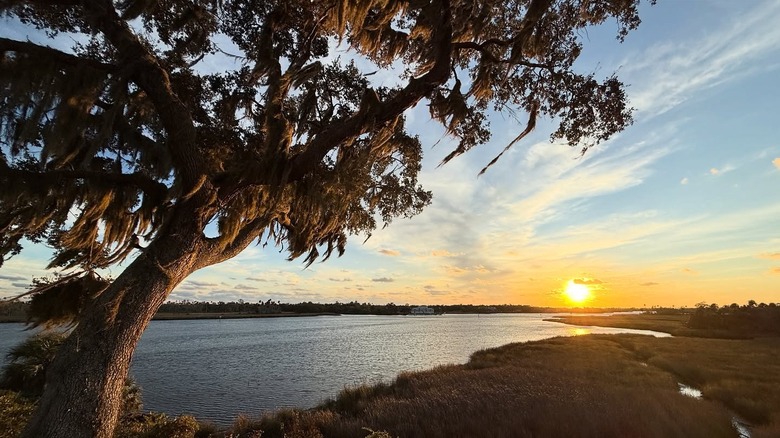
Despite its relatively modest 61 acres, Crystal River Archaeological State Park has excellent outdoor experiences and amenities, including self-guided walking tours of the park's historic resources and exuberant natural scenery. Hikers can explore the park's main archaeological sites on the Mounds Trail, an easy, one-mile loop that circles the different mounds and observation areas. The Mounds Trail also connects the main archaeological sites with the park's museum, so hikers can get a full, comprehensive lesson on the site's history in less than an hour. But the park's hiking opportunities do not end at its museum experience. Elsewhere in the park, hikers can explore several miles of scenic nature trails through the Crystal River estuary and its hearty pine forests, salt marshes, coastal hammocks, and wildlife-rich areas (with great chances of seeing alligators, otters, and multiple bird species).
The park's connection to the Crystal River estuary also creates prime fishing opportunities. Anglers can visit the park's Mullet Hole and Redfish Hole areas for prime fishing in the fertile waters between the Crystal River and the Gulf of Mexico. The Crystal River estuary's unique makeup means both freshwater and saltwater fish are available, with saltwater fishing being especially worthwhile near the park's waterfront. Depending on the season and water conditions, Crystal River Archaeological State Park visitors have a great chance of catching black drum, snook, redfish, seabass, grouper, and cobia, among other popular gamefish. Visitors can also explore the other parks of the broader Crystal River region. Just four miles away is the federally managed Crystal River National Wildlife Refuge, which includes the Caribbean-colored waters and seasonal manatees of Three Sisters Springs.