
Not Grand Canyon, Not Yosemite: These Two National Parks Are The Least Likely To Disappoint In The US
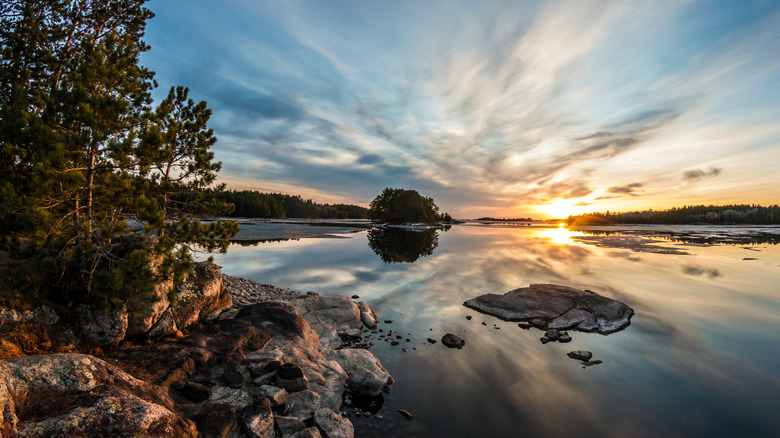
The most popular American national parks draw millions of visitors each year. Unfortunately, such high levels of tourism mean that a certain degree of disappointment is inevitable. After all, no national park, however amazing, can please everyone. And with the iconic Grand Canyon National Park getting too popular for its own good according to some visitors, and the heavily trafficked Yosemite experiencing administrative chaos, America's most-visited national parks seem more likely than ever to disappoint visitors. Not all of America's national parks are equally popular, though, and two surprising U.S. national parks seem to beat out their more popular peers when it comes to exceeding visitor expectations: the equally underrated Virgin Islands and Voyageurs national parks.
While analyzing disappointment in national parks is essentially subjective, the popular outdoor clothing brand Kühl made an impressive effort to do just that. Applying the concept of the infamous "Paris Syndrome" (whereby tourists are disappointed by the celebrated French capital, sometimes to the point of illness), Kühl analyzed around 96,000 reviews of U.S. national parks from Google and Tripadvisor in 2026 to see which ones had the highest share of disappointed reviews — and which ones had the least.
Surprisingly, the top spot for "least disappointing" national park is tied between Minnesota's Voyageurs National Park and Virgin Islands National Park in the territory of the U.S. Virgin Islands, both incurring only 2.2% negative reviews based on Kühl's criteria. And while these two parks are quite different in many ways (one is a tropical Caribbean beachside paradise and the other a remote network of woodlands and waterways in Minnesota's northern forests), they are both exquisite hidden gems in the U.S. National Park System, and excellent alternatives to the Grand Canyon, Yosemite, and other iconic (but perhaps overhyped) national parks.
America's beach-heavy Caribbean paradise
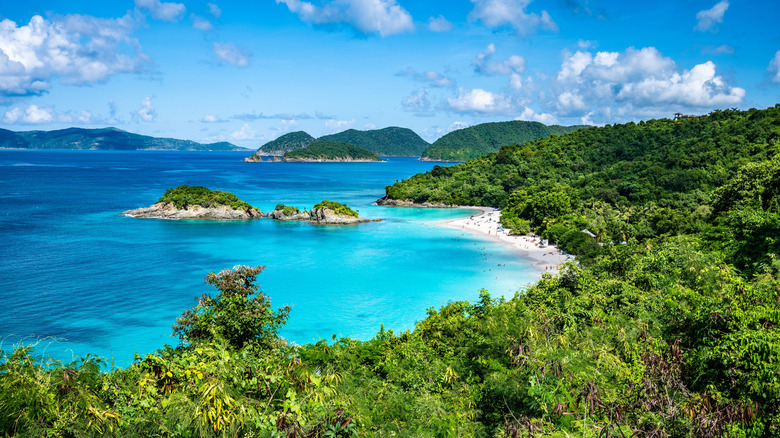
True to its name, Virgin Islands National Park is a heavenly collection of white beaches, emerald forests, and clear blue waters in the U.S. Virgin Islands. While all of the U.S. Virgin Islands share the same Caribbean beauty, Virgin Islands National Park is a notably pristine tropical preserve across 7,000 acres (or about 60%) of the island of St. John — the smallest of the U.S. Virgin Islands. The park's natural resources include a rich blend of terrestrial, coastal, and marine ecosystems, which range from colorful undersea coral reefs to coastal mangrove forests to oceanside mountains adorned in tropical green.
Virgin Islands National Park also preserves the history and culture of the people of the Virgin Islands. Park visitors can explore historic sites like the Annaberg Sugar Plantation and learn about the island's legacy of slavery and its survivors. The park also protects archaeological artifacts created by the native Taino people, including well-preserved, thousand-year-old petroglyphs.
A tropical paradise equally rich in history and beaches is sure to be popular, as Virgin Islands National Park's low disappointment rating can attest. Visitors can relax on one of the park's many sublime beaches, including the idyllic Trunk Bay Beach that has been ranked as one of the world's best. Though premium beaches would be enough to curb visitor disappointment, Virgin Islands National Park also offers world-class snorkeling, boating, and fishing in its serene coastal waters and unforgettable hiking adventures in its many highly rated trails. Visitor reviews reflect the park's unparalleled combination of Caribbean beauty and tropical adventure, with five-star Google reviews describing it as "pure paradise," a "great destination to get away," and "one of our favorite national parks."
The water wonderland of northern Minnesota
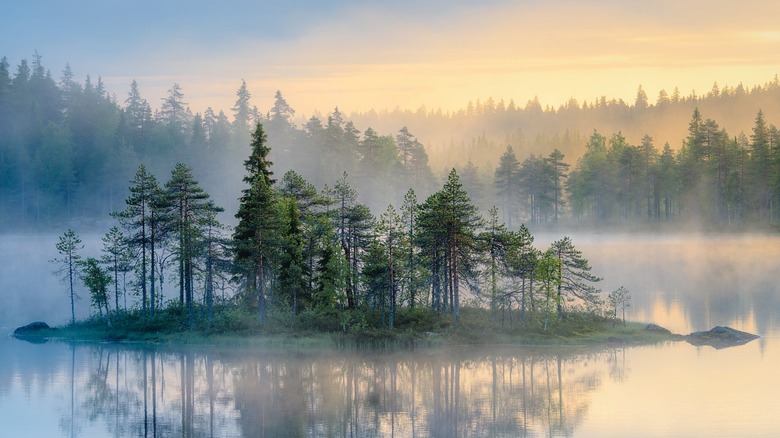
Climate-wise, Minnesota's northern woodlands seem worlds away from the Caribbean Virgin Islands. But Voyageurs National Park does have some striking similarities if you look close enough. Taking advantage of the most pristine of Minnesota's famed "10,000 lakes," Voyageurs has water adventures comparable to those of the Caribbean in spirit. Voyageurs National Park is located in an unadulterated forest ecosystem 10 miles east of International Falls. Though this may seem like an odd place for a bucket-list national park, Google reviews bear out its elite Kühl ranking with descriptions like "most unique national park I've ever been to" and "makes you feel and connect to nature in its own way."
Voyageurs National Park covers 218,000 acres of land and water, from Minnesota's southern boreal to the northern hardwood forests. The name "Voyageurs" comes from the French word for "travelers," referring to 17th- and 18th-century French fur traders who traveled through the area. The park's ancient, glacier-carved landscape includes some of the oldest rocks on Earth, biodiverse ecosystems, and scenery like the top-tier views of Rainy Lake. Geological additions like Grassy Bay Cliffs add a monumental grandeur to the beauty of Voyageurs' natural lakes. Being so far north, Voyageurs also sometimes has spectacular showings of the northern lights.
With so many remote waterways, Voyageurs National Park is a paddler's dream. In fact, many regions of the park are only accessible by boat. The lack of any convenient tourist traps like those of the Grand Canyon or Yosemite means that Voyageurs visitors are more likely to be those who seek out lengthy paddling trips away from civilization. This may help explain its status as one of America's least disappointing national parks.