
This Popular National Park Out West Is The Most Likely To Disappoint Visitors In The US
The maxim "you can't please everyone" is largely undefeated, even for acclaimed natural wonders like America's national parks. America's most popular national parks draw millions of visitors each year, but not everyone quite gets the hype. Believe it or not, a small but statistically significant number of online reviews of America's national parks express not wonder, but disappointment. Recently, outdoor retailer KUHL embarked on a project to catalog these negative reviews to determine the most disappointing national park in the United States. Surprisingly, number one is a fairly popular national park, albeit one with downsides that are perhaps more obvious: California's Death Valley National Park.
According to KUHL's findings reported in its National Parks "Paris Syndrome" Report 2026, "analyzing nearly 96,000 recent reviews from TripAdvisor and Google," Death Valley National Park received a "negative" review rate of 12.3%, more than any other U.S. national park. Visitation-wise, Death Valley is not exactly unpopular. NPS data shows 1,320,134 visits in 2025, putting it in the top third in popularity among national parks — at No. 24 of 64. Still, the park does have the word "death" right in its name, a sign that its negative qualities may be more obvious than those of other parks. Death Valley's infamous heat, (ostensibly) barren desert landscape, and generally unpleasant conditions tend to stand out among the park's negative reviews, and the 12.3% of visitors who regretted the trip seem to focus on these less-than-ideal conditions as making the park not worth the price of admission.
However, Death Valley National Park is protected as a natural treasure for a reason. Visitors who are willing to endure more extreme conditions — and follow necessary safety practices — can discover its truly special qualities and see why an area with "death" in its name more than deserves its status as one of America's most magnificent destinations.
In terms of hype, Death Valley can embody its name
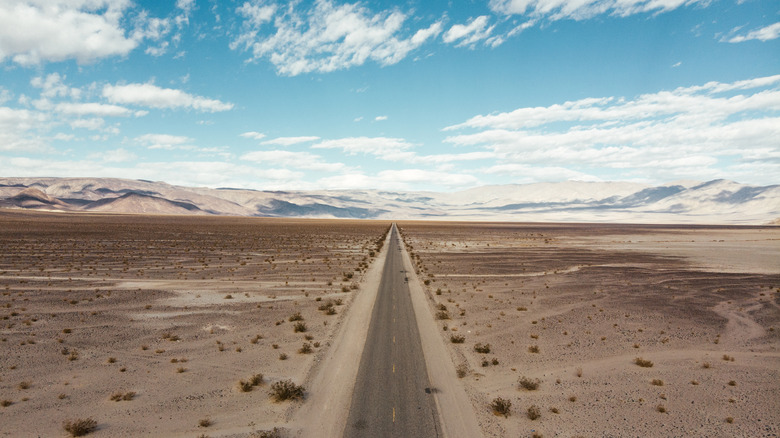
Death Valley National Park's propensity for disappointment has less to do with any lack of meaningful features and more to do with conditions that aren't exactly amenable to a pleasant visitor experience. According to the National Parks Foundation, Death Valley is "America's lowest, hottest, and driest national park," with the record for the highest air temperature ever recorded on Earth. Death Valley's extreme conditions arise from its unique location in a deep Mojave Desert depression buried under a rain shadow from surrounding mountain ranges. Amazingly, Death Valley has a diverse (and hardy) ecosystem of desert plants and animals, which have made their home in the park's unforgiving climate and complex geological landscape.
Of course, while Death Valley's plants and animals have adapted to its extreme conditions, human visitors have not. Unfortunately, those human visitors are more likely to write online reviews. Temperatures here are often too hot for visitors to experience the park safely, especially during the normal summer tourism season. Average summer highs go into the triple digits, and days of 120 degrees Fahrenheit or more are not uncommon. Temperatures like these can easily cause heat stroke, dehydration, or other heat-related illnesses, to the point where travelers may be advised to avoid Death Valley entirely during the summer.
A park that can't be safely enjoyed in the summer is ripe for disappointing visitors, especially if it has Death Valley's $30 entrance fee. Beyond that, many visitors find Death Valley's landscape just not all that impressive for the time and effort needed to get there. The park's negative Google reviews include feedback like: "hot dusty hell hole with nothing," and "hardly worth being a park at all," and even "absolutely nothing will impress you in this park."
Why Death Valley is still worth visiting
These reviews, though attention-grabbing, represent just a small percentage of Death Valley's 1.3 million annual visitors. Statistically, far more visitors should agree that Death Valley is more than worthy of national park status. It just requires a bit more planning, preparation, and safety precautions than most other national parks. According to the National Parks Almanac, the best time to visit is November through March, with winter bringing the most comfortable temperatures in the 60s and 70s. Diligent travelers can follow essential tips from Death Valley park rangers and experienced outdoor adventurers to mitigate the park's extreme heat. Bring at least four liters of water per day, watch out for the signs of heat sickness, and bring the 10 essentials for visiting national parks, and you can mitigate Death Valley's brutal conditions.
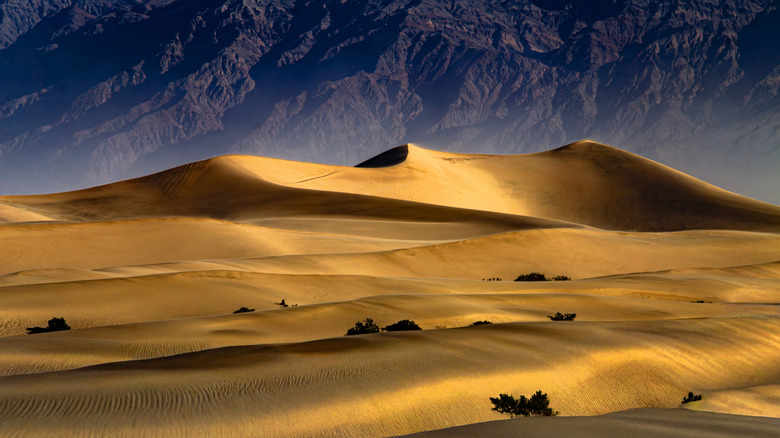
And Death Valley does have wonderful sights to offer: The national park's 3.4 million acres make it the largest in the contiguous U.S., containing otherworldly geological formations etched into the desert landscape between snow-capped mountain peaks. While individual tastes may vary, Death Valley landmarks like the volcanic Ubehebe Crater, the ever-changing Mesquite Flat Sand Dunes, and the colorful Artists Palette arguably rival scenes from the Grand Canyon or Zion. Death Valley has magnificent scenic viewpoints like the photogenic Zabriskie Point and the dramatic Dantes View, where visitors can gaze upon breathtaking panoramic landscapes (and the vibrant colors of Death's Valley's unparalleled sunrise and sunset views).
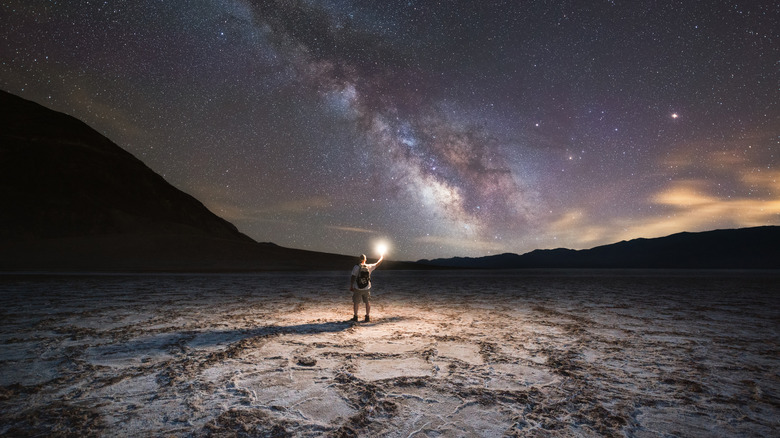
Visitors lucky enough to arrive just after a rare rainstorm can see a world-renowned showing of desert wildflowers. With almost no light pollution, Death Valley has one of the greatest nighttime views of the Milky Way in the National Park System, and some of the world's best astrotourism spots. Enjoying any of these things requires dealing with truly inhospitable conditions, which will undoubtedly leave some visitors disappointed. But if you're willing and able to take necessary precautions, Death Valley can be as magical as any other national park.