
Between Richmond And Norfolk Is A Virginia Archaeological Site With A Fascinating Museum And River Views
While colonial landmarks can be found up and down the East Coast, few states lay claim to as many well-preserved colonial sites as Virginia. For most, Williamsburg is likely the first to spring to mind; its restored buildings, horse-drawn carriages, and costumed historical interpreters have made it one of the most famous living museums in the nation, if not the world. But less than 10 miles southwest lies another of Virginia's colonial capitals that, unlike the cobblestone streets of Williamsburg, is buried mostly beneath the soil.
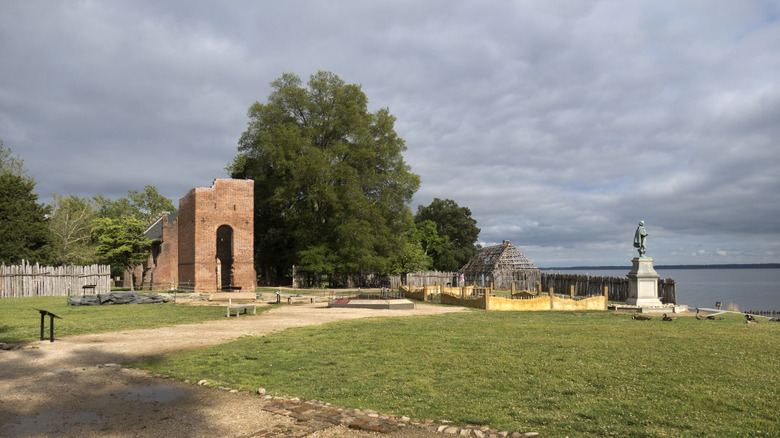
Historic Jamestowne preserves the original site of the Jamestown settlement, first established in 1607. From above, it may not look like much — memorial statues, a granite obelisk, and church tower, are among the most notable structures in the park — but that unassuming appearance belies the fascinating history below the surface. Ruins and active archaeological sites are scattered across Historic Jamestown, perhaps most notably including James Fort. The colonists built this triangular wooden fortification shortly after they arrived, and it was long believed to have been lost to erosion. However, archaeologists rediscovered the structure's footprint in 1994 and have recovered more than 3 million artifacts since, thousands of which are on display in the Archaearium archaeological museum.
Today, visitors can explore reconstructed sections of the original settlement and retrace the steps of the colonists who once lived there. The historical park is located along the James River, roughly 57 miles southeast of Richmond and about 50 miles northwest of Norfolk, making it an easy day trip from either city and a place that many Virginians will recall from childhood school field trips. Accessing the park is relatively easy thanks to its location off of Interstate 64 via Route 199. Historic Jamestowne is generally open from 9 a.m. to 5 p.m. daily, and admission costs vary due to the site's split ownership between the National Park Service and Preservation Virginia. Note that Historic Jamestown is not the same as Jamestown Settlement, a nearby living museum, though many guests choose to visit both.
Explore the remains of James Fort and the Archaearium museum
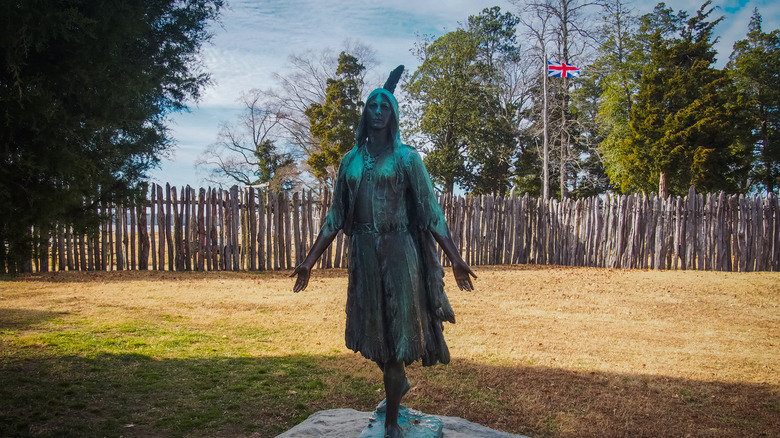
While Jamestown is one of America's first 10 cities, much of it, including James Fort, was presumed to be lost to erosion for much of the 20th century. However, in 1994, archaeologists with the Jamestown Rediscovery project uncovered the original palisade walls and began gradually excavating additional structures and trenches that gave shape to the fort's footprint. Since then, reconstructions of the fort's defensive palisades have been established to give visitors (and archaeologists) an idea of what the one-acre site might've looked like. Further discoveries have ranged from simple wells and cellars to entire churches and barracks.
Work on the site remains ongoing, which is itself a core aspect of Historic Jamestowne's appeal. While exploring the grounds, visitors may find themselves looking on as the excavation team works on uncovering the next piece of Jamestown history, generally during work hours on Mondays through Fridays from 9:00 a.m. to 4:00 p.m. (weather permitting). Other notable sites include the 17th-century church tower, which is the only original above-ground structure from Jamestown's colonial past. It was predated by a 1617 wooden church and preceded by the nearby Memorial Church, a 1907 building that was constructed in celebration of the settlement's 300th anniversary. Statues of John Smith and Pocahontas watch over the site, while the towering Tercentennial Monument honors the 104 first settlers with a 104 feet of white granite.
Half a mile from the Visitor Center is the Archaearium, an award-winning museum exhibiting over 4,000 artifacts uncovered from the James Fort and surrounding areas. The museum itself was constructed over the remains of the original Jamestown Statehouse, portions of which are visible through the building's glass floor. Among its artifacts are pieces of arms and armor, Native American beads, and, yes, human remains of the colonists themselves. The Archaearium's exhibits are updated frequently to reflect the site's ongoing archaeological excavations, making return visits well worth the while.
Outdoor activities on Jamestown Island
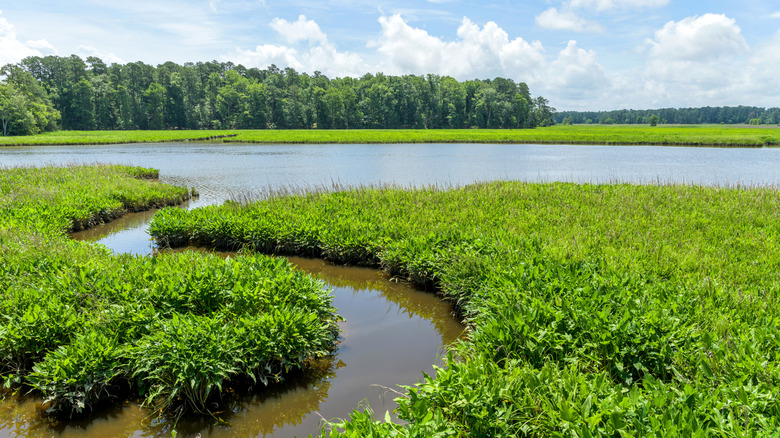
While Historic Jamestowne is one of the highlights of Jamestown Island, it's not the only reason to visit. The remainder of the island comprises a thriving natural ecosystem of forests, wetlands, and tidal marshes of the James River. The National Park Service manages the scenic Island Loop Drive, a 3 or 5-mile loop around the island with 11 official stops, where visitors can trace the land's history from the colonial era to its role in the Civil War. There's also plenty of scenic river views and opportunities for wildlife watching as well, especially if you take the walk to the tip of the island, called Black Point. Among the panoramic views you may spot bald eagles high up in the trees or swooping down to catch fish in the river.
Jamestown is also just one part of Virginia's Historic Triangle. About 5 miles away is Williamsburg, one of America's first planned cities and a history lover's heaven, rife with restored colonial buildings and interpretive museums. The final site, Yorktown, has waterfront walks, art, and a charming Main Street and sits about 20 miles east. While all three are well worth the visit if you're in the area, Historic Jamestowne stands out for its ongoing archaeological work and impressive museum, inviting guests into the still-unfolding story of Jamestown against the backdrop of the beautiful James River.