
5 Hawaiian Restaurant Rules Tourists Break Within The First 10 Minutes

While there are many places in the world that transport you into a sense of bliss, Hawaii is certainly a paradise that delivers on all fronts. Not only does the tropical state provide epic views and sparkling water, but the food scene in Hawaii is as unique as the islands themselves. You'll find numerous dishes that encompass the Hawaiian people's history but also see traditional customs and dining etiquette at restaurants across the islands.
Although the Aloha State might be well known for chill vibes and a relaxed culture, there are dining and cultural etiquette rules that should be first of mind for tourists. Not only do tourists tend to dress casually, but trying to rush the island vibe or assuming that substitutions can be made for specific Hawaiian dishes is also frowned upon.
When dining in Hawaii — or anywhere for that matter — it's crucial as a tourist to not only accept the cultural differences but to also enjoy traditional dishes respectfully. Hawaii is a melting pot of cultures, blending Polynesian, Japanese, Chinese, Filipino, Portuguese, and Puerto Rican flavors, each bringing its own influence onto the plates placed in front of you. Taking the time to understand and appreciate these five rules will set you apart from other tourists in the best possible way.
Not understanding the essence of island time
In general, tourists visiting Hawaii can expect their meals to have global influences. One thing they can't expect is for the service to be rushed. One of the joys of visiting an island is taking the opportunity to slow down, enjoy the moment, and relax. While this may seem easy to do, tourists who are used to a fast-paced lifestyle may not enjoy the fact that Hawaii often runs on "island time." In Hawaii, island time isn't just a phrase that's thrown around; it's embedded into the lifestyle. This is especially noticeable when it comes to dining in restaurants.
Mainlanders might not be familiar with what is often referred to as "Hawaiian time." Time at the table is meant for building connections, getting lost in conversation rather than phone screens, and enjoying a slower pace of life with those gathered around you. If you're accustomed to a fast-paced, "New York Minute" kind of restaurant scene, you may be in for a bit of a shock. When it comes to dining in Hawaii, you'll need to set aside your timetable and settle into the relaxed rhythm of the Hawaiian lifestyle.
Showing up dressed for the beach
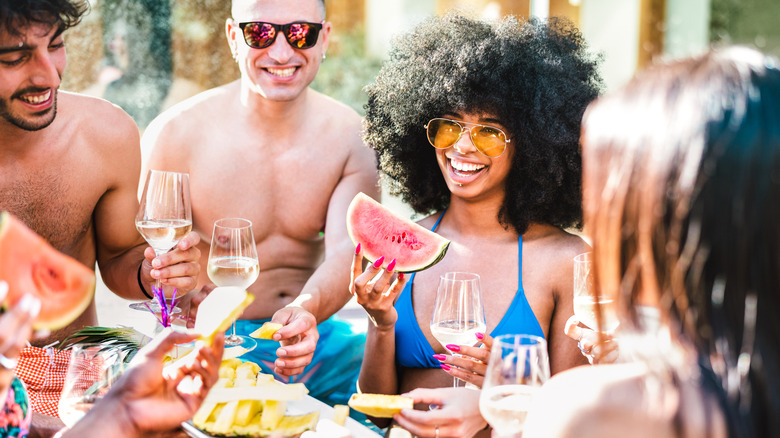
Imagine showing up to a restaurant in Honolulu. Hawaii's happiest city with world-class eats, dressed in your beachwear and dripping in saltwater. While it might seem perfectly acceptable given Hawaii is a beach destination, it's often considered unbecoming by locals in Hawaii. In fact, most restaurants have a dress code and you'll be refused if you're missing certain pieces of clothing. While Hawaii might be synonymous with laid-back living and beachside bliss, local culture takes a more modest view when it comes to dressing for the occasion. Particularly in public spaces like restaurants, keeping everything covered is greatly appreciated.
There are plenty of ways to dress for Hawaiian restaurants, or an outdoor luau, that still give off relaxed beachy vibes without flashing too much skin. Think flowy, light sundresses, easy-to-move-in linen sets, or tailored pants with a fun patterned shirt. Make sure to skip the bare feet and opt for comfortable sandals instead.
Asking for substitutions for local dishes
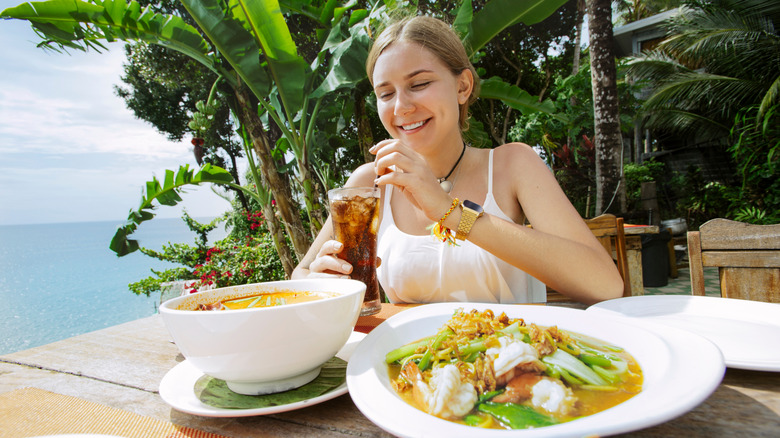
While it may be common to make menu substitutions based on preferences or allergies in your local restaurant, this is sometimes frowned upon in Hawaii. Onolicious Hawaii, a blog that covers local food, states that "Local food is not diet food." The blogger goes on to mention that locals love carbs and that salads aren't common in Hawaiian dishes, with the exception of traditional macaroni salad, of course.
To locals, asking for substitutions could disrupt what Hawaiians refer to as "the perfect bite," which combines flavors together in a perfect blend. The Hawaiian Plate Lunch is a perfect example of a traditional meal served the way it was intended to be served: two scoops of rice, one scoop of macaroni salad, and a meat served on, you guessed it, one plate. In Hawaii, traditional dishes are served as they always have been. As a traveler, you want to make sure you're not offending locals by changing up their beloved cuisine — and it doesn't hurt to just give it a try. Who knows, you might even discover your new favorite flavor combination.
Not accepting a lei if presented with one

At Hawaiian luaus, you're traditionally greeted with a beautiful lei. If you find yourself in a formal luau setting and are presented with these colorful, fragrant flower arrangements, it's best to graciously accept them to avoid coming across as rude or inconsiderate. In Hawaiian culture, the lei is much more than just a decorative flower necklace. It's a meaningful offering that signifies friendship, honor, respect, and a celebratory way of welcoming guests. For those who accept a lei, take a photograph, and then immediately remove it, the gesture may come across as ungrateful to your hosts. Using the lei as a photo-op is actually one of the nine rules that mainland tourists break within the first 10 minutes.
To be seen as a tourist that respects Hawaiian culture, it's best to bow slightly when receiving the lei, and never remove it in the presence of the person that gave it to you. Once you've left the luau, there is a proper way to dispose of the gift you've received during your dinner as well. Traditionally, the lei should be returned to the land, but if you'd rather keep it as a memento of your trip, this is the best thing to do with an old Hawaiian lei.
Misinterpreting the difference between locals and Hawaiian dishes
If there's one thing that will make you stand out as a tourist in a negative way, it's referring to everything as either "local" or "Hawaiian." Despite what tourists visiting the tropical archipelago may think, there is a major difference between the two terms, both when it comes to food and people. Referring to every dish placed before you as Hawaiian food or simply calling it local cuisine would be a mistake. The two terms used to describe the people of Hawaii are also very different from what tourists might assume are interchangeable labels.
Being Hawaiian is based around ancestry as well as ethnicity, whereas anyone who lives on or was born on the islands can be referred to as a local. That being said, just because you live on the island does not make you Hawaiian. When it comes to the food scene, traditional Hawaiian dishes — stemming from the Indigenous Kānaka ʻŌiwi people — are poi (a paste made from taro root), laulau (pork wrapped in taro leaves), and kalua pig, roasted in an underground oven and has a smoky flavor. All take the center stage at a traditional Hawaiian restaurant.
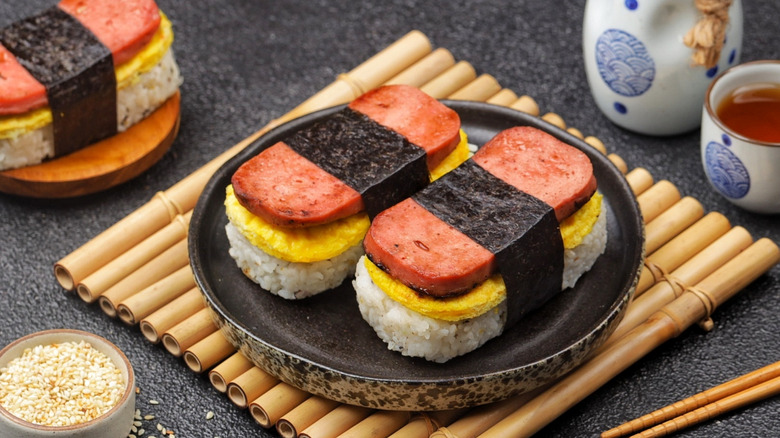
Local dishes are put into an entirely separate category. Spam musubi, for instance, is a piece of grilled spam set on top of a rectangular pressed chunk of rice wrapped in nori. Loco moco hails from Hilo, home to one of Hawaii's most walkable downtowns, and is a hamburger patty topped with a fried egg and doused in gravy, all sitting atop a pile of white rice.