
The 8 Cleanest Lakes In Virginia (That Aren't Smith Mountain)
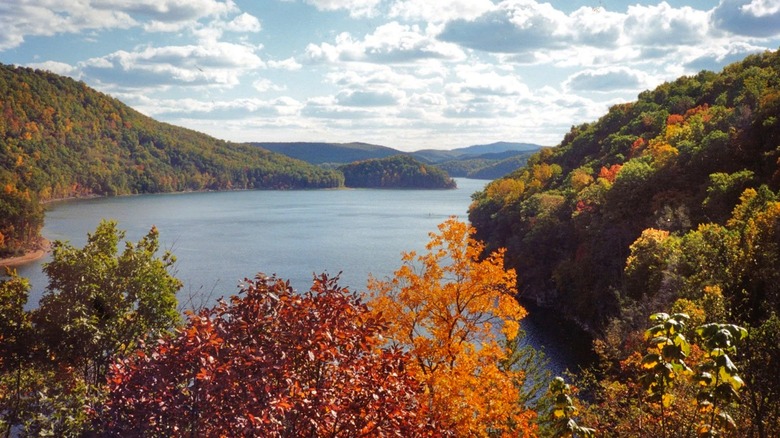
For a state with only two natural lakes, Virginia has a surprisingly impressive collection of places to enjoy a day on the water. Most of the Commonwealth's lakes are actually manmade, but you wouldn't necessarily suspect it from the surrounding scenery. While Smith Mountain often steals the spotlight, it's far from the only spot to take a dip, paddle a kayak, or catch a fish. But finding the cleanest lakes in Virginia isn't always easy. Fortunately, a handful of Virginia's lakes tell a different story, offering clean water and peaceful shorelines to Virginians and visitors alike.
There's more to clean water than being able to see your toes wiggling in the sand beneath you. Nutrients like phosphorus and nitrogen, how much oxygen is available, and the presence of bacteria, pathogens, or chemicals all influence a lake's overall water quality. It's a subtle science. That charming flock of geese leaves toxic droppings along their way. Otherworldly blue-green algae blooms kill fish as they decompose. Stormwater runoff can replenish lakes with water that looks crystal clear but harbors dangerous contaminants. On the other hand, natural processes like fallen leaves leaching harmless tannins may turn a lake brown while leaving its tea-colored water perfectly pristine.
Every spot featured in the roundup below is on LakeQuality's list of the Cleanest Lakes in Virginia, which relies on nutrient and algae measurements from the EPA Water Quality Portal. We skipped over arms, tributaries, creeks, and other monitored bodies of water that feed into Smith Mountain. Instead, you'll find an assortment of lakes from Tidewater to Appalachia. Sites are listed in order based on LakeQuality's analysis, from cleanest onward.
Philpott Lake
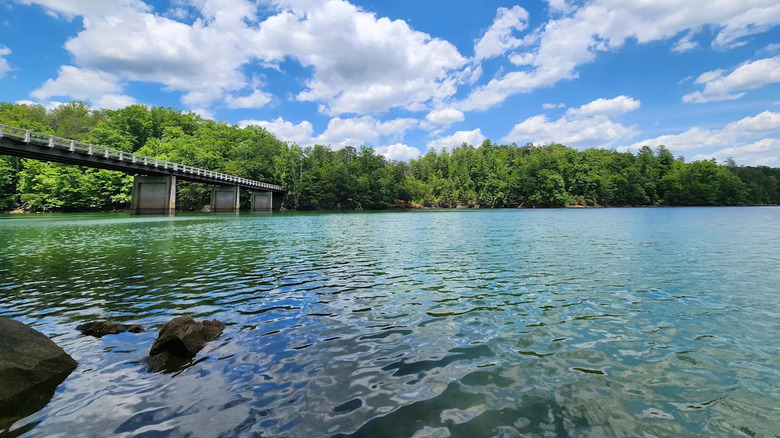
Spanning over 100 miles of scenic shoreline in the Blue Ridge Mountains, Philpott Lake sits an hour's drive south of Roanoke and just north of Fairy Stone, Virginia's mysterious state park with camping and fairytale folklore. While you may not find trolls under the lake's iconic Union Bridge, driving across it reveals panoramic views of vibrant turquoise water, thanks to minimal algae growth and over 10 feet of clarity. Goose Point Recreation Area is another popular spot at Philpott Lake thanks to its highly-rated campground, interpretive trail, and abundant wildlife.
Lake Moomaw
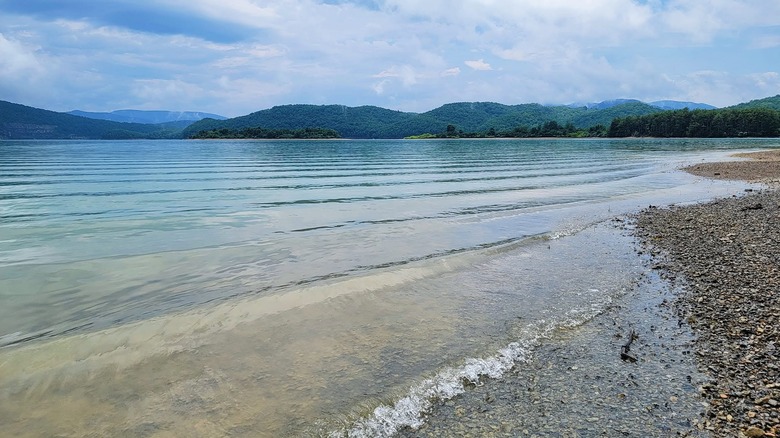
Located inside the George Washington and Jefferson National Forests, Lake Moomaw spans a glorious 2,530 acres. Its low nutrient and algae counts keep the blue-green water clear, creating ideal conditions for swim beaches, boating, and its two-story sport fishery design. In addition to ample campsites near the Bolar Mountain Recreation Area, visitors can embark on a moderately strenuous hike to pitch a tent overlooking the emerald water at Greenwood Point Campground, or take a 30-minute drive to the historic town of Hot Springs for fancier digs.
Hidden Valley Lake
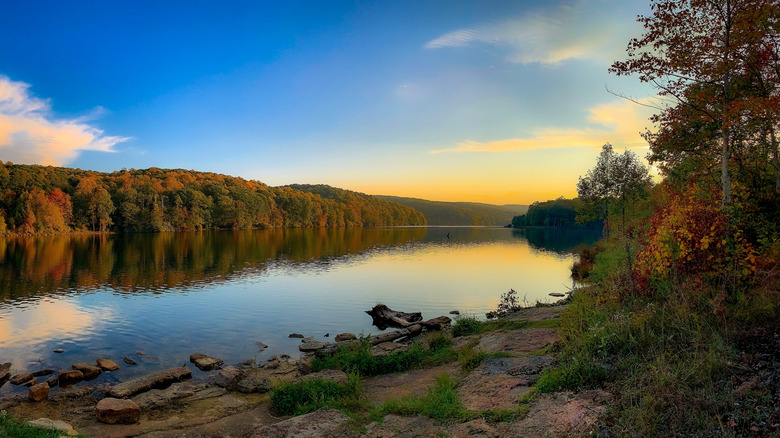
Located in southwest Virginia about 40 minutes from the twin cities of Bristol, Hidden Valley Lake gets its name honestly. Tucked away in the Appalachians' Brumley Mountain in Washington County, the 61-acre lake is surrounded by rugged hardwood forests in the largely undeveloped Hidden Valley Wildlife Management Area. This helps explain its low algae count, 9.7-foot clarity, and diverse fish population, which, according to the Virginia Department of Wildlife Resources, includes bass, bluegill, and black crappie. While open for fishing 24/7, only paddle or electric craft can launch from the lake's concrete ramp to help keep its placid waters clean.
Hunting Run Reservoir
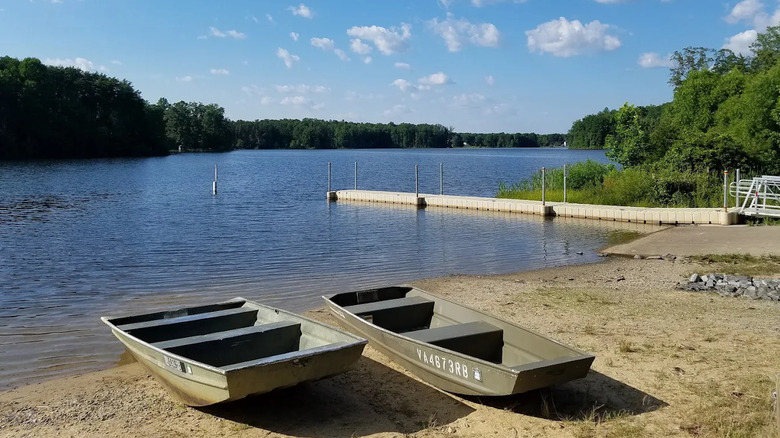
Hunting Run Reservoir may not be one of the best bass fishing spots in America, but it's still a favorite with hopeful anglers. Located 30 minutes west of Fredericksburg, the 430-acre lake is stocked with largemouth bass, which thrive in the sparkling Spotsylvania County water. While reeling in a dirty thirty is possible in this ultra-clean lake, clarity to a depth of 8.2 feet means that whether you opt to rent a boat for the day, launch your own craft, or cast from the ADA-accessible fishing pier, you'll need lighter lures and plenty of patience.
Laurel Bed Lake
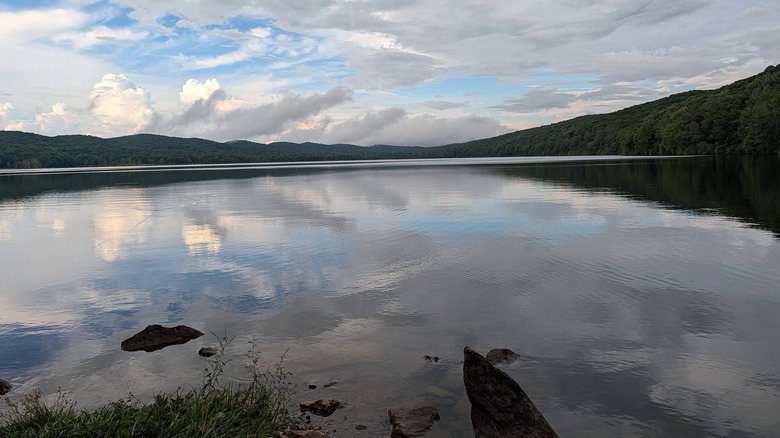
Visiting Laurel Bed Lake isn't for the faint of heart. First, you'll drive over an hour from Tazewell, the Appalachians' self-proclaimed "adventure tourism capital," to Clinch Mountain Wildlife Management Area. Then, you'll secure a daily access permit or hunting/fishing license from Virginia's Department of Wildlife Resources. Finally, you'll navigate a winding gravel road to reach the 330-acre lake, which is prized for its clear water and 9.8-foot clarity. Surrounded by spring-blooming rhododendrons and second-growth hemlock, Laurel Bed Lake offers opportunities for wildlife and birdwatching enthusiasts, who frequently spot beavers, bald eagles, and black bears–oh, my!
Carvins Cove Reservoir
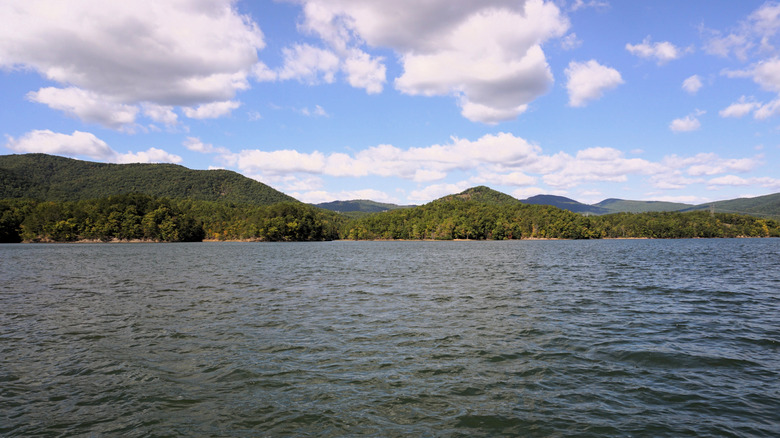
It's important to check local updates before making a trip to Virginia's cleanest lakes, since ones like Carvins Cove Reservoir can be significantly impacted during periods of drought. However, tucked inside a 12,500-acre nature preserve, the Roanoke-area watershed currently averages a clarity of 11.5 feet and stays virtually free of algae, according to LakeQuality. Although swimming isn't permitted, Carvins Cove is a popular place to explore on a stand-up paddleboard or a rented kayak. You can also unplug and enjoy the view by hiking, biking, or horseback riding along 60 miles of remote trails in the surrounding preserve.
Lee Hall Reservoir
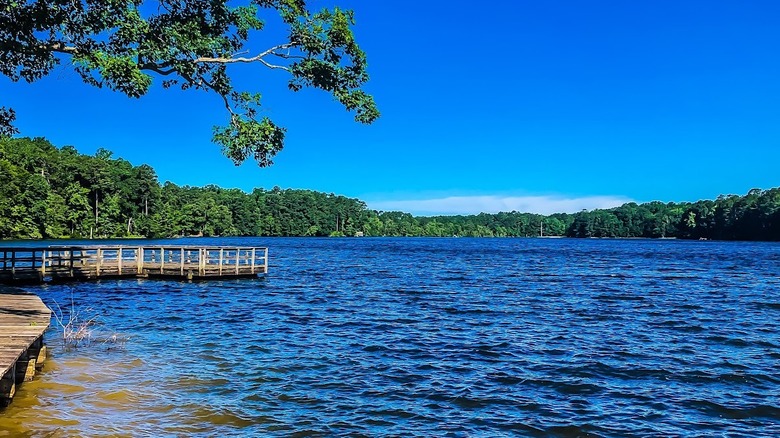
Owned by the City of Newport News and situated within an 8,000-acre city park that's among the largest you'll find in the country, Lee Hall Reservoir holds a 960-million-gallon municipal water supply. According to LakeQuality, the reservoir is a mesotrophic lake, which means its generally balanced nutrients support healthy wildlife without triggering heavy algae blooms. With playgrounds, disc and traditional golf courses, nature trails, and a highly rated discovery center nearby, spending a weekend in one of the park's 188 wooded campsites can make a visit to the shimmering spot feel a lot like summer camp.
Motts Run Reservoir
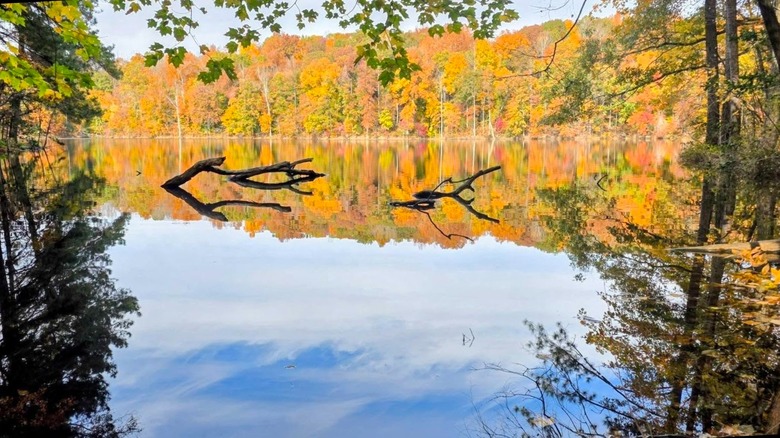
Surrounded by deciduous forests home to roosting owls and white-tailed deer, Motts Run Reservoir is a placid lake 7 miles west of Fredericksburg. While visitors can enjoy kayaking around clean water with 10.2 feet of visibility or hiking nearby trails from April through October, fall is when Motts Run really shines. According to the Virginia Department of Wildlife Resources, migratory waterfowl, including buffleheads and American wigeons, are likely visitors. Whether you plan to birdwatch, sightsee from the handicapped-accessible pier, or enjoy a simple picnic, plan your visit thoughtfully, as the reservoir is closed on Tuesday and Wednesday.