
Between St. Louis And Shawnee National Forest Is A Cozy Illinois Village With Tasty Eats And Affordable Living
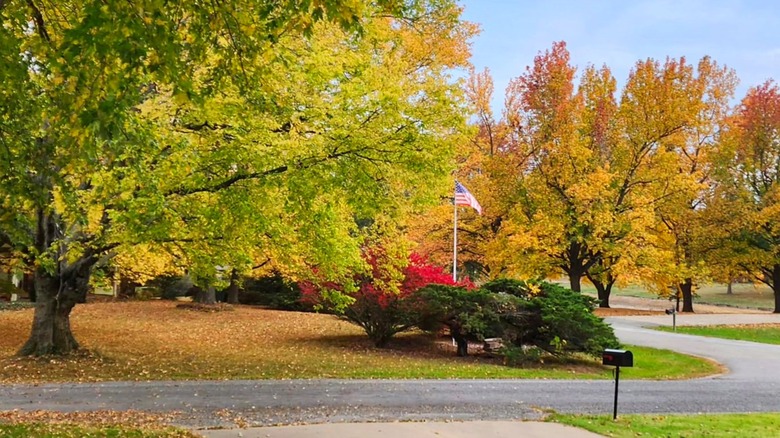
Over the past few years, the cost of living has skyrocketed. This year, the country is headed toward an annual inflation rate of about 4%, driven by food, energy, and housing cost increases, according to PBS News. If all of this has you looking for a cost-effective place to live in the U.S., there are some areas that may offer relief. For example, Steeleville, Illinois — located between metropolitan St. Louis, Missouri, and Illinois' scenic Shawnee National Forest — offers significant savings over other U.S. and Illinois cities.
Funds reportedly stretch further in Steeleville, a quaint village located in Randolph County with a population of just under 1,900. With housing prices around 15% lower than the national average, the residential area gets an A grade from Niche for cost of living, making it an ideal choice for those looking to save pennies.
Offering a rural, no-frills lifestyle, the village is home to a few churches, schools, a general store, post office, supermarket, casino, and a handful of local eateries. Meanwhile, there are opportunities for outdoor recreation in close proximity. Carbondale, a family-friendly getaway with lake fun, is only about 45 minutes away.
Affordable eats in Steeleville

Budget-friendly dining spots are dotted throughout the village, and luckily, food doesn't have to be fancy to be tasty. The Stubborn Mule, a local hotspot with games and live music, offers bang for your buck, serving guests pub fare like burgers, fries, and brews for about $10 to $20 per person. It's located just west of town on State Route 4 and is ranked the No. 1 restaurant in town on Tripadvisor. "The food's always hot and fresh. You get a good amount for not a lot of money," one visitor reviewed via Google Maps. A separate traveler agreed, raving over the hospitality. "Let me say first that the customer service there is beyond reproach," the Yelp user explained, adding, "This is a do not miss location on your trip if you're traveling across multiple states."
While Chicago is a must-visit for lovers of deep dish pizza, Steeleville's Godfather's Pizza Express is the place to go if you're craving a cheesy slice. Located inside Huck's Food and Fuel, it's known for its thick, topping-loaded takeaway pies. For Mexican cuisine, PJ's and El Paraiso on North Sparta Street are options with tacos, burritos, empanadas, tostadas, sandwiches, and other treats.
Steeleville's low-cost living and small-town vibes
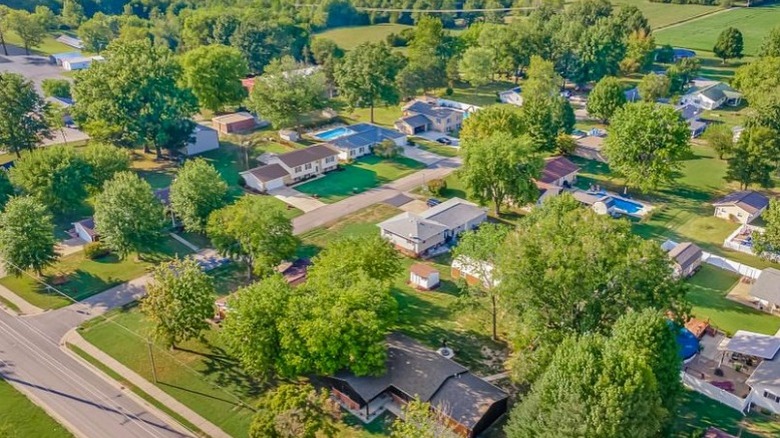
Prices of necessities like housing, food, childcare, transportation, healthcare, and taxes are 25% lower in Steeleville than the national average, according to BestPlaces. The median home price is reported to be around $150,000, far less than the U.S. average of $389,000, at the time of writing. The job market is also better than the national average, with an unemployment rate of 3%. Sitting in traffic for hours isn't commonplace, either; an average daily commute window of 16 minutes for those who travel into an office means saving both time and fuel.
A stark difference from a lively city vibe, Steeleville is likely best suited for those who prefer to keep a low profile and enjoy outings away from bustling crowds. The average age of residents in the village is 42, with about 23% of households having children under 18. The local bowling alley is a cost-effective entertainment idea, while free annual attractions like the Steeleville Small-Town Christmas Parade bring the community together for seasonal festivities. Those looking for more local events and things to do can check out the neighboring charming and scenic city of Chester, a short 18-minute drive away.
In Steeleville, there are four distinct seasons: hot summers with temperatures into the 90s, frigid and frosty winters with occasional snow, brisk autumn months with colorful fall foliage, and a mild but wet springtime that falls somewhere in between. If you're not a fan of rain, it may not be the place for you to settle down — per BestPlaces, the village gets about 7 inches more precipitation than the U.S. average.