
Is A Nonrefundable Hotel Rate Worth The Savings?

If you're tempted to book a nonrefundable hotel room to save some cash upfront, you'd better think again. The financial risk is very rarely worth the reward, for a host of reasons, including the fact that while you may be certain of your plans, the universe may not be. For example, if you held a nonrefundable plane ticket during the November 2026 nationwide Federal Aviation Administration ground stop, federal regulations require the airline to refund your ticket if your flight was canceled and you chose not to travel. However, there is no requirement for the hotel where you booked a nonrefundable room to do the same (some, but by no means all, major hotels did step up and offer cancellations to affected passengers). "I didn't realize booking a hotel was a casino bet," wrote one embittered Redditor dealing with the crisis when their Hotels.com booking could not be canceled, adding, "An act of God shouldn't be a windfall for the house."
Fair or not, those are the breaks. Other events outside your control that could cause you to miss a hotel reservation include a global pandemic, a natural disaster or, closer to home, the death of a loved one or an acute illness. According to the hotel price monitoring app Rate Ranger, non-refundable hotel reservations save travelers 5% to 15% off current rates. Compared to the relatively small savings you get for booking nonrefundable, it's hardly worth the risk. It takes one missed booking to wipe out years' worth of these small savings. If you book hotels four times per year, for example, missing one of those stays (assuming all four stays cost the same) would cost you 25% of your annual spend, immediately wiping out the value of the discount. Travel just twice per year, and the loss would be 50%. Once per year? You guessed it, you're taking a 100% loss for the year on the missed stay.
Why booking refundable hotel rooms is (almost) always best

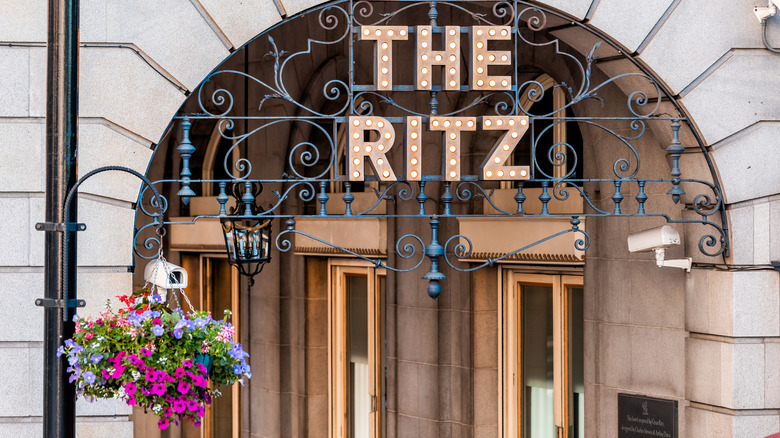
Sometimes, the savings to be had in booking a nonrefundable hotel room appear to be substantial, but remember, it's all relative. If you were reserving a room at the Ritz Carlton for a trip to the white sands of sunny Sarasota, Florida in December, you might find that (as of this writing) the nonrefundable rate for a room with a king bed is $574, while the refundable rate for the same room is $664. That's a $90 difference, which sounds like a lot, but is under 14%.
Don't be tempted to think of travel insurance as a way to hedge your nonrefundable bet. That's because trip cancellation is often one of the surprising things not covered by travel insurance. If you really need to book a nonrefundable room, make sure your travel insurance includes a Cancel for Any Reason (CFAR) upgrade. Even then, you are likely to be reimbursed just a portion of your trip, 50% to 75% according to TravelInsurance.com.
The one time when it might make sense to book a nonrefundable room is for immediately upcoming trips, when you're essentially already on your way to the hotel. Writes one Redditor, "We travel 4 days a week, 90 minutes from home, and if the weather is bad and I don't want to drive the small backroad highways home, I'll book a room a couple hours before I need it. Other than that, non-refundable is too risky."
Other ways to save on hotel rooms
There are better ways to save on hotel bookings than accepting a nonrefundable rate. Joining a loyalty program or using credit card points are just two simple hacks to get a more affordable hotel stay. Another little-known perk of your Costco or Sam's Club membership is that these function like a hidden travel club, with deep hotel discounts and other perks.
One way to save big with flexible bookings is by gaming the system with the help of AI. Hotels use AI-driven rate-shopping software to track the market and dynamically adjust their rates to fill the most rooms at the highest rates. The good news is that you can use AI, too, to track these maddeningly slippery prices and make sure you get the best deal. If you book a cancellable stay, a bevy of hotel price-tracking services, including Hotel Hops and Hotel Price Track, offer to track price fluctuations so you can rebook should a lower rate appear. The way it usually works is that they send you an alert, so you can rebook at the lower rate, then cancel the original, more expensive reservation. Hotel Hops told TechCrunch that users save an average of $62 per night using its service, which takes 10% of the savings for its trouble.