
The Best Islands In Europe To Retire To, According To Research
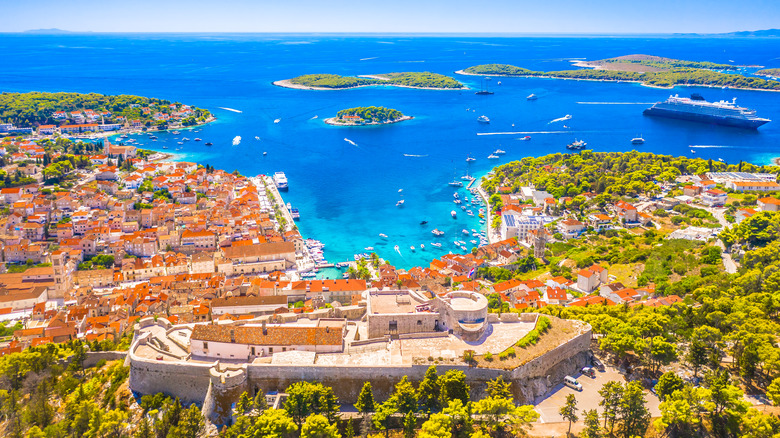
Retirement marks the beginning of a new chapter — a time to enjoy life without work, choose where you want to live, and embrace the lifestyle you've always wanted. For many retirees, the dream of island living combines natural beauty, rich history, favorable climates, and a slower pace of life. Europe's islands in particular offer a blend of accessibility, quality healthcare, storied history, and diverse lifestyles that make them ideal for the next chapter of life.
Europe is home to hundreds of islands, each with its own unique characteristics. From different activities to visa requirements to tax advantages and more, it can be hard to narrow down which island would be best for you. Here are the best islands in Europe to retire to, according to research.
Hvar, Croatia
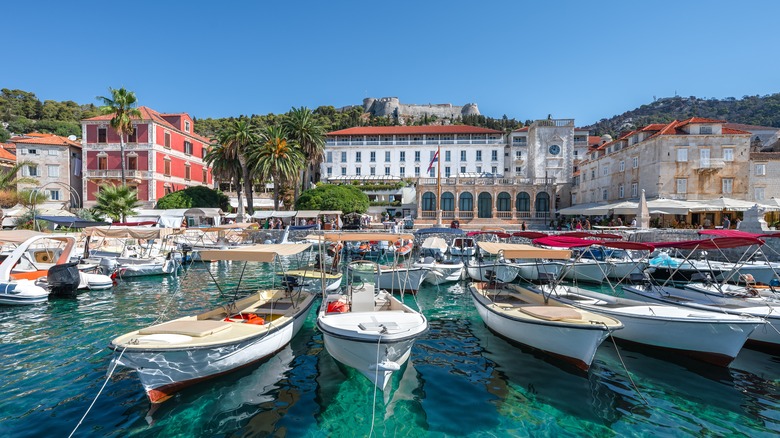
Hvar is right off the coast of Split, Croatia, nestled in the Adriatic Sea. Known as idyllic and peaceful among expats who've retired there, the island offers beautiful nature, a temperate Mediterranean climate, and a safe environment. It was considered one of the safest tourist spots in all of Dalmatia in 2024, as reported by Croatia Week. Croatia has a low cost of living and excellent, affordable health care as well. One resident told Total Croatia News, "The emergency health point just outside the town was always excellent. On the one occasion we needed to get our child to hospital urgently, the helicopter from Split arrived in 12 minutes, and 12 minutes later mother and child were at Split hospital. You could not get there quicker from many parts of Split itself."
Boating and sailing are particularly popular activities, with many docks on the island in Hvar town and the island's other town, Stari Grad. Hvar is also called the "Island of Lavender," and you can buy fresh incense, essential oils, scented soaps, and other lavender products. You can also relax on the beach, climb to the top and enjoy panoramic views from Hvar Fort, explore the town that's filled with boutiques, shops, and cafes, and sample locally made wines. The vineyards in Hvar outside of Stari Grad are a UNESCO-protected site, and several tour options let you explore Hvar's long winemaking tradition. There's even a one-of-a-kind underwater winery that offers an exclusive tasting experience with seafloor views. For nature lovers, there are plenty of hiking trails through Hvar's countryside that provide breathtaking views.
Hvar experiences two main seasons — a bustling summer and a quiet, laid-back winter. In the summer, celebrities like Prince Harry and Beyoncé have been known to visit the island on their yachts. In the off-season, some restaurants and shops reduce hours or close, making Hvar ideal for retirees who want a balance of lively summers and peaceful winters.
Crete, Greece
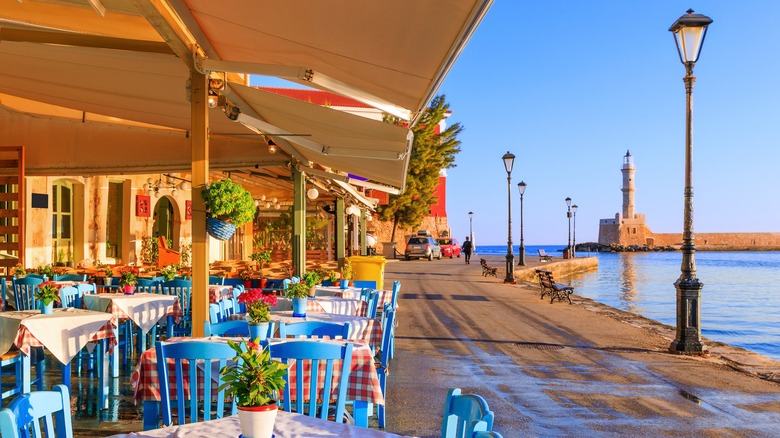
Crete is Greece's largest and most populous island, offering the quintessential idyllic getaway of sun, food, and beaches. It is renowned for its vibrant culture, rich history, Mediterranean diet, and exceptional weather. It has excellent infrastructure, healthcare, and resources, so even though it is an island, retirees won't feel limited or isolated.
The island has two international airports, multiple ferry connections, and a general hospital regarded as one of the best in Greece. Its relatively low cost of living, blended with ancient history, gorgeous views, and modern amenities, makes it an excellent choice for retirees.
Retirees can choose from several vibrant towns, including Heraklion, Chania, Rethymno, and Agios Nikolaos. The island is filled with ancient history to learn and buildings to visit, including the Palace of Knossos, Malia Palace, Gournia ruins, and many more. The island, which is located in the southeast Mediterranean Sea, has a temperate climate and plenty of beaches to spend time on hot summer days. Elafonissi Beach is famous for its pink sand, and Balos Lagoon is one of the most photographed places on the island. There's a famous 10-mile hike called Samaria Gorge, which takes people through Crete's White Mountains.
Crete consistently ranks as Greece's top island for retirement, thanks to its low crime rate — and most incidents that do occur are petty, like pickpocketing. Greece has a retirement visa for non-EU citizens, as long as you can show passive earnings of at least €3,500 (about $4,100) per month.
Malta
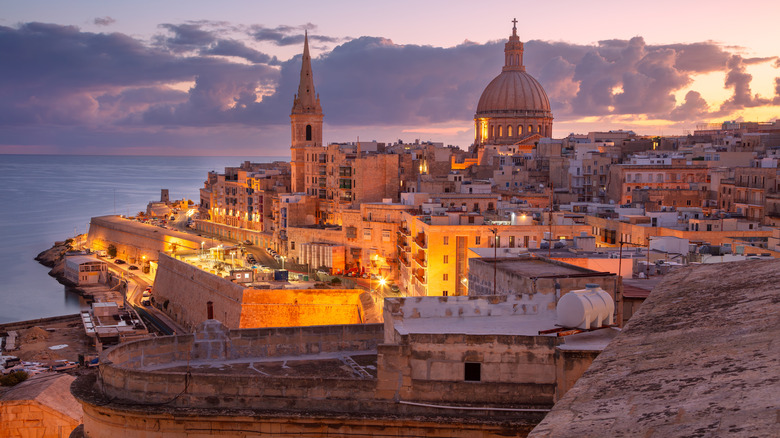
Malta is a beautiful five-island nation just off the coast of Italy, with gorgeous pebble beaches and perfect weather. It is known as one of the safest European countries, has an excellent climate, great healthcare, and a slower pace of life. In fact, it was just named the third best country to retire to in Europe by Global Citizen Solutions, a visa and relocation company. The country is largely English-speaking, offers favorable tax exemptions, and has things to do year-round — all under consistently beautiful weather.
Located between Italy and Libya, Malta's culture blends Mediterranean, Italian, and North African influences for a uniquely rich identity. There are several cities to choose from to live in, including the capital city of Valletta, Mellieha, Saint Julian's, and Sliema. History buffs can enjoy several ruins and tours focusing on Malta's interesting mix of cultures, from Mdina Old City to St. John's Co-Cathedral, Lascaris War Rooms, and the Mosta Rotunda. There are also plenty of nature activities, including relaxing on the beach, scuba diving or snorkeling, visiting the Blue Hole, or hiking along the Dingli Cliffs.
Malta is also one of the more affordable European islands for retirement. The average monthly expenses for a couple average around $2,000 to $3,500, and housing can cost around $150,000 to $1 million. Healthcare in Malta is both high-quality and affordable. There is a public healthcare system that is subsidized by the government and is free. There are also private healthcare plans available. The Malta Retirement Program offers residency specifically for retirees with a stable income. The country also has specific retirement housing, including Hilltop Gardens and Roseville.
Madeira, Portugal
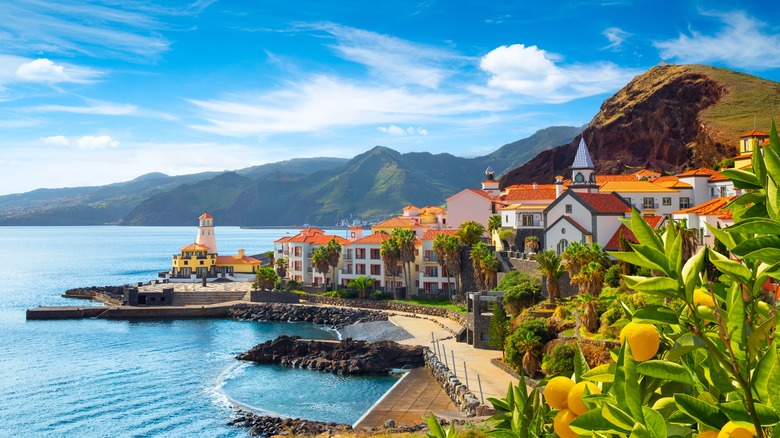
Madeira is a Portuguese archipelago of four islands off the coast of western Africa, known for its warm climate and its excellent wine. Nicknamed the "Island of Eternal Spring," Madeira enjoys year-round temperatures ranging from the low 60s to high 80s degrees Fahrenheit. Its winds help keep the temperature mild year-round, too. It has a reasonable cost of living, public transportation, access to hospitals, pharmacies, and clinics, and a thriving expat community.
Madeira wine is made from locally grown grapes on the islands, with each location contributing to different tastes and qualities. For example, Sercial, a white grape grown 1,000 meters above sea level, produces a dry and acidic wine, while Verdelho grapes, which are grown on a cooler part of the island, produce medium-dry to sweet wines. There are several wine tasting tour options, where retirees can visit vineyards, sample wines, and take some home. Beyond wine, there's no shortage of things to do — from sailing and hiking to exploring natural wonders like Porto Moniz, Fanal Forest, and the Cabo Girão Skywalk. Retirees can also hike to waterfalls, take food tours, or play a round on one of Madeira's two scenic golf courses.
Portugal has a D7 visa, otherwise known as a passive income visa, and does not have a minimum investment requirement. This allows retirees with a steady passive income to apply for residency. Once approved, they're eligible for free healthcare, social security, and other resident benefits. The medical system in Madeira is excellent, with many English-speaking doctors available.
Cyprus
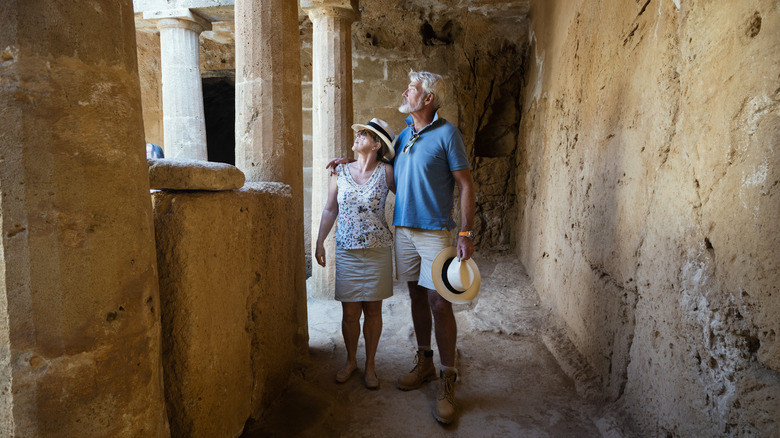
Cyprus is a small island nation off the coast of Turkey, nestled in the eastern Mediterranean Sea, offering a slower pace of life for an affordable price, year-round sunny weather, healthy food, and high-quality healthcare. It was on Global Citizen Solutions' list of best places to retire in Europe for all these factors and more.
The island gets 300 days of sun per year, and its pleasant weather means you can spend your time exploring its three UNESCO World Heritage Sites, tanning on the beach, touring archaeological sites, hiking the Troodos Mountains, or visiting ancient castles. Because it is in the Mediterranean, you can enjoy a really healthy and delicious diet, filled with fresh, mouth-watering ingredients.
English is widely spoken throughout Cyprus, making it easy for expats and retirees to adapt. The average cost of living ranges from around €2,000 to €2,800 (around $3,000) per month for couples, and though there is a national healthcare system, there are also private insurance options. Its tax system and lack of inheritance taxes also make it attractive to many retirees. There are also retirement communities that already exist, including Lazaris Mill Retirement Village, Cypress Park Retirement Village, the Cyprus Retirement Village in Geroskipou, and more.
Sardinia, Italy
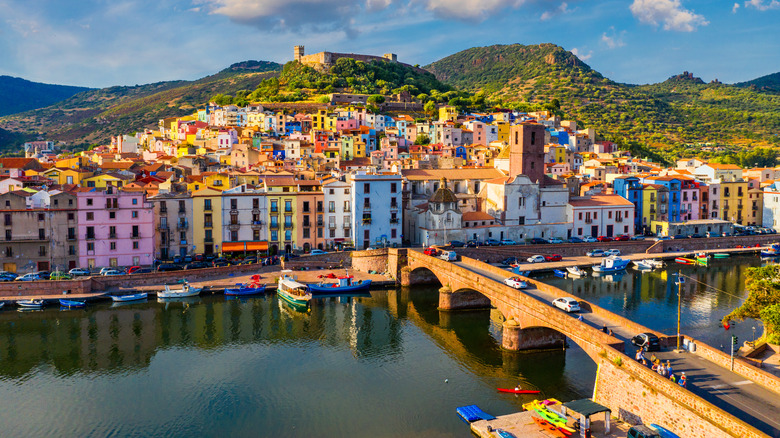
Sardinia is an island off the western coast of Italy with blue skies and seas, charming towns, interesting history, a Mediterranean climate, and endless nature. Nicknamed the "Caribbean of the Mediterranean," Sardinia is a top choice for retirees thanks to its moderate cost of living, incredible cuisine, and friendly locals — a sentiment echoed by many expats online.
Sardinia is known for its gorgeous beaches and blue waters. Boating and sailing are really popular, so you can invest in your own or take a boat tour around the island that takes you through national parks and private beaches. There are also ancient ruins to explore, like the nuraghi, stone structures that were made between 1800 and 500 B.C. There are also hikes around the island, multiple festivals year-round, caves to explore, and many places to bike. And of course, the food in Sardinia is not to be missed. Local street markets brim with fresh, locally grown fruits, vegetables, meats, and seafood. The island is known for its favorites, such as casca and pilau, as well as its extremely fresh seafood.
Logistically, Sardinia has many factors that make it a great retirement destination. It is well-connected, with three airports and multiple healthcare facilities. Both public and private healthcare options are available. There is also a tax benefit to moving to Sardinia. There is a 7% flat tax for pensioners receiving money from abroad. This flat tax can be used for nine consecutive years, making it very appealing to retirees.
Iceland
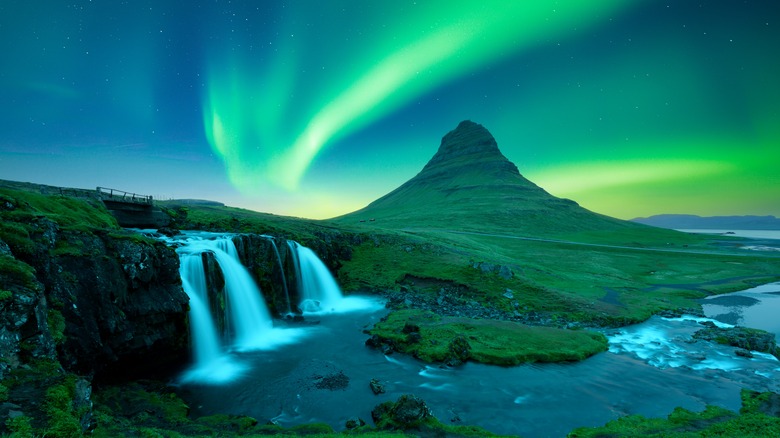
Iceland is a unique but wonderful place to retire in Europe. Though the weather may be cold for most of the year, the island offers an extremely high quality of life, stunning natural beauty, and universal healthcare. Iceland is known for being extremely safe, its phenomenal landscape, and rich culture. It has several cities to choose from, including its capital Reykjavik, Akureyri, Selfoss, Hafnarfjörður, and Kópavogur. Reykjavik also has several retirement communities that offer modern amenities and social gatherings for seniors. This island is a great option for retirees who don't like the heat and want to spend a lot of time in nature, and have the funds to live in Iceland.
Iceland is known for its rugged natural beauty, and you can visit places such as the Blue Lagoon, Seljalandsfoss waterfall, Thingvellir National Park, Strokkur geyser, Diamond Beach, and many more. You can also see the Northern Lights during certain times of year, go snorkeling between tectonic plates, hike up an active volcano, explore ice caves, go whale watching, and relax in a natural hot spring.
Iceland provides universal healthcare coverage after six months of residency. There are private healthcare options available for your first six months in the country and beyond that, if you choose to go that route. There are 12 hospitals and many smaller clinics and pharmacies throughout the country for all your medical needs.
Corfu, Greece
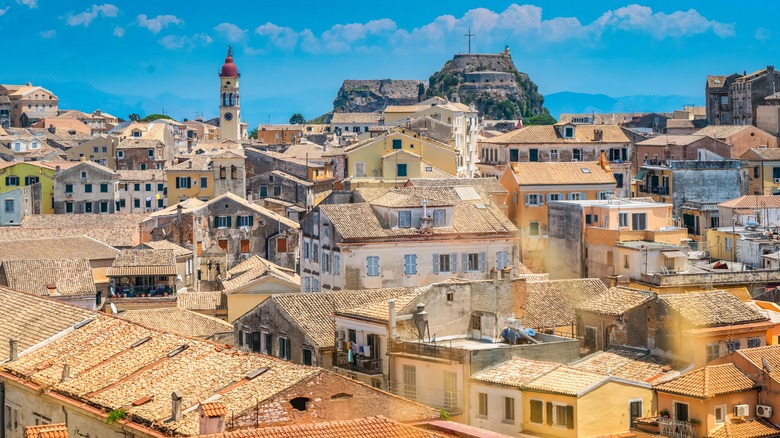
Corfu, Greece, is an island nestled between Greece and Italy in the Ionian Sea. It is filled with historic landmarks, beautiful villages, sunny weather, and delicious food. With both Italian and Greek influences, it blends culture and history in interesting ways that give retirees plenty to do for a happy retirement. Also known as Greece's "greenest island," it's a pristine paradise of dazzling beaches known for having a high quality of life while still being affordable, with plenty of people who speak English.
Corfu's blended history means it has many interesting sites to visit. The Old Town of Corfu City is a UNESCO World Heritage Site, and there are also the Achilleion Palace, the Mon Repos Estate, and the Angelokastro Castle. Corfu also has stunning nature, and retirees can enjoy hiking, biking, swimming, sailing, golfing, and more. Corfu is also home to fresh, healthy ingredients used in Greek dishes such as moussaka, souvlaki, gyros, and other favorites. Local specialties such as sofrito, pastitsada, and biano add a distinctive Corfiot flair.
Greece has a golden visa program, which means you can obtain residency by investing in real estate. Another option is the Financially Independent Person (FIP) visa, which requires a monthly income of at least €3,500 ($4,000) and residency in Greece for at least 183 days per year. There is a general hospital on the island, many pharmacies, and affordable healthcare options.
Sicily, Italy
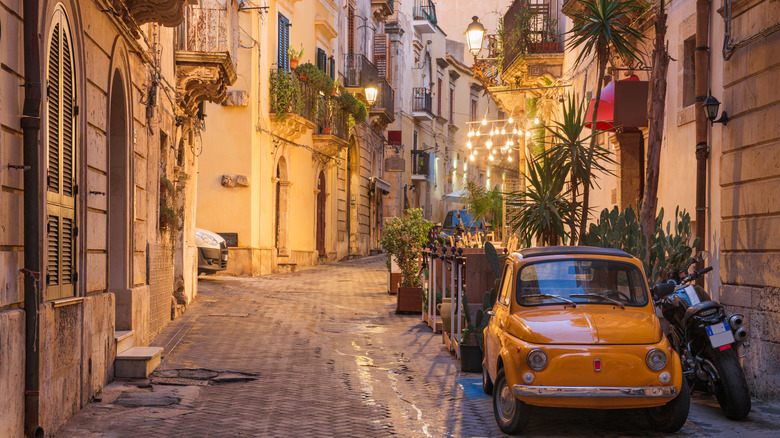
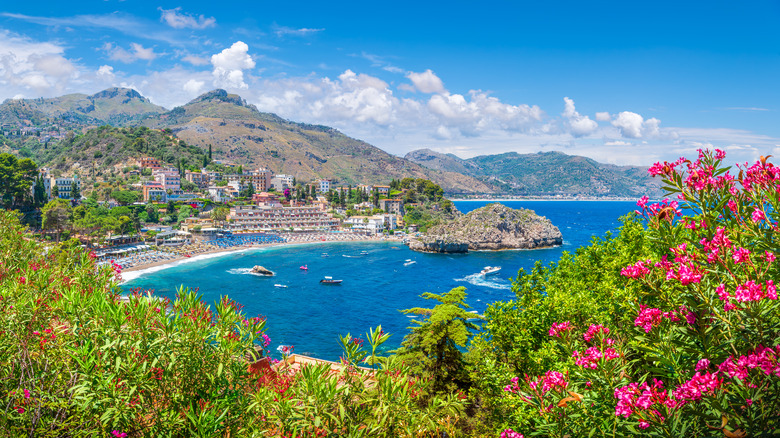
Sicily is a wonderful place to retire, due to its pleasant weather, cultural history, and fresh food. Retirees can choose from several charming towns as their home base, including Syracuse, Catania, Palermo, and Taormina. As the Mediterranean's largest island, Sicily offers endless things to do amid a colorful landscape where life moves at a slower pace and community ties remain strong.
The cost of living in Sicily is significantly lower than in mainland Italy. Retirees can choose to live in one of the island's charming towns filled with fresh markets, world-class restaurants, and things to do. History lovers can explore ancient ruins such as the Valle dei Templi, the Ancient Theatre of Taormina, and the Old Town of Ragusa. You can also visit Sicily's best beaches, restaurants, and try activities such as hiking and biking around the island. Sicily is also home to Mount Etna, one of Europe's oldest and most active volcanoes.
Italy has a residency visa that you can qualify for with an income of at least €31,000 ($35,000), as well as a golden visa that allows you to get residency if you invest €250,000 ($287,000). Italian healthcare is also excellent and consistently ranked among the best in Europe. At first, you'll need private health insurance, but after five years, you'll automatically be covered by their public insurance.
Mallorca, Spain
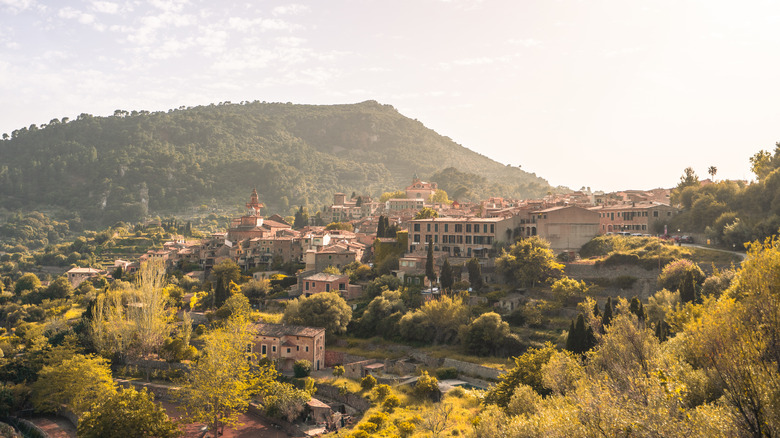
Mallorca, an island off the coast of Spain, is filled with natural beauty and lively cities for retirees to enjoy. With more than 300 days of sunshine, an affordable cost of living, and a thriving retiree and expat community, it's no wonder Mallorca has become one of Europe's top retirement destinations.
The island's infrastructure is exceptionally well developed, with excellent roads, reliable public transportation, and even an international airport to make it easier to visit friends and family. Palma, the capital city, is a sun-soaked haven of rich history and Mediterranean charm. It is filled with restaurants, shopping, cultural venues, and a historic old town. There are also coastal villages and mountain towns if you prefer a quieter lifestyle. Retirees can golf on one of the island's 24 courses, go hiking, sample locally made wine, enjoy fresh seafood, or simply relax on the beach.
The daily expenses of living in Mallorca are lower than many major cities throughout the United States and Europe, allowing retirees to enjoy more financial flexibility. On average, groceries can cost 20 to 40% less, rent is on average just over €1,000 ($1,148) per month for a two-bedroom apartment in Palma, and private health insurance averages around €120 to €180 per month for those ages 65 to 70. Public healthcare is available, and the hospital in Palma is considered one of the best in Spain. Private healthcare is also widely accessible, and Mallorca boasts a strong, welcoming retirement and expat community.
Isle of Man, U.K.
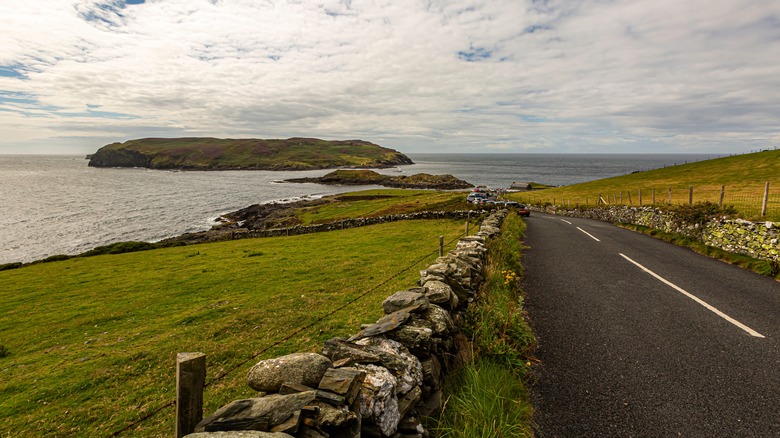
The Isle of Man is a unique place tucked between the United Kingdom and Northern Ireland that appeals to retirees who want a familiar culture, tax advantages, interesting history and traditions, and quaint towns. Its mix of British and Celtic culture, along with plenty of castles, a green, hilly countryside, and fantastic healthcare, makes the Isle of Man an appealing place for retirees.
The Isle of Man has a population of just 85,000 people and is extremely safe. Its favorable tax policies make it appealing for retirees, because it has lower income taxes than the U.K. and no inheritance tax to help maximize your retirement income. The island itself is well connected to the rest of Europe, with an airport, ferries, and public transportation. It has a national healthcare system similar to the U.K.'s that includes several hospitals and clinics throughout the island.
The Isle of Man has many things to do, including annual traditions and cultural events throughout the year. The Manx Museum and House of Manannan museums feature local history, including Viking exhibits. There are also several castles to tour to learn about their history. The island is also world-famous for its annual motorcycle race, the Isle of Man Tourist Trophy (TT). Held every May and June since 1907, the race takes place on public roads and attracts more than 40,000 visitors each year.
Methodology
To determine the best islands in Europe for retirement, we considered factors such as the cost of living, climate, access to healthcare, overall accessibility, retirement communities, and available activities for retirees. These islands are not listed in any particular order. To highlight Europe's geographic diversity, we included islands from across the continent rather than a single region.