
5 Of The Cleanest And Clearest Lakes In Tennessee With Pristine Water
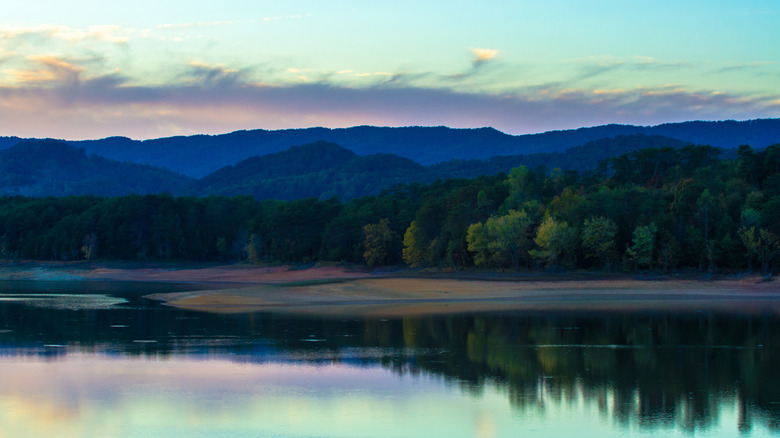
Home to plenty of mountains, large sections of the Appalachian Trail, tracts of deep woods, and a big chunk of America's most visited national park, Tennessee is an outdoor adventure paradise. The state also hosts around 540,000 acres of lakes, according to Tennessee Landforms, making it a dream destination for boaters and anglers. However, Tennessee's topography doesn't lend itself to natural lakes, so most of the region's more than 1,000 lakes are manmade.
Many of these lakes are strikingly beautiful, with clear blue waters that draw visitors from all over. Some are so clear that scuba divers flock to them to discover sunken towns, a haunting reminder of life before the lakes were created. To find the cleanest and most pristine lakes in the state, we looked at what other travel publications have already written, prioritizing lakes that have plenty of opportunities for outdoor recreation in the area, from boating and fishing to hiking and biking. For a fabulous getaway full of these unique sights, these are five of the cleanest and clearest lakes in Tennessee.
Norris Lake
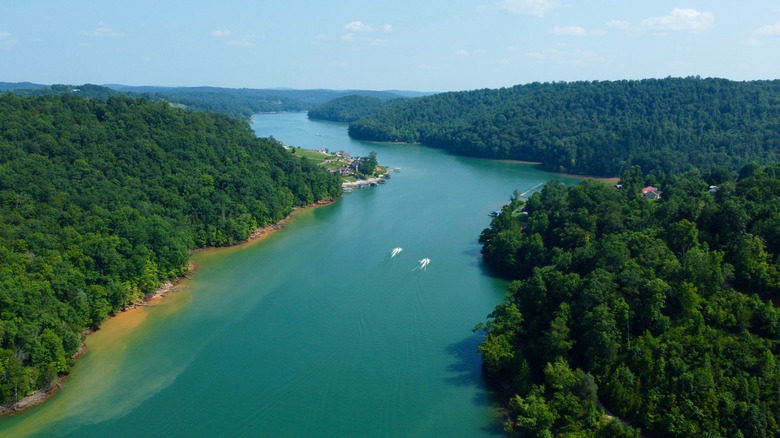
Located about 40 minutes north of Knoxville by car, Norris Lake is surrounded by limestone, which acts as a filter for impurities, and because of the depth of the lake, sediment typically sinks to the bottom instead of floating on the surface. The result is pristine, crystal-clear waters that are renowned for swimming. The lake is home to 22 marinas, with many offering pontoons or houseboats and powerboats for rent, according to the Norris Lake Marina Association.
Perhaps one of the best places to experience the lake is at the Norris Dam State Park, a 4,000-acre haven with hundreds of miles of shoreline. Visitors can bring their gear for primitive camping or RV hookups. For a little more comfort, the park has several styles of cabins available for rent. There are 19 historic wood cabins and a larger cottage dating back to the 1930s, when they were built by the Civilian Conservation Corps, or there are more modern three-bedroom cabins that are great for families, according to the Tennessee State Parks site.
Dale Hollow Lake
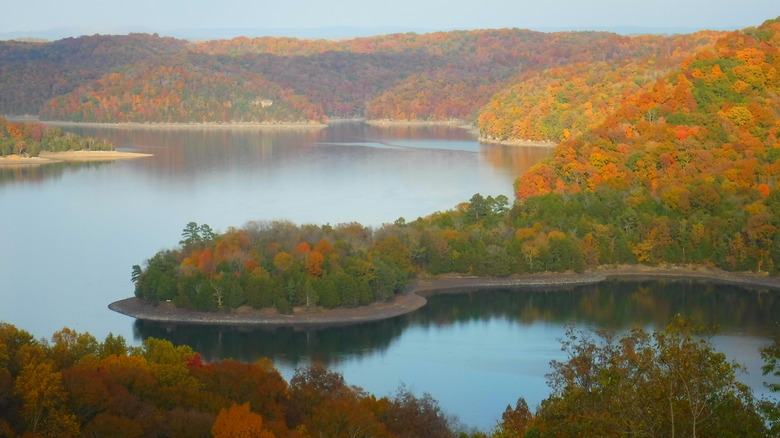
Perched along the Kentucky-Tennessee border is Dale Hollow Lake, known for having some of the South's best fishing, from trout and walleye to bass and catfish. The 27,000-acre lake provides 620 miles of shoreline and was created when the Dale Hollow Dam was completed in 1943. The town of Willow Grove was purchased and flooded to create the lake. Today, the waters are so clear that it's become an unexpected yet popular place for scuba divers. They can find the remains of a school building submerged on the bottom and search for other artifacts from the underwater ghost town. With depths of up to 130 feet, it's a good spot for beginner divers.
Dale Hollow Lake is located in the north-central section of Tennessee (about 50 minutes from Cookeville), and in addition to boating, fishing, and diving, visitors can go camping at several sites, including the campground at Dale Hollow Damsite (which has RV hookups) or primitive sites along the shores of the lake. Camping season here lasts from mid-April through October. The Lilydale Campground and Willow Grove Campground (named after the sunken town) also offer lakeside sites and amenities. Houseboat rentals, cabins, motels, and vacation rentals are also readily available in the area.
Center Hill Lake
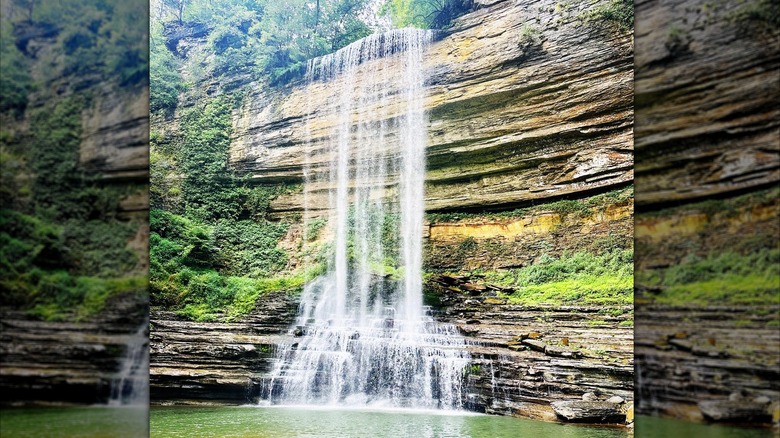
Sandwiched between Nashville and Knoxville is the 18,000-acre Center Hill Lake that was created in the 1940s with the completion of the Center Hill Dam and today draws visitors for boating, fishing, camping, and hiking. The U.S. Army Corps of Engineers monitors water quality throughout the Cumberland River Basin (which includes Center Hill Lake) to maintain high standards, and according to Tennessee Lakes and Rivers, Center Hill Lake is among the clearest lakes in the state for swimming. The shores of the lake are lined with waterfalls, including the 80-foot Fancher Falls, which can be accessed on guided kayaking tours. The lake can be as deep as 190 feet at the dam.
Canoeing or kayaking along the lakes' many inlets and coves makes for a fabulous day on the water, and power boat rentals are available at several marinas. Camping along the shoreline is a peaceful, rustic experience, and there are several backcountry sites, many of which are only accessible by boat. The nearby Edgar Evins State Park has 6,000 acres with primitive campsites, RV sites, and cabins, plus hiking trails and birding opportunities.
Cherokee Lake

Just outside of Knoxville is another gem, Cherokee Lake, an engineering project that began as a way to generate emergency power during World War II. The 28,780-acre lake has about 400 miles of shoreline and clear water for boating, swimming, and other watersports. The lake is also popular for sailing, and local sailing clubs offer lessons, nights on the lake, and more. It's a fantastic spot for anglers, too, who can hook at least five species of bass as well as walleye, rockfish, crappie, and catfish.
At the bottom of the lake are two sunken boats that make for an interesting scuba diving site. However, it can get murkier at the bottom, so bring a light. Average lake depth is about 50 feet, but Cherokee Lake can reach depths of 150 feet in some areas. Nearby, Panther Creek State Park is a top destination for visitors, with kayaking, over 30 miles of hiking and biking trails, and 50 campsites with electric hookups, grills, and hot showers. The Cherokee Dam Campground in Jefferson City is another lakefront jewel for tent and RV camping with sweeping views of the lake, plus a public boat launch. Panther Creek is open for camping from April through mid-October, while Cherokee Dam is open from mid-March to mid-November.
Watauga Lake
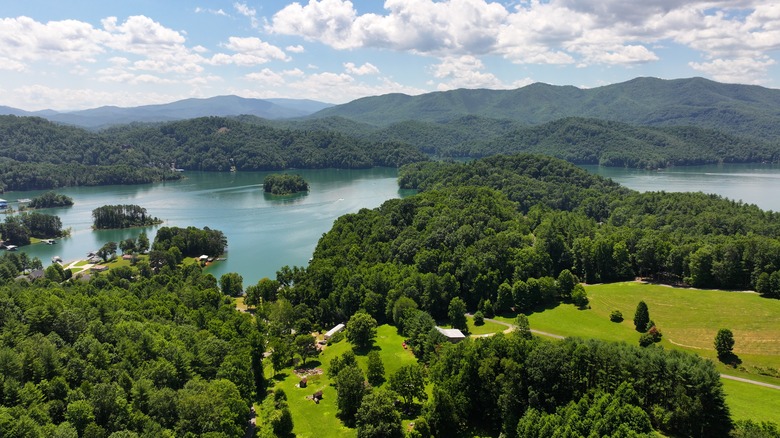
Hidden in the Appalachians and surrounded by majestic mountains is Watauga Lake, Tennessee's highest lake at an elevation of 1,959 feet above sea level, and it is a popular lake for sailboats. While there aren't sailboat rentals in the area, you can rent pontoons or paddle boats like kayaks from a few marinas on the lake, including Fish Springs Marina and Watauga Lakeshore. As one of Tennessee's managed reservoirs, the upper portion of Watauga Lake is fed by several creeks and rivers. (Note that it is not to be confused with Lake Watauga, a small urban lake in Nashville within the city's famous Centennial Park.) Located just east of Elizabethton, Watauga Lake has some developed areas for convenient lake access and a whole lot of remote backcountry shoreline, offering the best of both worlds. The undeveloped shoreline is part of the Cherokee National Forest, which helps to ensure the water quality. Visitors can camp under the stars at Cardens Bluff, go fishing for trout or bass, paddle kayaks or boats, and swim in the lake. You can also hike along trails like the Appalachian National Scenic Trail.
While Watauga Lake has historically been considered a clean lake, Hurricane Helene brought significant amounts of damage in 2024. Efforts have been underway to remove debris and restore fish habitats to the lake. As of fall 2025, regularly scheduled events, including the Bassmaster Classics, were back on the calendar.