
The Hands-Down 5 Windiest Cities In America
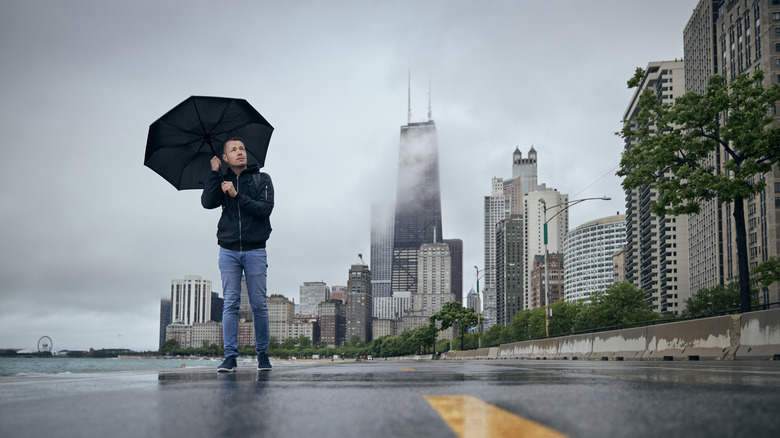
Think you know which place in America deserves the title of "Windy City"? Well, think again. Though the moniker is widely used to refer to Chicago, when it comes to average wind speed, the numbers tell a different story. There is no doubt the kaleidoscopic city by Lake Michigan, home to 77 vibrant neighborhoods packed with great eats and cool shops, is capable of packing a breeze. But with an average of just 10.3 mph, it doesn't even make the top 10 of windiest U.S. cities.
Ahead of Illinois' largest metropolis are cities that consistently score wind speeds of 11 mph and above (measured on an annual basis), from mountainous Wyoming and lake-encased Buffalo, to ocean-side Massachusetts. For this round-up, we focused only on average wind speed, so one-off wind events and storms have not been taken into consideration. We also focused primarily on medium-large cities (between 50,000 and 700,000 inhabitants).
We narrowed down the five windiest cities by following the U.S. Climate Normals data provided by NOAA's National Centers for Environmental Information (NCEI). As the statistics only cover the period from 1991 up to 2020, we supplemented our research with data from the past five years, including data from ClimateandWeather.net and Weather Spark. While some cities will generate very little surprise, a few with famed heat or even tropical conditions may just sweep you off your feet.
Cheyenne, Wyoming

From its location on a high-elevation plateau, Cheyenne is an ideal candidate for windy spells. Indeed, its annual average wind speed of 14.6 mph puts it right at the top of the windiest U.S. cities. The largest city in Wyoming, Cheyenne has a rich history tied to "Old West" traditions and the cattle ranching and railroad industries, key cultural staples that survive today in the city's heritage. You can learn more about Old West heritage at the Wyoming State Museum, or relive the olden days by visiting the Cheyenne Frontier Days Old West Museum, the world's largest outdoor rodeo, and a great historic attraction celebrating the Wild West.
Savvy Cheyenneites have come up with a solution to make the most of their windy corner in Southeast Wyoming, by harnessing the wind power to generate electricity. Not only is eolic energy one of the fastest growing sources of renewable energy in the U.S., in Wyoming it is the second largest electricity source. It supplies houses, businesses, and farms with nearly 10 million mega-watt hours of electricity in 2022 alone.
Though avoiding the wind altogether may be difficult, you can still enjoy pleasant, warm days in Cheyenne in spring and fall. If you visit during summer, you are spoiled for choice for local events — including the Hell on Wheels Rodeo if you want to catch a typical rodeo.
Amarillo, Texas
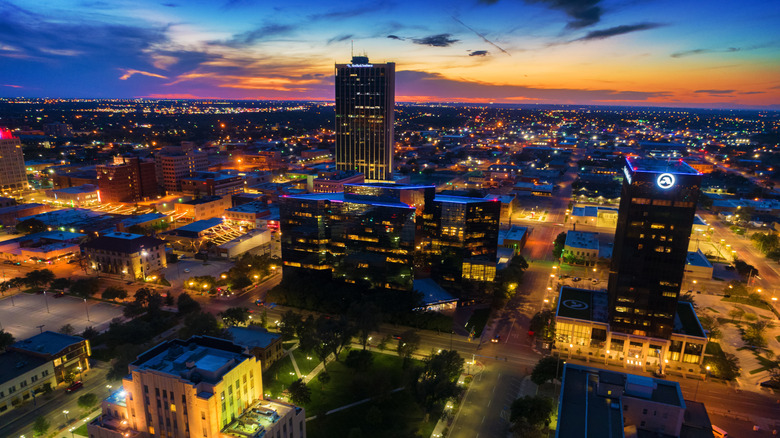
Proof that everything is bigger in Texas, Amarillo is the windiest city in the state and the second windiest in America, according to the NOAA Climate Normals. The "Yellow City" in the Texas Panhandle boasts an annual wind speed average of 13.6 mph. Amarillo is not alone in the region: other cities in the Panhandle are just a few spots behind in the top windiest spots in the country. And indeed, this Texas region, known for its canyons, ranches, and beautiful wild nature, is one of the windiest in the entire U.S.
This climate phenomenon is due to this tongue of land being located in a low-pressure area of the Rockies, and its relative lack of tall trees and flatness makes it an ideal wind-swept playground. With quirky Route 66 stops, scenic canyons, and amusement parks galore, Texas' largest panhandle city of Amarillo is well worth a visit. If you want to avoid strong winds, the best season to visit is between July and October, in which wind speed remains between 12.7 and 12.9 mph. Alternatively, if you want to brave the South-Western gales, March to May are the windiest with peaks of 15.5 mph.
Oklahoma City, Oklahoma
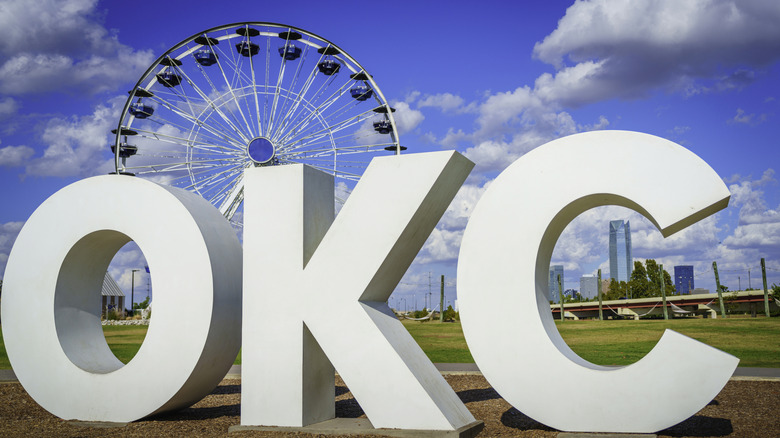
Oklahoma is notorious for its position within the Tornado Alley, with an average of 53 tornadoes per year recorded since 1950. But when it comes to wind, there is a silver lining that comes with the cloud. Rather than sweeping the land with freezing winds, as is the case with northern cities like Buffalo and Chicago, the breeze in Oklahoma blows from the south during all seasons, and as it brings air from the Gulf, it actually helps moderate heat.
Still, an average wind speed of 12.8 mph makes Oklahoma City one of the windiest cities in America. In winter, that often comes with cold sleet, hail, and infrequently snow. And early spring is tornado season, bringing humidity in its wake. So if you want to visit OKC with its entertainment district, good shopping, and historic streets, or even head further afield to explore the enchanting Mesas and natural trails of Oklahoma's Gloss Mountain State Park, the best times to go are late spring and fall.
OKC is home to a myriad of different experiences, from top cultural hubs to memorials and gardens. Explore the National Cowboy & Western Heritage Museum to immerse yourself in the tales of the West in the heart of OKC, or head to the First Americans Museum to delve into the history of 39 nationally recognised native nations in the state of Oklahoma.
Boston, Massachusetts
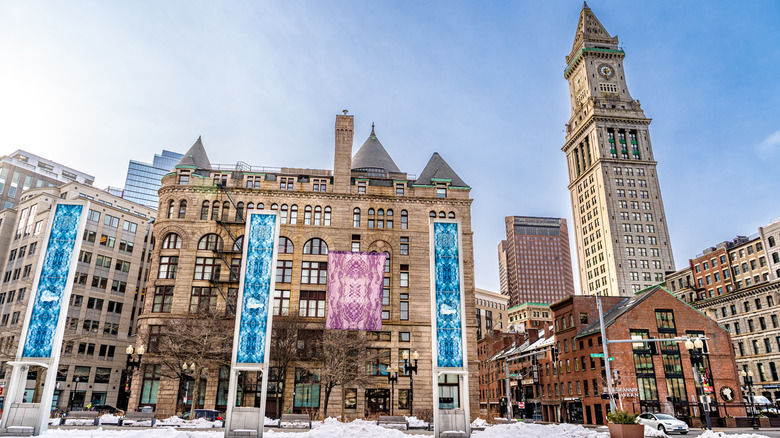
If you've been to New England, you are probably familiar with the dreaded nor'easters, the cataclysmic storms blowing from the Atlantic that bring snow, rain, and strong winds into the region. While these weather events strike occasionally, the capital of Massachusetts has a regular supply of wind outside of the stormy days.
In fact, Boston regularly appears in the top three windiest cities in America. Its oceanic location and position in the way of nor'easters make it a fertile ground for cold spells. When it comes to average wind speed, it scores a modest 12.3 mph, which puts it behind the likes of Amarillo, Cheyenne, and a few other small urban locations, but at the very top when it comes to large cities.
Luckily, wind in Boston is a seasonal thing. While there is no way to avoid it with 100% certainty, if you want to enjoy the city at its least windy, the best time to visit is July. Compared to the strong 9 mph of February, which is the windiest month, summertime, and July in particular, pack only a breeze of about 5 mph. However, it's worht battling through the winds to explore the iconic city and its many landmarks, including the historic downtown with Freedom Trail highlights such as Faneuil Hall, known as the "Cradle of Liberty", and its adjacent Marketplace.
Buffalo, New York
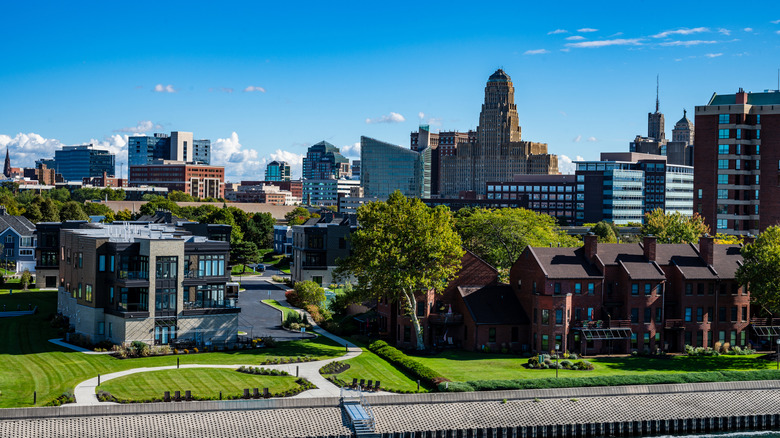
Buffalo may not share the title of coldest city in the U.S. (that's Fairbanks, Alaska), but it sure does get cold in the depths of New York State. Even when the "Queen City of the Lakes" doesn't top the charts for snow and low temperatures, Buffalo is blessed with winds as strong as 11.8 mph on average. And indeed, where the wind goes, the freeze follows –- with lakes around Buffalo freezing or thawing according to their positioning in relation to the wind.
Still, this border location has heaps to offer year-round, from functioning as one of the gates to the Niagara Falls to boasting a buzzing waterfront, botanical gardens, and heaps of museums. Make sure you plan a visit to the AKG Art Museum (formerly Albright-Knox Gallery), with its contemporary exhibitions and $230 million renovation earning it a spot in TIME's list of greatest places in the world just last year.
If you want to avoid the cold gales, the best time to visit Buffalo is between summer and early fall. During this time, you can make the most of sunshine without having to worry about stormy weather and cold spells. If you want to avoid the other extreme –- think heat, humidity, and bugs –- opt to go in late summer rather than peak (June and July), and just before the first cold creeps in right between October and November.
Methodology
To come up with this article, we used "windy" as a term to refer to a climate average affecting speed on an annual basis. For the purpose of average speed, we singled out unrelated or unusual weather events, including those that occurred over the past twelve months.
We used the U.S. Climate Normals provided by NOAA's National Centers for Environmental Information (NCEI) covering the period from 1991 to 2020. In addition to NOAA's results, we backed up our research with reports from ClimateandWeather.net and Weather Spark. Official U.S. normals are calculated over a period of 30 years, taking into account annual and seasonal averages and other climate variables.
NOAA's data is connected to the ASOS program, which gathers surface level observation and aids the aviation sector, among others. The data is gathered from about 15,000 weather stations across the U.S., in this case, airport stations close to major cities, such as Boston Logan Airport and Cheyenne Regional, to name a few. To determine the top five cities, we put an emphasis on medium-large cities (between ~50,000 and ~700,000 inhabitants).