
Unwritten Rules You Should Know Before Visiting Las Vegas
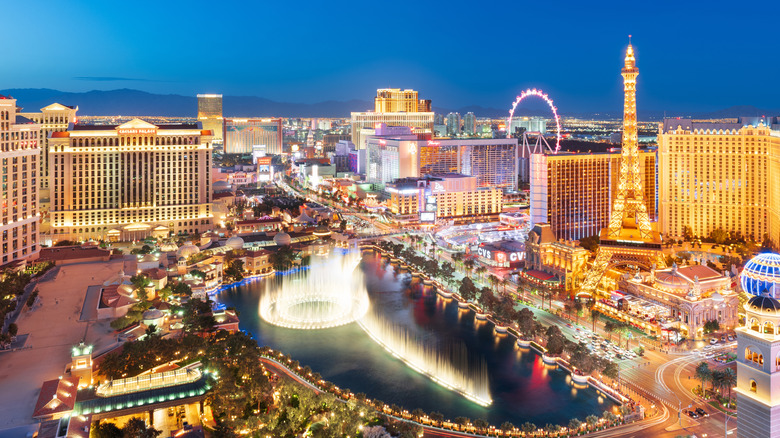
A place nicknamed Sin City doesn't sound like it would demand much in the way of cultural etiquette. But a Las Vegas trip, despite its seedier associations, requires far more nuance than many visitors expect.
With more than 40 million people arriving at the Strip each year, Las Vegas ranks alongside global tourism heavyweights like New York, Los Angeles, Miami, and Orlando. But unlike the first three — often romanticized cities where locals are as much a part of the experience as the landmarks — Vegas is widely treated as a place to get in, get your fill, and get out, with little consideration for anything beyond the attractions. Orlando's theme park reputation creates a similar illusion: that there isn't really a city beyond the spectacle.
But Las Vegas is a destination in its own right. It's a city where people live and work, and it deserves a level of respect that often goes overlooked. More than that, it isn't the no-holds-barred adult fairground that decades of films, television, and bachelor parties have made it out to be. There are rules to heed, etiquette to follow, and locals who care deeply about their home. Follow these unwritten rules before you visit — and help keep Las Vegas classy for the long haul.
What happens in Vegas still has consequences
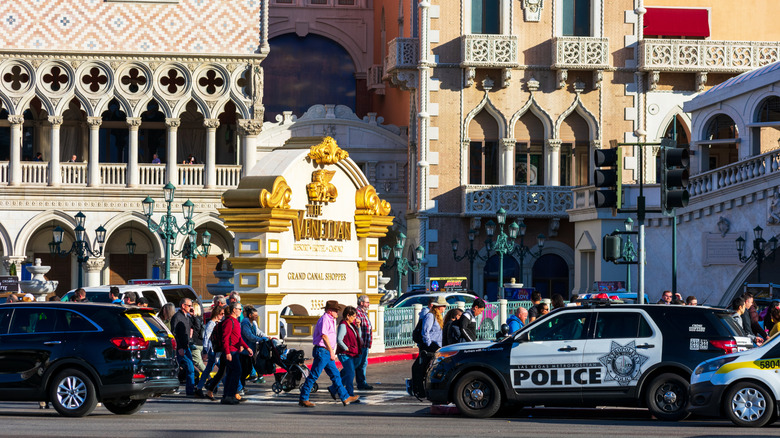
"What happens in Vegas, stays in Vegas", right? Maybe not so much. While it's true that the city's been tied to vice since its early days as a lawless railway stopover, the infamous phrase was only coined in the early 2000s. Since then, it's been the morally bankrupt battle cry of countless bachelor parties and boys' weekends, instilling the concept that anything goes in Sin City.
In reality, that couldn't be further from the truth. In fact, Vegas tourism boards have been actively fighting against the slogan, trying to shift the city's reputation to that of a unique, family-friendly, all-around destination. But even before the marketing efforts, the city's supposed "no-limits" atmosphere was a misconception, and those not behaving sensibly could quickly find themselves in trouble — just look at the number of lawyer ads lining the roads.
It's easy to get caught up in the feeling that anything goes, but there are always limits. It's vital to grasp that the city functions under law, like anywhere else. Casinos employ security teams to deal with bad behavior, police patrol the Strip, and authorities make ongoing efforts to crack down on antisocial conduct. You can have an amazing time and let loose, but don't let poor judgment — or a belief that there are no limits — land you in trouble. And please remember: Getting married in one of those silly chapels still counts as a legal marriage.
Don't walk the strip like it's a short distance

Moving away from the controversial side of Vegas, there are a ton of practicalities to take into account during your visit. You might think navigation and timing will be simple here. The bulk of the city's draws sit along a single road after all. Yet one of the most surprising realizations for first-timers is the sheer length of the main Strip.
Running roughly from the Mandalay Bay in the south to the Strat in the north, the Strip spans about 4.3 miles. It's a natural knee-jerk reaction for first-timers to head out and explore, expecting to stumble upon the iconic sign or any number of the city's attractions, only to find themselves in a four-hour pavement-pounding hike in the Nevada sun. While some free roaming can lead to unexpected gems, it's wise to check where your bucket-list stops are located before heading out on an aimless walk.
Getting around can cause a bit of a dilemma. Uber and Lyft are widely available, and they are the simplest option. However, because pickups are limited to designated hotel and casino zones, be prepared to wait during busier times of day. Buses are the cheapest way to get around on your Vegas vacation, with free and cheap options that run the length of the Strip with multiple stops, along with a tram system operating behind hotel rows. These all have mixed reviews: Some travelers praise the affordability of buses but criticize their speed, while trams often require additional walking and come at a higher cost.
Casinos are designed to confuse you

If you're a complete gambling novice, your first casino visit anywhere might be a little overwhelming. In Vegas, that feeling is multiplied tenfold. These sprawling centers, mainly attached to resorts, are the primary draw for millions of Vegas tourists, and run 24/7, 365 days a year.
They're an assault on the senses. From the incessant jangle of slot machines and the anticipatory clack of roulette balls, to the frenetic energy of recent winners and groans of disappointed losers, a lot is happening at once. Being hit with a wall of cigarette smoke is a novel feeling these days, too. But that's just part of the atmosphere. You're also battling a business that wants to keep you trapped in its clutches and has been designed to do so.
Signage is kept to a minimum, machines are placed to hide the already hard-to-find exits and bathrooms, and routes across the floor are purposely designed like labyrinths. Newer casinos have adapted from the older maze model to more visually appealing formats that draw the eye and encourage players. Slot machines, in particular, are a huge draw these days, accounting for as much as 71% of a casino's earnings, so you can expect many paths through the casino floor to pass many of them. To counter the psychology, learn where things are before the drinks start flowing, and try to decide what you want to play before you go. That way, you can hone in on the specific games and sidestep some of the sneakier marketing tactics.
Drinks are free, but not actually free

What's the adage? "There's no such thing as a free lunch." Well, in Vegas, there's no such thing as a free drink, either. Many of the casinos in Las Vegas offer complimentary alcoholic drinks while you're gambling. This is relatively unheard of in any other setting, except for a prepaid all-inclusive hotel, and makes it an exciting prospect for many visitors.
But there are some pretty specific caveats. First, the drinks aren't guaranteed and certainly aren't unlimited. Any establishment has the right to deny you service at any time for reasons its staff deems appropriate. Second, you need to be gambling steadily. If you're throwing a couple of blackjack hands, then sitting back, don't expect regular service. Third, you need to tip your server. The widely accepted etiquette for this is to give $5 to kick the service off, and then at least $1 for every drink that arrives thereafter. It's reasonable to assume that tipping more generously can lead to faster service — and sometimes stronger pours.
But at its core, remember that this is still a tactic to keep you in that seat. More than that, it's keeping you in that seat with steadily diminishing decision-making powers. People who drink while gambling have been shown to bet more, stay longer, and use higher-risk strategies than their sober counterparts. Free drinks aren't really free if you lose $500 at the table.
Time basically doesn't exist (but your money does)
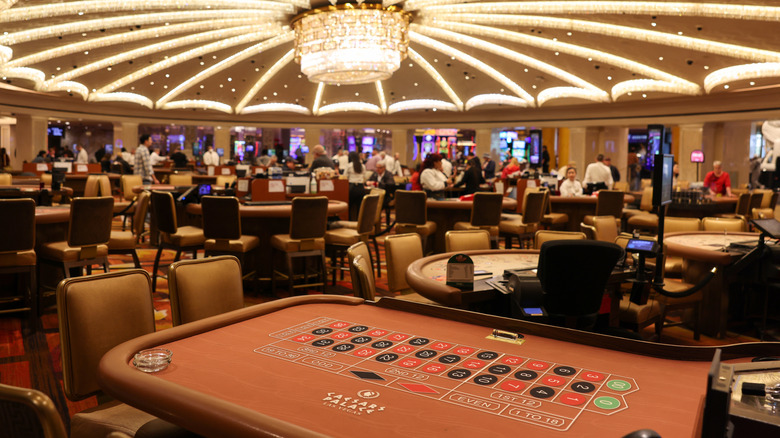
Vegas runs on a different clock. Wander across the gambling floor at 3 a.m., and it'll be almost indistinguishable from 3 p.m. Many casinos are built with no windows and no clocks to help create the illusion of a timeless bubble. You could have been there for an hour, or maybe it was six? It's impossible to tell.
Everything in the casino experience is engineered to keep you there, from complimentary drinks and maze-like layouts to cold temperatures, loud music, and even signature scents — some studies suggest revenue increased by as much as 48% after scent changes. Nothing you encounter in a casino is an accident, and acknowledging that is the best way to deal with it. But beyond that, it's vital to remember that while it may feel like a dreamworld, the money you're spending is most definitely real.
Take steps to counter the allure. Set alarms on your phone to keep tabs on the time. Drink water regularly to avoid dehydration and getting too intoxicated. Step outside and get some sunlight. Prioritize sleep. Don't forget to eat. These everyday habits can easily unravel inside a casino's distorted sense of reality. Taking control of that is the best way to keep yourself from making decisions you'll regret.
Not everything is on the Strip

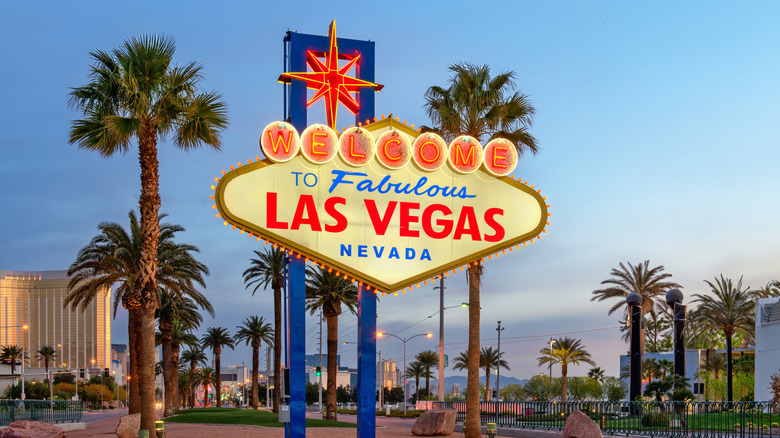
A Las Vegas visit can easily be one of the most insular trips you ever take. With a hotel attached to the casino, and an unfathomable amount of bars and clubs within spitting distance of each one, you may rarely stray beyond a radius of a few hundred meters. Even those who purposely head out might only make it as far as the Las Vegas sign or The Strat.
That's one of the city's great injustices. There are plenty of ways to have fun in Las Vegas without ever setting foot in a casino. While museums might not be top of the agenda, there are some truly unique options for interested travelers. The Neon Museum is a highlight, effectively a graveyard for Vegas businesses of yesteryear, while the Mob Museum and Atomic Testing Museum explore some Vegas niches.
Venture a little farther out and you'll find a wealth of outdoor pursuits, like the epically named Valley of Fire State Park and Red Rock Canyon, and the engineering marvel that is the Hoover Dam. Back in the city, Fremont Street is one of the best free attractions in America and offers a rare piece of history and a dramatically different vibe from the Strip. If you still need a gambling fix, the Aliante Hotel and Casino is one of the best casinos away from the Vegas Strip.
The heat is more dangerous than it looks

As you've now discovered, there is more to Las Vegas than its casinos and coveted Strip. We hope you're a little more intrepid than the average tourist and take advantage of all the city has to offer, but it's equally important you keep on top of the often brutal conditions outside.
The city's desert location means daytime temperatures can soar. Summer afternoons can regularly reach a staggering 120 degrees Faranheit, with average highs hovering above 105 degrees for many years. Even in winter, it's possible to scrape into the 80- to 90-degree range. Moving from a well-air-conditioned casino, resort, or restaurant to this can be a tough switch, especially if alcohol has been involved. Staying hydrated is essential — even inside casinos — and long walks during midday should be avoided in warmer months. If the warning wasn't clear enough, almost 300 people have died from heat-related issues in Vegas in 2025.
But it gets worse. Desert climates are notorious for flipping their scorching daytime figures on their heads when night falls. While summers won't drop much below 70 degrees, winters can see average lows in the 30s. Those temperatures aren't likely to do any real damage, but bringing a coat and a sweater should be a priority. Plan to swing by your hotel before nightfall if you don't want to carry it around all day.
Gambling is entertainment, not an investment

Mentality plays a huge role in your experience in Vegas. With so many temptations, from alcohol to gambling, it's dangerously easy to lose serious money quickly. Winning offers a major dopamine kick that can keep you at the table for hours chasing the feeling, while losing often leads people to chase money they never should have gambled in the first place — and lose even more.
While some top-tier, experienced gamblers may feel confident leaving with a profit, the average person heading to the tables should view their time in the casino as paid entertainment rather than an investment. When you sit down at a roulette table with that mentality, you're far more likely to chase losses, which, more often than not, leaves you in a deep hole at the end of the day. Even in games with better odds, the casino always wins in the long run, and believing otherwise reflects misplaced confidence.
Instead, set a firm budget and assume you'll lose it. If you end up on a hot streak and leave with more than you started with, great. But if it disappears, you stop, comfortable in the knowledge that your budget allowed for that expense. You'll enjoy yourself more, embrace the atmosphere, and keep your finances intact. It's all the fun — without the painful bank balance check on Monday morning.
Pool parties have rules (even if they look wild)
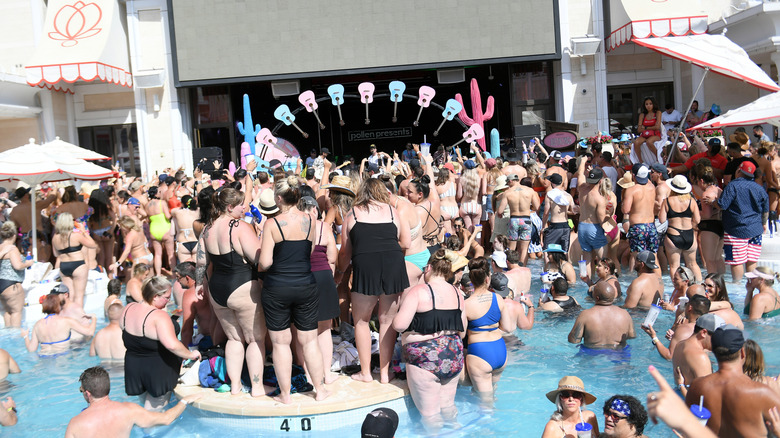
Pool parties have become an emblematic symbol of the modern party scene in Las Vegas. If you're unfamiliar, these aren't tepid affairs. Hundreds of revelers swarm into sprawling pools, where world-class DJs spin sets from the afternoon well into the night. It's effectively dragging Vegas' intense club scene into the daylight — complete with a floating bar. But you don't want to make this clothing mistake on your first visit — wear proper swimwear.
For all of the apparent carnage taking place, there are strict rules for attending these parties. The most obvious requirement is swimwear — meaning you must actually be wearing it. Turn up in basketball shorts, sports shorts, or the like, and it's unlikely you'll even get into the party, let alone the pool. The same applies to athletic wear or loungewear. The goal is to keep these things upscale, just like a normal club. You'll also need to walk through a casino to get in, so it's a good idea to bring a cover-up in case they don't allow bikinis or topless customers.
Pack carefully, too. Many visitors assume that Nevada's legalization of marijuana means it's fair game at the pool parties, but most of the hotels still have a strong zero-tolerance policy. Bags are searched upon entry, and unless an item is prescribed and clearly labeled, it won't be allowed inside. Oh, and don't call them pool parties as we old folks do. It's a "day club".
Check your dates and timing

Las Vegas isn't a city you visit in a vacuum. When you go can matter just as much as where you stay or what you plan to do, and plenty of first-timers get tripped up by this. The Strip might feel like a perpetual party, but Las Vegas' calendar has become increasingly packed with major events that dramatically change prices, crowds, and availability.
Conventions, large trade shows, major concerts, Formula One weekend, March Madness, and big sporting events can all send hotel rates soaring overnight. A room that looks like a steal one week can suddenly triple in price the next, and flights tend to follow suit. Even midweek stays, traditionally Vegas' bargain window, aren't immune anymore if a major conference is in town. Checking the city's event calendar before locking anything in can save you a lot of money and a lot of frustration. In some cases, prices even trend downward. Formula One, in particular, shows lower hotel prices. You just have to deal with the street racing and closed roads.
Timing also matters when it comes to crowds and atmosphere. Summer brings intense heat and a party-heavy vibe, while spring and fall offer a better balance of tolerable weather and manageable crowds. Winter is quieter and cheaper, but still busy around holidays and major events. Vegas will happily take you whenever you show up, but a little date awareness can mean the difference between a smooth, affordable trip and one that feels like you arrived at the worst possible moment.
Prepare for the fees
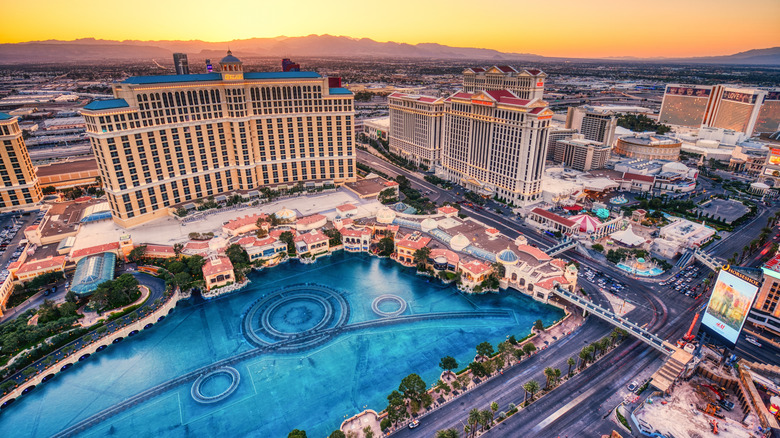
Las Vegas has a long-standing reputation for making things look cheaper than they really are, and nowhere is that more obvious than in hotel pricing. Resorts are notorious for tacking on fees that only fully reveal themselves at checkout.
Resort fees typically cover amenities such as Wi-Fi, gym access, and pool use, whether you plan to use them or not. Depending on the property, these can add anywhere from $20 to $60 per night to your bill, quickly turning a "great deal" into something far less appealing. Parking fees, early check-in charges, and minibar pricing can pile on even more if you're not paying attention.
There's no foolproof way to avoid these charges (other than this simple Las Vegas parking hack that can save you a fortune — parking at the airport). Just don't be shocked when the bill arrives. Vegas has been playing this game for years, and staff hear complaints all day long. Check the fine print before you book, know exactly what you're agreeing to, and budget accordingly. If you walk in expecting transparency, you'll walk out annoyed. If you walk in expecting extra charges, you'll barely notice them. Which, frankly, is how Vegas prefers it.
Methodology
The article was built using multiple reputable travel blogs, local tourism websites, personal experience, local businesses, and larger travel outlets. General advice was sought from seasoned travelers before corroborating with the sources mentioned above. Any figures mentioned have been tied to specific casinos and local transport authorities.