
America's Top 5 Best Cities For Living Completely Without A Car, According To Research
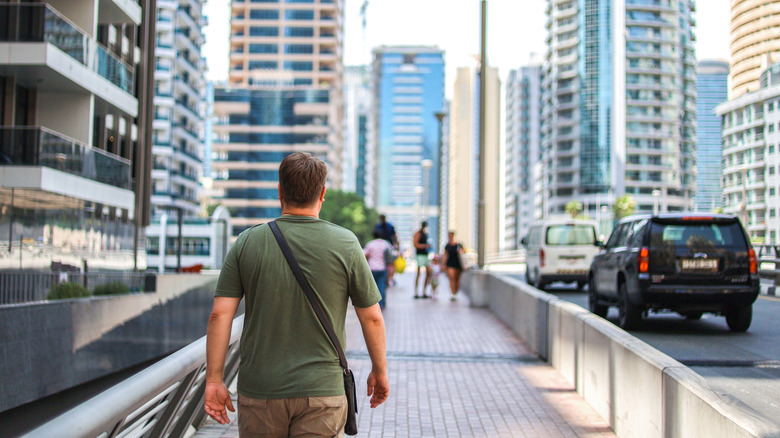
For most Americans, having a car is an essential part of everyday life. In fact, according to 2022 data reported by Forbes, about 91 percent of households have at least one car, for a total of over 278 million registered vehicles in the United States. Similarly, taking to the highway is a hallmark of American travel, such as the ultimate historic road trip that criss-crosses the whole country.
However, while cars are vital for many people, a growing number of Americans are choosing to forgo car ownership altogether. But that begs the question: With so many cities and towns built around traveling by car, where are the best cities for living without one? Fortunately, depending on where you want to be, there are plenty of options for car-free living, and we've compiled a list of the top five places to try.
When curating this list, we paid attention to several factors. First, we chose places with high walkability and bikability scores, since those would be the main methods for getting around. Second, we looked at online forums like Reddit to see what people who have actually gone car-free say about their experiences — just because a city has a high walkability score doesn't mean it's the best place to live without a vehicle. So, if you're ready to ditch the car, see whether one of these spots will suit your needs.
New York, New York
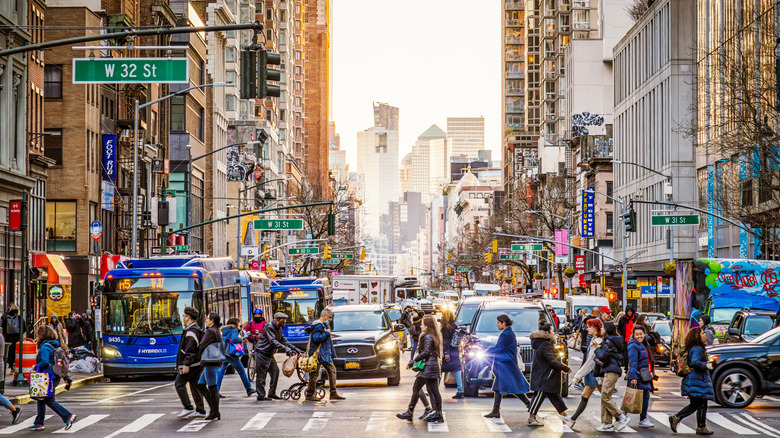
In some locations, vehicle ownership is almost a liability. Issues like heavy traffic, steep parking fees, and limited parking spaces mean having a car in places like NYC can be more trouble than it's worth. Fortunately, New York's walkability score (according to Walk Score) is around 88 throughout the entire city, making it a "walker's paradise." Some neighborhoods, like Washington Heights, feature lively streets, tasty eats, and grand architecture, giving you the best of everything within walking distance.
Based on feedback online from New Yorkers on Reddit, most residents, especially those living in Manhattan and other dense urban areas, do just fine without a car. Typically, the only reason to have a car is if you need to get away from the city, but you can rent a vehicle or take a taxi, depending on your specific needs. One user even comments that unless your apartment building has a dedicated garage, finding and paying for parking will negate any benefits of car ownership.
The other reason New York City is one of the best options for living without a car is that public transportation is abundant and easy to use. The subway is an integral part of life, with more than 3.3 million people using the City's subway system every weekday in 2024. Additionally, taxis and buses can pretty much get you wherever you need to go if it's too far of a walk.
San Francisco, California

Like in New York City, owning a car in the heart of San Francisco can be a hassle due to limited parking. However, there are a few factors to consider before ditching vehicle ownership entirely. If you live, work, and travel around San Francisco, you should be able to do fine by walking, biking, or taking public transportation. However, if you spend time outside of San Fran, such as in the East Bay area or Berkeley, you'll probably need a car, as these communities are more vehicle-dependent. According to some residents on Reddit, public transportation can be slow and somewhat unreliable, so it's best to stick to walking and biking whenever possible.
According to Walk Score, San Francisco has a walkability score of 89, a transit score of 77, and a bikeability score of 72. In fact, an area like the new Mission Bay neighborhood is a vibrant, modern enclave with a walkable waterfront, making it a gorgeous backdrop from which to go car-free. Plus, rideshare services and car rental options like Zipcar let you use vehicles whenever necessary, especially if you need to get outside of San Francisco proper.
Another benefit of living in the Bay Area without a car is that you don't have to worry as much about the weather, which can be a problem in places like New York. Overall, San Francisco doesn't get much rain, and temperatures rarely get too hot or too cold, offering a moderate and balmy climate that encourages walking or biking year-round.
Washington, D.C.
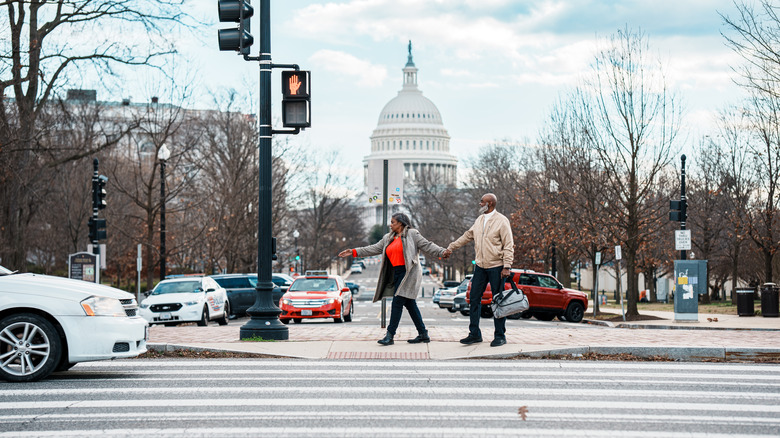
As with our top two cities, Washington, D.C., offers plenty of reasons not to have a car, including high parking rates and scant street parking in most locations. According to District locals on Reddit, not having a vehicle lifts both financial and emotional burdens, so there's no reason to own one. Others comment that if you are going to have a car, it's best to use an older model that's fully paid off, rather than making payments and worrying about issues like break-ins and theft.
According to Walk Score, Washington is very good for walkability, bikeability, and public transportation, ranking 77, 70, and 69, respectively. However, those scores are for downtown D.C., so if you live further away from the Mall, you might have a few extra struggles with daily errands. That said, car rentals and delivery services should be able to help fill in any gaps, making it easier to live car-free. And since the nation's capital often has to deal with motorcades and security for both domestic and visiting dignitaries, not having a vehicle means you don't have to overcome any resulting traffic jams. Plus, many of the city's neighborhoods have their own charm, like Ivy City, where you can enjoy an incredible neighborhood with scenic rooftops and Michelin-starred meals.
Chicago, Illinois
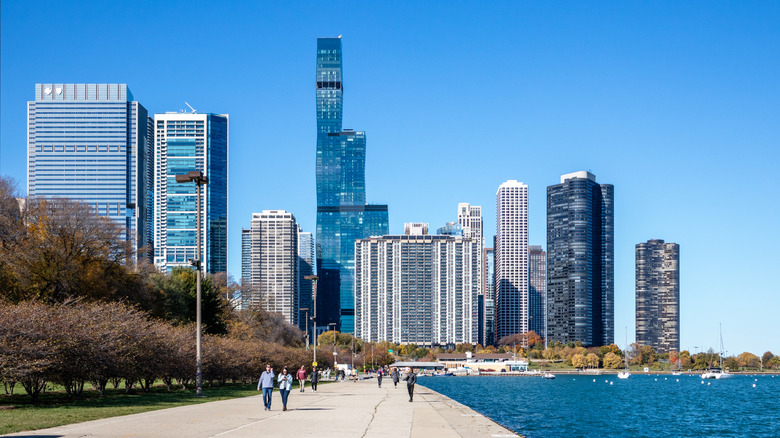
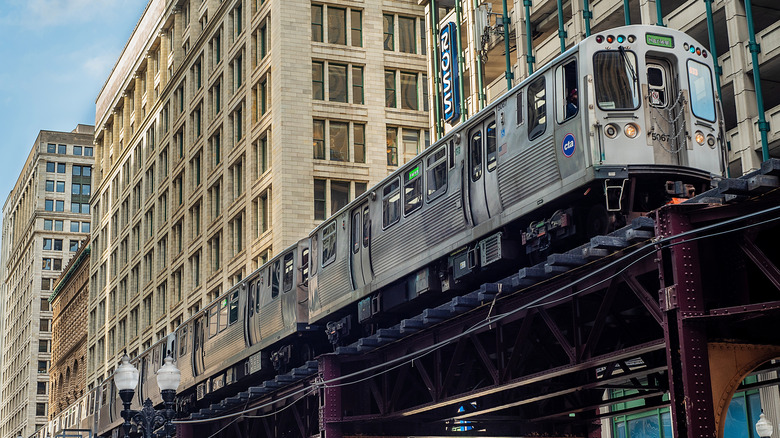
Next, we're heading to the Windy City to see how feasible it is to live here without a car. Spoiler alert: It's relatively easy, especially as you get closer to downtown Chicago. As you venture out toward the suburbs, public transit becomes less abundant, and the distances between places can get challenging, especially if you're just planning to walk or bike. However, for central Chicago, Walk Score rates the city as 94 for walking, 79 for public transportation, and 91 for biking, so you should be able to get around without too much hassle. If you live near the Pilsen neighborhood, you can enjoy Chicago's walkable two-mile art zone for free.
According to locals on Reddit, having a car in Chicago is slightly more preferable than in other cities like New York or San Francisco. While vehicle ownership remains expensive and stressful for the same reasons, the general consensus seems to be that the convenience of having a car can help mitigate some of the downsides in certain situations. That said, several recommend owning an older vehicle so your insurance premiums and other costs are much more manageable. Otherwise, the pros and cons tip definitively in the cons' favor.
Another point to consider when living car-free in Chicago is the weather. Because it's firmly in the Midwest, the winters are cold, windy, and snowy, making it more challenging to get around on foot or by bike, especially if you have to carry groceries or other supplies. While rideshare services and car rental options are available, they can get expensive. Ultimately, to be without a car simply means being extra prepared for Chicago's intense climate.
Minneapolis, Minnesota
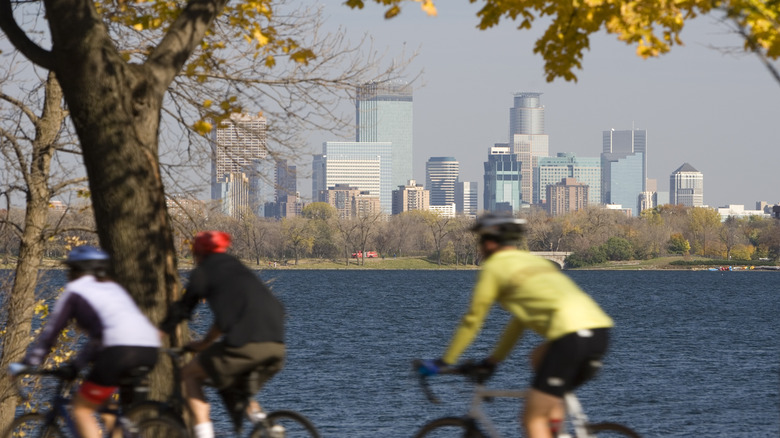
Our final top city for living completely without a car is the Midwest gem of Minneapolis, Minnesota. This metropolis has consistently been ranked as America's most bikeable city, blending nature and urban charm. Although Brooklyn dethroned Minneapolis in 2025, the City of Lakes is still one of the best options for those who like to bike everywhere. Walk Score even ranks Minneapolis as 83 for bikeability, compared to just 71 for walkability. So, while it's definitely possible to live and enjoy the city without a car, some locals on Reddit recommend owning a bike to make it easier to get around since Minneapolis isn't as densely packed as some other cities.
Part of what makes Minneapolis so appealing is that the city takes substantial steps to make biking, walking, and public transit more accessible during the winter. Like Chicago, Minneapolis can get cold and snowy, but bike lanes are well-maintained during the season, and there are heated bike shelters dotted throughout the city for rider convenience. Minneapolis also has the Skyway System, which spans over 10 miles and connects over 80 city blocks with covered bridges. This way, you can get around downtown without having to battle frigid temperatures or piles of snow and ice.
Finally, Minneapolis is taking a much more proactive approach to making the city as bikeable as possible. The local government is working on the All Ages and Abilities Network to expand bike paths and accessibility. You can see an interactive map of existing and planned bike paths to get an idea of where you can go now and in the future. According to the Transportation Action Plan, Minneapolis hopes to increase its bike ridership from 3% of all trips in 2019 to 10% by 2030.
Methodology
Living without a car can seem like an immense challenge for many people, but as these five cities illustrate, it's more than possible. Ideally, a city will have infrastructure that makes its streets more walkable, bikeable, and navigable by public transit, which is why dense urban centers like New York, Chicago, and San Francisco all made the cut.
For this list, we picked cities with high walking and biking scores, as well as those with robust public transportation options. We also paid attention to what locals said about living without a car to understand the potential obstacles or setbacks new residents may face. Reddit proved to be a valuable resource, as we were able to get feedback from individuals in each city that might not be available in articles or blog posts.
Finally, because most of the best cities for living without a car are on the East Coast (Boston and Philadelphia are strong contenders), we wanted to feature cities in different parts of the country. Seattle almost made the cut, but since Minneapolis is more bike-friendly and is working on improving its car-free infrastructure, we chose to highlight it here instead.