
Europe's 13 Most Peaceful Countries, Per A Study
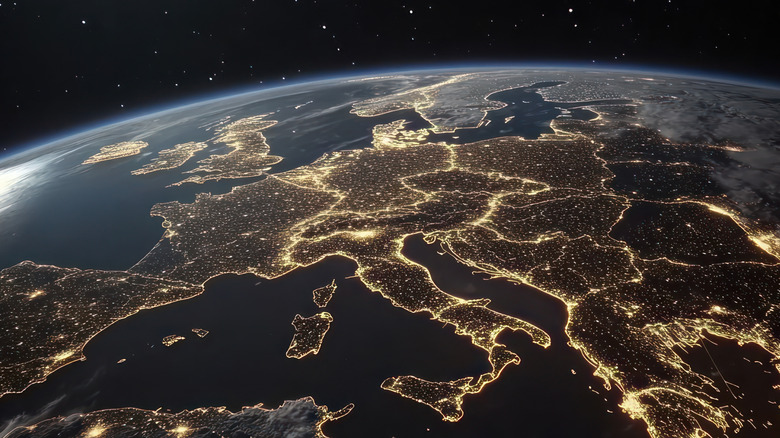
Peace can look different depending on where you travel. In some destinations, it translates to low crime rates. In others, it means reliable public transit, peaceful evenings, and the confidence to explore without constant caution. The 2025 Global Peace Index is the leading source for ranking the world's most peaceful countries.
The index evaluates each country using 23 factors, including political stability, violent crime, militarization, and internal conflict, among others. Scores range from one to five, with lower scores being better. While you're likely to see the study cited in academic and political circles, its findings also shed light on where and why people travel. The highest-ranked countries typically exhibit higher levels of social trust and fewer disruptions to daily life.
What may surprise you is that many of the highest-ranking countries are located in Europe. In fact, eight of the top 10 countries on the 2025 ranking are European. Here, we focus on 13 of the highest-ranked European countries. Rather than simply listing the score, we examine how those rankings translate to everyday travel.
Iceland is Europe's peace benchmark (No. 1)
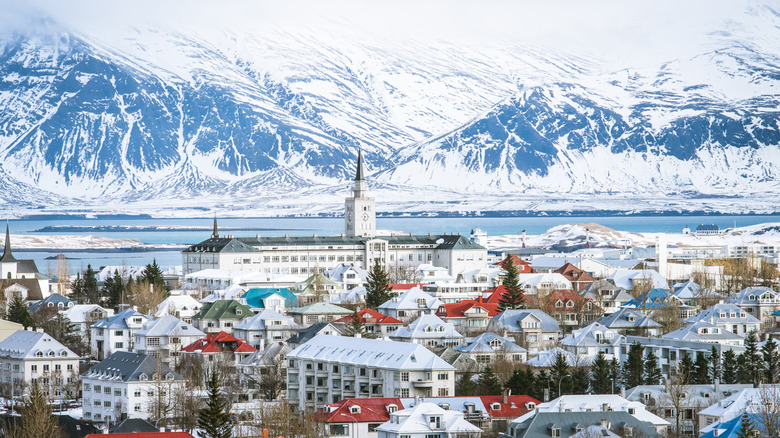
Iceland consistently ranks high on the Global Peace Index, thanks to its low levels of violent crime, demonstrations, minimal internal or international conflicts, and deep trust in public institutions. It scores low on militarization, especially since it has no standing army. Iceland also maintains a strong social framework built on civic responsibility and transparency. All of these factors combine to make Iceland the global benchmark for what national peace looks like in practice.
That peace is immediately tangible for travelers. Iceland's capital, Reykjavík, is often ranked among the safest cities in Europe. There's very little policing, and people feel comfortable walking at night. Solo travelers can feel at ease in Iceland, with a low risk of mugging or pickpocketing in and around Reykjavík. That's why you'll typically find Iceland listed at the top of the best destinations for solo female travelers. The atmosphere tends to feel calm rather than controlled, as it's shaped by social norms, not enforcement. Per Travel Safe Abroad, Iceland's greatest travel risk is natural disasters, due to its volcanoes, earthquakes, and extreme weather.
The sense of security that travelers feel in Reykjavík extends across the whole island. In smaller towns and rural areas, you are likely to encounter locals offering help to strangers. Some Icelanders even leave their doors unlocked, but travelers are wise to take common-sense precautions as they would elsewhere. In Iceland, peace isn't measured solely by rankings. Instead, you feel it in the freedom to wander and explore without constantly looking over your shoulder.
Ireland's calm comes from community (No. 2)
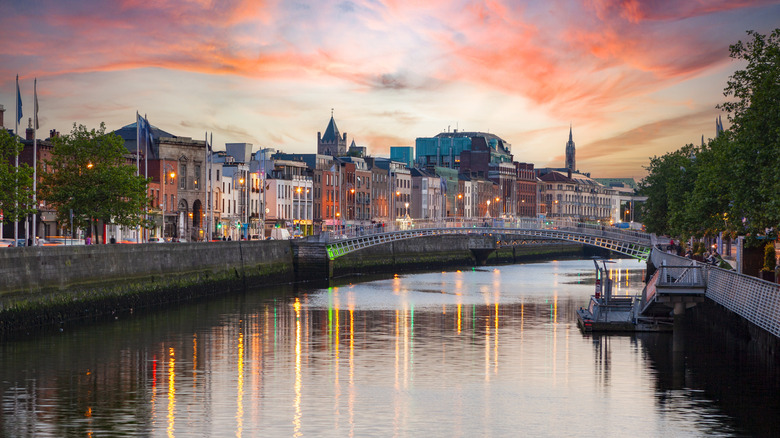
According to the Global Peace Index, Ireland, ranked No. 2, benefits from relatively low levels of serious violent crime and strong internal stability, especially when compared with other popular destinations in Europe. Limited militarization and a long-standing policy of military neutrality are reinforced by strong social ties and high trust in institutions.
When it comes to traveling, the stability feels personal rather than abstract. Irish cities don't feel overwhelming. Instead, they have walkable centers and active street life without feeling rushed. Dublin can still feel busy, but may not be as tense as you might feel in other European capitals. Travel beyond Dublin and find a sense of familiarity in small cities. Some travelers say it's very easy to ask locals for recommendations or directions. Visitors describe Ireland as welcoming, with interactions that feel natural rather than forced.
In rural areas, village life still takes center stage. The towns are small, and roads tend to be quiet. People recognize one another. Ireland's peace is not defined by visible enforcement or heavy security. Instead, it comes from a shared sense of responsibility and trust. For travelers to Ireland, that means the ability to move through the country with ease, whether you're exploring a coastal town or driving the back roads.
Austria's stability is built in (No. 4)
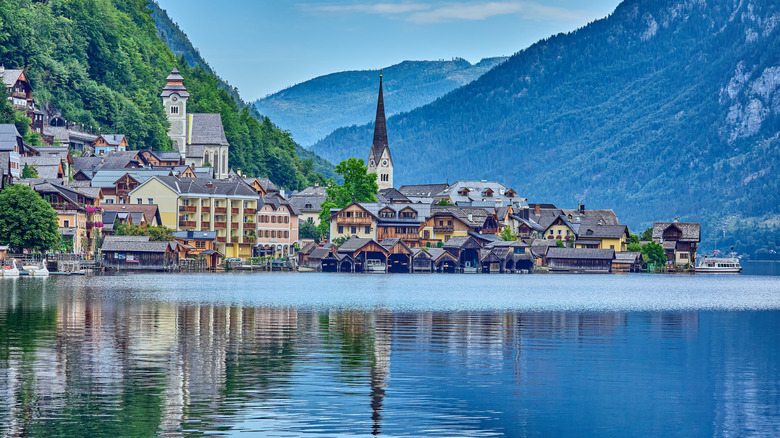
Austria ranks No. 4 on the 2025 Global Peace Index, due in part to low levels of violent crime, long-standing political neutrality, and public systems that locals trust. Serious crime is uncommon in Austria, including in the capital, Vienna. In 2024, the highest-ranking crimes were property-related. Austria also has low levels of militarization and external conflicts and low rates of violent demonstrations.
Vienna captures that balance exceptionally well. You can easily walk around the city, day or night, and navigate public transportation without much hassle. Trams run on time, and late-night buses make it easy to enjoy the bars and diverse nightlife options. Travelers often rate Vienna highly for feeling safe when walking around day or night.
Leave Vienna, and you'll find that Austria's storybook reputation becomes even more literal. Alpine villages feature flower-lined balconies and mountain roads designed for slow travel. You can explore many of these picturesque lakeside villages with easy access from cities like Klagenfurt. Here, life is even more calm, and peace becomes inseparable from place. You'll notice it lives in the architecture, scenery, culture, and laid-back vibe of daily life.
Switzerland's neutrality still pays off (No. 4)
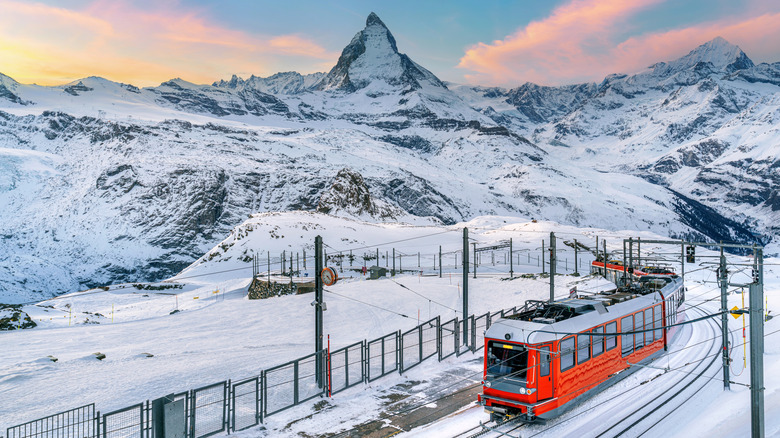
Switzerland tied with Austria for No. 4 on the 2025 Global Peace Index, and its long-standing neutrality is a major reason why. For over a century, Switzerland has avoided external conflicts and military alliances. The country built a national identity on internal stability and diplomacy. In fact, the law of neutrality was codified in the Hague Conventions, which require Switzerland not to participate in wars between states. This approach has shaped how Switzerland governs itself and maintains order. Like other high-ranking European countries, Switzerland has low levels of violent crimes and high trust in legal institutions.
For travelers, this neutrality creates an overall sense of calm. There is reliable public transportation, which is easy to navigate. Even in busy areas, there is little volatility. One of the major draws of travel to Switzerland is its alpine villages and fairytale towns like Lavertezzo. Traveling between destinations is smooth, whether you're moving around by train or on a road trip with your own rental car. Just note that Switzerland takes the requirement to have a vignette (mandatory toll road document) seriously. There are no tolls on highways, unlike in many other European countries, and the fine for driving without a valid toll pass is currently 200 Swiss francs or approximately $250.
Portugal's peace is everyday life (No. 7)
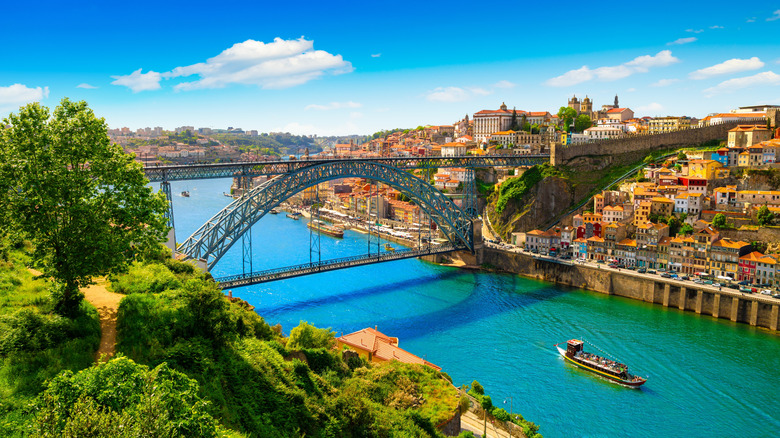
Portugal ranks No. 7, receiving high marks for its low level of militarization, terrorism threats, and its relations with neighboring countries. Portugal is also considered low risk by travel advisories, confirming what visitors frequently see firsthand: a destination where travelers don't have to worry too much.
Crime levels are relatively low, especially when compared to countries like the United States. There is reliable public transit, city centers are bustling into the night, and it's easy to explore on foot. However, you should always exercise common sense because pickpocketing and petty theft are common. Look out for other fraud targeting tourists, such as phony petitions, unwanted tour offers, and overpriced menus.
Outside cities like Porto or Lisbon, coastal towns and inland areas have a more laid-back vibe and routinely welcome local and international tourists. Portugal is also a popular European destination for retirees, solo travelers, and remote workers due to its gorgeous beaches, warm temperatures, widespread English (in many cases), and abundant activities.
Denmark's safety is structural (No. 8)
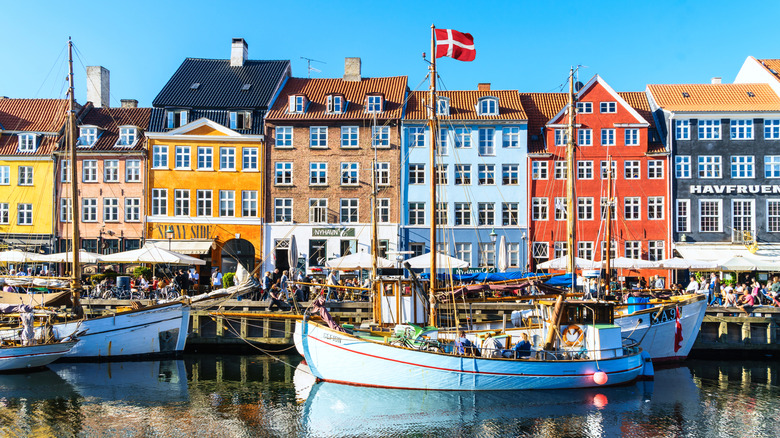
Denmark is No. 8 on the 2025 list, supported by strong public institutions, low levels of violent crime, and high levels of social trust. Denmark continues to score well on safety, quality of life, and international governance measures. Denmark also stands out for how safe people believe their communities are. Denmark scores the best for perceived criminality among the top 10 countries on the Global Peace Index, meaning residents report feeling safer in their daily lives than those in similarly ranked countries.
That sense of safety ties in with how Danish cities are built and used. For example, cities such as Copenhagen design streets with pedestrians in mind rather than cars. Wider sidewalks, dedicated bike lanes and bike highways, and projects like Car Free(dom) make movement more predictable and reduce conflict. Many people cycle in Copenhagen, including children. This same structure shapes everyday travel in Denmark. Public transportation runs frequently, city centers remain active well into the night, and residential areas feel connected to public and commercial spaces. Denmark's safety is reflected in how continuous everyday life feels.
Slovenia is quietly one of Europe's safest (No. 9)
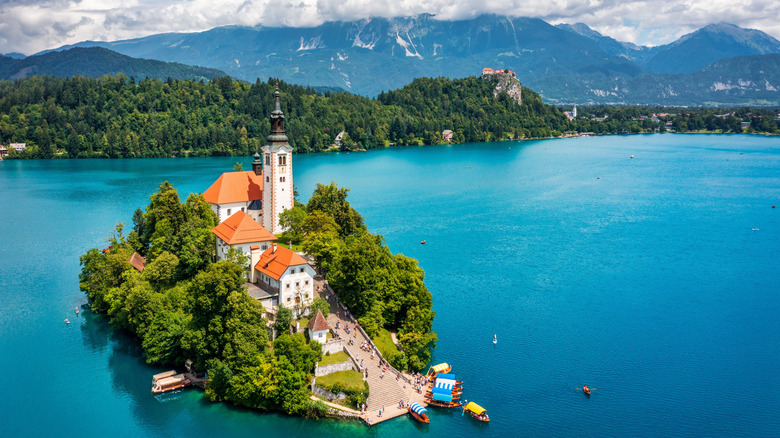
Slovenia ranks No. 9 in this year's Global Peace Index. This finding may surprise some travelers who are not familiar with Slovenia, which has low rates of violent crime and fewer serious incidents than some larger European destinations. Low rates of violent demonstrations, incarcerations, and weapons imports contribute to Slovenia's top 10 ranking. One reason Slovenia may feel safe centers on scale. Cities here tend to be more compact. In fact, Slovenia's capital, Ljubljana, has previously been ranked among the top 25 small cities in the world. The city is largely pedestrianized, which by design limits noise, congestion, and traffic.
The country also prioritizes sustainability, hygiene, and health, committing to creating safe holiday conditions through its Green & Safe program. This program is important because outdoor travel is a major draw for travelers to Slovenia. Hiking trails are well-marked because they are widely used by locals and travelers alike. In fact, there are more than 10,000 marked trails. The Slovenian Alpine Association ensures that these trails are properly maintained and safe for hiking. Together, these factors help explain why Slovenia consistently ranks among Europe's safest countries and why travelers find it so enjoyable to explore both its urban and natural areas.
Finland's peace is deeply rooted (No. 10)
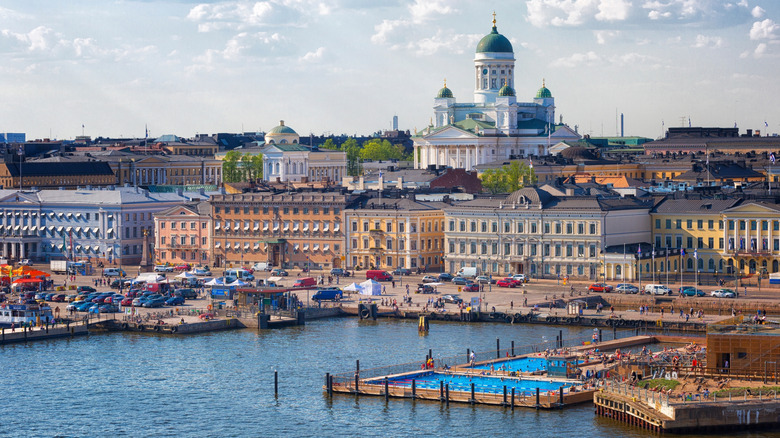
Finland ranks No. 10 on the list, reflecting low levels of violent crime, high trust in public institutions, and strong security. This ranking is important because Finland shares a long border with Russia, yet there has been strong internal stability. However, this stability could eventually change down the line, given some geopolitical security concerns. For now, data in the Global Peace Index report points to consistent governance, effective public services, and social trust as key factors in Finland's ranking.
A distinctive feature of Finland is the way public spaces are used. Transit systems, libraries, schools, and community facilities function as everyday gathering places without the need for heavy security. For example, Helsinki's Oodi Library. The building is used for meetings, work, and cultural events in addition to reading spaces. It even has a sauna and a cinema! Outside of Finland's major cities, the country is predominantly rural. Small towns and lake regions see steady use throughout the year. Travel between regions is easy, including border crossings, so you can expect a stable, consistent experience when visiting Finland.
Czechia's safety may surprise travelers (No. 11)
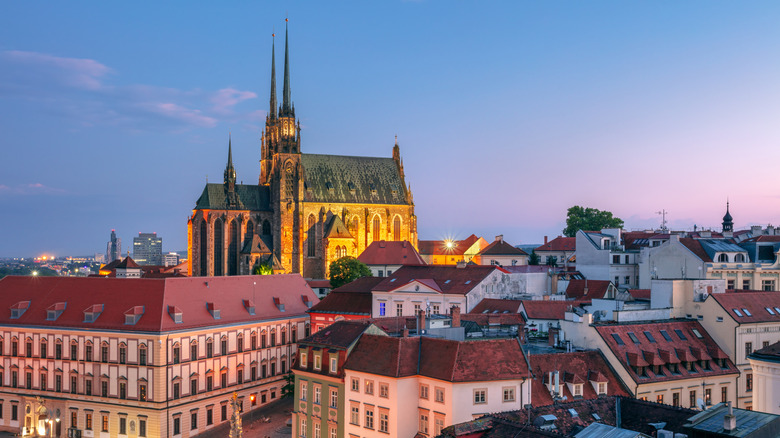
Czechia, or the Czech Republic, ranked No. 11 on the Global Peace Index, an important position given how heavily visited parts of the country are. Prague recorded 6.03 million visitors in the first three quarters of 2025. Despite the high number of visitors, the crime rate in Prague remains very low. Many people say they feel very safe walking around Prague during the day and at night
Cities in Czechia are functional and contained. For example, Prague — a timeless destination with lively taverns, breweries, and beer gardens — has a historic center that is dense but very walkable. Public transport within Prague includes trams, buses, ferries, the metro, and even cable cars. Extensive and efficient transportation keeps the city moving with streets busy into the evening, not just in tourist areas. Other cities, including Brno, follow a similar pattern. The city center is compact, and residential areas easily blend into commercial districts. Traveling around the country is pretty straightforward, whether it's by car or train. Even with higher visitor numbers, Czechia maintains a robust structure, which helps explain why it consistently ranks among Europe's most peaceful destinations.
Czechia's peace ranking isn't perfect. The country ranks worse in some areas, such as arms exports, incarceration rates, and terrorism impact, which prevents it from scoring higher overall. For travelers, these factors rarely affect day-to-day movement.
The Netherlands feels safe by design (No. 14)
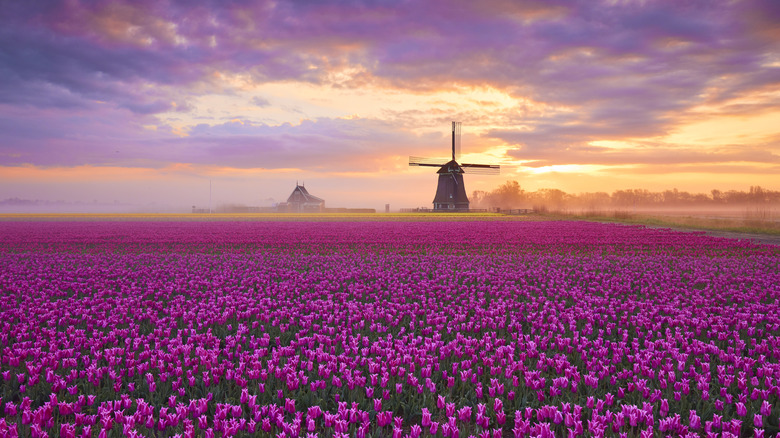
The Netherlands holds No. 14 on the 2025 Global Peace Index. It has strong internal stability and low levels of violent crime. These factors contribute to the country's ranking in the top 20. It is a small country, geographically speaking. However, it's among the most densely populated in Europe. According to Dutch national statistics, the number of foreign visitors rose sharply in mid-2025, with millions of overnight stays recorded in June alone. Despite that, high-impact crimes, such as armed robbery, have been on a steady decline for the last decade. Of course, petty crimes such as pickpocketing and bicycle theft remain a concern in major cities like Amsterdam.
Urban design matters in the Netherlands. Dutch cities prioritize cyclists over cars, which is why the country has the reputation of a cycling utopia. You'll find dedicated bike lanes and a clear separation between vehicles and pedestrians. That's because cycling isn't a hobby; it's how people commute and get their kids to school. The Nederlandse Spoorwegen (NS) train system connects major cities, while international trains serve neighboring countries, such as Belgium and France. The importance of design and order will become more apparent if you live in the Netherlands, particularly in school or at work. Neighborhoods are mixed-use. Shops, schools, and transit stops are conveniently located in close proximity. Both travelers and locals feel the safety and peace in the Netherlands.
Belgium's peace hides in plain sight (No. 16)
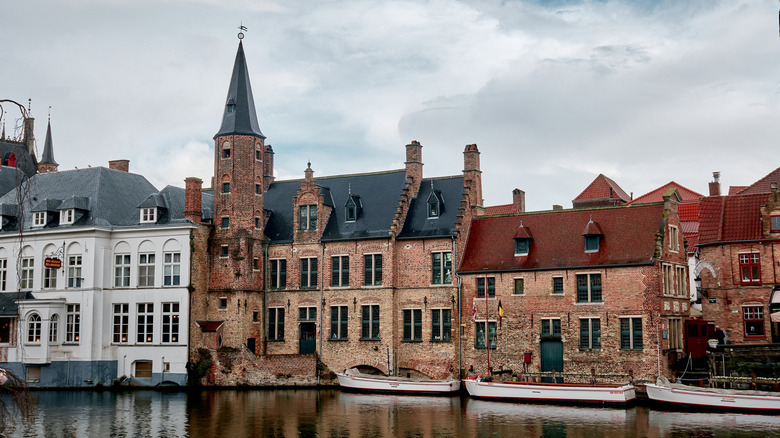
Belgium ranks No. 16, placing it among Europe's most peaceful countries. This ranking reflects the country's national stability, strong institutions, and relatively low levels of internal conflict. It might be a bit of a surprise, given that Brussels is a political center and the de facto capital of the European Union, and that NATO headquarters are located there. However, the overall safety record is more nuanced than headlines might suggest. Crime rates in Belgium vary by city. Admittedly, Brussels has pretty high crime rates, especially when it comes to pickpocketing and bicycle theft. However, other popular cities such as Ghent and Antwerp rank lower.
Despite that, Belgium performs well on national governance and peace measures, helping it retain a higher ranking on the Global Peace Index. Residents depend on effective public transportation. Traveling through Belgium by car is relatively easy, although traffic in city centers can feel daunting to international drivers. Many of Belgium's cities are compact, making it straightforward to explore their centers on foot. While travelers may need to exercise extra caution in certain parts of Brussels, Belgium's overall ranking reflects that the country takes safety seriously at the national and global level.
Hungary's ranking reflects internal calm (No. 17)
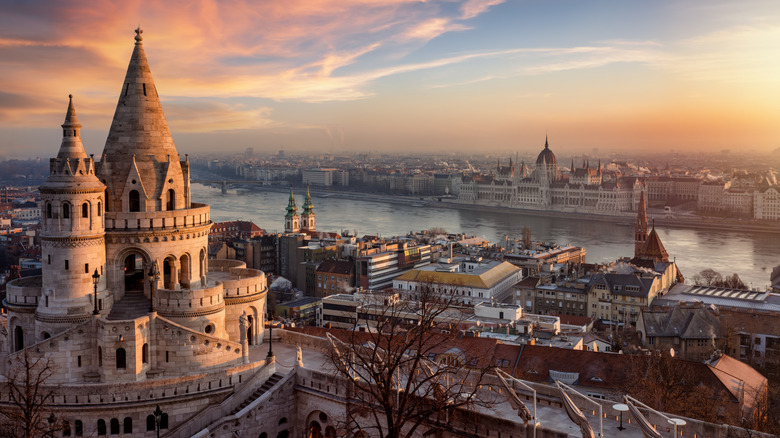
Hungary sits at No. 17 in the 2025 Global Peace Index. It scores well for low levels of violent crime and limited internal conflict. Budapest is the main entry point for many travelers visiting Hungary, and its safety is generally consistent. Public transportation is widely used by travelers and locals alike. Central areas of the city remain busy after dark, particularly in tourist districts and along the Danube River.
Hungary differs from some of its higher-ranked European counterparts in the factors that lowered its score in the 2025 rankings. Hungary received higher marks in areas such as perceptions of criminality, political tensions, arms imports, and relations with neighboring countries. These factors affect its overall placement but may not affect the way most visitors experience the country. Crime concerns for visitors tend to be specific rather than broad. Statistics and advisories indicate that scams and petty theft are among the most significant concerns, particularly in crowded areas. Common scams to watch out for include inflated taxi fares and rigged card games designed to attract tourists. Violent crime against tourists is uncommon. However, travelers should remain vigilant, especially in crowded areas.
Hungary feels quieter and slower-paced outside of bigger cities. Regional towns have compact city centers, with shops, cafes, and transit clustered close together. Roads and rail lines efficiently connect cities. For visitors, Hungary's peace ranking is reflected less in visible security measures and more in how easily everyday travel unfolds in both urban and regional areas.
Croatia combines peace and tourism (No. 19)
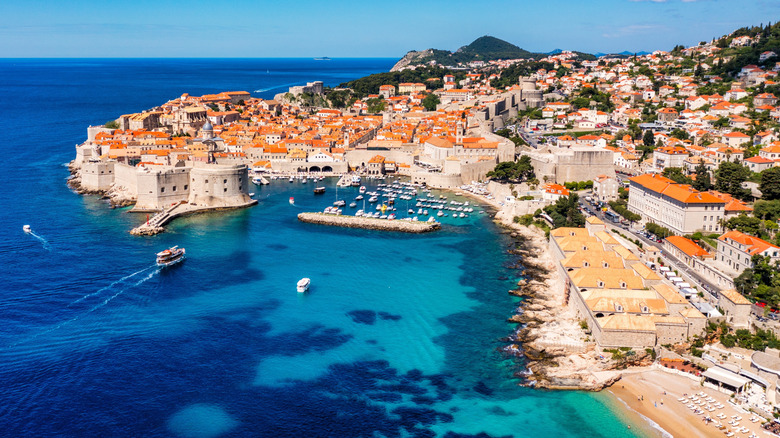
Croatia is in at No. 19 on the current Global Peace Index. Even during peak tourist season, it remains a safe destination. Low levels of violent crime and limited internal conflict are among the best-ranking factors. These numbers help explain why Croatia performs well, despite welcoming a lot of visitors each summer. In fact, Croatia had a record year with 110 million overnight stays in the first nine months of 2025. Travel advisories typically point to pickpocketing as the most common issue, especially in crowded coastal areas.
Safety in cities along the Adriatic coast tends to be consistent. Dubrovnik and Split remain busy into the evening, with numerous ferry passengers, pedestrians, and diners moving through shared spaces. Island-hopping is a major draw for travelers, supported by regular ferry schedules and cruise ships. When you move away from the most visited coastal hotspots, Croatia might feel quieter. Expect islands like Trogir to operate on a slow vibe.
Methodology

This article primarily uses data from the 2025 Global Peace Index, which evaluates countries using indicators such as internal conflict, levels of violent crime, militarization, and political stability. European countries were included based on their rankings. The order follows the index exactly, including ties. We did not reorder, adjust, or change ranking based on tourism, popularity, or personal preference. To give more context, we reviewed national crime data, international travel advisories, and publicly available safety information for each country. These sources illustrate how peace rankings manifest in everyday situations, such as city travel, transportation use, and activity in public areas.