
The 5 Dirtiest Places At The Airport All Travelers Should Know About
For most travelers, airports are an inevitable part of the traveling process. However, these places can also be major sources of anxiety, with roughly 40% of Americans experiencing stress related to flying and airports, according to The Hill. While most tips for staying calm in crowded airports focus on dealing with other people and TSA (among other things), there's yet another reason to be anxious at the airport: germs.
As with any location that handles thousands of people daily, airports are full of pathogens and microbes, whether you're aware of them or not. Although the COVID-19 pandemic made travelers more cautious of airborne viruses, many of the dirtiest places in an airport are actually the ones you touch. When researching this list, we reviewed scientific studies and hygiene analyses to identify which hotspots are the most germ-infested, then narrowed them down to the top five.
So, the next time you're traveling, it may help to bring a pack of sanitary wipes or gloves to minimize the number of germs that get onto your hands, clothing, and baggage. And don't forget to bring them with you to combat the dirtiest surfaces on an airplane, too. To help you prepare, we've ranked these germ hotspots from filthiest to least filthy (relatively speaking).
Self-Service Kiosks
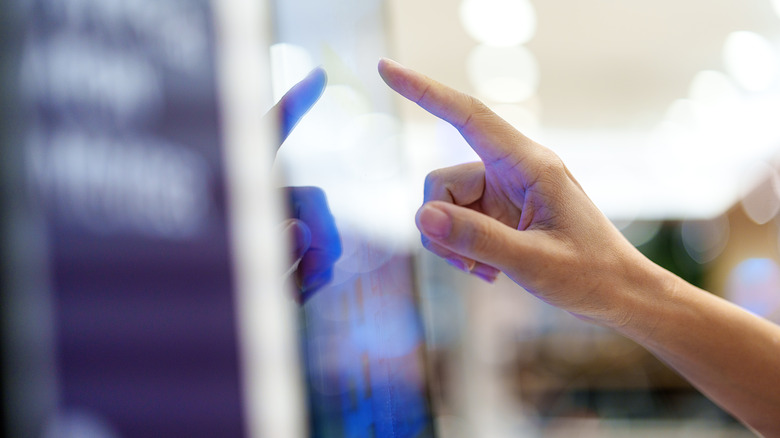
These days, checking in for a flight is much easier than in years past. Virtually every prominent airline in the United States offers early check-in 24 hours before your flight, and mobile boarding passes mean you may not even need a physical ticket. Still, if you need to check bags or simply prefer handling your business at the airport, self-service kiosks make the process much faster and more convenient.
That said, there's a reason why tourists should avoid using these kiosks, and it's germs. According to research by Insurance Quotes, the screens at these kiosks can harbor up to 253,000 colony-forming units of bacteria. For comparison, an average toilet seat contains less than 200. The main issue is that hundreds—if not thousands—of travelers use these touchscreens, which aren't typically disinfected between uses. Even worse, some viruses can survive for days on a touchscreen, so the 5-second rule is basically worthless in this case.
So, what can you do? If you have sanitizing wipes handy, clean the screen before using it. Alternatively, you can sanitize your hands after touching the kiosk, and wash your hands as soon as possible in a nearby restroom. When in doubt, handwashing is best.
Security Bins
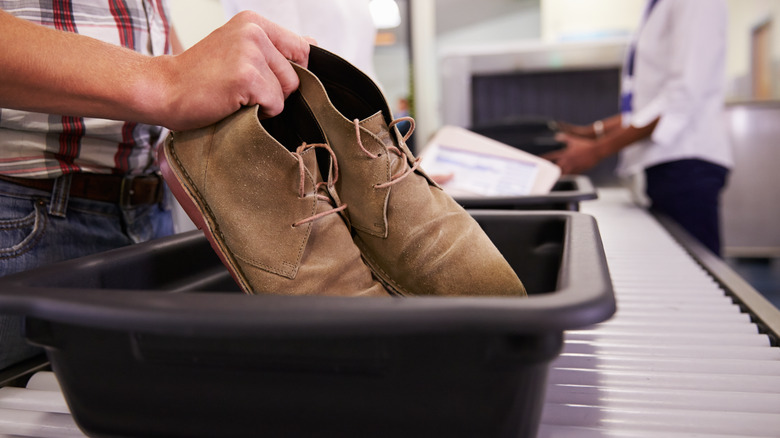
For many travelers, the hassle of airport security is the biggest source of anxiety, especially for the germ-conscious. Being in line with so many people means being close to so many pathogens, both physical and airborne. Unfortunately, it's not just the people around you that may be dirty; the biggest concern is often the security bins used for your belongings.
As with self-service kiosks, these bins are used by large numbers of passengers and security officers every day. Even worse, while you can take the time to wipe down a touchscreen, you don't have that same luxury when in the security line, especially if there's a crowd of people waiting behind you. While the exact number of bacteria is unknown, a 2018 study published on BMC Infectious Diseases detected respiratory viruses on more than half of the security trays tested, including rhinovirus and influenza. Notably, the researchers did not find these viruses on toilet surfaces in the same airport. Although the testing was done abroad — Helsinki-Vantaa Airport in Finland, specifically — American security bins are likely just as dirty. Because the TSA is responsible for handling and cleaning these bins, it may be difficult for independent parties to test them.
You may not be able to do much about your clothing or larger bags, but you can protect personal items. Consider placing phones and small electronics into a baggie before putting them in the bin. In fact, putting your phone in a TSA bin is a huge mistake, regardless, thanks to crafty thieves. You'll basically be protecting yourself from viruses and sticky fingers.
Escalator Handrails
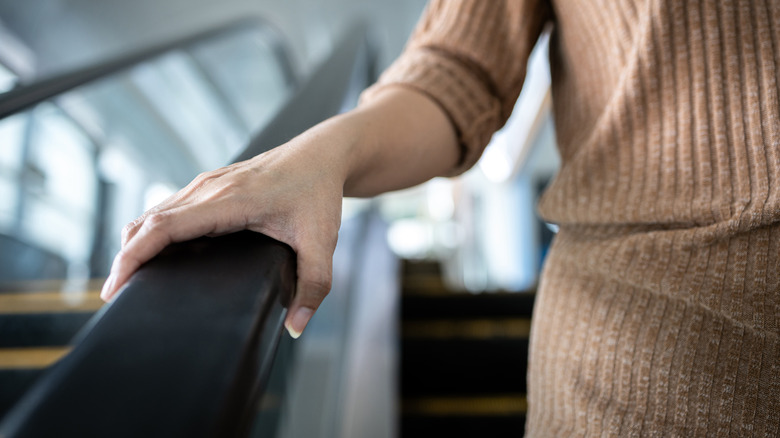
Airports are full of escalators and moving walkways that help travelers reach gates more quickly, but few people likely stop to think about how many germs are on the handrails. As anyone who has used these systems knows, the handrails are made of black rubber, making them a primary disease vector. Not only do they make dirt and grime less visible, but the slightly porous material also means oils and germs can seep in, making them even harder to clean and disinfect.
While research on the dirtiness of escalator handrails is surprisingly scant, a 2017 study published in the International Journal of Research Studies in Microbiology and Biotechnology tested 32 escalators in shopping malls and found 52 unique bacteria on their surfaces. Of those, 57% were E. coli, 23% were Staphylococcus, which can cause Staph infections, and 1.9% were Proteus bacteria, which can cause urinary tract infections and other diseases. Given the high volume of people passing through airports, the same concerns apply. Even North America's cleanest airport in 2025 is not immune to contamination on these frequently touched surfaces.
Travelers on social media have also highlighted this problem, with multiple users wiping down mall handrails with sanitary wipes and showing the black gunk that comes off. So, what can you do? If you prefer to use the handrail for stability, consider placing a wipe or sleeve between your hand and the surface, or sanitize your hands afterward. Alternatively, you can bring some disposable gloves. Or, you can simply not touch the handrail at all and just lean against it to steady yourself.
Public Restrooms
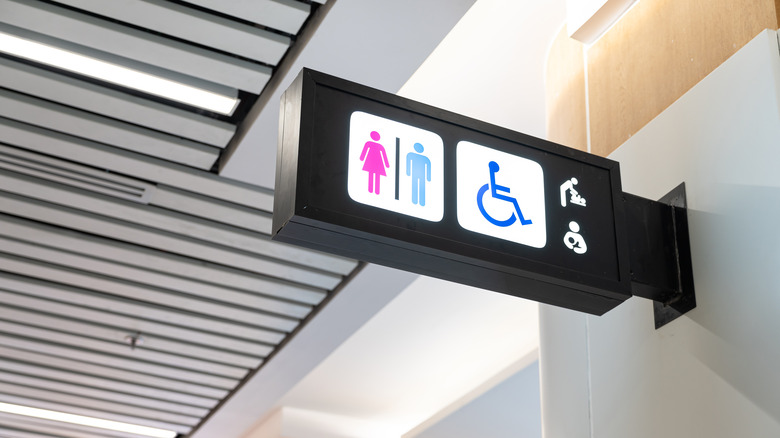
As you might imagine, public restrooms are predictable hotbeds of germs, largely because they handle human waste and are high-traffic areas. Plus, not everyone is as hygienic as they should be. Viruses and bacteria are present not only in and around toilets but also on sinks, flush handles, stall doors, and faucet taps. People often touch these surfaces right after using the toilet, increasing the likelihood of contamination.
According to experts, adenoviruses, which can cause diarrhea and even respiratory infections, are common in most public restrooms. In a study published on PLOS One, it was revealed that surfaces can have more than 500,000 bacterial cells per square inch after just an hour of use. That said, airport bathrooms are generally cleaner than those you might find in a restaurant or shopping mall as they're cleaned and serviced more often. Even before the COVID-19 pandemic, many airports have recognized the value of maintaining clean bathrooms and took steps to improve their cleanliness and appearance.
To reduce risk, wash your hands thoroughly and avoid touching your face afterward. If you want an extra layer of protection, follow up with hand sanitizer.
Drinking Fountains
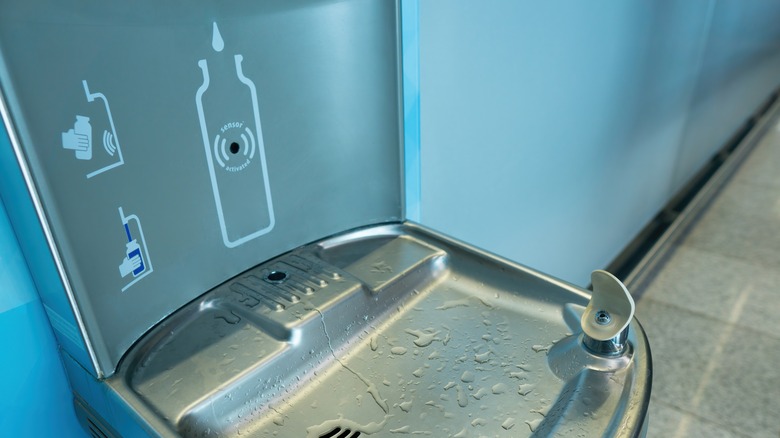
Finally, drinking fountains are a staple at airports, allowing travelers to fill bottles or quench their thirst before heading to their gate. Since liquids are prohibited in the security line, these fountains are one of the best (and cheapest) ways to stay hydrated. Fortunately, though, they are typically less risky than some other airport hotspots, especially because many modern models include touch-free bottle-filling stations.
The main germ concerns are the buttons and the surrounding surfaces that many hands touch, such as the sides and the on/off button. Because people's hands can harbor germs, these areas are the most likely to have pathogens. According to a 2024 study by the water quality review website WaterFilterGuru.com, airport drinking fountains can harbor up to 30 million colony-forming units (CFUs), making them 50,000 times more germ-infested than the average toilet seat. Fortunately, the metal spouts and basins are usually stainless steel, which is easier to sanitize and helps prevent bacteria from surviving for as long on their surfaces.
Still, if you must use a drinking fountain, wipe down the surface before touching it, or just use a bottle refill station if possible. After all, it's a great way to dodge paying ridiculous airport prices for a bottle of water at a convenience store or restaurant.
Methodology
To identify the dirtiest places in an airport, we considered both how germ-heavy a surface is likely to be and how frequently travelers must interact with it. For example, self-service kiosks and security bins ranked highly because of heavy use and limited cleaning between uses. By comparison, drinking fountains are an optional part of the airport experience, so while they may be dirty, you can avoid any potential contamination by not using them. We also reviewed scientific studies and research to rank our findings, ensuring they're backed by data, not just a hunch.
We also recognize that multiple variables can affect the level of dirt on a surface at any given time. For example, if you're traveling early in the morning, these areas may be cleaner because fewer travelers have touched them. Similarly, if you use a bathroom immediately after it's cleaned, you can worry less about germs than if you use it later.