
10 Things To Know Before Watching The 2026 Winter Olympics In Italy
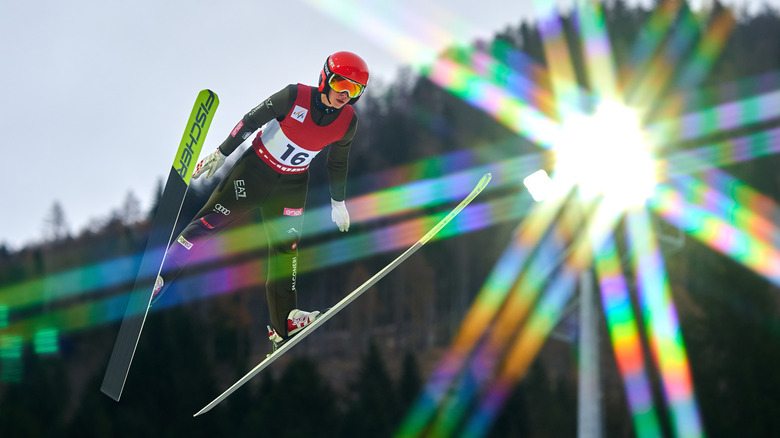
With the Winter Olympics around the corner, the world is getting ready to tune in for a month of triple axels, ski jumps, and nail-biting hockey matches, which this time is fueled by what we assume is robust Italian espresso and beautified by some particularly stunning alpine landscapes. It's not the first time Italy is hosting the games, the last time being the 2006 Winter Olympics in Turin, nor is it the first time for one of this year's host cities. However, the 2026 Milan-Cortina Winter Olympics are bringing plenty that's new to the table with novel organizing ideas and premiere-making events.
Beyond the incredible stunts, speeds, and records we'll see through the events, these games are also a chance to look back on the history of the Winter Olympics, especially in Italy, where it has had a lot of impact on mountain tourism. To help get you oriented before the torch is lit, here is everything you need to know about the 2026 Winter Olympics, from when to tune in to catch the Opening Ceremony to this year's incredible athlete stories, and maybe some planning logistics if you happen to be going to the games, or decide to snatch some last-minute tickets. Even after the games are done and packed up, there is so much to learn about this gorgeous region in northern Italy, and whether or not you're an avid skier, the beautiful scenery just may inspire you to plan a sustainable trip in the future.
The games kick off on Friday, February 6
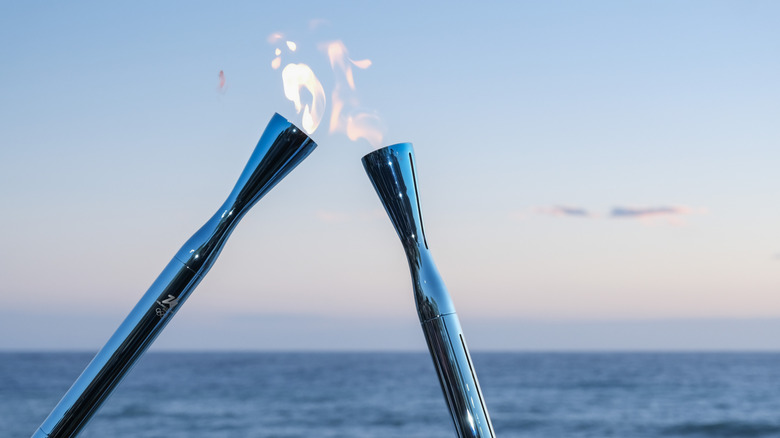
The Opening Ceremony will begin in Milan on Friday, February 6, 2026, at 9 p.m. local time, which is 2 p.m. Eastern and 11 a.m. Pacific, and will be aired live on NBC, or you can stream it on Peacock. This is good news for viewers in North America who can take advantage of the earlier broadcast times, though you might have to take a long lunch break. One of the biggest stars anticipated to perform is Mariah Carey, as well as famous Italian singers like Andrea Bocelli and the actress Sabrina Impacciatore, who starred in the second season of "The White Lotus." The main spectacle will be held inside Giuseppe Meazza Stadium, but there will be two Olympic cauldrons lit for each host city: One located at the Arco della Pace in Milan and the other in Piazza Dibona in Cortina d'Ampezzo. The Closing Ceremony will take place on February 22 at the Verona Arena, an ancient Roman amphitheater, which is also where the Paralympics Opening Ceremony will be held on Friday, March 6, 2026.
The events of the games are expected to draw in millions of spectators, and the city of Milan has made big moves to handle them, such as revitalizing neighborhoods, upgrading transit lines, and investing in rail infrastructure from the city to the Alps. These changes will have long-term benefits that will help residents and future travelers explore the alpine region more easily.
New events include ski mountaineering
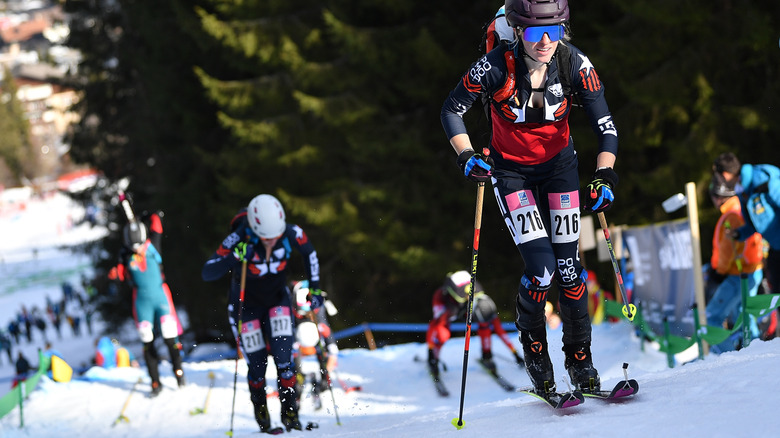
These games mark the historic world debut of the sport of ski mountaineering, which is deeply rooted in the local culture of the Alps. Instead of riding a lift to the top of the mountain and skiing down on their own, these athletes will first make an uphill climb using their own power — no ski lifts involved — before they descend the challenging terrain on skis. The selection of this sport to debut in the Alps is especially apt because it is very close to how the mountains were first traversed by mountaineers in the late 19th century, according to the Sports Information Resource Center (SIRC), except they also carried heavy packs.
While this is the only new discipline in 2026, there are other new events in established sports that will make them even more exciting to watch. Freestyle skiing will now introduce dual moguls, which pit skiers against each other in a head-to-head competition on parallel courses. Skeleton, which is like the luge but face-down with your head forward, will also debut a mixed team event, where men and women will compete together to represent their country and bring in the fastest times. Ski jumping is also expanding with a new individual women's large hill event and a men's super team event. These new spectacles and opportunities to bring home the coveted Olympic medal are designed to promote gender equality at the games and also make them more exciting to watch for viewers at home.
Cortina hosted the games before, but they looked very different
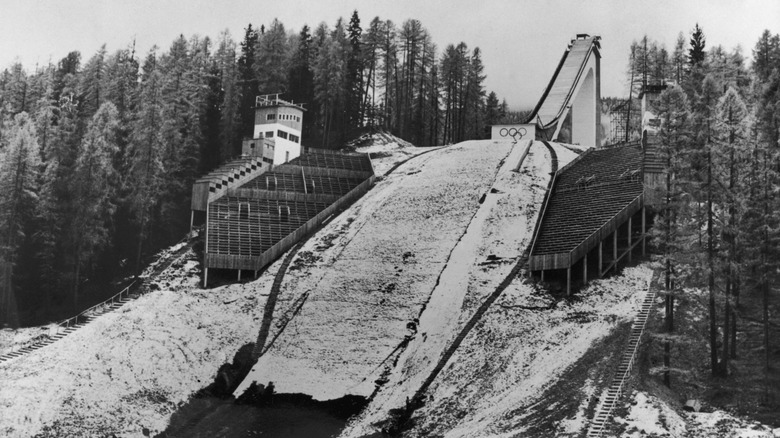
This is the first time in Olympic history that two cities will co-host an event, but for the small village of Cortina d'Ampezzo, it's not exactly their first rodeo. Today, it is one of the most upscale destinations for luxury ski activities in Italy and home to some ultra-luxurious accommodations, such as the brand-new Ancora Cortina, which is sure to be a hotspot of the Games' nightlife with its basement speakeasy. However, the story of how Cortina d'Ampezzo became Italy's "Queen of the Dolomites" starts with the 1956 Winter Olympics, which were a much smaller affair that had not yet been catapulted into the international jet-set circuit.
There were just 24 events and 32 countries represented by about 800 athletes. By comparison, the 2026 Milan-Cortina Games will have 116 events and nearly 3,000 athletes representing 90 countries. The crowds were smaller, and the competitions were still in their amateur era. However, they were also the first Winter Games to broadcast live around the world. The beauty of the Italian Alps broke through the fuzzy black-and-white images and captivated international audiences. You can expect plenty of moments of nostalgia as the world turns its eyes back to Cortina d'Ampezzo and the old stories of Tony Sailer, who swept up all the gold medals of the three alpine skiing events for Austria, and in fact, this was the last Winter Olympics where the figure skating competition was held outdoors.
These games put the Dolomites on the map
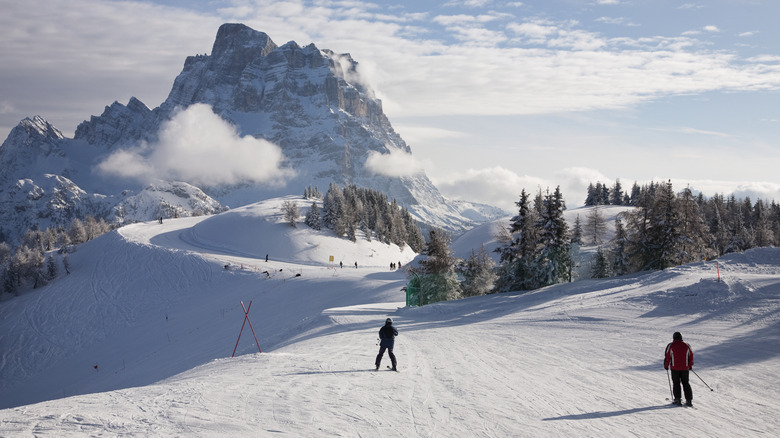
After the 1956 games, the Dolomites were on everyone's ski bucket list, and investments in infrastructure like ski lifts, hotels, and transportation links made this remote part of Italy much more accessible. As ski tourism expanded, these historically isolated valleys became interconnected resorts known for reliable snowfall, stunning landscapes, upscale hospitality, and northern Italian mountain cuisine. Over the decades, celebrities from Audrey Hepburn to George Clooney have been spotted on the slopes or in the chic après-ski scene, which earned it the nickname "the celebrities' living room."
While some people head to Europe's warmer destinations to escape winter, plenty of people prefer to embrace the chill and hit the slopes. Skiing became the reason to visit the Dolomites, and popular ski areas began to open beyond Cortina. One of these was the Piancavallo ski resort, the first in Italy to use artificial snowmaking in the 1960s, which would further grow winter tourism, especially as the technology took off in the 1980s. By 1974, the Dolomiti Superski was introduced, a single ski pass that originally connected six valleys and now connects 12 ski areas from Cortina to Bolzano. Finally, in 2009, the Dolomites were recognized by UNESCO for the region's exceptional natural beauty and "Outstanding Universal Value."
These are the most geographically widespread winter games in history
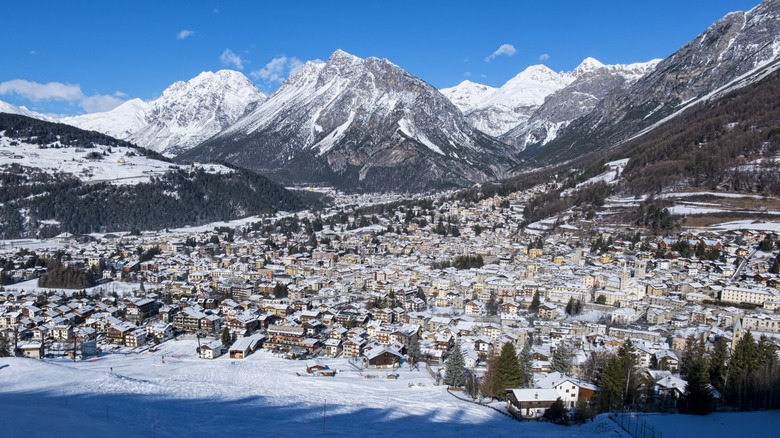
The events of this year's Winter Olympics will unfold across northern Italy, spanning an area of 8,500 square miles. The decentralized design allows each venue to host events best suited to its terrain, with about 90% of venues existing or temporary, making the Olympic Games more sustainable. This can make it more challenging for spectators, but it also presents a unique opportunity to explore the various regions that comprise northern Italy, from Lombardy to Veneto. This also reduces the overall environmental impact of the Winter Games because each village already has existing infrastructure.
In addition to the Opening Ceremony, skating and hockey events will take place in the city of Milan, while Cortina will be the venue for curling and sliding events like bobsleigh, luge, and skeleton. Some alpine skiing events will also take place in Bormio alongside ski mountaineering, one of the most exciting sports making its debut this year. To see the gravity-defying ski jumpers, you'll have to go to Predazzo, and snowboarding events will take place at the Livigno Snow Park, which will also host freestyle skiing. To visit just these destinations, you're looking at over 500 miles of driving. However, driving is not recommended, and the organization has launched the Transport Milano Cortina 2026 app to help you plan and book your routes via shuttles and local train lines.
Some of the locations are closer to Venice and Austria than Milan

You might think you need to fly into Milan to get to the various venues, but it's not the most convenient entry point. For example, if you're heading for Cortina d'Ampezzo, the best thing to do is travel either 91 miles from Venice or 101 miles from Innsbruck, Austria. After all, the Alps mountain range is shared between multiple European countries, and many parts of the Austrian Alps have Italian vibes without the crowds. You're still looking at over two hours of driving, but that's still half the time it would take you if you were coming from Milan.
The international airports of Venice and Milan will be the main international gateways to the event, but you may also be able to connect to a domestic airport in Verona or Treviso, which could save you a bit of travel time. If attending the events in Predazzo or Bolzano, Innsbruck Airport in Austria is the best option. To get around by train, you can reference this map of venues to find the closest railway station, from where there will be shuttles ready to transport spectators to each competition. Travel is expected to be one of the biggest challenges of the 2026 Games, so plan accordingly.
You can still buy tickets
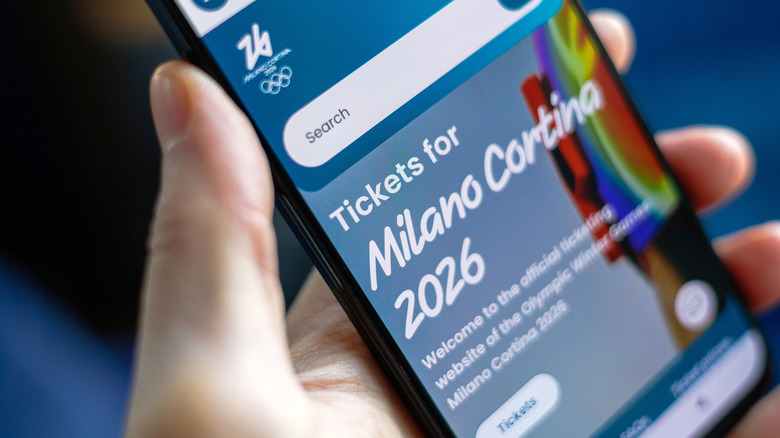
There are plenty of winter experiences worth traveling for in Europe, but you'll have to wait a couple of years — until the 2030 French Alps Games — to attend an Olympic event on the continent. That said, if you are going to be in Europe this February, it still may be worth trying to score some last-minute tickets to the 2026 Winter Games. After all, even attending just one Olympic event is a bucket list-worthy experience.
Tickets can be purchased through the official Milan-Cortina 2026 platform, but availability varies based on what you're looking for. High-demand sports figure skating is likely sold out (but resale offers may be available), especially for final events that will end in a medal ceremony. You could also take a shortcut and book one of the official hospitality packages, which include tickets and a hotel option. If you're looking for the cheapest tickets, poke around the website to find some of the less popular sports like curling, which still has €50 tickets available at the venue in Cortina. Book your tickets first because with so many event locations, you'll want to know for sure when and where you're meant to be to avoid long travel days.
If you can, try to book tickets for events in the same city. With so many people flooding into the Alps for the events, there is sure to be a lot of traffic on the road— even with organizers' best efforts.
There are world records on the line

One of the best parts of watching the Olympics is becoming invested in the athletes, especially those on the verge of potential record-breaking feats. One athlete to watch this year is the Norwegian cross-country skier Johannes Høsflot Klæb, who could make history by winning six medals in one Olympic Games. Longtime fans of alpine skier Lindsay Vonn, who made her debut in the 2002 Salt Lake City Winter Olympics, will be excited to know that she has the potential to become the oldest Olympic alpine skiing medalist, which would be a major accomplishment of her skill and longevity in the sport.
With the introduction of ski mountaineering and dual moguls in freestyle skiing, there will be plenty of new athletes to admire as new storylines develop. It will also be the first time there will be a mixed team event in skeleton, which adds a gender-inclusive element to the competition. Beyond judging by who can go the fastest or the longest, Milan-Cortina's new formats will allow athletes to make history in ways that didn't previously exist. It goes to show that sport is always changing, and the Olympics are never far behind.
Whether your favorite sport is figure skating, hockey, or ski jumping, the Winter Olympics are always full of excitement, and Milan-Cortina 2026 is sure to be no different. Gold medals will be awarded, athletes will push their limits, and new stars will be born.
Sustainability is a core value of the games, but there has been some criticism as well
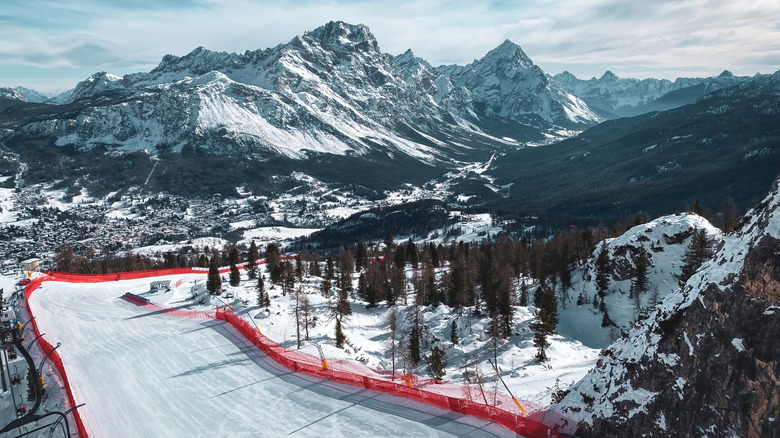
The financial and environmental costs of producing events on the Olympic scale have been under scrutiny for a while now, and organizers are cognizant of the criticism, often building sustainability into their bids to meet International Olympic Committee standards. According to its website, Milan-Cortina is committed to using 100% renewable energy, reducing waste and consumption, and investing in local economic development through job opportunities and the promotion of sustainable tourism. Part of its efforts has been to use existing infrastructure for the majority of facilities.
However, there has still been some criticism from residents and environmental groups that the long distances between venues can increase the carbon footprint of the Games, as organizers, athletes, and spectators need to travel long distances. A report from Scientists for Global Responsibility estimates that the games will produce 930,000 metric tons of carbon emissions. Residents and environmental groups are also concerned that an increase in attention could lead to the wrong kind of tourism, especially as social media-driven travelers who may not be familiar with rugged mountain landscapes chase photo opportunities. "Places that were once part of long hiking tours have become drive-up destinations, visited just to snap a photo," Salto Magazine editor in chief Simonetta Nardin told Reuters. "A taxi driver told me he had just dropped off a tourist who wanted a selfie at that small church–an 80-kilometre (50 mile) round trip from Bolzano."
You may be inspired to ski, but the Dolomites are also worth visiting in the summer
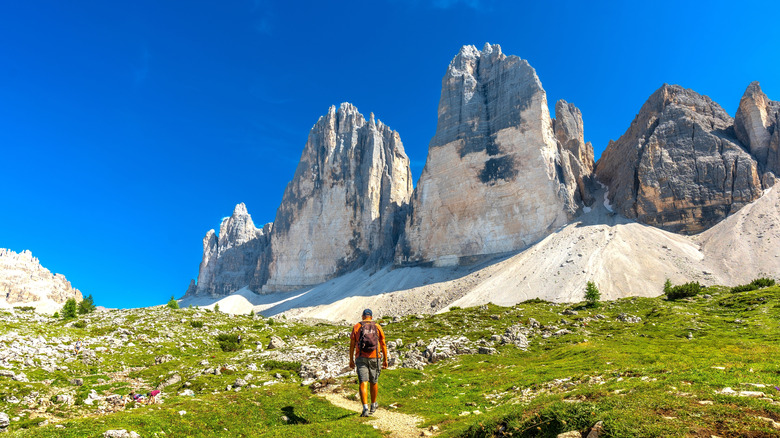
Just as the legacy of the 1956 Olympic Games in Cortina d'Ampezzo had long-lasting effects, the Dolomites will likely grow even more in popularity after the Milan-Cortina 2026 Winter Olympics close up shop. Naturally, snow sports enthusiasts watching from home will be inspired to plan a winter trip, and thankfully, the bucket list European ski vacation of your dreams can be surprisingly affordable. However, the Dolomites offer year-round appeal, and summer is an especially beautiful time to visit. Invest your time and stay a while, so you can more deeply appreciate and respect the local surroundings — and avoid the selfie-hunting crowd.
Melting snow reveals trails, and icy mountain faces become playgrounds for hikers and cyclists. Many of the same towns hosting the games, such as Cortina, stay open throughout the summer, so you can still enjoy the beautiful hotels and delicious restaurants. You'll be able to explore the same landscapes that will feel even more alive, covered in thick forests, green grass, and wildflowers. You may not be able to fly through the air on a ski jump, but you could embrace slow travel and embark on an epic hut-to-hut journey — a multi-day hike where you trek to different refuges, like mountain cabins, typically equipped with bunks for sleeping.