
Illinois' 5 Most Charming Downtowns To Visit, According To Research
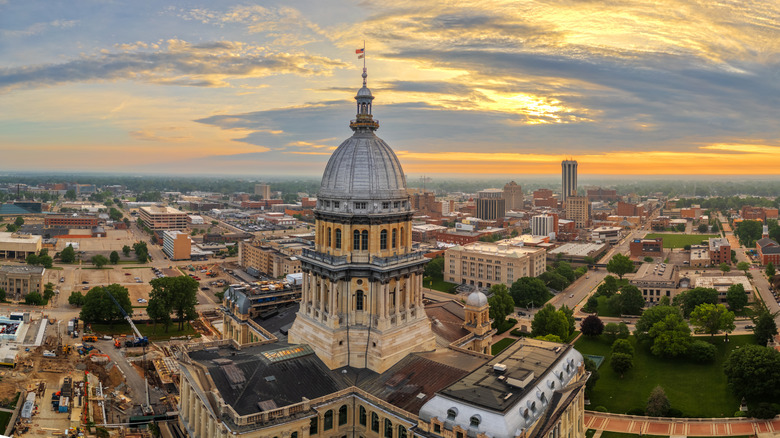
For out-of-state visitors, Illinois's reputation as a tourist attraction is largely defined by Chicago. This isn't much of a surprise, of course. The Windy City is, after all, the third-most populous city in the United States, and an acclaimed destination of top Midwest attractions. From well-known stops like the towering Willis Tower, the Field Museum, and Navy Pier, all the way to hidden gems recommended by local Chicagoans, Chicago is a must-stop destination on any nationwide tour of the best U.S. cities. Illinois, however, is much more than its largest metropolis. Outside the skyscrapers and crowded streets of Chicago are plenty of much smaller, but no less worthwhile, cities, each with their own charming downtown areas.
From just outside the Chicago city limits to the distant Midwestern plains and hills on the southern edge of the state, the underrated cities of the Prairie State are packed with rich history, unique attractions, and cultural brilliance, all framed with classic Midwestern charm that is often lost in gigantic cities like Chicago. Most Illinois cities have their own under-the-radar vibes and worthwhile experiences. However, a few stand out for particularly attractive downtown areas that are perfect for urban hiking, architectural sightseeing, and fun shopping experiences. Based on a combination of aesthetic qualities, historic features, and the diversity of attractions, these five Illinois cities may have the most charming downtowns in the state, outside the busy streets of Chicago.
Woodstock
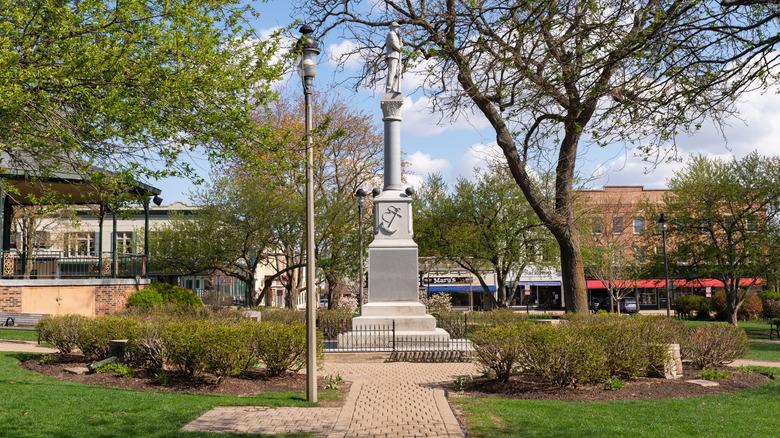
About 60 miles northwest of Chicago is one of Illinois's loveliest small city gems. Woodstock does not present anything like Chicago's almighty skyline, but this remarkable urban hamlet in McHenry County makes up for it with one of the state's coziest city centers. Much of the architecture in downtown Woodstock consists of historic buildings dating back to the city's 19th-century origins, with quaint yet classical brick facades and photogenic Victorian design.
Woodstock's downtown centers around the Historic Woodstock Square. With beautiful Victorian stone gates, a gazebo, and an authentic 19th-century bandstand, the Historic Woodstock Square transports visitors back to a calmer, more tranquil time, while still offering plenty of modern amenities. Around the town square's Victorian core is a comprehensive collection of locally-owned shops, delicious eats, and lovely community spaces. The most notable of these is the historic Woodstock Opera House. If you're merely an architectural fan, the opera house's post-Civil War design and lengthy regional history make it a perfect subject for some urban photography. Of course, as an active performing arts center and community theater, the opera house also continues to put on fun shows for all ages.
In terms of more recent pop culture, one of Woodstock's biggest claims to fame is that it served as the film set and Punxsutawney stand-in for the 1993 Bill Murray classic "Groundhog Day." Fans will easily recognize many downtown Woodstock landmarks that made cameos in the film, including the Historic Woodstock Square and the aforementioned Woodstock Opera House (which played the role of the Punxsutawney bell tower). Today, a prominent downtown mural celebrates the town's "Groundhog Day" connection alongside images of Orson Welles, Dick Tracy, and other pop culture icons with notable Woodstock connections.
Rockford
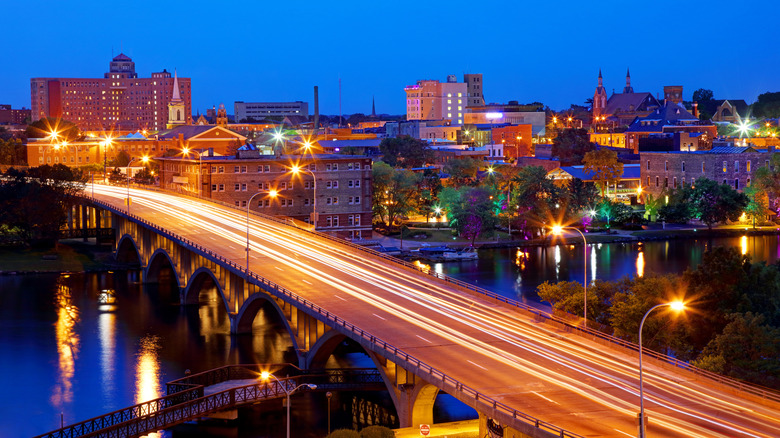
Many of Illinois's cities and towns were built along one of the state's many rivers, which often provide lovely river walks today. One of the most charming of these is found in downtown Rockford. Established along the Rock River in 1834, much of Rockford's historical character is still visible all across its downtown area, with many parts of the city recognized on the National Register of Historic Places.
Rockford's downtown centers around the city's vibrant River District, where you can catch gorgeous shots of the Rock River while exploring many of the city's historic and modern attractions. The River District connects you with Rockford's downtown entertainment district for the city's excellent bars and nightlife in a fun adult environment. The River District also connects you to Rock's terrific restaurants, boutique shops, and landmark attractions. For example, the River District is home to Rockford's historic Coronado Theatre, which still bears its classic theater marquee and unique facade that combines Spanish, Italian, and Chinese design for some unmissable architectural shots. The downtown River District also has many family-friendly museums, like the Rockford Art Museum, the Discovery Center Museum, and the Burpee Museum of Natural History.
Many of the best Rock River shots of Rockford's downtown area are found along the Rock River Recreation Path, where you can enjoy one of Illinois's best urban hikes while also enjoying the city's lovely parklands. Alongside its historic architecture, Rockford takes advantage of its spot alongside the Rock River with lush green public spaces, earning it the lofty nickname "the Forest City." Some of the best examples of downtown Rockford's greenery are the Anderson Japanese Gardens, the Nicholas Conservatory & Gardens, and the charming Rockford Park District.
Naperville
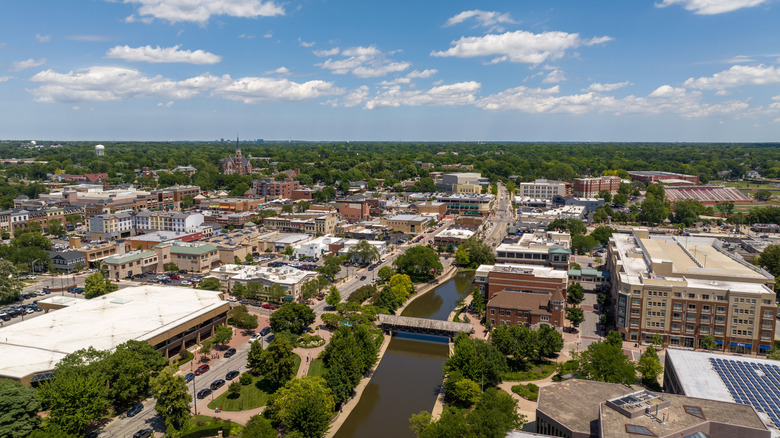
Located about 30 miles outside of Chicago, Naperville straddles the line between "outer suburb" and "independent city." Still, Naperville is the third-largest city in Illinois. With a charming downtown and gorgeous riverwalk, Naperville can make visitors forget the gigantic city just an hour away. Naperville has a history dating back to 1831 and a contemporary population of around 150,000, providing visitors with the perfect blend of traditional appeal and modern amenities. In other words, Naperville is big enough to be vibrant, but small enough to add a layer of charm to its downtown area.
Downtown Naperville is a particularly lovely place for a stress-free urban walking tour. Naperville's Main Street Promenade is one of the most historic main streets in Illinois, with plenty of excellent shopping and dining establishments, organized along a classic American Main Street layout. This area has everything from modern luxury outlets to small boutique shops, and even businesses dating back to the 19th century! Visitors can explore Naperville's exceptional downtown on their own or take advantage of a superb walking tour, such as the Naperville Century Walk Public Art guided tour, which highlights many notable examples of public art, sculptures, and monuments around town. If you're feeling a bit lazy, you can also hop on the Naperville Trolley for a more relaxing tour of the city.
Like Rockford, Downtown Naperville also features a lovely riverwalk along the underrated DuPage River. The Naperville Riverwalk is a particularly worthwhile route for exploring the city's rich green spaces, including Sindt Woods and Fredenhagen Park. The Naperville Riverwalk also provides access to fun urban paddling adventures via the city's Paddleboat Quarry, as well as natural immersion in the heart of Illinois's third-largest city at the Knoch Knolls Nature Center.
Joliet
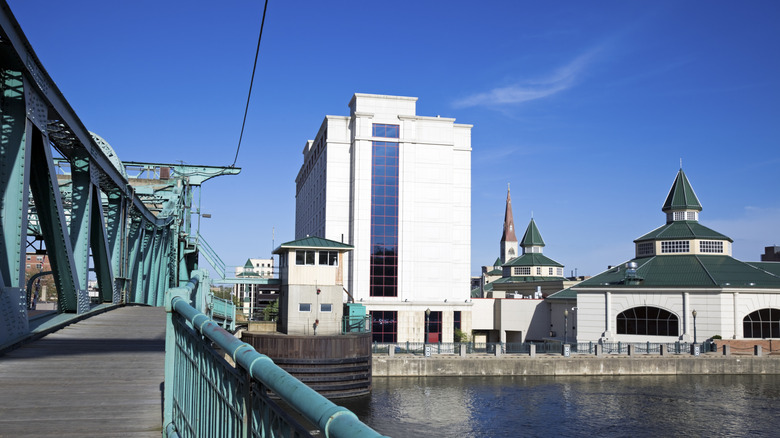
Similar to Naperville, the lovely city of Joliet sits at the outskirts of the Chicago Metropolitan Area. And yet, like Naperville, Joliet manages to maintain its own magical identity independent of the vast metropolis just an hour away. Joliet is yet another Illinois city founded along one of the many rich Midwestern rivers stretching through the state. In this case, the scenic Des Plaines River provides a serene water corridor highlighting downtown Joliet's classic urban charms. The city's riverside area is just a short walk away from Joliet's classic City Square. One of the major scenic highlights of the City Square (alongside its lovely park space) is the historic Rialto Square Theatre, offering both a photogenic exterior and an events calendar jam-packed with concerts and shows for every type of taste.
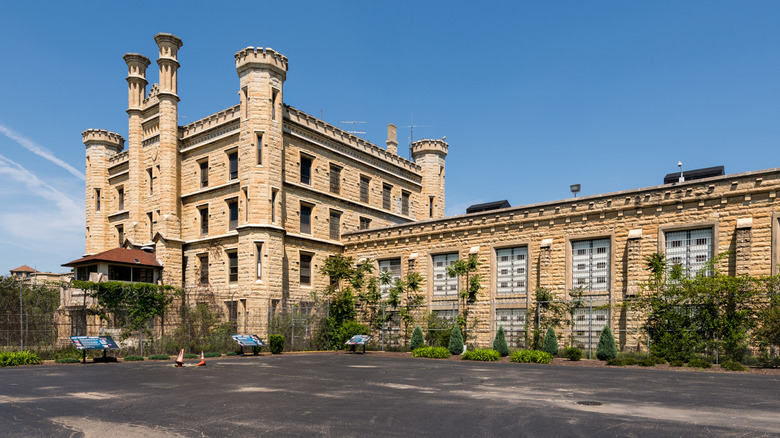
Another, slightly more intimidating architectural landmark near Downtown Joliet is the historic (and creepy) Old Joliet Prison Historic Site. Operating as a functioning prison from 1858 to 2002, the Old Joliet Prison still presides over the nearby Joliet riverside with a foreboding, castle-like aura and a history that includes bank robber Baby Face Nelson and kidnappers Leopold and Loeb. While it's not quite as well represented as other places on lists of the scariest and most haunted destinations in the world, the Old Joliet Prison is still a pretty creepy dark tourism site.
Joliet's downtown also has some lighter museums and historic sites, if old prisons aren't really your thing. The Joliet Area Historical Museum, the Joliet Iron Works Historic Site, and the Billie Limacher Bicentennial Park and Theatre are among the best family-friendly stops on a walking tour of Joliet. Joliet also lies along the historic Route 66, so you can enjoy a classic American road trip after your walk through the city's rich downtown.
Springfield
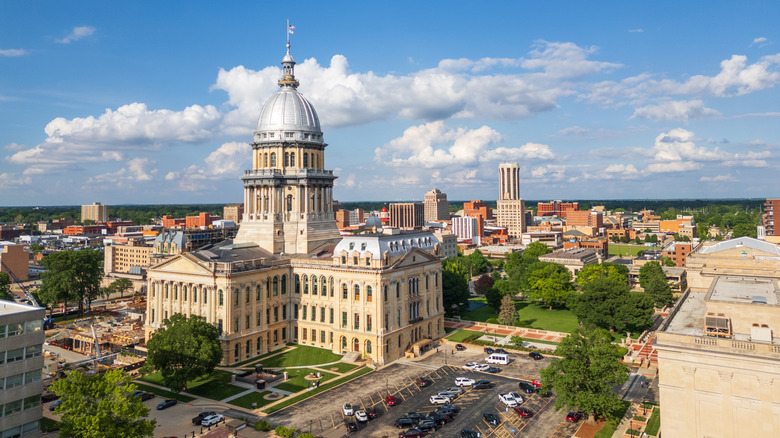
The city of Springfield happens to be the Illinois state capital, and being centrally located in the state, it at least provides reasonably convenient access to most other Illinois regions. However, far from being a mere political hub, Springfield also boasts a gorgeous downtown area that's rich in history, culture, and visitor-friendly amenities. Illinois is famous as the "Land of Lincoln," and Springfield ranks highest on the list of the most important historic locations that Abraham Lincoln fans should visit. The most obvious destination for Lincoln-lovers and history enthusiasts in Downtown Springfield is the Abraham Lincoln Presidential Library and Museum. Here, visitors can explore many informative exhibits on Lincoln's life, presidency, and legacy, or even book one of the library's venues for a history-rich event! If you want to pay your respects to America's 16th President, Lincoln's tomb awaits in Oak Ridge Cemetery, just minutes from Downtown Springfield.
Elsewhere in Downtown Springfield, urban explorers can visit the Old State Capitol State Historic Site (where Lincoln delivered his iconic "House Divided" speech) and the Lincoln Home National Historic Site (the first and only house Lincoln ever owned himself). Downtown visitors can also stop by the Illinois State Museum, the Lincoln Memorial Garden and Nature Center, or one of the many historic monuments and memorials spread across the town. And for a more modern flavor, Downtown Springfield also has excellent dining options, a vibrant arts and entertainment scene, plenty of urban parks, and abundant opportunities for shopping. And as another major thoroughfare for Route 66, Springfield has plenty of kitschy road trip Americana to fuel your America's 250th birthday celebrations this year.
Methodology
Outside of Chicago, Illinois has several under-the-radar cities, each with its own notable downtown area. The quality of being "charming" is mostly subjective, and many Illinois residents and tourists would prefer to explore an Illinois downtown area that didn't make this list. To try to sort through the plethora of memorable downtown stops across Illinois, we focused on three key criteria for our methodology: Aesthetic qualities, historic features, and diversity of attractions.
Each of the five downtowns on this list has notable visual features along its main street, making them prime for sightseeing and urban photography. As many Illinois cities date back to the 19th century, their downtown areas still have notable historical landmarks that will appeal to history buffs. Alongside the obvious ties to Abraham Lincoln in Springfield, many other Illinois cities form part of the historic Route 66.
Finally, we also looked at the kinds of modern attractions that different types of visitors might prefer. Each of these downtowns has a diverse range of family-friendly museums, parks, shops, restaurants, and entertainment venues that offer experiences beyond old buildings and historic town squares. While many other Illinois cities do have these qualities as well (we also considered worthwhile Illinois destinations like Peoria, Champaign, and Aurora for this list), these five had the most objective combination of the three criteria for our methodology.