
Japan's 'Galápagos' Are Secret Tropical Islands With Turquoise-Clear Waters And Rare Wildlife
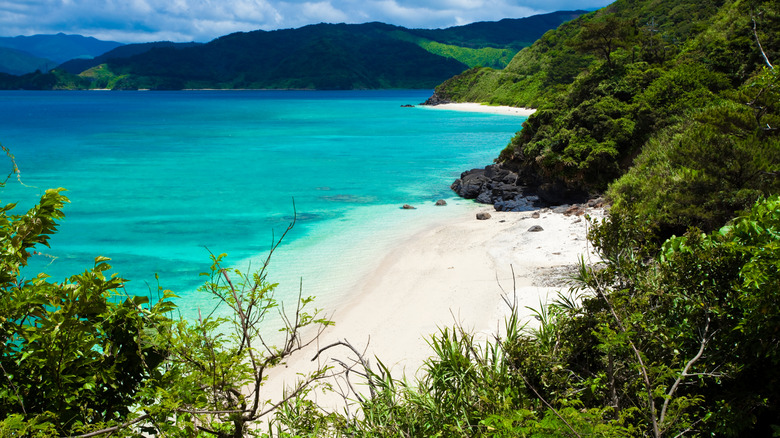
Ah, Japan — best known for its neon buzz, world-class sushi, and unique vending machines. But while its capital, Tokyo, gets a lot of attention — rightly so, as it was the world's best destination for 2025 — Japan is made up of 14,125 islands, spanning ecological systems and climates from snowy mountains to subtropical seas. Among them are the Amami Islands, an eight-island archipelago in Kagoshima Prefecture between Kyushu and Okinawa. Often overshadowed by the more developed Okinawa Prefecture, the Amami remain one of Japan's most compelling hidden gem destinations — a lush, subtropical paradise surprisingly accessible from larger hubs.
The biodiversity of two of the archipelago's islands, Amami Ōshima and Tokunoshima, helped secure their designation as UNESCO World Heritage sites. Nicknames like "living fossil" and "the Galápagos of the East," compare these eight islands to the Ecuadorian Galápagos known as a wildlife wonderland. The turquoise seas, powdery white sand beaches, thriving coral reefs, and abundance of nature — including sea turtles and several rare, endemic animal and bird species — make the Amami Islands feel like a prehistoric paradise.
Amami Ōshima, the largest and main island, anchors the archipelago and serves as part of Amamigunto National Park, which spans several islands protecting wetlands, forests, and coral-fringed coastline. Visitors can island-hop, where they'll find unique landscapes and activities across islands, from hiking to epic views and exploring the region's unique culture to kayaking through mangroves and lounging on near-empty beaches. Despite their remote feel, upscale spas and wellness resorts are also scattered throughout, making it easy to unwind while discovering a quieter, lesser-known side of Japan.
Encounter rare, endemic wildlife and lush landscapes
The Amami World Heritage Trail connects the differing landscapes on each island through a network of visitor-friendly hiking and bike paths. Charter a boat taxi for snorkeling or fishing, or rent kayaks to paddle through mangroves. Discover dramatic rock formations on Tokunoshima or dive to Jason deCaires Taylor's underwater sculpture offshore (the same artist behind Grenada's Molinere Underwater Sculpture Park). Spelunk Okinoerabujima's caves, and tour sugar cane fields on Amami Ōshima, used to produce brown sugar shochu for which the islands are known.
The Amami Islands boast some of the best beaches in Japan. Often empty, their turquoise waters and soft sand stand out. On Amami Ōshima, Tomori is known as "Blue Angel" for its sky-clear waters set against powder-white sand, Kaminoko is a sea turtle habitat and favorite snorkeling spot, and Ohama is a favorite spot for sunsets over the East China Sea. Yoronjima Island's beaches look like Mykonos' siblings. Amami beaches are warm from about mid-April until November, but travelers should note that June to October is typhoon season, when ferries and flights can be disrupted.
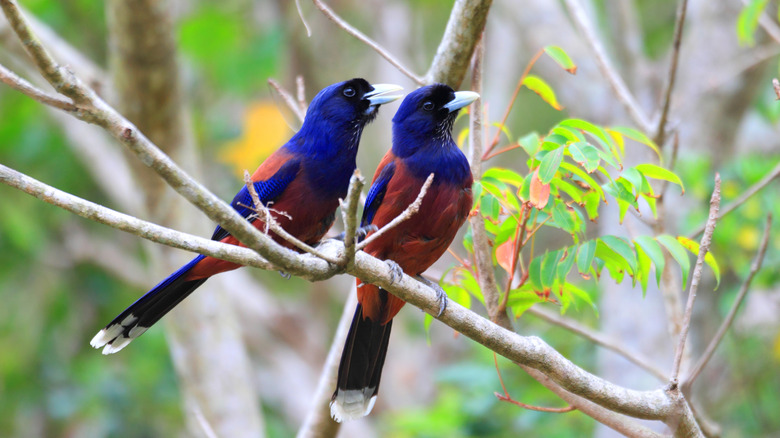
Rich endemic flora and fauna give the Amami its Galápagos comparison. Kikaijima lies along a butterfly migration route, while the rare Amami rabbit – itself nicknamed "living fossil" – is only found on Ōshima and Tokunoshima. The spiny rat and nocturnal banded gecko are also part of Amami's rare endemic species, as is the brilliantly blue-winged and extremely threatened Lidth's jay and the endangered Otton frog, which features a unique Wolverine-like retractable claw. On the islands south of Amami Ōshima, you may also glimpse the purple-tinted Ryukyu Ruddy kingfisher. Rare orchids and flying spider monkey tree ferns provide lush foliage throughout the Amami, and while hiking, be mindful of the endemic, but venomous, habu snake.
Explore the island culture and relax in cozy spas and lodging
For a break from the outdoors, Amami Park is a cultural hub with exhibits about the islands' history and traditions, including traditional local folk music — featuring the snakeskin sanshin and chijin — and Tanaka Isson Memorial Museum of Art. "If you stop here first on your tour of Amami Ōshima, you will gain some preliminary knowledge that will be useful for your trip," wrote a Tripadvisor reviewer. The Amami also preserve a distinct mud-dyed silk hand-weaving technique called tsumugi, used to create some of the world's finest kimonos. Visitors can wear kimonos for photoshoots with the Authentic Amami Ōshima Tsumugi Cooperative and tour Ōshima Tsumugimura, a village dedicated to the centuries-old craft.
Wellness resorts, villas, and cozy accommodations round out an Amami getaway. Miru Amami offers modern villas with access to local cuisine, concierge services, and island activities. The Scene, a wellness retreat in southern Amami Ōshima, features spa treatments alongside meditation and yoga. "Way up on the places I'd like to retire to," wrote a Redditor.
Amami Ōshima serves as the gateway to the Amami archipelago. Flights from Tokyo, Osaka, and Okinawa arrive at Amami Airport; alternatively, take an island-hopping ferry from Kagoshima in Kyushu heading south through the island chain, or from Okinawa heading north. While Shimabus operates a limited network of public transit routes, the most convenient way to get around is by rental car. Agencies like Enterprise operate at the airport, and Amami Lucky Rentacar is a local operator based in Naze, near the port.