
3 Of America's Most Crowded National Parks Have Done Away With Reservations In 2026 (And It's Chaotic)
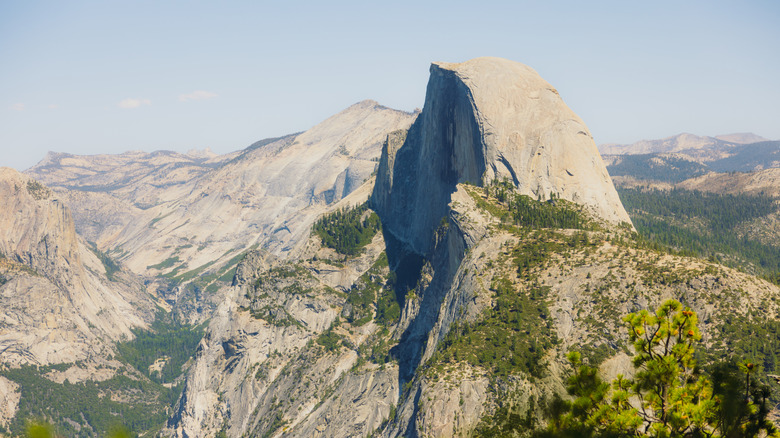
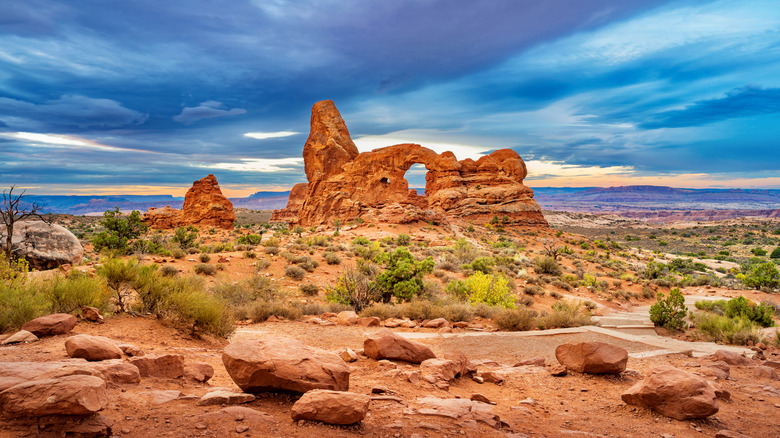
National parks across the United States have never been more popular. The National Park Service reported that the parks saw a record-breaking 331.9 million visitors in 2024. At some of the country's most crowded national parks, systems are in place to ease congestion, including timed-entry reservation programs and shuttle services. But last week, the U.S. Department of the Interior announced that timed-entry reservation requirements would be lifted at three top destinations this summer — Yosemite, Arches, and Glacier National Parks — and the results may be chaotic.
Effective immediately, you won't need reservations to enter Arches or Yosemite, one of America's national parks that will also charge a new fee in 2026, and the policy will be upheld through the peak summer season. At Glacier National Park, which previously had a timed entry vehicle reservation system, you'll no longer need to register in advance to drive along the wonderfully scenic mountainous highway known as Going-to-the-Sun Road.
Sounds simpler for travelers, right? At least that's the positive spin some people are putting on the news. According to NPS officials, the updated rules will make it easier for more people to visit the parks. "Our national parks belong to the American people, and our priority is keeping them open and accessible," commented Kevin Lilly, the Acting Assistant Secretary for Fish, Wildlife and Parks, in a statement. "We're expanding access where conditions allow and using targeted tools only where necessary to protect visitor safety, maintain emergency access and preserve these extraordinary places for future generations."
Removing reservation requirements at Yosemite, Arches, and Glacier National Parks means chaos
But not everyone agrees that lifting reservation requirements is such a good idea. Senator Alex Padilla (D-California), a member of the Senate Energy and Natural Resources Committee, said the updated policies could have a variety of undesirable effects at Yosemite, including harming the park's natural resources and straining local businesses that serve park visitors. "Yosemite's reservation system has proven effective at preventing overcrowding, especially during peak season, while increasing visitations to this natural treasure," Padilla said in a statement on his website.
At Arches and Glacier National Parks, similar reactions have been reported. Cassidy Jones, senior visitation program manager at the National Parks Conservation Association, said that the Interior Department "chose chaos over conservation, at the expense of millions of visitors to Arches." Without any constraints in place, she went on, visitors can expect traffic jams, packed parking lots, and crowded trails. Her colleague Sarah Lundstrum, a senior program manager at Glacier program manager, echoed her sentiments. "Traffic, long lines, and blocked views can ruin a once-in-a-lifetime trip to Glacier," she said, urging the National Park Service to reinstate the vehicle reservations program that helped minimize congestion in the park's most popular areas.
For now, despite criticism, the NPS is sticking to its plan, advising visitors to arrive early and stay flexible while exploring the parks. At Arches, one of Utah's International Dark Sky-certified stargazing spots, officials encourage travelers to avoid crowds by entering the park after nightfall. And at Yosemite, park administrators say they're prepared to bring in extra staff to manage congestion, if needed. Of course if you're really trying to maximize park time and minimize crowds, check out the best ways to avoid national park crowds during peak season.