
15 Rules Tourists Should Know Before Visiting Japan
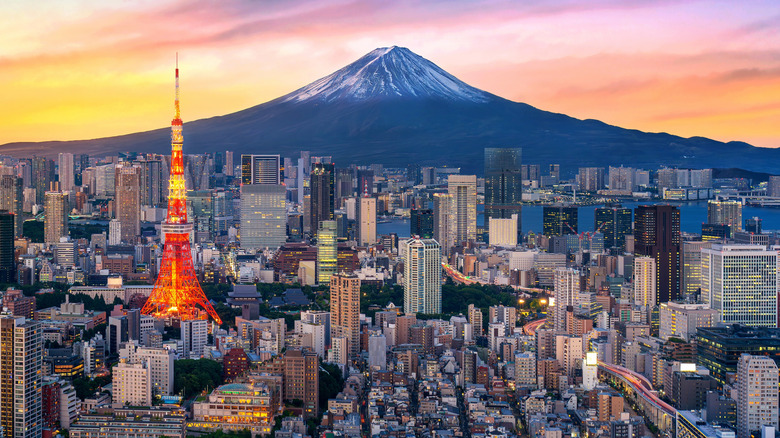
Japan is one of those destinations that seems to go viral again and again. Scroll through travel videos or social media posts, and you'll see endless lists of things to do or things to avoid when visiting. The problem is that not all of that advice is accurate. Some tips are rooted in real cultural expectations, while others are exaggerated for clicks and views. Stories about the mistakes visitors make often circulate online, especially after reports about the worst tourist behaviors in Tokyo.
What's true is that Japan has many etiquette rules that aren't necessarily written into law but are widely understood by locals. These social norms keep cities orderly, public spaces quiet, and shared areas clean. For travelers, they might seem confusing because there is often no clear explanation.
Learning a few of these customs before your trip can make a huge difference in how smoothly things go. It can show respect for local culture and help you avoid awkward situations that many tourists encounter in Japan, especially first-time visitors. From knowing when to remove your shoes to understanding train etiquette and trash rules, these are some of the most important guidelines Japan travelers should keep in mind.
1. Be prepared to remove your shoes often
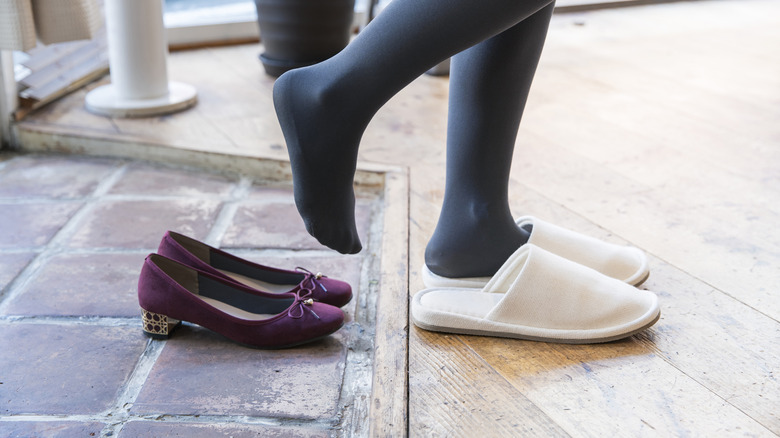
You might already know that taking off your shoes when entering your home is a must-do in Japan. You might be surprised by being asked to remove your shoes elsewhere. Some traditional restaurants, ryokans, temples, and even capsule hotels require guests to take off their shoes before entering.
This practice is tied to how indoor spaces are used in Japan. Floors are treated as living areas where people relax and sit. In rooms with tatami mats, people are likely to sleep on the floor. Bringing outside shoes in can track dirt and germs throughout spaces meant to stay clean. Apartments and hotels typically have a small entryway, called a genkan, where you can leave your shoes before stepping inside. You may also find house slippers there, depending on where you are staying.
If you are unsure what to do, look at what others are doing. If you see rows of shoes at the entrance, it's a good sign yours need to come off too. At a restaurant, staff will tell you or motion to your shoes and provide a spot where you can leave them while dining.
2. Tattoos can still be an issue at onsen, pools, and gyms
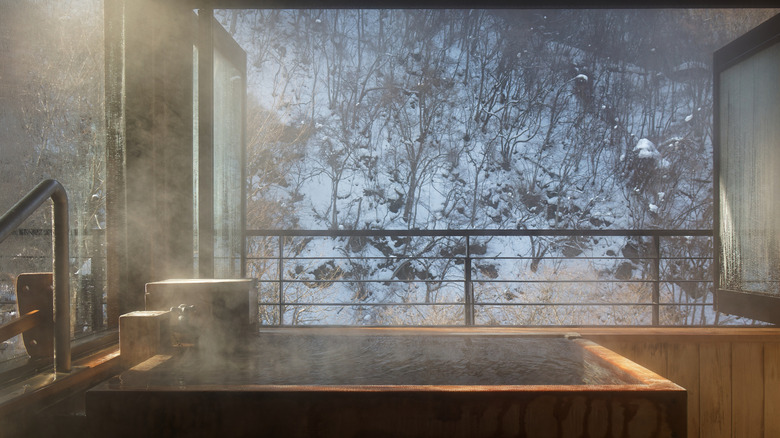
Japan has become more welcoming to international travelers with tattoos in recent years. However, tattoos can create complications in certain places. Historically, tattoos were associated with organized crime groups, and that perception still influences policies at some public spaces and facilities.
Some hot springs (onsen), gyms, swimming pools, and even beaches, may restrict guests with visible tattoos. Policies vary widely depending on the location. Some facilities ask visitors to cover tattoos with special patches or tape, while others will deny entry even if they are covered.
The good news is that attitudes continue to change, especially in larger cities and tourist-heavy destinations. Some facilities denote that they are tattoo-friendly and others offer private baths. Be sure to check policies ahead of time and you can find recommendations online for tattoo-friendly onsen. If there is no tattoo-friendly public facility where you're traveling, consider booking a private onsen.
3. Keep conversations quiet on public transport
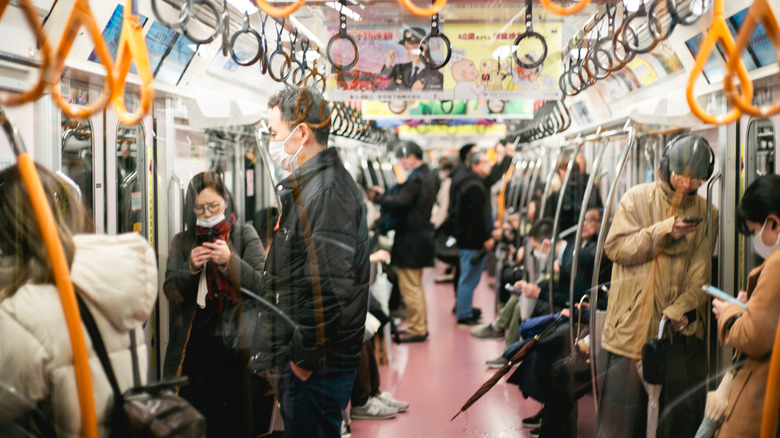
Trains in Japan are famous for being efficient, punctual, and noticeably quiet. For many locals, commuting time is treated as a brief moment of downtime during an otherwise busy day. Because of that, there's an unspoken expectation that passengers keep noise to a minimum when on the train.
Phone calls are strongly discouraged on trains, and you may even notice signs reminding passengers to switch their phones to silent mode. Conversing quietly between friends or family members is okay, but they are usually kept brief and spoken quietly to avoid disturbing other passengers.
Some travelers might question this rule because they occasionally see locals chatting, especially late at night or on weekend trains. Even so, the overall expectation remains the same. Loud conversations, playing music without headphones, or taking calls on the train will make you stand out. Even if you see someone else talking loudly, it's best to remain quiet to avoid any awkward stares or comments.
4. Stand on one side of the escalator
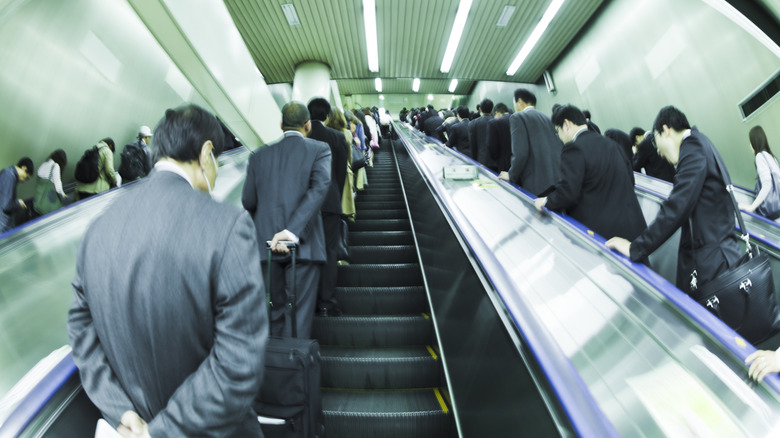
Escalator etiquette in Japan is one of those rules that locals follow automatically but can definitely confuse first-time visitors. When you travel through train stations, people will typically stand on the one side of the escalator. That's so people rushing to catch a connecting train can hurry past on the other side. This practice keeps people moving efficiently, especially during rush hour.
The important detail about escalator etiquette is that the "standing side" can change, depending on where you are. In Tokyo people stand on the left and walk on the right. However, in Osaka, you will find the pattern is typically reversed with riders standing on the right. It's also polite to keep your purse or bags tucked in front of you so you don't block people walking past.
Fortunately, it's typically easy to figure out what to do by watching the people around you. During busy periods, commuters will naturally fall into line after exiting the train. Some stations even have arrows or signs on escalators to guide you. Following the flow might seem like a small thing, but ignoring it can attract annoyed looks and comments from people trying to catch their next train.
5. Know the rules for luggage on the Shinkansen
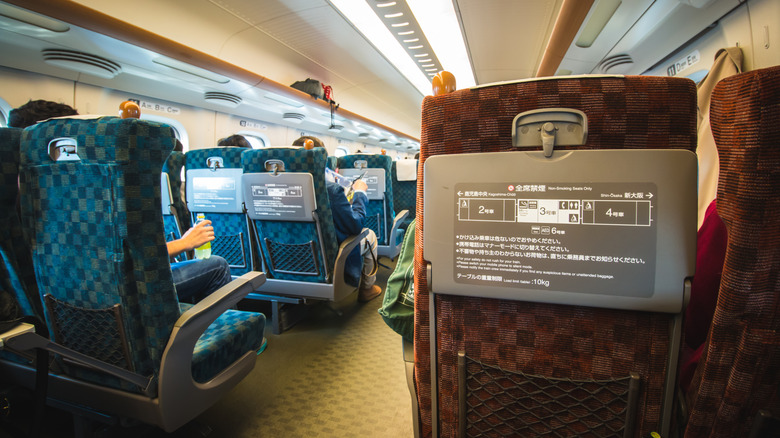
Riding on Japan's bullet trains is one of the fastest and most convenient ways to travel throughout the country. Part of that efficiency is boarding and luggage storage. Unfortunately, Shinkansen luggage rules can often catch visitors off guard.
Oversized baggage generally refers to suitcases with dimensions that exceed 160 centimeters (roughly 63 inches) when you combine length, width, and height. Passengers with larger suitcases are expected to book an oversized baggage compartment or seats in the last row of certain train cars, where designated storage space is located behind the seats. Travelers who bring on these large suitcases without a reservation may be charged an additional fee.
One way to avoid this issue entirely is to ship your luggage ahead to your next destination, including hotels and the airport. Then, you can relax on the train and not stress over large suitcases or trying to reserve the oversized baggage seats.
6. Trash cans are rare, so plan ahead
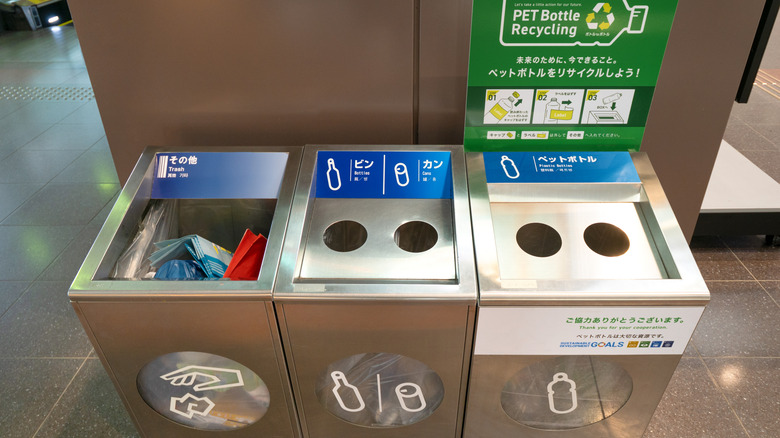
Something that gets talked about a lot online is the lack of public trash cans in Japan. Despite Japan's reputation for cleanliness, garbage bins are relatively scarce in many public places. Travelers may finish a drink or snack and turn around to find there's nowhere to throw the wrapper or bottle away.
Because of this, locals may hold on to their trash until they get home or find an appropriate place to dispose of it. Vending machine areas may have recycling bins where bottles and cans can be discarded. However, these bins are meant for the bottles purchased from those machines.
Convenience stores sometimes have trash cans as well, but there's an expectation that customers only throw away garbage from items purchased at the store. Just keep a collapsible bag in your purse or backpack in case you do find yourself with food or drink trash. Planning ahead can help travelers avoid awkward situations where they are stuck holding on to garbage all day.
7. Some places restrict photography
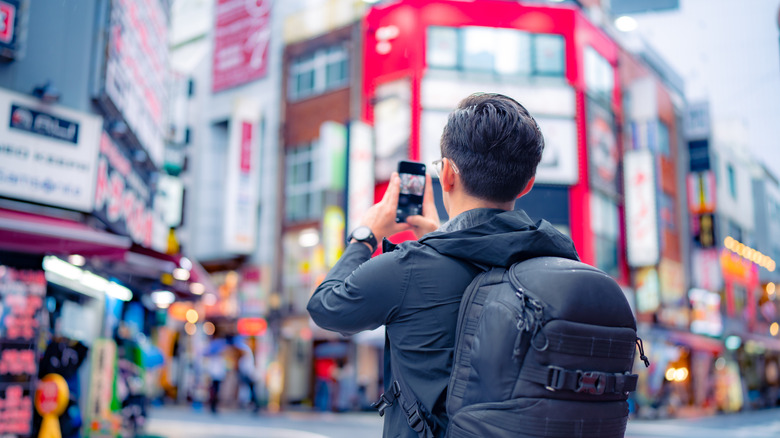
Photography etiquette in Japan may be stricter than you expect. While snapping personal photos at major landmarks is usually fine, some locations limit photography entirely or restrict where photos can be taken. This restriction is especially true in historical areas that have struggled with overtourism in recent years.
Kyoto's famous Gion district is one example where local authorities have introduced restrictions after visitors repeatedly crowded narrow streets and wouldn't stop chasing geishas for photos. Certain alleys are restricted and prohibit photos, with signs warning visitors they may face fines. Similar no-photo or no-commercial-photography signs may appear at shrines, temples, and inside certain shops and cultural spaces. Don't be surprised to see no photography signs at live performances in public spaces.
Japan's no-nonsense photography etiquette is also centered around a strong cultural expectation for personal privacy. You should not take photos of strangers without permission and then post them online. This rule is especially relevant when you're talking about photos of children. When in doubt, it's best to ask permission or simply enjoy the moment in real time without photographic evidence.
8. Sorting trash matters, especially in vacation rentals
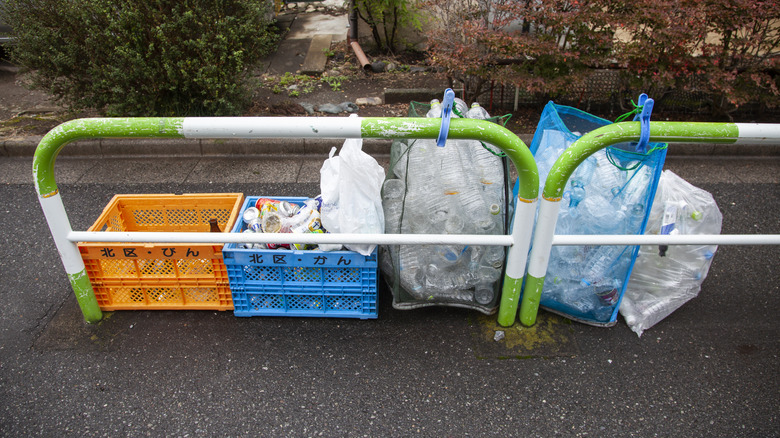
When you stay in a hotel, trash disposal is pretty straightforward as the hotel handles all the sorting. However, if you book a private apartment or an Airbnb, the garbage rules are much more detailed. Many cities have strict systems for sorting waste. Residents, including short-term visitors, are expected to follow them carefully.
Trash is typically divided into categories such as plastics, burnable waste, bottles, cans, and other recycling groups, depending on the municipality. You may even need to separate plastic caps from their bottles. There are approved trash bags that the apartment might supply, or you can buy some up at a convenience store. Garbage that is incorrectly sorted or bagged may not be picked up.
That is why you might see a lengthy instruction on how to dispose of trash. It can seem overly complicated at first, but these rigid systems are part of Japan's broader culture of cleanliness and recycling. Taking a moment to follow the guidelines helps your host and helps you avoid the added risk of a negative review.
9. Eating while walking is generally discouraged
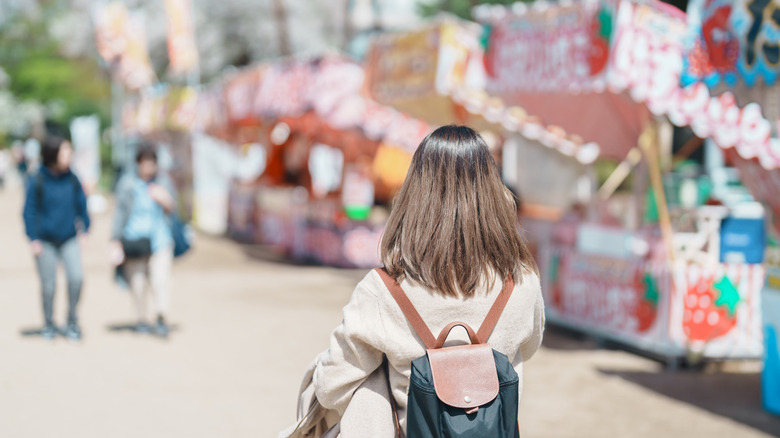
In many countries, grabbing a snack and eating while walking down the street is completely normal. In Japan, however, this behavior is often seen as poor etiquette unless you're at some type of street festival or market. You will definitely find street food stalls and takeaway snacks, but locals usually stop and eat in one place rather than walking around with food and drinks.
Part of the reason people stay in one place when eating is cleanliness. Eating while walking increases the chances of spilling food or dropping crumbs on the already crowded streets. Many small stores still have a tiny space nearby where customers can stand and eat before moving on. In busy areas, you might see people gathering briefly near a stall to finish their food before continuing their walk.
This unexpected food and drink custom isn't enforced per se, and tourists occasionally do it without issue. Still, following the local social norms can help you blend in and avoid drawing attention. If you buy a snack from a shop, pause nearby to finish eating, and then continue exploring when you're done.
10. Keep some cash on you
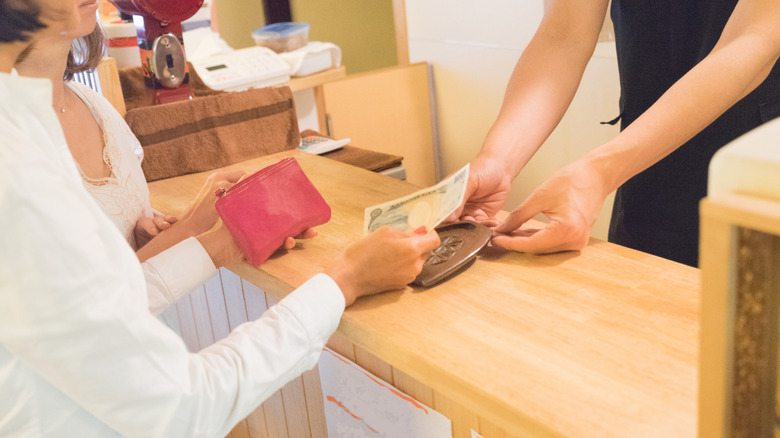
Japan may be known for cutting-edge technology, but it might surprise you to learn cash plays a significant role in everyday transactions. Department stores, major hotels, and chain restaurants typically accept credit cards, but many small businesses still prefer or may require cash.
Cash only is common at small restaurants, temples, street markets, and shops, especially in smaller towns. Metro stations might only accept cash to recharge your transit card or pay for train fare. While it's great to rely on cashless payments for most things, travelers can sometimes find themselves unexpectedly unable to pay.
Carrying some yen with you makes things much easier, especially outside of cities like Tokyo or Osaka. If you don't want to carry a lot of cash, you can also load money onto IC travel cards, such as Suica or Pasmo. These cards can be used at many vending machines, convenience stores, arcades, and more. However, they are unlikely to be accepted at small shops and stalls. Some restaurants will have signs or tell you up front that they are cash only. If you are unsure, it's always best to ask. Fortunately, ATMs are widely available, so you are usually never far from one.
11. Restaurant seating and ordering often have specific rules
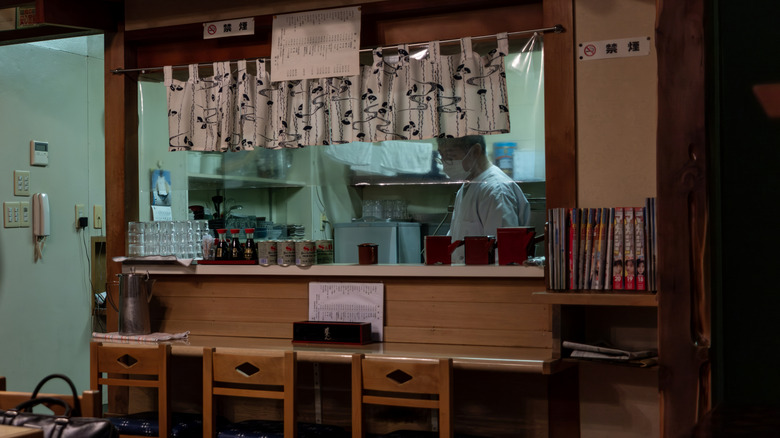
Dining out in Japan can feel a little different from what many travelers are used to, particularly when it comes to seating and ordering expectations. Many restaurants are small, especially in larger cities like Tokyo, where space is limited. It's not unusual for a restaurant to have less than 10 seats. Many of these places cater to solo diners or very small groups.
Because of space constraints, restaurants may also have rules about ordering. Some establishments require each person to order at least one dish, while others might require one food item and one drink per person. Larger groups may run into issues getting reservations because restaurants simply don't have the seating capacity to accommodate them. Say, for instance, if you're traveling with six people and trying to get into a small sushi bar, you may be turned away.
Another difference that travelers might encounter is that meals are quick. While bars and izakayas are places where people tend to linger, many small restaurants, especially ramen shops, expect diners to eat and immediately move on once they are finished. It's part of how these limited-seating restaurants serve a steady flow of customers each day.
12. You don't typically tip taxi drivers or restaurants
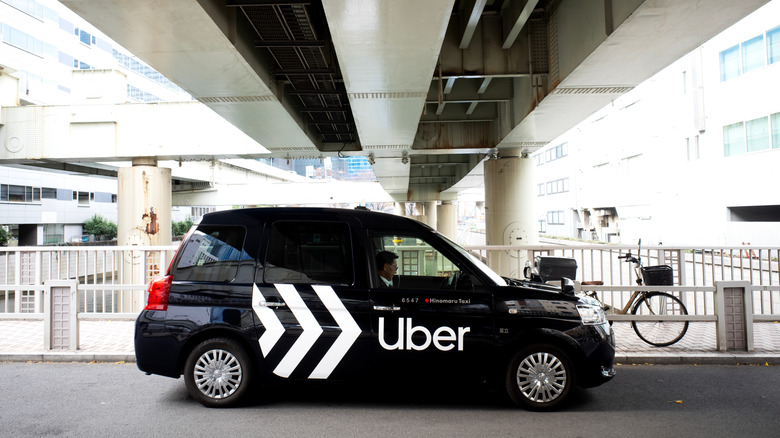
Tipping is common in many parts of the world, but in Japan, it's generally not expected and can sometimes cause confusion. Service workers take pride in providing attentive hospitality. Excellent service is considered a standard part of the experience rather than something that requires additional payment.
In restaurants, leaving money on the table after paying may lead staff to assume you accidentally forgot it. In some cases, someone may approach you to return what they believe is money you left behind. The same no-tipping rule typically applies to taxis, hotels, and many other service industries where tipping is customary elsewhere. There are some situations where you can discreetly offer gratuity, but it's on a specific case-by-case basis.
Instead of tipping, the price listed on the menu or receipt is what you pay. This level of service is built into the culture of hospitality, often called omotensashi. For travelers, the easiest approach is to thank staff politely and enjoy the experience without calculating a tip.
13. Be careful with medications you bring
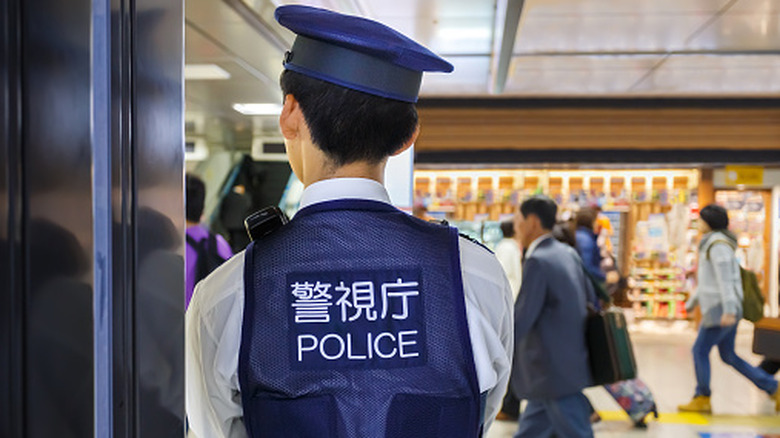
Travelers are often surprised to learn that some medications commonly sold over the counter in other countries are restricted or even illegal in Japan. Bringing certain decongestants, cold medicines, and stimulant-based medications can land you in legal trouble under Japanese law.
Prescription medications also have strict requirements, especially ADHD medications. Even if you have a prescription in the United States, it doesn't mean the medicine is allowed in Japan. In some cases, you might need to apply for advance permission from Japan's Ministry of Health before entering the country. Even approved medications have limitations, such as only bringing a one-month supply without approval. If you are traveling for more than a month, you're expected to apply for approval.
Because the rules vary and medications go by different names, it's important to research any medications you plan to bring. Checking official government websites, such as the Narcotics Control Department, ahead of time can help you avoid bringing something illegal that could land you in trouble.
14. Queueing is taken seriously
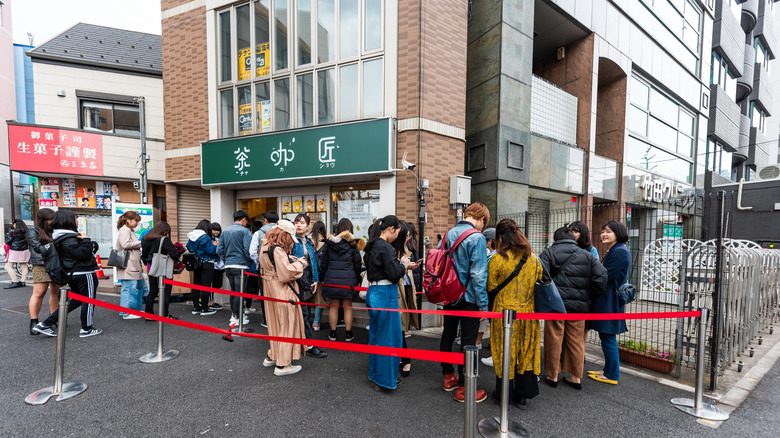
Whether you're boarding a train, waiting to enter at a store, or riding a Tokyo Disney attraction, queueing is taken seriously in Japan. Part of that reason is because it's considered part of daily etiquette. Cutting in line or trying to move ahead of others is considered extremely rude and will quickly draw disapproving looks.
In many places, the queuing system is clearly organized to keep things moving efficiently. At train stations, you'll often see painted lines or numbered markings on the platforms that show where passengers should stand while waiting for the next train. Riders form neat rows and allow everyone to exit the train before boarding. You might find similar markings in elevators, shops, and ticket counters.
For travelers, the easiest approach is to follow what others around you are doing. If there's a line forming, join at the end and wait for your turn. This guideline applies almost everywhere, from theme parks to ramen shops. Respecting the queue may seem like a small gesture, but it reflects the broader emphasis on order and consideration that shapes everyday life in Japan.
15. Etiquette matters in shared and public spaces
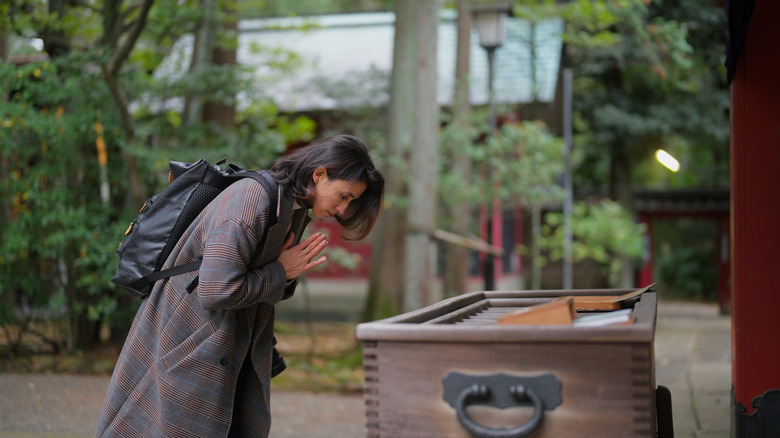
Many of Japan's unwritten rules come down to being mindful of those around you, especially in shared spaces. Visitors will notice that some public places tend to be quiet and orderly, despite how crowded they are. That's largely because everyone follows small etiquette habits. Talking loudly in enclosed spaces, blocking walkways with luggage, jaywalking, and ignoring posted signs can cause you to stand out more than you might expect.
This awareness is especially important if you're visiting religious and traditional sites, where visitors should behave respectfully. You might see people bow slightly before entering a religious site, wash their hands at purification fountains, or speak in lower tones while walking through the grounds. These customs aren't complicated, but they show consideration and respect for places locals consider meaningful rather than just photo opportunities.
Onsen are another place where etiquette is especially important. Guests are expected to wash thoroughly at the shower station before entering the shared bath, since the water is meant for soaking rather than cleansing. Swimsuits are typically not allowed in traditional onsen either. Following these rules helps keep the baths clean and preserves the calm, relaxing atmosphere that Japanese hot springs are known for. These are just a few examples of being mindful in shared spaces can enhance your experience in Japan.