
9 Rules To Know Before Traveling On A Sleeper Train
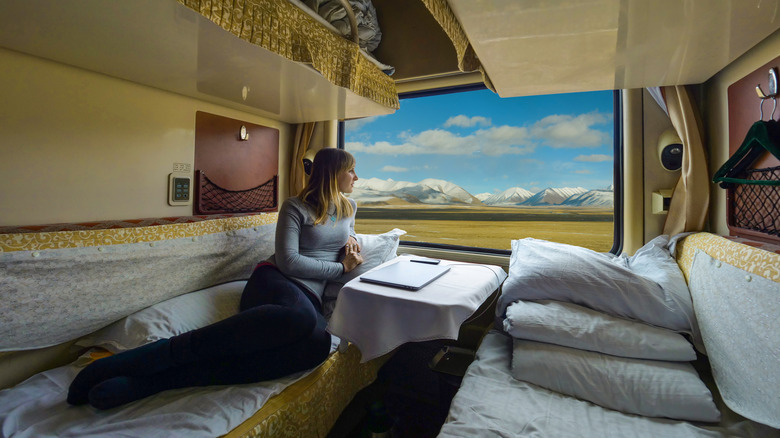
There's an undeniable romance to the sleeper train. Falling asleep in one country and waking up in another — it's the kind of experience that seems to belong on the pages of a decades-old novel. And although the popularity of the overnight train has fallen since its pre-World War II heyday, such services are very much alive and, in many cases, an excellent way to make the most of any adventure.
If the thought of saving travel days by moving between locations at night or even just skipping that trip through airport security is appealing to you, you may find that sleeper trains are your best bet. There's a reason they're making a global resurgence, and you may well find yourself planning an overnight train trip or two into your itinerary. So, what do you need to know before you go?
While sleeper trains are in many ways a wonderfully intuitive way to travel — overnight train travel is a game-changing way to maximize your vacation days — you'll need a bit of prior knowledge about how they work to ensure that you (and your fellow passengers) have the best possible experience. If a sleeper train adventure is on the horizon for you, these are nine things to keep in mind before and during your trip.
Know your seat classes
Fair warning: This tip will look a bit different in practice depending on where you're traveling, as every rail company does things a bit differently. When you're starting to lock in your sleeper train tickets, it's broadly advisable to do a little research on what kind of seats are available on your train of choice before you book.
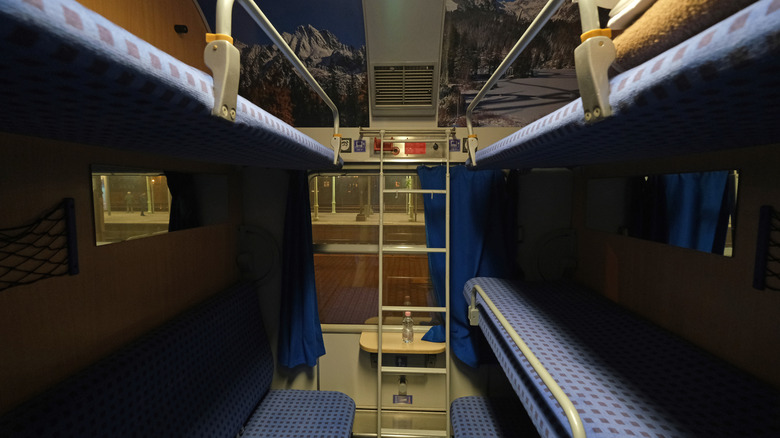
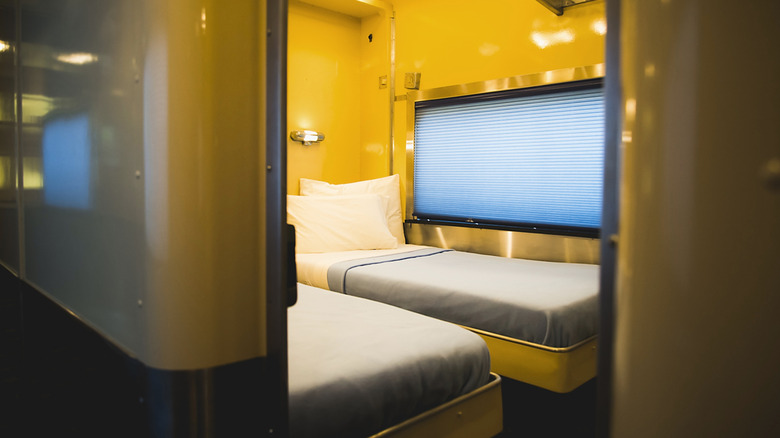
Firstly, you'll want to know that not all overnight trains exclusively offer rooms with beds. On some popular sleeper train services, like most of Amtrak's routes in the U.S. and Vietnam's popular Reunification Express, it's possible to book a regular daytime Coach seat for an overnight route. And you'll also want to keep in mind that there are often big differences between cabin classes. For example, many European services offer shared couchettes or more expensive private rooms, and price points and amenities are usually very different. It varies widely by country and route, but most operators offer several different classes of seats or rooms, and your experience is likely to change depending on which type you book.
Don't assume that all berths on an overnight train are the same. If you have special circumstances, like a larger travel group or an absolute need for quiet, it's helpful to know what's what in terms of sleeping options. Otherwise, with a wide range of room styles available on many trains, you may end up in a sleeping situation you didn't anticipate.
Bring sleep aids
Overnight train travel is eco-friendly, efficient, and even a little bit romantic, but one thing sleeper trains usually are not is quiet. If you end up sharing a room with other passengers, you never know who's going to talk, rustle, fidget, rummage, or watch TikToks without headphones all night — in other words, noise is almost guaranteed. Add in the light of a bunkmate looking for something that fell through the mattress slats with their phone flashlight or even the ambient sounds of the train, and you have a recipe for a very often interrupted night of sleep.
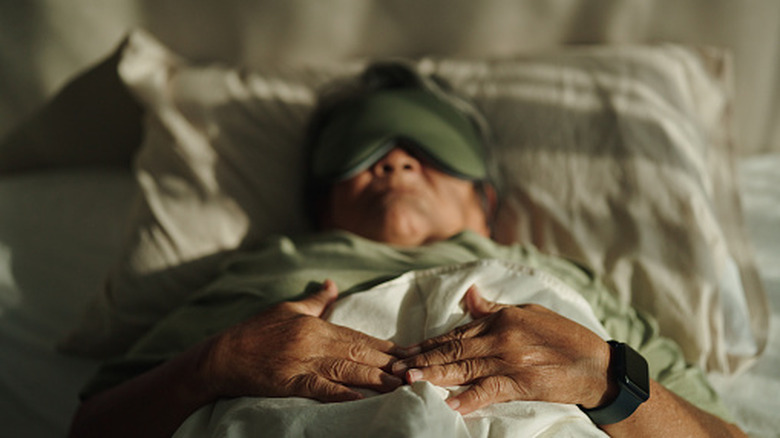
This doesn't mean it's impossible to sleep well en route, though. Just come prepared with an eye mask to block out light and earplugs to tune out all those TikToks. You could even bring noise-cancelling headphones for extra protection, provided you can get to sleep wearing them. This is especially critical if you're a light sleeper and you know you won't be able to get any shut-eye if there's too much going on around you. Since you can never entirely control factors like the noise level in your cabin, planning ahead to mitigate them is your best shot at waking up refreshed at your next destination.
Anticipate a range of temperatures
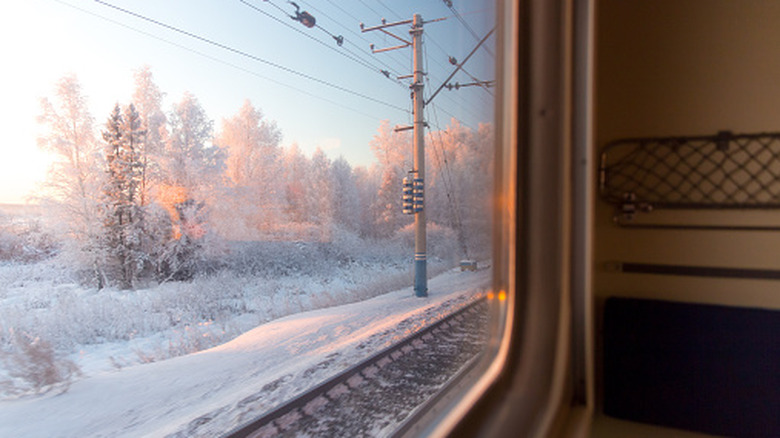
If you've ever taken a commercial flight, you probably know what a wide range of temperatures you might experience inside an airplane cabin. This is equally true on an overnight train, where you're sharing a vehicle with fellow travelers and may well be subjected to frigid temperatures in an attempt to keep the heat down — or you might find yourself uncomfortably hot. As on an airplane, the best strategy for combating temperature annoyances is to wear clothes you can layer.
Temperature can play a major role in the quality of your sleep aboard the train, so start with a base layer of clothes you won't likely get too hot in and then add additional layers if you find that cabin temperatures are chillier than you anticipated. This way, you will likely be able to adapt to any capricious thermostats or Antarctic gusts from the vent above your top bunk (more on that later). This is particularly important to note if you know that you can't sleep at a certain temperature. Know yourself, and come prepared for anything.
Similarly, if you're worried about being cold, it might be wise to pack an extra blanket. You're likely to be given basic bedding in your cabin, but if you have even an inkling of worry about being cold, it's wisest to bring backup in the form of a travel blanket. This is, of course, especially critical if you've booked a seat rather than a bed.
Keep the noise down
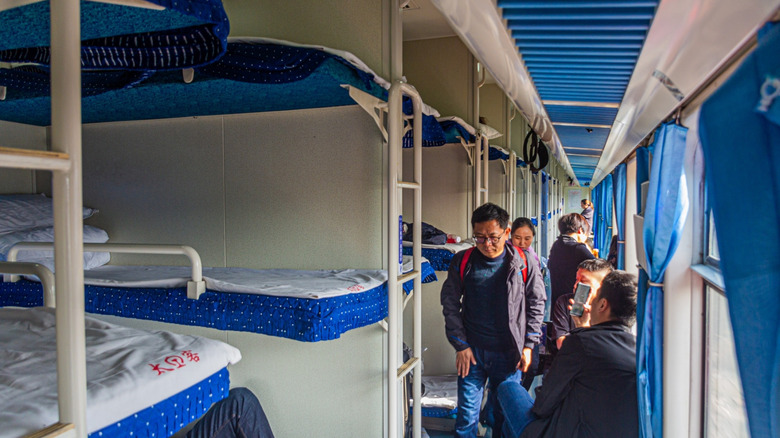
There aren't many everyday occurrences more annoying than unwanted ambient noise. Your upstairs neighbor making a racket at odd hours of the night; a passenger on the bus making a phone call on speaker in full hearing of everyone; the ringing of someone else's cell phone during a movie — few people appreciate that kind of auditory intrusion. Neither do your fellow passengers on overnight trains.
While overnight train travel can feel festively adventurous, be wary of taking that festive atmosphere too far. It's good manners to keep the volume down at night, which not only means refraining from loud conversations but also avoiding any sort of banging, clanking, or noisy rummaging in your cabin if you're sharing it with other people. No matter what the actual configuration of your sleeping arrangements might be, it's best to act as though the walls are thin. At worst, it'll make you overly cautious, and at best, it'll help you to avoid irritating your fellow travelers.
Also important to note is that noise isn't the only thing that can keep your fellow passengers from sleeping soundly. It's best to avoid using the overhead light in your cabin or carelessly waving your phone's flashlight to navigate the train at night. Much like an onslaught of oncoming LED headlights on the road can be far more disruptive than a spot of overzealous honking, flicking on the light can be just as inconsiderate as making too much noise.
Book ahead of time
One of the things that can most easily make or break your sleeper train experience is waiting too long to book. In the worst case, it can mean that you don't even make it onto your intended train to begin with, as popular sleepers often sell out far ahead of the departure date. Multiple failed attempts to book an already-sold-out berth on the Sunrise Izumo-Seto train, Japan's only sleeper service, taught me this the hard way! But even if you do manage to snag a seat, it may not be the type you wanted; I've had this experience, too, and it's always a downer to wind up in a less comfortable class than you intended to because the pricier, often less numerous cabins were already sold out.
In order to avoid either of these unpleasant scenarios, sleeper trains should be one of the first things you commit to when you're planning an initial itinerary. Some sources (such as Rick Steves) say it's fine to book only a week or so in advance. However, if you have your heart set on a specific date, time, or seat type, it's smart to check when tickets become available and book them as soon as they drop, if possible.
This is especially relevant on Amtrak trains, which use dynamic pricing and often get incrementally more expensive as the departure date approaches. In the case of U.S. sleepers, booking early can save you loads of money, too.
Avoid the top bunk
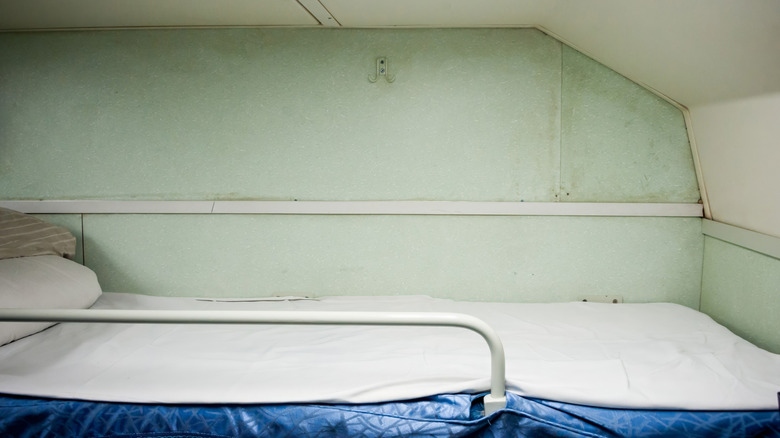
This one might be a bit controversial. In compartments with bunk-style beds, opinions vary widely about whether you want to end up in the bottom or top bunk, and both have their pros and cons. While we'll get into those in a moment, let it be known right off the bat that we're taking a stand in favor of the bottom bunk here. This is mostly because there are a variety of annoyances that are easily avoided by avoiding the top bunk if you can.
Firstly, top bunks are often right under the air conditioning vents, so if you run cold, you might find yourself having a pretty miserable night. Depending on the positioning of the vent, it can also be warmer. After all, hot air rises. Top bunks also tend to offer less vertical space, so taller or claustrophobic travelers will probably not appreciate being so close to the ceiling. And stowing luggage up top can also be annoying if you have heavy suitcases. That said, you have more privacy in the top bunk, and the views are often better, so it's not without its merits.
That said, our recommendation remains the same: Where possible, opt for the bottom bunk. Many travelers find it smoother (as per Rick Steves), you won't have to worry about falling (unlikely, but never impossible), and all of those pesky temperature and luggage issues are pretty much irrelevant on solid ground. If you're dying to take the top bunk, you should go for it. If you're ambivalent, we suggest avoiding it where you can.
Beware of border crossings
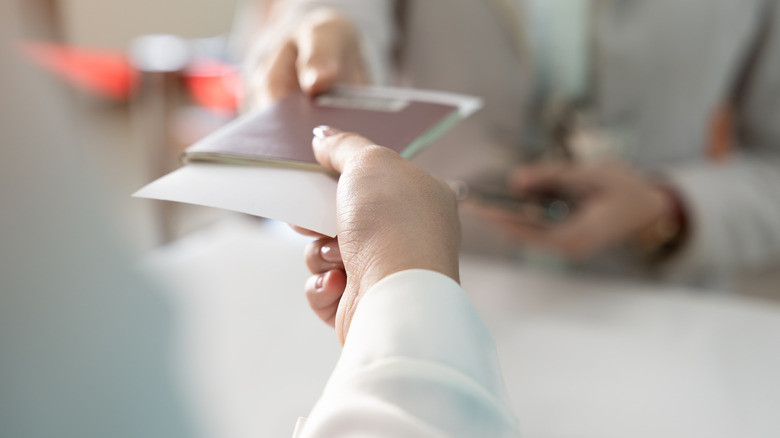
The idea of going to bed in one country and waking up in another is truly romantic, we won't deny that. Unfortunately, the reality is often a little bit less so. Suffice to say, those sleeper train dreams don't take modern geopolitics into account, so while you may have imagined the train as a way to avoid the annoyance of passport control and border-crossing queues, you haven't actually dodged them at all. And they're likely to interrupt your precious sleep.
In some areas, especially within the European Union, you probably won't have to present your passport at border crossings. It's one of the many perks for tourists traveling in the Schengen Area. Elsewhere, you would be well-advised to keep your passport on your person, because you'll likely have to present it at border crossings. Depending on the train's schedule, that may happen in the middle of the night.
This is obviously a reason to keep your passport handy, but it might also be a reason for some travelers to reconsider overnight train travel entirely. If you know that you can't get back to sleep once you've been woken up, the idea of a midnight wake-up for a passport check might not sound like the recipe for a restful night, and that's a perfectly valid reason to keep cross-border travel confined to the hours you're likeliest to be awake already.
Bring your own bottle (of water)

Lots of sleeper train tips boil down to preparation: Pack this, wear that. This is one of those tips, but it may actually be the most important one of all, as it can be surprisingly difficult to access potable water around the clock on a train. This could well be a situation where picking up one of the best travel water bottles before your trip is a lifesaver.
Many sleeper trains have dining cars with drinks available, but this isn't a given. And you definitely don't want to count on tap water — if it's not safe to drink tap water on land in many countries, it isn't a stretch to say that it is less advisable to try doing that in a train bathroom. It's very easy to end up in a situation where you're desperately thirsty in the middle of the night, but don't have any way to get potable water.
The solution here is to come well-stocked. Fill that refillable water bottle up before you board, or purchase some bottled water in advance. Don't risk dehydration — assume you won't be able to find water onboard, and you'll be set no matter what.
Watch out for your valuables
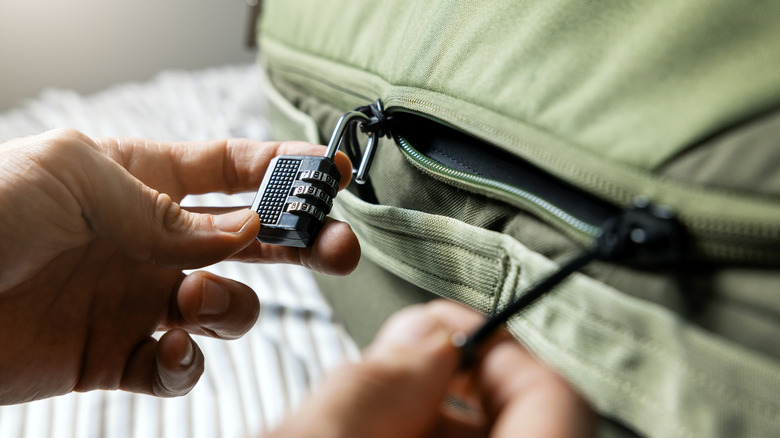
Overnight trains are fun, efficient, and eco-friendly, but they're also communal spaces where people let their guard down for hours at a time to sleep. Unfortunately, that means that theft is always a possibility. Even if the risk is low, you're always better safe than sorry when it comes to keeping your valuables.
For absolutely critical items, it's wisest to keep them on your person as much as possible. At the very least, don't leave them unattended. It may sound a bit paranoid, but it's always safest to assume that anyone who enters your room might have a motive to steal your stuff and protect it accordingly. In a similar vein, a luggage lock on your bag can be helpful if some of your valuables are stored in a larger bag that won't be on your person at all times. You might also consider sleeping with some of your most important possessions under your pillow for extra certainty that they won't go missing.
The chances of having your luggage stolen on a night train aren't high, but you're in a space that gives others the opportunity to move in on your laptop or wallet if they feel the urge, so take that seriously. While you don't need to stay up worrying your stuff will be gone come morning, you'll want to be cautious just in case.
Methodology
Many of the rules on this list might seem pretty intuitive, but they don't come out of thin air. They're tried-and-true tips from expert train passengers and travel organizations from Amtrak to Rick Steves and the tour operator Contiki, all of whom would know a thing or two about train travel. That said, there's an internal logic to most of these tips that you may have picked up on: plan ahead and know yourself.
Though these tips will keep you from the worst sleeper train pitfalls, it's also critical to know your own habits and preferences. Self-awareness is the first step in adapting well to a new travel experience like sleeping aboard a train, so if you know there are certain things that bother you or others you can't sleep without, our number-one sleeper train rule of thumb is this: anticipate your own needs. Ultimately, that's what all of these tips boil down to, but it's important to think outside of the box.
In the end, remember that a great night of sleep can make or break a day of vacation. If there's anything you can do to make your overnight train ride more comfortable and conducive to quality sleep, take advantage of it. Do that, and you'll give yourself the best possible chance of enjoying the sleeper train adventure you've always (pun not intended) dreamed of.