
The World's Longest Human-Made Fishing Pier Is A Gulf Coast Paradise To Fish With Galveston Bay Views
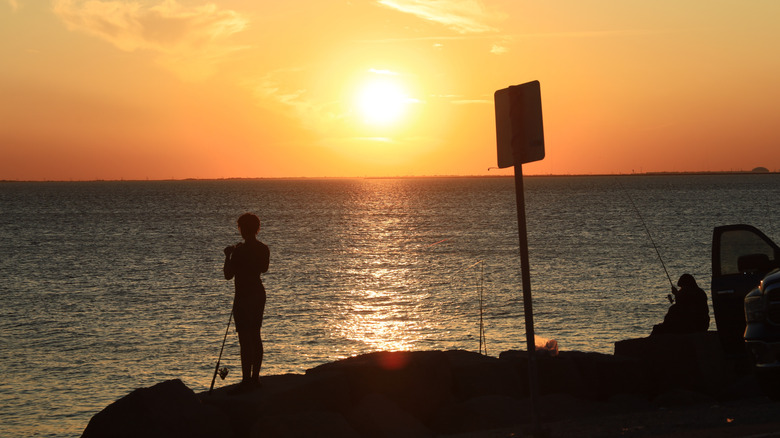
Historic Galveston Island seems to fully embrace the "everything's bigger in Texas" mantra. Along the beachfront is America's longest pedestrian walkway, the famed Galveston Seawall. On the other side of the island sits Galveston Bay, the largest saltwater bay in the Lone Star State. And, extending into Galveston Bay from the mainland is the world's longest human-made fishing pier, the Texas City Dike. This enormous structure offers an excellent platform for anglers, as well as sightseers looking to take in panoramic views of Galveston Bay and Island.
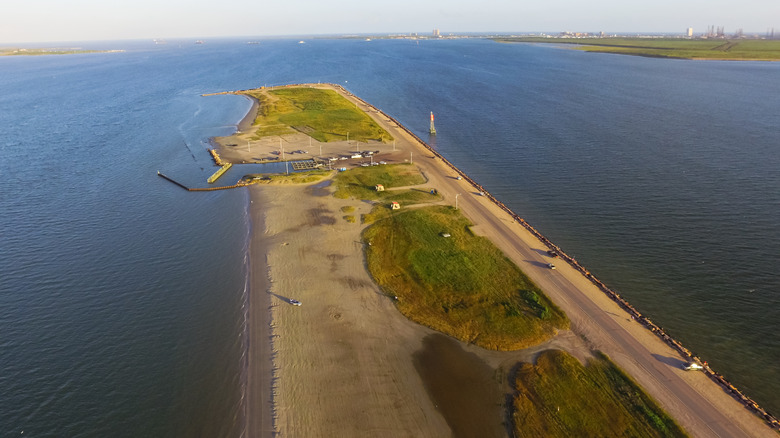
When envisioning the Texas City Dike, put aside your preconceived notions of a fishing pier. This spot is not simply a wooden stilt structure hovering above the bay waters like most fishing piers. Nor is it a rock groin or granite jetty jutting out into the bay. In fact, at first glance, it doesn't even appear to be a completely manufactured site. From above, the dike almost seems like a natural peninsula accented by wood, rock, and concrete features. All told, it reaches over 5 miles into Galveston Bay. Additionally, it is wide enough to drive on and even has boat ramps, a disc golf course, and several other amenities.
Although the structure's intended purpose was to protect the Texas City Ship Channel from silting, over the decades, it has become an extremely popular recreational destination. Today, you can find anglers, birders, and sightseers visiting the dike in droves.
Go fishing on the Texas City Dike
Despite its original function as a breakwater, the Texas City Dike is now best known as a Texas fishing destination. As is the case in virtually all the state's inshore bays, the primary target species here are what those known throughout the Lone Star State as the Saltwater Big Three — speckled trout, redfish, and flounder. However, a variety of other species (such as sheepshead and black drum) are also popular among anglers.
Regardless of which species fishing enthusiasts pursue, there are ample areas where you can cast a reel. For starters, there is a 600-foot-long lighted fishing pier extending from the dike. However, the vast majority of anglers just plant themselves somewhere along the 5.3-mile length of the dike itself. The south side is completely lined with large granite rocks and faces the Texas City Ship Channel, which is around 50-feet deep. The north side is a mix of granite rocks and stretches of sandy beach fronting the open waters of Galveston Bay. Kayak anglers often launch from these sandy areas, while boaters can choose between four ramps.
Texas City Dike provides good fishing opportunities throughout the year. However, some seasons are better than others for certain species. Speckled trout are caught throughout the year. However, during the heat of summer and cold of winter, they will often be found in deeper water. During summer, they are also consistently caught at night under the lights of the pier. Likewise, redfish are caught all year long, but fishing for mature "bull" reds is best during fall and winter. Flounder are best in spring and fall. Big black drum are commonly caught throughout winter, and sheepshead are best during late winter and early spring.
Get the full Texas City Dike experience
While fishing is the primary purpose for most people heading to Texas City Dike, it's not the only reason visitors enjoy the area. In addition to fishing and beach areas, the dike has hiking and biking trails, a disc golf course, and nearly a dozen covered picnic areas. Although there are much larger beaches on Galveston Island, the pocket beaches on the dike have developed a reputation for producing good finds of seashells and sea glass.
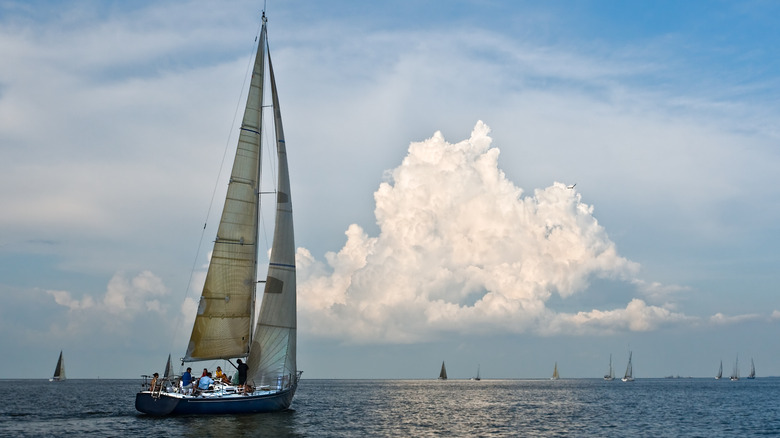
The Galveston Bay views are yet another big reason visitors flock to the Texas City Dike. Along the dike, it is possible to see various bird species and enjoy panoramic vistas of the bay. In addition to seeing fishing, shrimping, and sailing boats traverse the local waters, visitors can also spot the Bolivar Peninsula and Point Bolivar Lighthouse to the northeast. On the opposite side, the skyline of Galveston Island comes into sight.
Accessing the Texas City Dike is relatively easy. It starts by traveling to its namesake town — Texas City, which is situated between Houston and Galveston. While this location may be somewhat overshadowed by its more famous neighbor across the bay, it is the starting point for the famous dike, which is open 24/7. Entering the dike is always free for pedestrians and bikes. Most of the time, it's free for vehicles as well. However, from March through October, there is a $10 per vehicle charge on weekends. Fees on holiday weekends during that time are $20 per vehicle. There are ample restroom and trash facilities along the length of the dike. At the base is Boyd's One Stop, which is somewhat of a bay area institution. It sells a variety of bait, tackle, supplies, prepared meals, and fresh seafood.