
Warning Signs You Should Look For When Booking A Rental Car

We may receive a commission on purchases made from links.
Booking a rental car often feels like one of the simplest parts of planning a trip. You compare a few prices, pick a vehicle, and move on. But not every rental company operates with the same level of transparency, and what looks like a straightforward reservation can come with complications that only surface at the counter or after you've returned the car. Hidden fees, unclear policies, and inconsistent practices can turn your routine rental into an expensive and very frustrating experience.
It's important to watch for warning signs specific to rental car companies that may signal higher risk, such as unclear pricing or recurring customer complaints. We looked at widely observed industry practices, media reports, and customer reviews to identify some of the biggest warning signs to look out for when renting a vehicle. However, it's important to note that not every frustrating experience or car rental mistake is a "scam." As someone who managed litigation claims for some of the biggest insurance companies and rental car agencies, many disputes were the result of people not reading or understanding contract terms, coverage, and indemnity clauses. Also, policies and laws vary across different countries. Just because a rental car company has one policy in the United States doesn't necessarily mean it applies elsewhere in the world.
Some risks when renting a car are the result of companies not being as transparent as they should be. In other situations, the risks come from people moving too quickly through the booking process. Knowing how to spot both can help you choose a company you can trust and avoid costly surprises when planning the road trip of your dreams.
Prices that are significantly lower than competitors
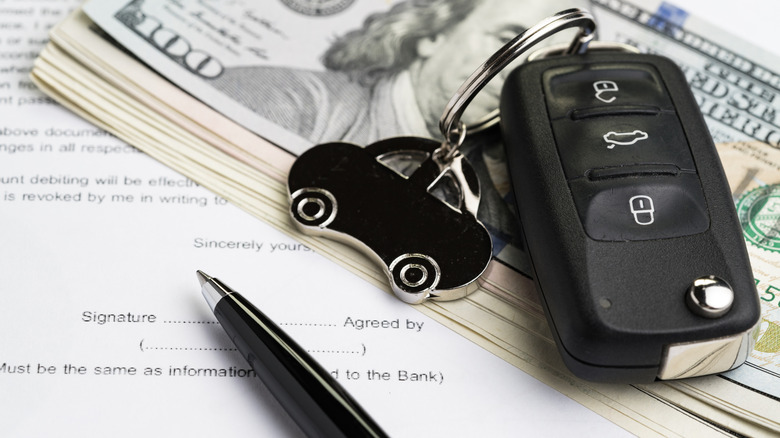
When you're scrolling through rental car options, it's tempting to book the lowest price. But when one company's rate is significantly lower than the competition, it's worth doing a bit more research. In some instances, the price gap isn't a true savings. Instead, there may be a number of hidden costs. However, there are some programs — like a Costco membership — that can legitimately help travelers save a significant amount on a car rental.
When comparing prices online, be sure you are doing so on a legitimate site, not a spoof one. Unfortunately, there are unscrupulous companies online masquerading as legitimate car rental agencies. The website looks like the real deal, but it may be a scam site. If you're calling, check that the phone number is correct. A major red flag is when the scammer asks you to pay the rental in full at the time of booking with a prepaid debit card or a gift card.
A good way to weed out potential scam pricing is to compare several listings side by side and look for outliers rather than averages. If one price is significantly lower than the rest, dig into the terms and do some online research before booking. Look at what is included, confirm the final total, and read what people say in recent reviews. If the savings still hold up after that, it may be a legitimate deal. If not, you're better off paying slightly more for a more predictable experience with a trusted rental car company that ranks high in traveler satisfaction.
Vague or missing insurance information
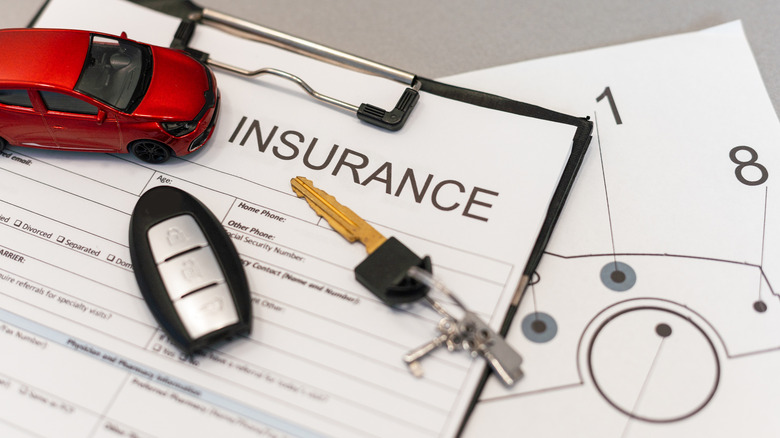
Insurance is one of the most important parts of renting a vehicle, but it's also one of the easiest aspects to misunderstand. When a company doesn't clearly explain what's included, it puts travelers in a difficult position when they arrive to pick up the car. Faced with the possibility of being held responsible for damage, many people agree to additional insurance on the spot, without knowing whether they already have coverage through a credit card or a personal policy.
Most rental insurance offered by credit cards is only for damage to the rental vehicle, not any damage you cause to someone else's property or any injuries you cause. Be sure to research and understand what each type of coverage is. In some cases, it's worth buying extra rental car insurance, especially if you have a high deductible on your personal policy.
To avoid this, look for clear, written details about what is and isn't included before you book. If the language feels vague or incomplete, that can be a warning sign. It's also worth confirming your existing coverage in advance so you don't make decisions under pressure. When you clearly understand everything ahead of time, it's much easier to decline unnecessary add-ons and move through pickup with confidence.
Mandatory fees not included in the total price

One of the most frustrating surprises about booking a car is realizing the advertised price isn't always the full total. Some companies display a base rate that excludes some fees. Instead, you're left to discover the true cost later in the process or, worse, at pickup.
These hidden fees can include airport surcharges, facility charges, cleaning fees, or local taxes, all of which can significantly increase the cost. The issue isn't just the extra expense; it's the lack of transparency. When pricing isn't clearly presented from the start, it's difficult to compare options and easy to underestimate what you'll actually pay. Choosing companies that provide a clear, all-in total early on can help avoid that uncomfortable moment at the counter when the numbers no longer match what you expected.
You can usually spot this by watching how the total changes as you move through the booking steps. If the price jumps noticeably between the initial listing and checkout, that's a sign to slow down. Look for a detailed breakdown and read the fine print around "additional charges." In some cases, you can save money by renting a car at a non-airport location.
Strict or confusing fuel policies
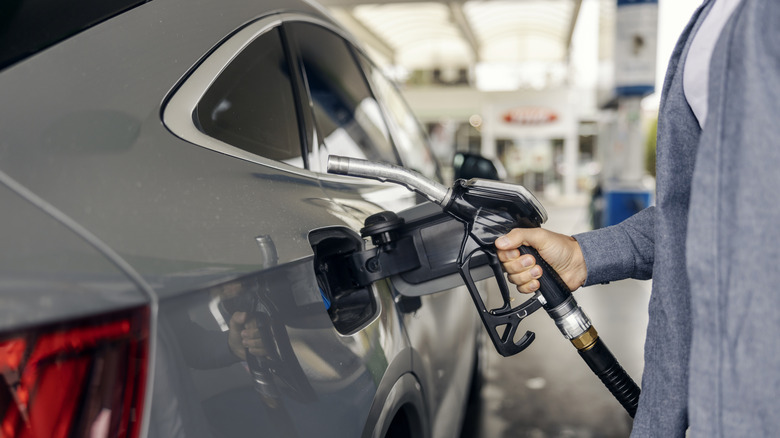
Fuel policies are one of those rental contract details that can seem minor at first, but they can become expensive if not clearly understood. Some rental car companies offer fuel options that sound straightforward, but come with conditions that aren't obvious until the end of the rental.
For example, prepaid fuel might seem convenient, but it often means paying for a full tank even if you only use a fraction. On the other hand, a "full-to-full" policy can still result in charges if the company determines the tank isn't refilled to its exact standard. These small differences can result in costs that could've been avoided.
The key is to look for clear, simple explanations of how fuel is handled. If the policy feels overly complicated or leaves room for interpretation, that's something to watch for. Taking a photo of the fuel gauge at pickup and refilling close to the return location can also help protect you. A straightforward policy is usually a good sign, while anything confusing can open the door to unnecessary charges upon return.
Consistent complaints in reviews about hidden charges

A low rating alone doesn't always tell the full story, but patterns in reviews can be incredibly revealing. When multiple reviews mention unexpected charges or unresolved billing disputes, it's usually not a coincidence. These kinds of repeated complaints often point to a company that operates with less transparency than it should.
The risk here isn't just paying more than expected; it's dealing with charges that show up after your trip is over. It isn't unheard of for renters to be billed days or even weeks after booking for fees they didn't fully understand at the time. Trying to dispute those charges from home can be time-consuming and, in some cases, unsuccessful. One example is the prepaid toll charge or an "all-inclusive" toll charge. Some rental agencies charge a daily fee plus tolls, with no ability to opt out.
Before booking your car, take a few minutes to scan recent reviews rather than just the overall rating. Look for specific language that repeats across different customers. If multiple people are describing similar issues, especially around billing, it's worth taking seriously. Choosing a rental car company with higher rankings doesn't guarantee a perfect experience, but it can significantly reduce the likelihood of encountering the same problems.
High security deposits or credit card holds

Most rental companies place a hold on your card, but the amount and timing can vary more than many travelers expect. When that information isn't clearly disclosed, it can catch travelers off guard at pickup, especially if the hold amount is large.
The risk isn't just the temporary loss of access to those funds. A high deposit can reduce your available credit during the trip, potentially affecting your hotel check-ins, additional travel-related spending, and even everyday charges. In some cases, renters also report delays in having those holds released, extending the inconvenience beyond the rental period.
You can often spot this issue by digging into the payment terms before confirming your reservation. If the deposit amount isn't clearly stated, or if reviews mention unexpected holds, it's worth reconsidering that rental.
Limited mileage or distance restrictions
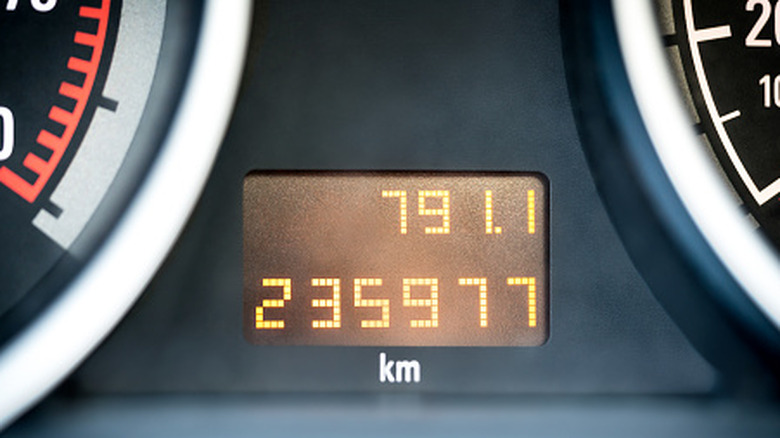
Mileage limits are easy to overlook when you're focused on daily rates, but they can have a big impact on the total cost of your trip. Some rentals come with caps on how far you can drive each day or during the rental period. If you go over, you'll typically be charged per mile, and those fees can add up quickly, especially on longer drives or multi-city itineraries.
Even listings that advertise "unlimited mileage" aren't always as open-ended as they sound. In some cases, the contract includes fine print that places soft limits over a week or month, or restricts excessive use that falls outside normal driving expectations. Travelers planning longer road trips may not realize this until after the fact, when additional charges begin to appear.
It's also worth noting that mileage allowances can vary depending on the type of vehicle. Standard cars are more likely to come with flexible terms, while luxury or specialty vehicles may have mileage restrictions built into the agreement. Always confirm the actual mileage allowance before you sign the contract and take the vehicle. Ask questions if your plans involve covering a significant distance. Confirming contract details from the start can help avoid unexpected costs once you're ready to return the vehicle.
Poorly explained damage policies

The way a rental company handles inspections can make a big difference if questions arise later. When the process isn't clearly explained or consistently followed, it opens the door to disputes about who is responsible for damage. Without proper documentation at the start, travelers may find themselves being held accountable for scratches or dents they didn't cause or didn't even notice.
This risk often shows up after the car is returned. A company may point to damage that wasn't flagged during pickup, leaving the renter to try to prove it was already there. That becomes much harder without a clear, shared record of the vehicle's condition. Even small imperfections can become a point of disagreement if they weren't formally noted.
Always treat vehicle pickup like a full inspection. Walk around the vehicle before leaving the lot, and take photos and videos if possible. Include close-up photos of damage, no matter how minor they seem. If you spot something, make sure a rental representative documents it in the official record before you drive away. Having that extra layer of documentation can make all the difference if questions come up after your trip.
Aggressive upselling at pickup

A certain amount of upselling is part of the rental process, but when it becomes persistent or high-pressure, it can be a sign that the base booking is intentionally minimal. Some companies rely on this hard sell at the counter to increase revenue, counting on travelers being tired, short on time, and less likely to push back. What starts as a quick pickup can turn into a series of add-on offers that significantly raise the final cost.
These add-ons usually center on insurance, upgrades, or extras presented as essential rather than optional. Travelers may be told their existing coverage isn't sufficient or that their reserved vehicle isn't ideal for their trip. In that moment, it can be difficult to sort through what's necessary and what isn't, especially if the language feels urgent or unclear.
You can often spot this pattern before booking by looking at recent reviews that mention pressure at the counter or unexpected add-ons. If multiple renters describe the same experience, it's worth paying attention. To avoid it, go in prepared. Know what your reservation includes, understand your insurance coverage in advance, and be ready to decline anything you don't need. A simple, confident "no, thank you" is usually enough. The smoother and more straightforward the pickup process feels, the more likely you're dealing with a company that isn't relying on upselling to drive profits.
Unclear cancellation or modification policies
Travel plans don't always go exactly as expected, which makes flexibility an important part of any booking. When cancellation or change policies aren't clearly explained, it can be difficult to adjust your reservation without financial consequences. Some companies offer lower upfront rates that come with strict or hidden terms, including non-refundable bookings or fees for even small changes.
The risk here isn't always obvious at first. Travelers may assume they can easily modify dates, only to find that changes trigger penalties or the loss of prepaid funds. In other cases, adjusting the reservation doesn't incur a direct "fee," but it still results in a higher overall cost. For example, shortening a seven-day rental to six days can remove the weekly discount, increasing the daily rate. That difference can feel like a penalty, even though it's technically a change in pricing structure rather than an added charge.
You can usually avoid surprises by reviewing the cancellation and modification terms carefully before booking. Look for clear language about refunds, deadlines, and how pricing may change if you adjust your reservation. If the details are difficult to find or overly complicated, that's worth noting. Choosing a slightly more flexible rate can often be a better option, especially if your plans aren't fully locked in.
Limited or no after-hours returns
Operating hours might not seem like a major factor when booking a rental car, but they can quickly become one if your travel plans don't line up perfectly. Not all rental locations offer extended hours, and some don't allow after-hours returns. Are you flying in or out in the evening? It may be worth renting from the airport, which typically offers round-the-clock service.
If your arrival is delayed and the counter closes before you land, you may not be able to pick up your car until the next day. On the return side, dropping off a vehicle outside business hours can create uncertainty about when the car is officially checked in, which may lead to extra charges or disputes if something happens before it's processed.
To avoid this, take a close look at the location's hours and any mention of after-hours procedures before you book. If your timing is tight or subject to change, consider choosing a company or location with more flexible return options. It's also worth confirming whether after-hours returns are monitored or documented. A little extra planning here can help prevent last-minute stress at the beginning or end of your trip.
Unspecified vehicle types (or similar without detail)

The phrase "or similar" shows up in nearly every rental listing, but it's also one of the easiest details to underestimate. Most companies don't guarantee a specific make or model, only a general vehicle class. When that class isn't clearly defined, or when examples aren't provided, it can lead to mismatched expectations at pickup. Be sure to review vehicle classes when you're comparing rates, too. Not all companies necessarily classify their fleet the same way.
Travelers may end up with a smaller car than expected, limited luggage space, or features they were counting on that aren't included. These substitutions tend to happen more often when inventory is tight, especially during peak travel periods or at smaller rental locations with fewer vehicles available.
You can reduce this risk by paying attention to how clearly the vehicle class is described and whether comparable models are listed. It's also worth considering where you're picking up the car. Larger airport branches or high-volume locations typically have a wider selection of vehicles and are better equipped to match reservations. Trying to secure a specific type of vehicle from a smaller neighborhood branch can be more unpredictable. If the exact type of car matters for your trip, choosing a location with more inventory and confirming expectations ahead of time can help avoid surprises at the counter.
AI damage detection that flags issues after you return the car
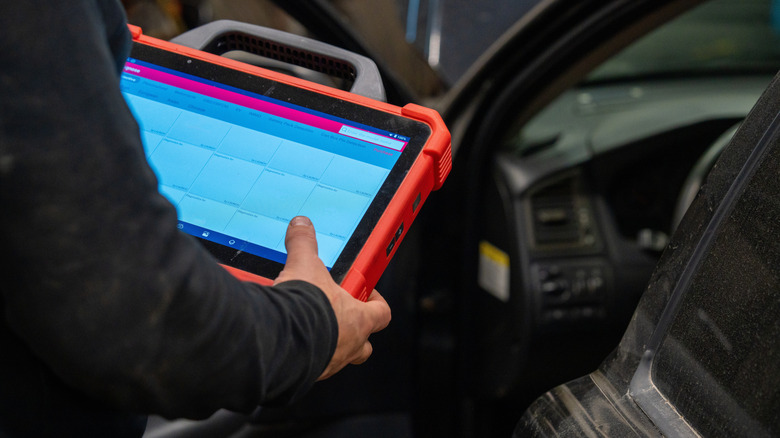
Some rental companies now use AI-powered systems to scan vehicles for damage before and after each rental. In theory, this creates a more consistent inspection process. In practice, it can also lead to situations where very minor wear is flagged, sometimes after you've already left your destination. That rental car company's controversial AI tool could ultimately drive up your rental car costs.
These charges may come through later, without the opportunity to review the vehicle in person. A small scratch or scuff that might have gone unnoticed in a traditional walkthrough can now be documented and billed after the fact. That can make disputes more difficult, especially if you don't have your own record of the car's condition.
If a company uses automated inspections, it's worth asking how the process works and how results are communicated. Taking clear photos or video at both pickup and return can give you a baseline if anything is questioned later. As this technology becomes more common, a little extra documentation on your end can go a long way in avoiding unexpected charges after your trip is over.