
9 Once-Thriving Destinations Turned Ghost Towns That Are Still Worth Visiting In Canada Today
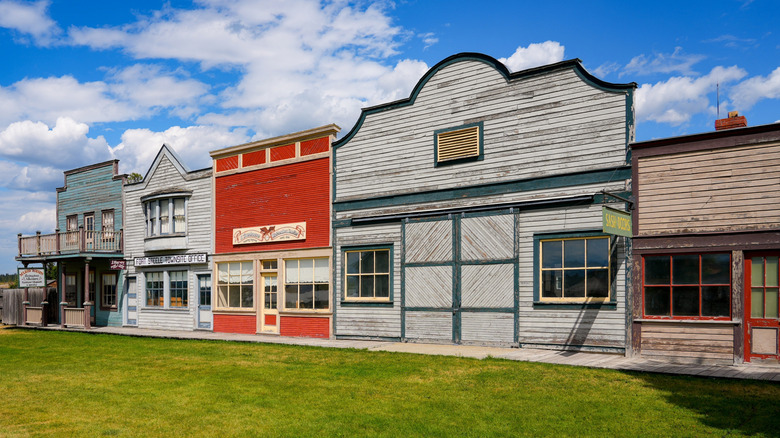
Across Canada, former boom towns remain in mountain valleys, forested parks, prairie badlands, and lakeside mining country. The remnants of these towns, some completely abandoned and others nearly empty, remind visitors of the industries that once drew thousands of people into new regions. Some were launched at the height of gold and silver rushes, while others were linked to coal mining, pulp mills, and expanding railways.
For travelers, these places are unique destinations worth visiting, especially among history buffs. The best ones still give visitors a sense of what once made the town thrive. Some are appealing for their original, still-standing relics, while others have been carefully restored, offering added perks like guided tours, educational programming, and even a centuries-old saloon serving up fresh barbecue.
To choose the destinations on this list, we focused on former boom towns, abandoned settlements, and nearly ghosted communities with documented histories and realistic visitor access. We prioritized places with official tourism information and heritage-site status. The final nine include preserved historic towns, former mining settlements, and quiet places where the population has dwindled and the past seems frozen in time.
Barkerville, British Columbia
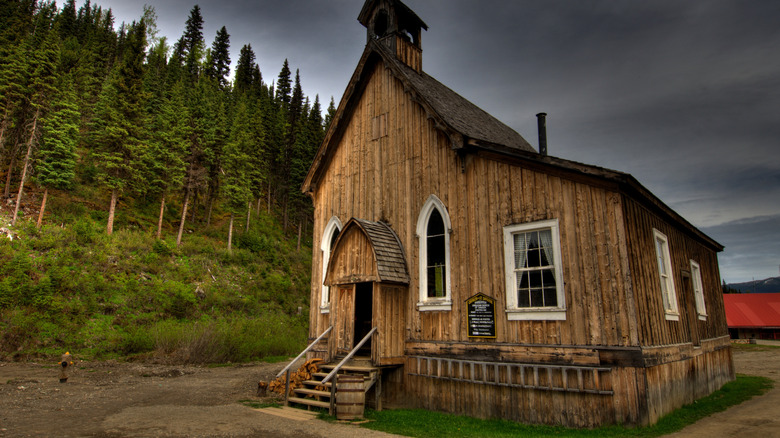
The once-thriving gold rush town of Barkerville, located in east-central British Columbia, began after William "Billy" Barker's 1862 gold strike on Williams Creek. Today, Barkerville Historic Town & Park preserves more than 125 historical buildings along an old streetscape. It's also on Indigenous land, with signs suggesting the area was inhabited more than 10,000 years ago. Visitors purchase single- or two-day admission to tour the homes and enjoy demonstrations, live theater, and exhibits on the Cariboo gold rush. The town's main season runs during the summer, but access is available year-round. However, exhibits and programming may vary in availability.
Val-Jalbert, Quebec
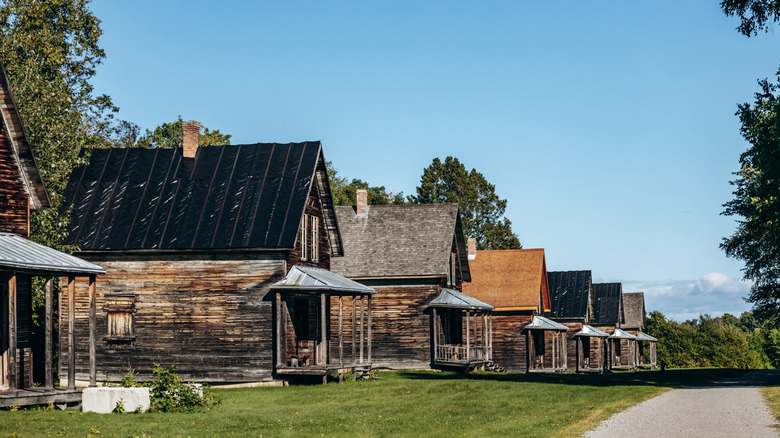
Val-Jalbert, on Lake Saint-Jean west of Saguenay, Quebec, was founded in 1901 around a pulp and paper mill, according to Parks Canada. It was bustling until 1927, when the mill shut down. Eventually, the residents abandoned the community, which has been preserved since the 1960s. Today, what remains is an unusually intact industrial town with a variety of interesting sites, including preserved houses, the old mill, the former general store, and the Ouiatchouan River landscape (including waterfalls). It's open seasonally, and visitors pay a fee for access, which includes an audiovisual guide.
Bankhead, Alberta
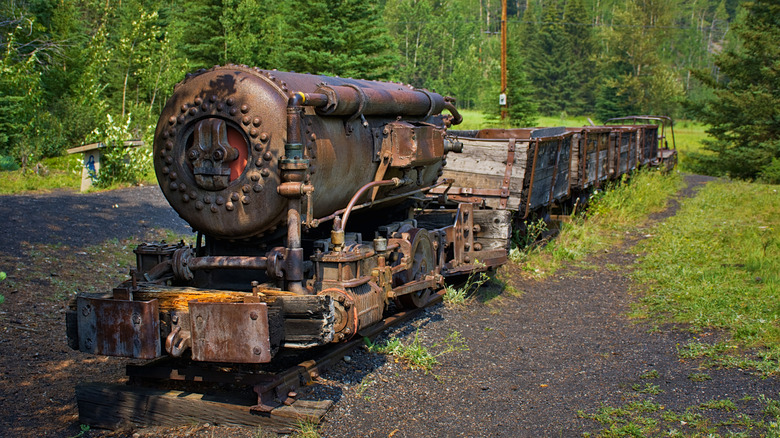
Bankhead sits inside Banff National Park, about 90 minutes west of Calgary, making it one of the most accessible ghost towns near the Canadian Rockies. The town once had nearly 1,000 residents, but coal operations shut down in 1922. Many of the buildings were sent to other towns, according to Travel Banff Canada. Some structures left behind were preserved, such as a compressed air locomotive, coal processing buildings, coal rail cars, and the lamphouse building. Visitors need a valid pass to enter the national park; however, Bankhead itself is free to explore and can be accessed by trails near Lake Minnewanka. Parks Canada closes part of the access loop from November to May, so check online for information before visiting.
Sandon, British Columbia
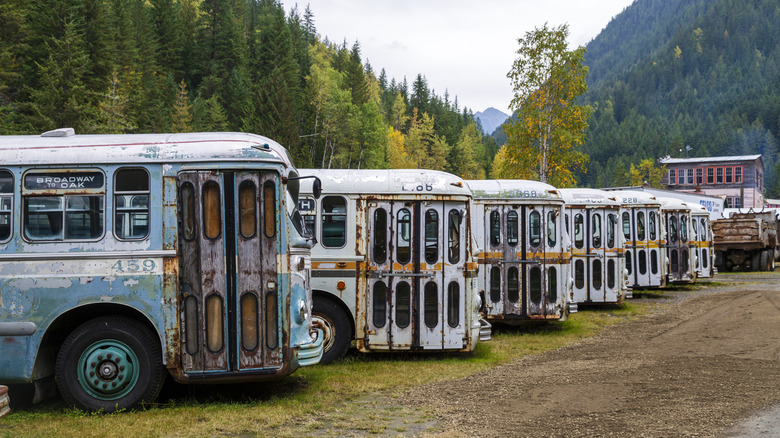
Sandon, about four hours east of Kelowna, may be one of British Columbia's most fascinating mining ghost towns. It welcomed thousands of people looking for silver in the late 1800s, only to be abandoned and disincorporated in 1920. Today, a museum inside the historic Slocan Mercantile General Store welcomes visitors curious about the town's past. Access is free on a seasonal basis, so check online for schedules. While many buildings were destroyed by a flood in 1955, some interesting sites remain, like the Brill Trolley bus graveyard. These vintage buses were retired in Vancouver in the 1980s, according to Global News, with 13 transported to Sandon for safekeeping.
Rowley, Alberta
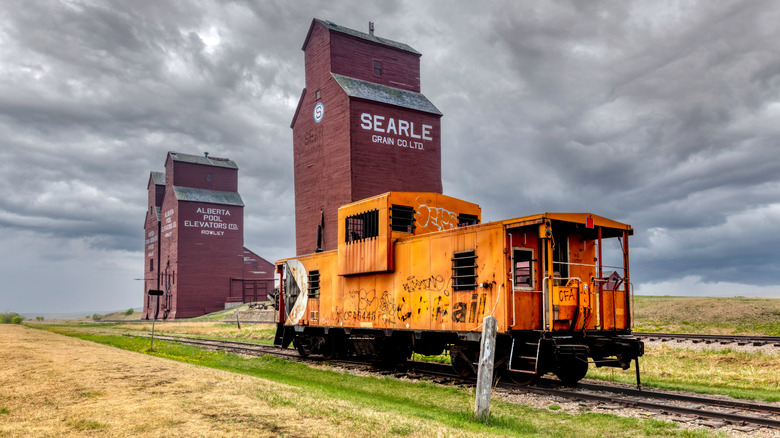
Rowley, roughly three hours south of Edmonton, Alberta, isn't abandoned, but its history and minuscule population make it well-known as a ghost town. Rather than a sudden exodus, hundreds of residents died or moved away over the years, with only 12 left, according to Travel Alberta. But visitors interested in historical buildings from the town's heyday in the 1920s can explore what's left, such as the Prairie School Museum, through free seasonal tours offered in the summertime. Some buildings are off-limits, as they're privately owned, so visitors should take care to avoid private property.
Wayne, Alberta
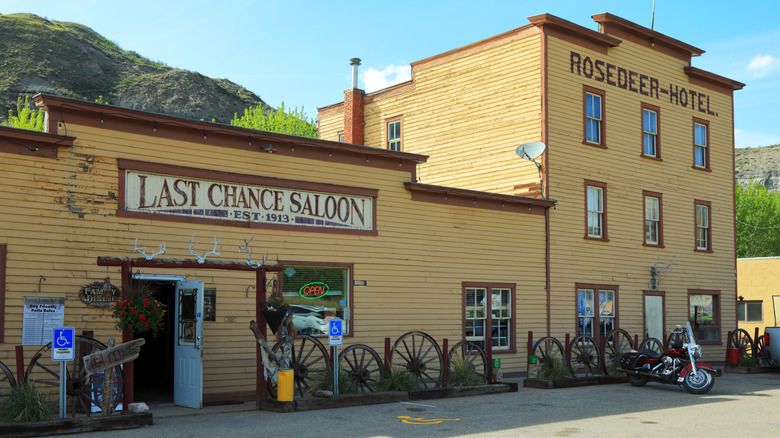
Wayne is a small Badlands community, less than two hours from Calgary in the Drumheller Valley. According to Global News, Wayne once had about 2,500 residents tied to underground coal mines. However, these days, fewer than 30 live in the nearly abandoned ghost town that wound down with coal mine closures beginning in 1932. Today, its best-known stops are the historic Last Chance Saloon and the allegedly haunted Rosedeer Hotel, established in 1913, where visitors can book a themed hotel room and enjoy barbecue made on pellet or wood-fired smokers. Wayne is free to visit year-round.
Fort Steele, British Columbia
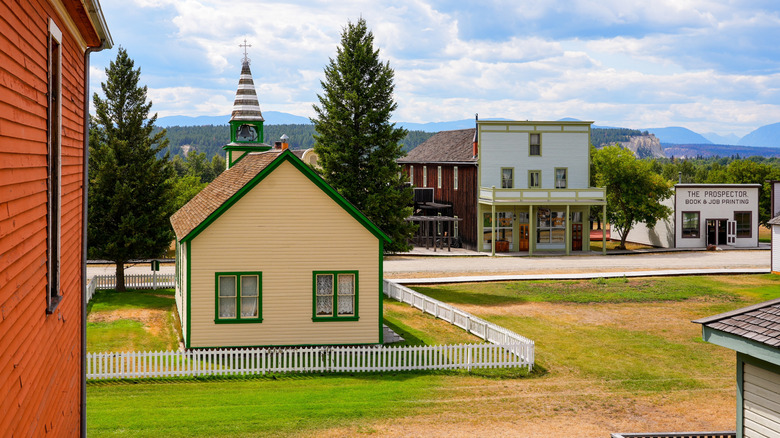
Fort Steele, roughly four hours southwest of Calgary, is a former boom town turned living history site. The community began with a gold rush, and the Canadian Register of Historic Places notes that Fort Steele's heritage is tied to several notable settlement phases and a decline from 1898. Today, Fort Steele Heritage Town operates year-round as a curated heritage site with historic buildings — such as a blacksmith shop, theater, and general store — guided experiences, and visitor programming. An admission fee includes access, exhibits, and visitor entertainment. Some select experiences, like wagon rides, cost extra.
Silver Islet, Ontario
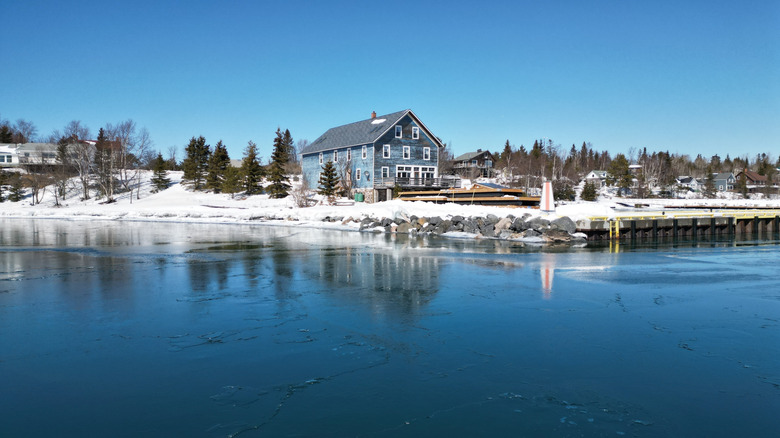
Across from Thunder Bay, Ontario, Silver Islet sits on the tip of a peninsula on Lake Superior. It's a former mining community that reportedly once caught the attention of author Sir Arthur Conan Doyle, according to Lake Superior Magazine. The Silver Islet General Store, established in 1871, says the Silver Islet Mining Company extracted about $3.25 million worth over 16 years. While the mine has been closed for more than a century, some original homes are still standing. Travelers can visit year-round for free, but attractions like the general store are open seasonally, with hours posted online.
Bennett, British Columbia
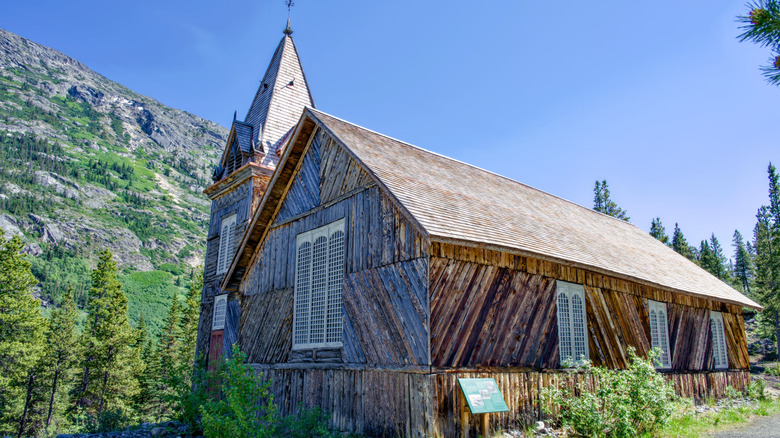
Bennett is one of Canada's most remote ghost towns, in northwest British Columbia. There's no fee, and it can be reached during summer by hiking the Chilkoot Trail or via White Pass & Yukon Route, the "scenic railway of the world." The town rose during the Klondike gold rush, when prospectors crossed the mountains and gathered on Lake Bennett to build boats for the journey toward Dawson City. Built during the 1897–1899 rush and later abandoned after the railroad was completed, it's today part of the Chilkoot Trail National Historic Site, with only a few buildings left, including St. Andrew's Presbyterian Church.