
America's 10 Most Breathtaking Destinations To See Fossils
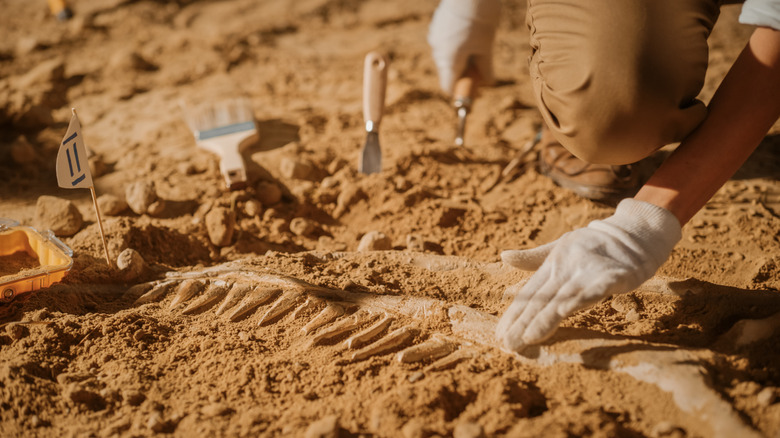
Millions of years before humans walked the earth, magnificent creatures called this planet home and left evidence of their existence for us to find. Today, their fossils are waiting to be discovered, but you don't need to study paleontology to participate. There are stunning and interesting places all around the United States where visitors can learn about fossils, dig up their own, and become an amateur paleontologist for the day.
Whether you're a lifelong lover of dinosaurs and prehistoric creatures or just discovering this fascinating science, the U.S. is home to many incredible national parks and monuments where you can learn about the planet's history, see interesting fossils, and even discover some yourself. From the mountains of Utah to the former seafloors of New Jersey to fields of fossils in the middle of the country, there are plenty of destinations that tell unique parts of the planet's and dinosaurs' histories. These museums and experiences incorporate the local landscapes to bring visitors on journeys through breathtaking scenery, and so they can walk in the same footsteps that these giant creatures once did.
Dinosaur National Monument, Utah
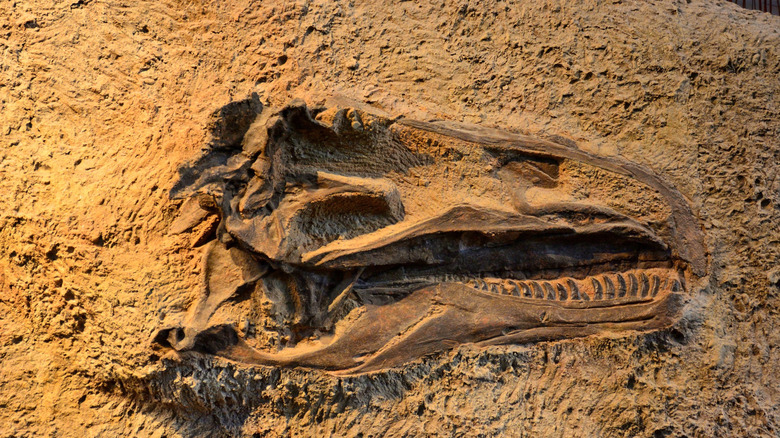
Dinosaur National Monument, located near the Utah-Colorado border, is a dinosaur enthusiast's heaven. With over 210,000 acres to explore, there are many ways to see fossils and learn about dinosaurs, from everyone from children to adults. You can raft, hike, and see fossils at the 'hidden gem of the National Park System' while learning about fossils that are hundreds of millions of years old.
The Quarry Exhibit Hall houses a steep rock slope made of many layers formed over several eras. In the hall, the Morrison Formation rock layer can be seen, which has over 1,500 fossils from 150 million years ago, a time known as the Late Jurassic period. These fossils are the bones of eight species of dinosaur, including the stegosaurus and allosaurus. The hall is also home to smaller exhibits featuring fossils of reptiles, clams, small mammals, and plants from the same era.
Beyond the Exhibit Hall, there are a ton of ways to enjoy the park. One can camp in one of six campgrounds or in the backcountry, hike on several miles of trails along beautiful, dramatic landscapes, and even go river rafting or kayaking through the canyon. On a hike, visitors can even see ancient petroglyphs and pictographs — rock drawings believed to be from Native Americans active in the area as long as 12,000 years ago. There are plenty of hiking trails for a variety of levels and distances, including some as short as a quarter of a mile and as long as over 2 miles, that lead visitors through geologic wonders formed over 80 million years, with views of Split Mountain and the Green River. If a visitor would like to go rafting in Green River, there are one-day and multi-day trips available to book through local companies.
Badlands National Park, South Dakota
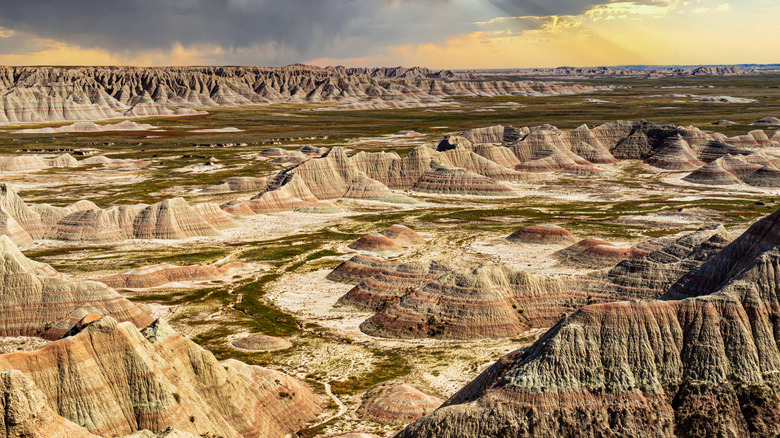
Amateur paleontologists who would like to see real fossils and actual paleontologists at work should head to Badlands National Park. Located across 244,000 acres in South Dakota, the Badlands are home to stunning landscapes, a sunrise and sunset unlike anything you've ever seen, tons of wildlife, and miles of land on which to hike, explore, camp — and, of course, see fossils.
Indulging your passion for fossils is encouraged, but it is illegal to collect them without a permit. Visitors can have fun identifying fossils along the path and among the rocks. The best way for visitors to celebrate finding a fossil is to take a photo of it and note the location. A photo and location are also great pieces of information to report to the park, both for scientific research and to earn a Fossil Finder Patch.
The Fossil Preparation Lab is a highlight of Badlands National Park, offering visitors the opportunity to see real paleontologists working. It's open from 9 a.m. to 4:30 p.m. every day from June to September. Paleontologists prepare the fossils, identify species, remove rocks from the fossils, and more. There are also opportunities to ask the scientists questions directly. The park also has ample opportunities to explore the vast landscape. One can drive the 39-mile Badlands Loop State Scenic Byway, with 16 scenic overlooks, or hike one of its many trails, ranging from .3-mile jaunts to Castle Trail, which is over 10 miles long. It's possible to see animals such as bison, bighorn sheep, deer, coyotes, and other wildlife.
Caesar Creek State Park, Ohio
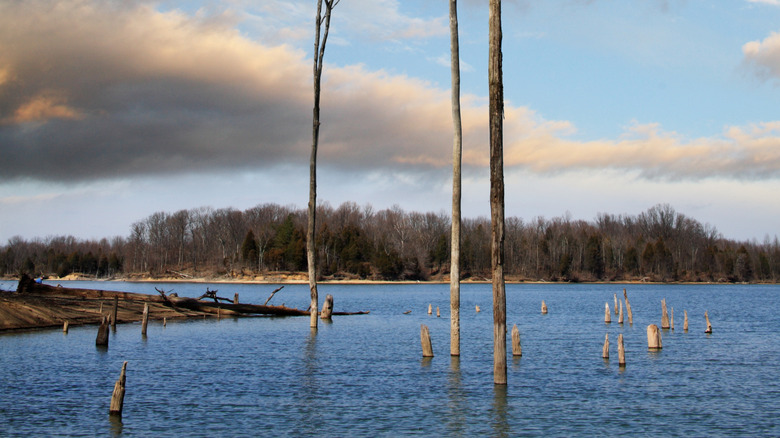
Ohio isn't a place where you'd expect to find fossilized sea creatures and a reef system, but 447 million years ago, the area was a shallow sea with a tropical climate. This created an environment in which layers of mudstone and limestone formed the seafloor, and there was an ancient reef system with corals and marine invertebrates such as brachiopods, cephalopods, bryozoans, crinoids, and trilobites.
Visitors can search for their own fossils with a fossil-hunting permit obtained at the Caesar Creek Visitor Center. With this official permission, one can look for fossils in the designated areas and can even take small fossils home. Fossils that are bigger than the palm of a hand must be reported to a ranger, and digging or breaking rocks against each other isn't allowed. The visitors center also has a small museum where they can learn about fossils, wildlife, and natural areas before heading out on the expedition.
There are a ton of other activities to do at Caesar Creek State Park besides searching for fossils. In the park, there is an archery range, several trails of varying difficulty, a campground, mountain biking routes, picnic areas, a recreational beach, playgrounds, and a 2,830-acre lake for boating and swimming.
Agate Fossil Beds National Monument, Nebraska
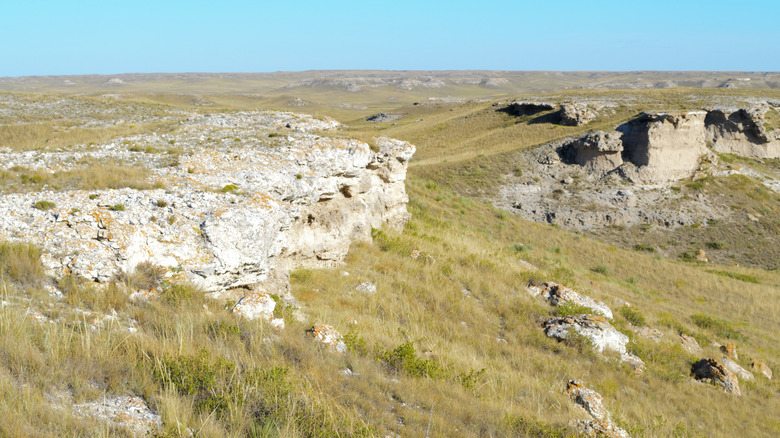
Scientists theorize that Agate Fossil Beds National Monument in Nebraska was once a grassy savannah that hosted many prehistoric creatures, until a drought drove them closer together before they perished. With 20 million years of natural history behind it, this area in western Nebraska, near the border with Wyoming, is a fossil hunter's paradise.
These species included the pig-like Dinohyus, a gazelle-camel creature called the Stenomylus, and a short rhino called the Menoceras. At the Visitors Center, kids can pick up an activity book to fill out as they explore the exhibits and park, and return it for a ranger badge. Visitors can roam the prairie land and discover fossils along two trails: the Daemonelix Trail and the Fossil Hills Trail. Daemonelix Trail is 1 mile long and features the spiral corkscrew fossil of an ancient land beaver's burrow, along with petrified sand dunes and fossilized insect and rodent holes. Fossil Hills Trail is 2.8 miles long and takes visitors through historical fossil dig sites and the natural wetlands of the Niobrara River. Travelers can see Menoceras tracks, Beardog den sites, and more. It's important to note that visitors are not allowed to take fossils, but can photograph them.
The park also educates visitors about Native American culture in the area. The land was once home to the Lakota and Cheyenne tribes and features extensive exhibits of artifacts, clothing, Crazy Horse's whetstone, American Horse's war club, Chief Red Cloud's shirt, and more. The National Monument is also close to many historical Native American sites from the Plains Indian Wars, such as Fort Laramie and Fort Robinson, which travelers can visit easily.
Waco Mammoth National Monument, Texas
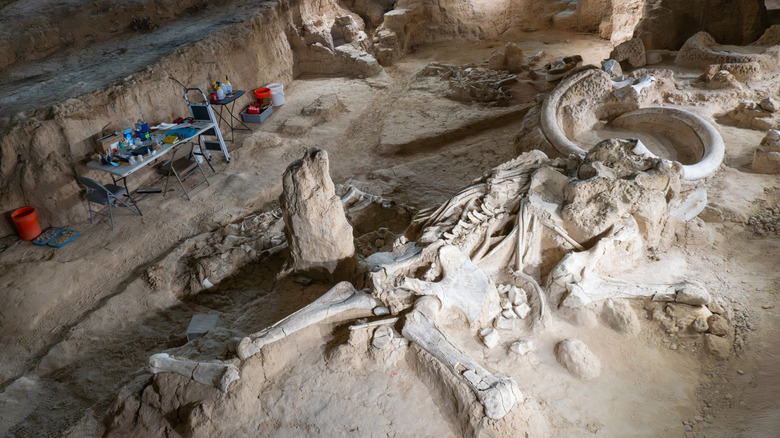
Fossils at Waco Mammoth National Monument date back 65,000 to 72,000 years, relatively recent compared to many fossil sites, and are worth a visit due to a unique discovery. This is the only place in the world where scientists have found a nursery herd of mammoths. Located in Texas, between Austin and Dallas, these fossils were discovered in 1978 by two scientists who were looking for arrowheads when they spotted a femur from a Columbian mammoth that lived during the Pleistocene Epoch, or the Ice Age.
Over the following years, scientists discovered the fossils of 24 Columbian mammoths that died together due to what scientists theorized was a flash flood event, along with those of a Western camel, a dwarf antelope, an American alligator, a giant tortoise, and a sabertooth cat tooth. At the park, the bones of six of the mammoths are on display in a building called the Dig Shelter that costs $6 for adults and $5 for seniors older than 62, military personnel, and children between 4 and 17 (under 4 is free) to enter. The exhibit educates the public about these animals that once stood as tall as 14 feet and weighed up to 20,000 pounds.
At the park, visitors can hike paths past a 150-year-old Texas Live Oak tree and view wildlife and honey locust plants that have been around since the Ice Age. The museum also offers guided educational and virtual tours for students worldwide. Park rangers also offer a program in which they travel locally to schools, public libraries, or community events to give presentations featuring fossils, reading, and group activities.
Big Brook Preserve, New Jersey
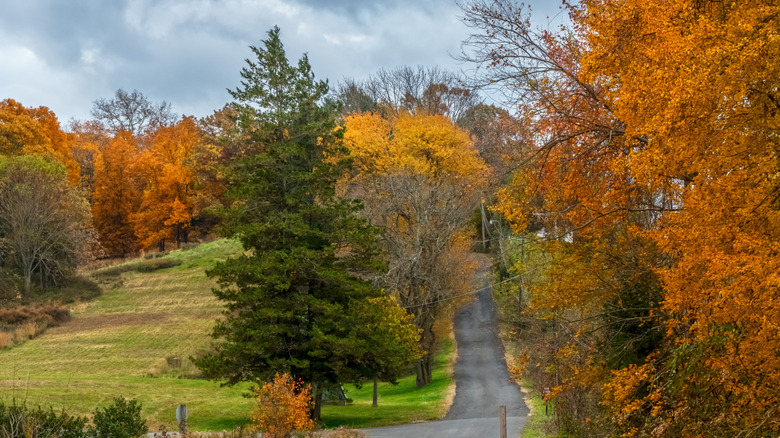
Monmouth County, New Jersey, is not only home to the Jersey Shore's top-ranked beach town, but it's also a prime place to hunt for fossilized shark teeth. Big Brook Preserve was underwater during the Cretaceous Period, between 65 million and 75 million years ago.
Therefore, plenty of fossilized marine and land animals have been found at Big Brook, from shark teeth and dinosaur fragments to hadrosaur bones. And the best part for collectors is that visitors can take fossils home if they follow the rules, which include not digging or disturbing the natural environment, keeping only fossils no bigger than a sandwich-sized zip-lock bag, and using only small tools.
The park does not charge permit fees for fossil-finding groups of under 10 people, though historically significant or valuable finds must be turned over to the park within 48 hours of discovery. Larger groups must be led by a naturalist. In the 439-acre park, visitors can hike, swim in an outdoor swimming pool, observe wildlife, and cycle along its many trails. The park opens at 7 a.m. and closes between 9 p.m. and 9:30 p.m. during the summer months. And, if a visitor is craving more fossil hunting, Poricy Fossil Beds is just a 15-minute drive away.
Dinosaur State Park, Connecticut
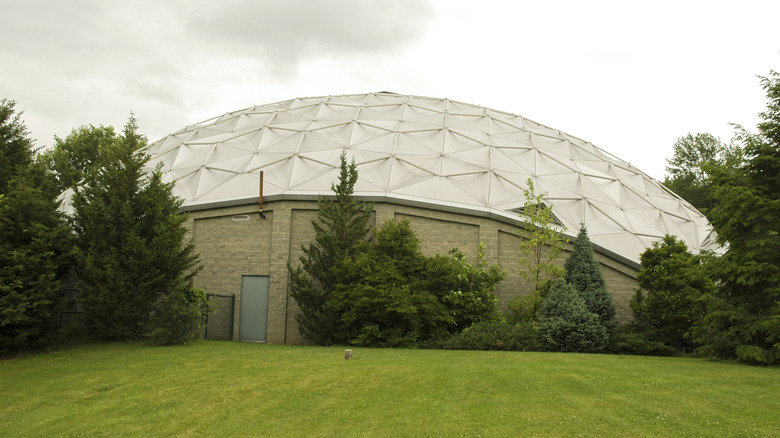
With a name like Dinosaur State Park, this spot sure doesn't disappoint when it comes to finding fossils, learning about prehistoric times, and involving all age groups. Located in Rocky Hill, Connecticut, Dinosaur State Park is home to 200-million-year-old fossils, interactive exhibits, a museum, and nature trails. Here, visitors can literally hike in the footprints of prehistoric dinosaurs. The park features 750 footprints from the Jurassic period.
These tracks were discovered in 1966, when a bulldozer operator found them while excavating for a planned build. The most common footprint type is Eubrontes, most likely left by a large dinosaur similar to a Dilophosaurus. They were declared Connecticut's state fossil in 1991. The second most common footprints in the park are from the Anchisauripus, and the least numerous footprints are from the Batrachopus, a type of small, ancient crocodile. Scientists believe that these dinosaurs were fishing for food in lakes in the area and walking in drying mud and other firm materials that preserved their prints.
Within the park, there is an Exhibit Center (closed on Mondays), gem and fossil mining (open from May through October) for $7 to $25 per bag or $75 per bucket, track casting with plaster for free if a visitor brings their own materials, picnic tables, 2 miles of hiking trails, and a model of a Dilophosaurus. The park is open seven days per week from 9 a.m. to 30 minutes before sunset. The park is free to enter, but the exhibit costs $2 for children ages 6 to 12 and $6 for those ages 13 and up. It is free for children under 5 years old.
Montour Preserve, Pennsylvania
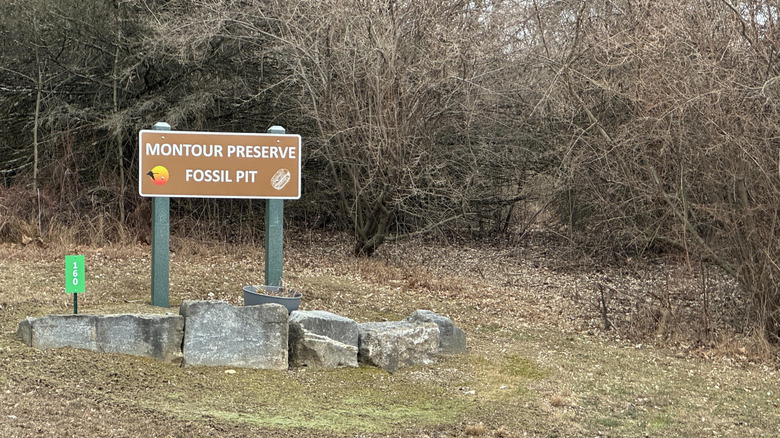
Montour Preserve Fossil Pit is a great place to unlock your inner paleontologist. At this preserve in Danville, Pennsylvania, visitors can visit for free, and the park is open year-round. And the best part: Visitors can keep any fossil they find.
Once arriving at the parking lot, visitors follow a 150-yard-long gravel path to the fossil pit, where they can start digging for fossils dating to the Devonian Period, which occurred about 419 to 359 million years ago. During this era, modern-day Pennsylvania was underwater, so one can find early marine life and shells in the fossil pit. Because many of these fossils are hidden inside rocks, a small hammer and protective eyewear are recommended. The Montour Preserve Visitor Center features an exhibit and fossils on display to help visitors learn more about the area's unique history. It's open from 8 a.m. to 4 p.m. daily.
The preserve is close to the 165-acre Lake Chillisquaque, the perfect place to unwind after a long day of fossil digging. Visitors can boat, canoe, kayak, fish, and birdwatch, as the lake is home to 200 bird species. The lake also provides cooling for a local power plant. There are also several miles of hiking trails in the area. Some are as short as a mile, while others go on for about 4 miles, with varying levels of difficulty.
Florissant Fossil Beds National Monument, Colorado
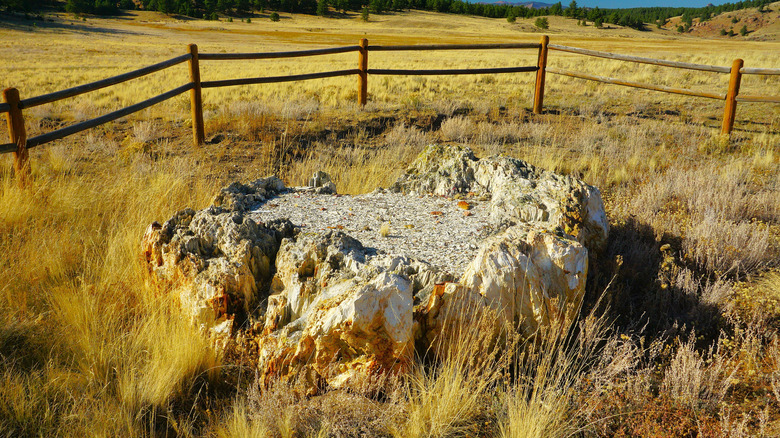
To see fossils big and small, head to Florissant Fossil Beds National Monument. This park, located in Central Colorado, less than an hour from Colorado Springs and just over 100 miles from Denver, is home to fossil impressions of everything from small insects to petrified sequoia trees that are 14 feet wide. Over 1,700 species have been found here, making it one of the most diverse fossil deposits in the world.
Detailed and delicate fossils can be seen here, including those of wasps, leaves, seeds, fish, mammals, and birds. Several of the tree stumps from the famous sequoias can be seen behind the Visitor Center and along short trails, ranging from 0.5 to 1 mile long. The Visitor Center includes an educational film, fossil exhibits, park rangers to answer questions, a bookstore and gift shop, and a Fossil Learning Lab. The Fossil Learning Lab has activities for families to learn about fossils using tools such as hand lenses, magnifying glasses, and microscopes alongside a park ranger.
The Florissant Fossil Beds National Monument also has 14 miles of hiking trails, ranging in difficulty from beginner-friendly to moderately challenging. The highest point is 8,500 feet tall. Another cool program the park features is its Night Sky program. It has an International Dark Sky Park certification from the International Dark Sky Association, so visitors can enjoy views of the Milky Way and stargaze without equipment.
Sharktooth Hill, California
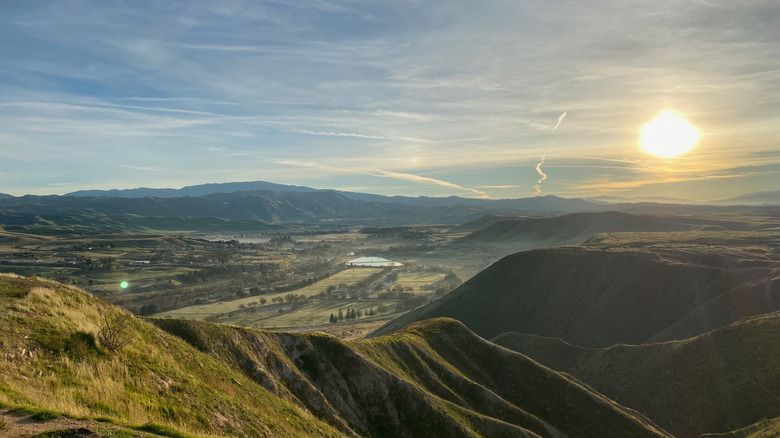
Sharktooth Hill is named after what you can find there: fossilized shark teeth from 16 million years ago. Located about 11 miles outside of Bakersfield, California, this site is home to 140 different species of fossils, including sharks, sea lions, sea cows, sea turtles, fish, vertebrates, other marine mammals, plants, and more, dating back to when California was underwater 15 million years ago. In fact, it's one of the densest accumulations of marine fossils in North America, including the fossilized teeth of Hooked White and Megalodon sharks, among others. In fact, Sharktooth Hill is one of the easiest places to find Hooked White shark teeth, as they only existed in the Pacific and for a short period of time.
Ernst Quarries, which owns and operates Sharktooth Hill, offers guided digging experiences, making it the ideal stop for families, school trips, or solo adventurers. For adults ages 12 and up, the experience costs $45 per person, and for children ages 5 to 11, it costs $30. For student groups, the price is $15 per student; for general groups with a minimum of 10 members, the price is $30 per person. And if you don't discover your own teeth, there are local shops that sell them, so you can still bring something home with you.
Methodology
When creating this list, different geographic locations around the U.S. were highlighted to represent various fossils, landscapes, regions of the country, and experiences. The list includes places visitors can learn and observe fossils as well as dig for their own, so readers can gain insight about the different experiences available to them.