
12 Wildly Underrated Mountain Towns In New Hampshire
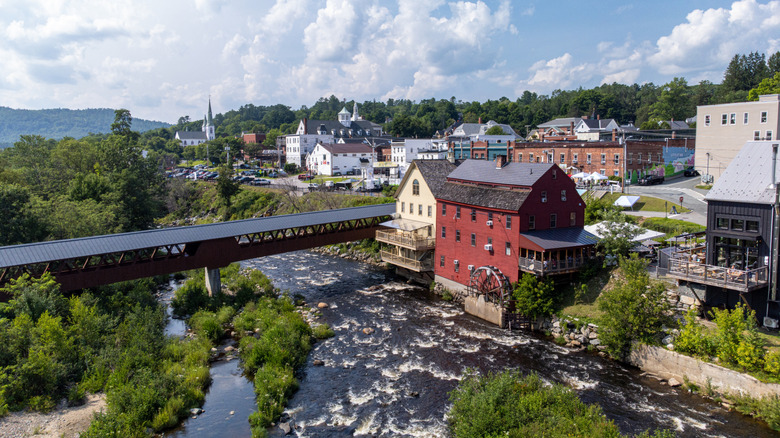
With nearly 100 state parks, countless trails, quaint downtowns, and a rich New England history, it's no surprise that more than 14 million people visit New Hampshire every year, making tourism one of the state's biggest draws. However, that also means something not so pleasant for visitors. New Hampshire's most renowned landmarks, parks, and towns can get crowded during the high seasons, and what's the good of escaping to the great outdoors if it involves a long line?
But even in a state as small as New Hampshire – the fifth-smallest U.S. state by area — there are hidden-gem mountain towns that lack the crowds of their better-known counterparts. These towns offer access to Mount Monadnock; the White Mountains, which cover 25% of the state and include the Presidential Range; Mount Washington, the tallest mountain in the Northeast; and more. Islands rounded up New Hampshire's most underrated mountain towns so you can relish Mother Nature without wondering if you'll be able to find a parking spot so you can enjoy that mountain view in peace.
To determine which mountain towns made our list, we evaluated those that have the most attributes suitable for people of all interests, including cool shops, historic landmarks, and stunning scenery. We also considered those that are most commonly referred to as hidden gems by bloggers and media, but haven't attracted the attention of the masses yet.
Albany
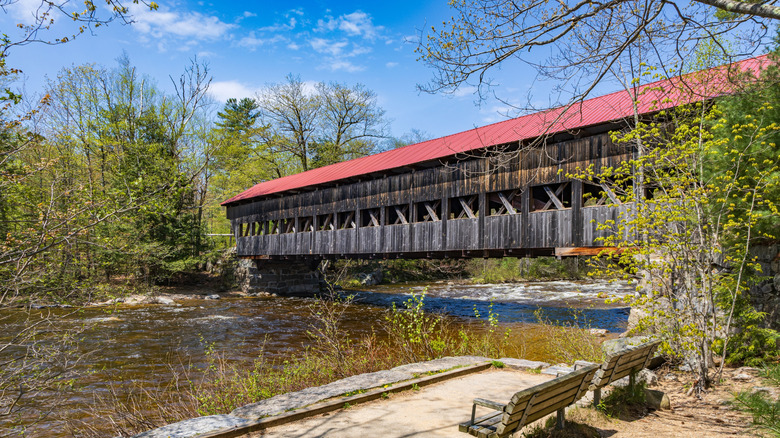
Whether you're on the hunt for history or the outdoors, small-town yet scenic Albany has it all. It boasts waterfalls, a swimming hole, campgrounds, and trails. The most beloved of its outdoor treasures, though, is the frequently photographed Mount Chocorua. The nearly 3,500-foot-high mountain features several hardy trails, although they reward committed hikers with stunning views. Those who love the outdoors should also visit Albany's Tin Mountain Conservation Center, which has lots of trails as well as programming.
Sightseers and whitewater kayakers also flock to Albany's waterfalls that plummet from the Swift River. These falls include the Upper and Lower Falls, which have a 700-foot drop, as well as a swimming hole that's especially popular during the summer. Traversing the river is also the covered 120-foot Albany Bridge that was built in 1858. Those looking for more history should check out the Russell-Colbath House, a home and museum named for former Albany resident Ruth Colbath. She was the last resident of the ghost town of Passaconaway, which is now Albany; Passaconaway was abandoned after the area around the logging settlement had been mostly timbered.
Those who want to make a night out of Albany's wonders can choose from four National Forest campgrounds or a glamping ground with safari-style tents with kitchens and bathrooms. Or, they can enjoy modern comforts at the Darby Field Inn, whose rooms have fireplaces, hot tubs, and mountain views.
Bethlehem
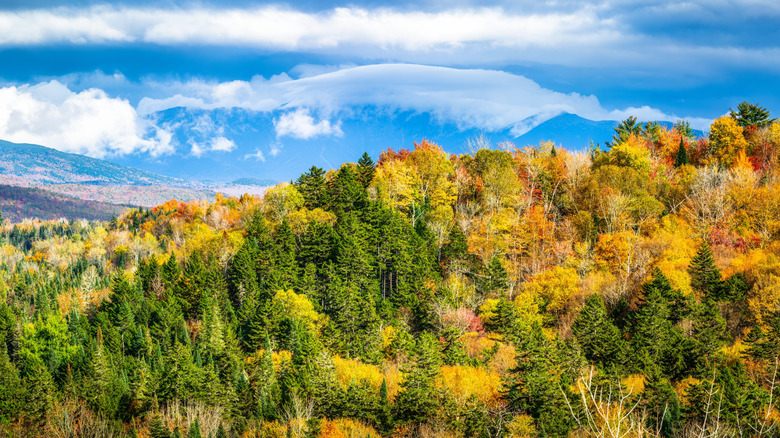
If mountainside culture is what you're after, then don't sleep on Bethlehem, a quaint village in the White Mountains that's full of arts and festivals. It's home to The Colonial Theatre, which dates back to 1915 and is one of the oldest continuously-operating movie theaters in America. Besides films, it also presents comedy shows and live music. Visitors can learn about Bethlehem's storied history, which began in 1741 as a Moravian village, at the Bethlehem Heritage Society Museum. However, history isn't solely about learning in this quaint town. Bethlehem is home to the Historic Bethlehem Village, which has shops as well as art galleries. Don't miss out on a visit to The Gallery at WREN here, which features ever-changing art exhibits and opportunities to meet local artists.
If you're more interested in exploring what's outdoors rather than indoors in Bethlehem, pack your bicycle for your visit, as this town is certified by the League of American Bicyclists as a Bike Friendly Community. Bethlehem's calm backroads, as well as access to regional biking routes, make it an ideal spot for cyclists, and it even has a gear library where people can borrow outdoor gear for free. Plus, with Bethlehem's central location, people can easily bike or drive to nearby attractions such as the Mount Washington Cog Railway, Whale's Tale Waterpark, the Flume Gorge, and the 1,400-acre Rocks Estate.
Gorham
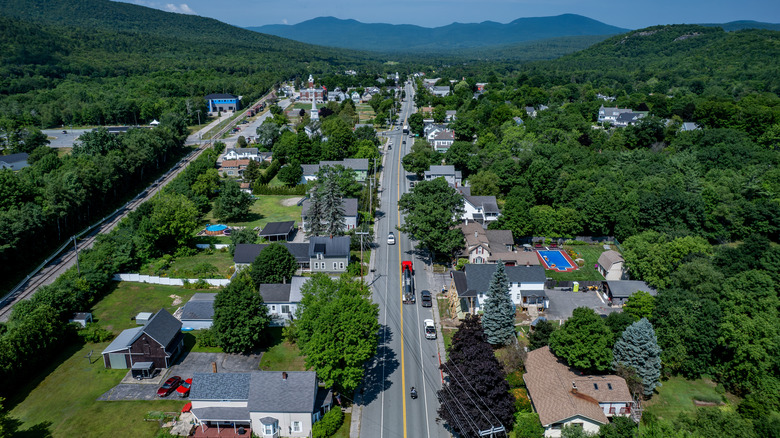
Gorham is a living piece of New Hampshire history, and it showcases this through its many museums. The town dates back to 1836, and is home to the Gorham Historical Society Museum, which presents Gorham's railway history, and the Douglas A. Philbrook Red Barn Museum, which displays cars that climbed the Mount Washington Carriage Road. They can also catch a show at The Medallion Opera House, whose construction began in 1915.
Gorham is next to the Presidential Range, so there are plenty of ways to enjoy the mountains. Take your car or ATV to the top of the Mount Washington Auto Road (formerly known as the Mount Washington Carriage Road) or stay on foot and hike parts of the Presidential Trail or Appalachian Trail. Plus, whether you visit during warmer or cooler weather, there are plenty of opportunities for more outdoor adventures in Gorham. You can hike or canoe the Androscoggin River in the summer, or pop into the Garnet Pool or Third Hole for a dip. Winter visitors can also snowmobile in Jericho Mountain State Park or ski down the nearby Wildcat Mountain.
Jackson
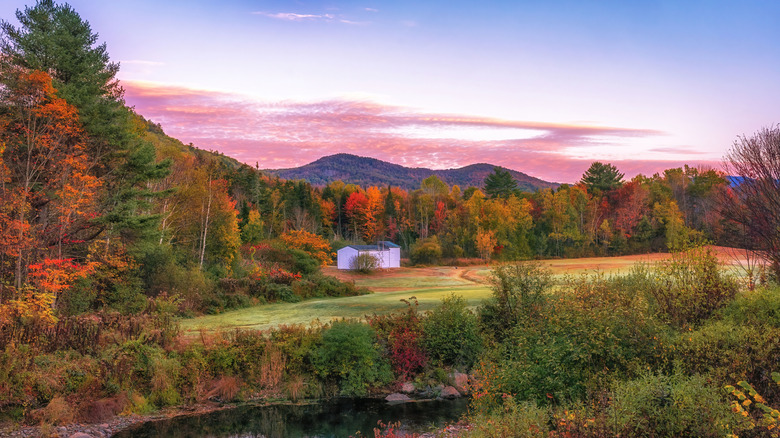
Jackson is a Norman Rockwell-esque destination perfect for those looking to experience the beauty and fun of the White Mountains. During the 1800s, the wealthy flocked to this gateway village to Mount Washington to escape city life and enjoy New England charm. Although tourism dipped during the Great Depression, it came back with a resurgence during the late 20th century. These days, it still enjoys that traffic, starting with a single-lane covered bridge that people drive through when entering town. That nostalgic vibe in Jackson continues, but there are also modern amenities like a golf course, one of the best cross country skiing networks in America, hotels like the Christmas Farm Inn and Spa and Eagle Mountain House, and charming shops and restaurants.
One must-visit spot to shop — especially if you're looking for souvenirs — is Flossie's Country Store, located next to the covered bridge. This old time country store sells items made by local artisans as well as toys, games, candy, and home décor. For more locally-made goods, check out Ravenwood Curio Shoppe, which offers jewelry, pottery, garden décor, and more. Many of the Jackson businesses create their own "pumpkin people" in an annual fall event, so if you can, visit during the season to see pumpkins sculpted into the three little pigs, Peanuts characters, and more. No matter when you visit Jackson, you'll find plenty to do here, as each season offers outdoor fun like hiking, skiing, whitewater rafting, and fishing.
Jefferson
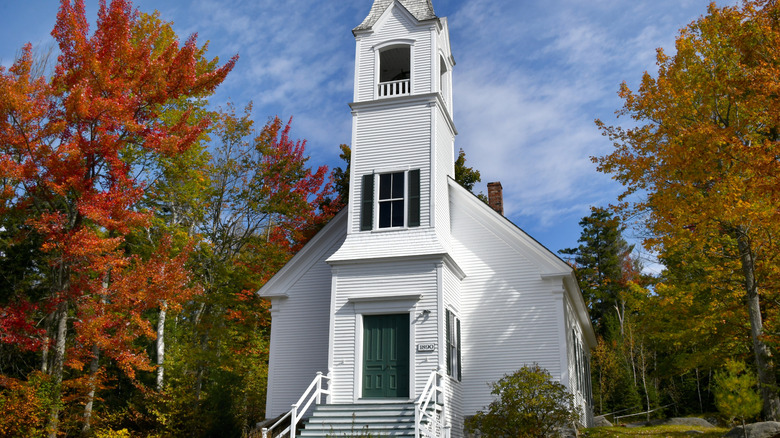
Like Jackson and Gorham, Jefferson is another place where people historically flocked for a taste of the White Mountains' beauty, with several sites on the National Register of Historic Places. The town is also home to the oldest 18-hole golf course in the state. You don't have to be a member to check out the course at Waumbek Country Club, which dates back to 1895 and has views of the Presidential Range throughout.
However, the town's greatest claim to fame is Santa's Village, a family-owned theme park that's a magical hidden gem of the holiday season. It has family-friendly rides like roller coasters, bumper cars, log flumes, and swings. Families can also visit Santa here at his home and also feed his reindeer or check out the reindeer shoe blacksmith shop.
Hikers and backpackers will also find plenty of trails to explore in this town that's just a stone's throw from Mount Washington. The challenging yet worth it Starr King Trail goes to the top of Mount Waumbek and Mount Starr King and is a favorite, stretching nearly 7 miles up more than 2,700 feet in elevation. To make a night of your stay in town, book a spot at Jefferson Campground, which calls itself the most scenic campground in the state.
Littleton
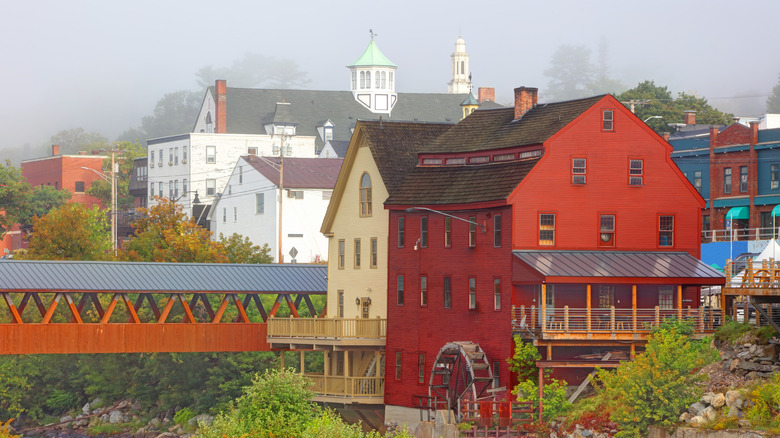
Named as being home to one of the best main streets in the country by publications such as Travel + Leisure and Fodor's, Littleton is one of the most enchanting towns in the White Mountains. It offers a mix of unique things to do, shops, and restaurants, as well as the natural beauty that attracts so many New Hampshire travelers in the first place. Start your Littleton adventure on Main Street, which has been a happening center for activity since the town was established in the late 1700s. These days, it's home to shops like Chutter's, the longest candy counter on the planet, featuring 112 feet of jelly beans, licorice, caramels, and chocolates. Other eclectic spots on Main Street include Eastern Styles Boutique, which sells women's clothing and accessories, as well as the Purple Peacock antiques shop. Look out for the funky street art that dots the shop facades.
If all that shopping makes you thirsty, then head to Schilling Beer Co., a European-inspired craft brewery and restaurant on the Ammonoosuc River. Also on the river is the Riverwalk Covered Bridge, a beautiful red pedestrian bridge that epitomizes the classic New England ambiance that Littleton is known for. You can also use this bridge to stroll along the river from Mill and Main streets. From here, you'll also be able to see the town's grist mill. For a longer walk, head to the 4-mile hike that goes up and down Parker Mountain, the tallest mountain in Littleton.
Peterborough
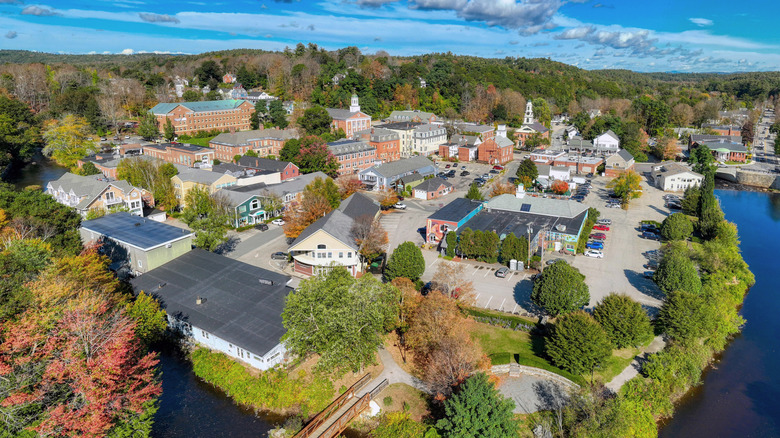
New Hampshire is so beautiful that it's only natural that it's become an arts enclave. That's especially true in Peterborough, which you might already be familiar with and not even realize it. The Monadnock town on the Contoocook River was the inspiration for Thornton Wilder's 1938 Pulitzer Prize-winning play "Our Town." His play was originally performed at the Peterborough Players, which continues to perform seasonal productions. Theatergoers can also see productions at the intimate 95-seat Peterborough Community Theatre. Peterborough is also home to the country's largest artists' colony, MacDowell, whose artists have garnered nine Academy Awards, 18 Grammy Awards, 100 Pulitzer Prizes, and 33 National Book Awards.
That creativity extends to Peterborough's thriving downtown, which is known for its antique shops. Just a few of the antique shops that are especially renowned include ReMarkable, which sells antiques, decor, gifts, uniquely repurposed goods, and clothing; as well as Bowerbird & Friends, which sells antiques from the 1700s through the 1900s. Bowerbird & Friends is located in Depot Square, a must-visit part of downtown packed with other cool shops, restaurants, and art galleries.
With so much to see and do, a stay overnight in Peterborough is a must, and luckily, the town has several inns with as much personality as Peterborough has. Visitors can choose from spots like Little River Bed & Breakfast, which has four bedrooms in an 1870s farmhouse, as well as Riverhouse, situated on the Contoocook River.
Sandwich
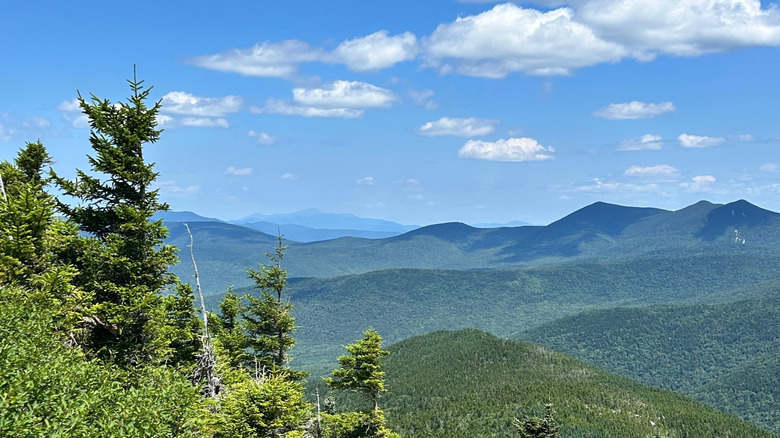
Surrounded by several mountains, including Mount Israel, part of the Squam Mountains, part of the Sandwich Range, and Sandwich Mountain, the town of Sandwich has been a tourist destination for decades. That's partly due to its most famous mountain — Sandwich Mountain. In tackling the nearly 9-mile out-and-back trek to its summit, hikers will enjoy amazing views of the many adjacent mountains.
Besides mountains, New Hampshire is also known for its maple products, which Sandwich visitors can try at the family-owned Young Maple Ridge Sugarhouse. The facility makes its own maple cream, maple candy, and maple sugar, and also sells small-batch ice cream made by fellow artisan business Papa Beans Ice Cream. Like several other towns on this list, Sandwich has a thriving arts community that visitors can explore, too. Its Advice To The Players theater company presents William Shakespeare's plays.
But a trip to Sandwich wouldn't be complete without learning about the town's rich history. Visitors can do so at historic buildings like the Elisha Marston House and Barn, Lower Corner School House, Grange Hall, Heard Barn, and the Quimby Barn Transportation Museum. They can also stay overnight in the historic Adams Estate on Wentworth Hill, a former working farm that dates back to 1855 and is now an event venue and hotel with cottages, duplexes, and suites with lakeside views.
Stoddard
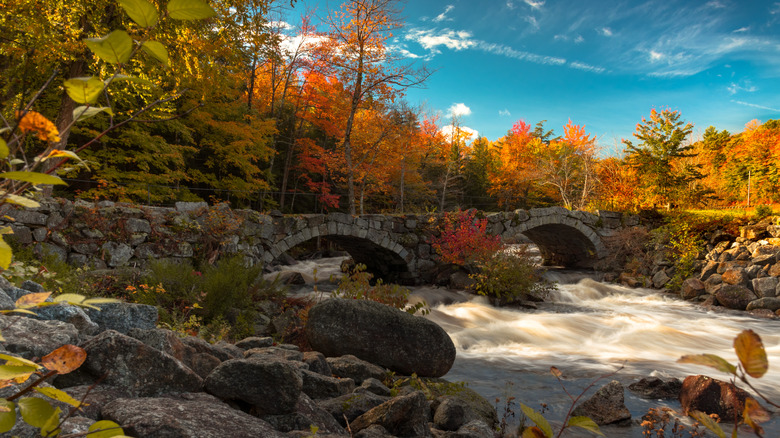
In the early 1800s, Stoddard was best known as America's leading place for glass manufacturing, with four glass factories that made over one million pieces of glass annually — each! Although those days are no more, Stoddard is now an ideal spot for visitors for much more charming reasons. The town has plenty of places for a scenic hike, including hikes full of blueberry fields, as Stoddard is known as the blueberry capital of New Hampshire. It's also home to one of the most unique bridges in the country.
To go for a walk that offers a sweet, fruity snack, hike the Monadnock-Sunapee Greenway, which ventures through Pitcher Mountain, Hubbard Hill, and Jackson Hill. Even if blueberries aren't your thing — or you're up for a heartier hike — you'll find a hike for you in Stoddard. The Pierce Reserve conservation area has two major trails that traverse through a forest, along a pond, and by a stunning lodge.
For a more laid-back stroll, venture up a quarter-mile trail to the top of Pitcher Mountain, which offers all-encompassing views of the area, including the 6-mile long Highland Lake. Or, get up close with the lake at the Highland Lake Marina, which has a restaurant and bar as well as opportunities for jet skiing, paddle boating, fishing, and snowmobiling. But for architecture and history buffs, the most stunning sight in Stoddard is the Stone Arch Bridge, which was made using a now-defunct style without mortar.
Sugar Hill
Sugar Hill's name doesn't lie. The town is New Hampshire's best-kept secret and was named because of its many sugar maples. Visitors can try the maple products born from New Hampshire's famed maple trees at Polly's Pancake Parlor, which is one of America's hands-down best breakfast restaurants. This nearly century-old James Beard Award-winning restaurant offers tons of varieties of pancakes as well as other breakfast items. You can also purchase maple products to take home from here, as well as maple products and more from Harman's Cheese & Country Store. The decades-old business has been around for over 70 years and offers more than a dozen types of cheeses and other artisan items.
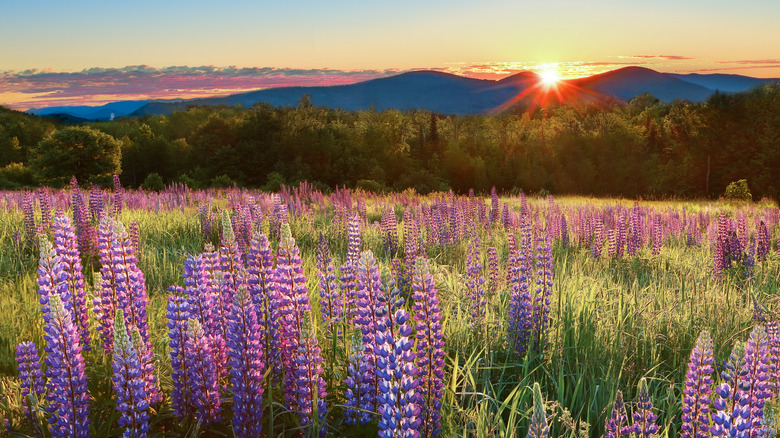
Besides maple trees, pink and purple lupine flowers also flourish in Sugar Hill. The best time to enjoy these flowers is in June, when the annual Fields of Lupine festival celebrates them alongside vendors, wagon rides, and live music. The flowers are especially beautiful as they're framed by mountains, since Sugar Hill has views of the Presidential, Franconia, Kinsman, and Dalton mountain ranges. To tackle the Franconia mountains for yourself, head to the nearby Franconia Notch State Park's Franconia Ridge Trail. Or, for a less challenging hike, traverse the 1.3-mile Artists Bluff hike.
Tamworth
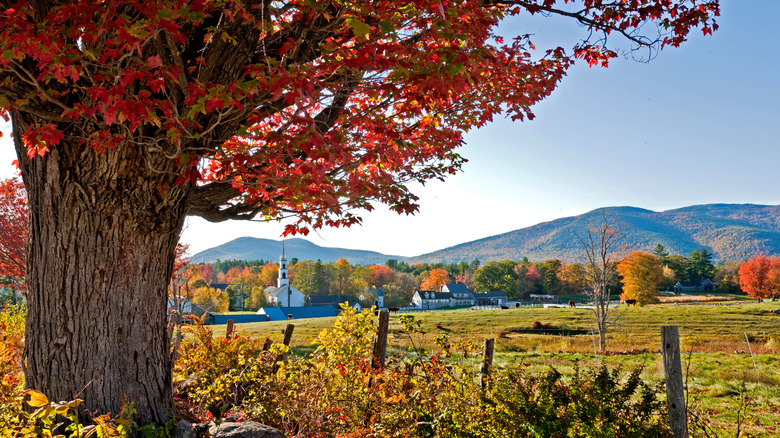
You won't be the first visitor to explore Tamworth, a historic vacation town that dates back to 1766. The artsy town, which is situated between New Hampshire's White Mountains and lakes region, was visited by famed creatives like E. E. Cummings and Henry James. Today, it continues to be a hub of the arts, even being home to the Barnstormers Theatre, the oldest continuously running professional theater in the country. It was founded nearly a century ago by Cleveland's son, Francis.
Tamworth has plenty of other nods to its past, too, making it clear why it has been named as one of the best small towns in America by Country Living. The Highland House Bed & Breakfast has been a landmark in town since 1792, and visitors can also experience what life was like in Tamworth 200 years ago at Remick Country Doctor Museum & Farm, a working farm. History buffs will also enjoy a visit to the Captain Enoch Remick House, a National Register-recognized farmhouse. After a long day exploring, grab a drink at Tamworth Distilling, which makes its spirits using local grains and foraged botanicals.
Warner
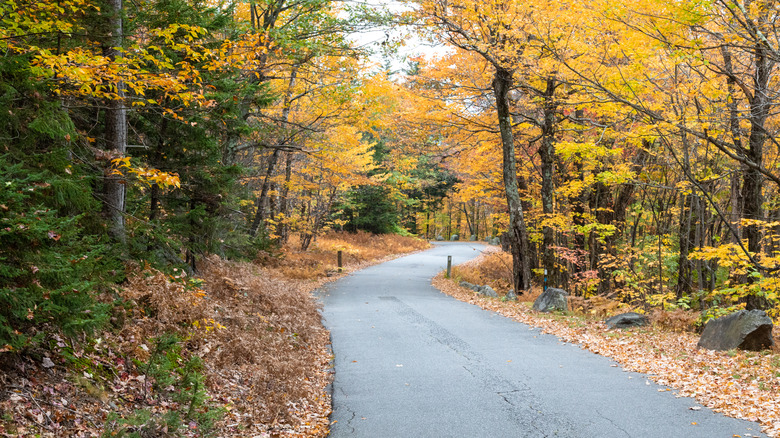
New Hampshire obviously has tons of towns with mountain views, but few can claim the types of views — stretching all the way to Boston — that Warner enjoys. Due to its unique shape and isolated location, its views from Rollins State Park are unmatched, and can be reached on an easy half-mile hike. That isolated location has also earned Warner a distinctive place in history. It became home to one of America's most thriving stage lines after the early 1800s, when residents were unhappy that the Second New Hampshire Turnpike sidestepped their town.
Warner's flourishing history that resulted from that stage line still lives on today through the many buildings from the 1700s and 1800s that continue to stand in the town, which boasts festivals, hikes, and historic structures. Those include buildings in the Waterloo Historic District, which also has a famed lattice truss bridge that was built in 1840. Some of the town's historic buildings have even been repurposed into modern businesses, like Main Street BookEnds, housed inside a 1795 farmhouse.