
10 New York Destinations That Could Pass For Europe

To steal a phrase, the Empire State contains multitudes. Starting as the Dutch colony of New Netherland, a long list of European cultures arrived on Manhattan's shores and then spread up the Hudson River. They planted miniature versions of the homes they left behind: a Little Italy here, a Scottish castle there. The resulting salad bowl of destinations showcases the long reach Europe had into a United States determined to become its own nation.
Yet assimilation is hard, and those pining for home held on to what they loved most about the lives they left behind. Later, well-heeled and worldly Europhiles funded replicas that continue to enrich New York's landscape. Taken together, they create a long list of destinations that could pass for Europe, one we (unfortunately) had to limit to 10. They remain worthy alternatives for cash-strapped or curious travelers looking to see how America does a faithful, respectful impersonation of the continent it left behind.
The Met Cloisters
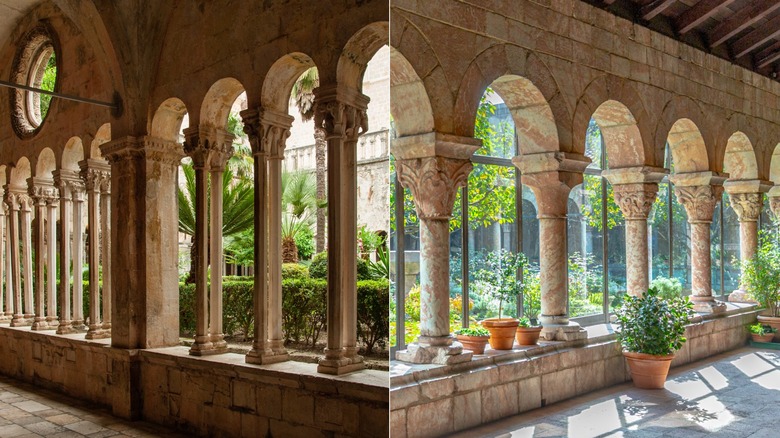
Europe's monasteries trace the cultural and historic milestones that shaped the continent. The Met Cloisters, in Fort Tryon Park, evokes those same medieval hubs through an amalgam of the Middle Ages' visual and architectural norms. Resting on a hill overlooking the Hudson River, the Cloisters can be compared to wandering through a medieval monastery in France or northern Spain, complete with walkways orbiting a large courtyard. Instead of leading to monasteries, those passages lead to galleries filled with medieval art and Gothic architecture collected by sculptor George Grey Barnard and later expanded through the support of John D. Rockefeller, Jr.
Washington Mews
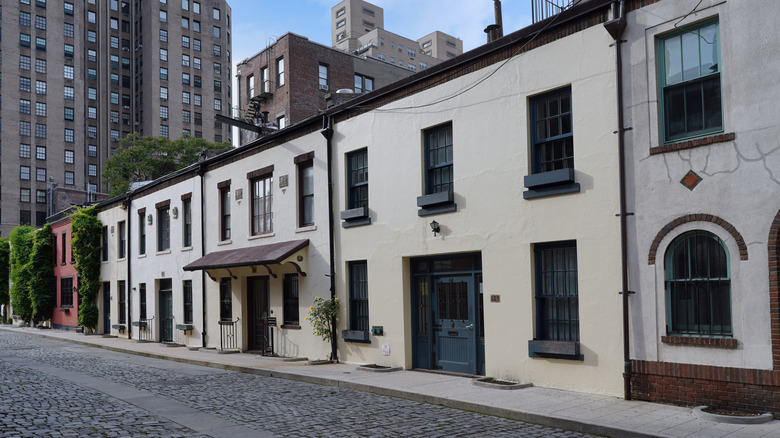
The Big Apple isn't so much a single living city as a collection of neighborhoods, which can then be dissected into individual blocks and sections. Few, if any, remain untouched. One rare exception lies in Greenwich Village, one of the city's liveliest neighborhoods and home to the Washington Mews. This row of two-story converted stables just north of Washington Square features the kind of cobblestone street you'd expect to find in an older English village, with brick gates at the entrance. Surrounded by the city's always-awake bustle, it feels like a portal to a forgotten world.
Boldt Castle
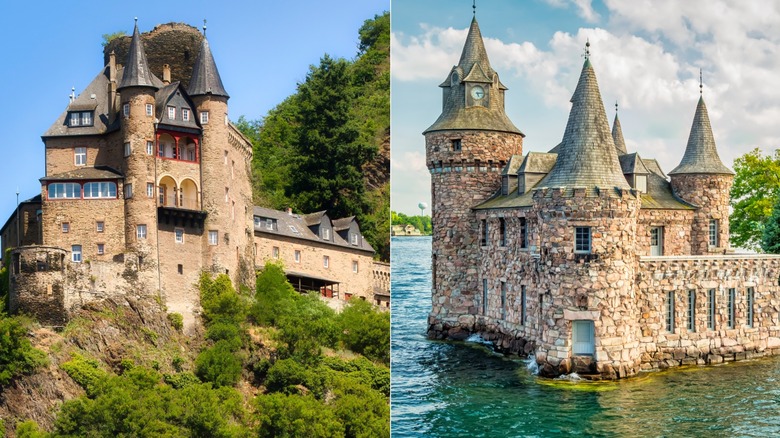
At the far northern end of New York lies an archipelago of islands on the St. Lawrence River. Jutting out of the area's lush scenery is Boldt Castle, one of two castles offering a scenic taste of Europe in upstate New York. Originally designed as a summer home for hotel magnate George C. Boldt, the castle mimics the stately grandeur of castles along the Rhine Valley. Its towers rise above the Thousand Islands like something from a fairy tale. Today, the 5-acre island and its castle are open to the public for self-guided tours.
Hammondsport
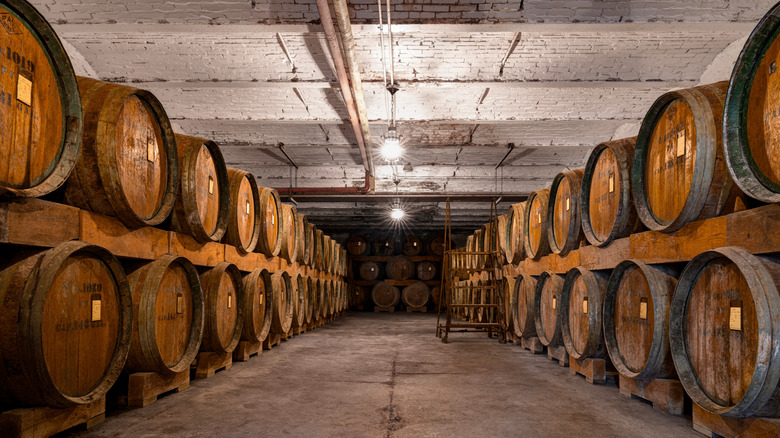
Italy's Lake Como has earned a reputation for luxurious waterfront living and excellent wine. Similar scenery can be found — with a greater dose of modesty — in New York's Finger Lakes region. The towns surrounding the lakes share the same views of pristine blue. Some, including Hammondsport, are said to match the Italian destination's vibes with world-class wine and intense fall foliage, earning the nickname "Little Lake Como."
The town's neighboring Keuka Lake includes an eponymous wine trail. Six wineries along the route cover the full spectrum, from the obligatory rosé to a dark pinot noir. Saluti!
Forest Hills Gardens
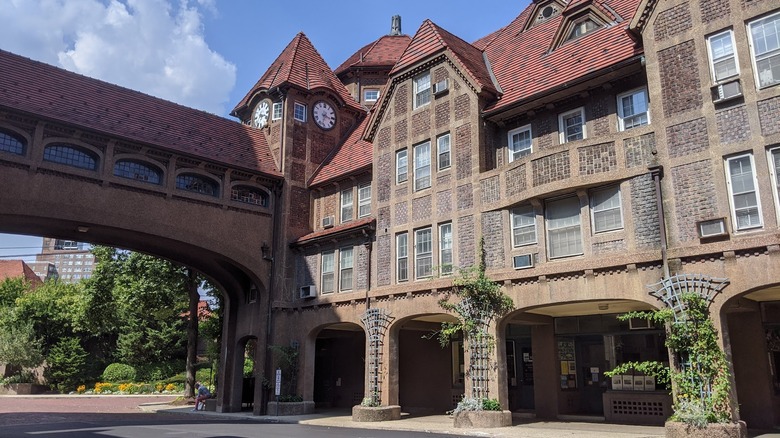
New York City's outer boroughs often live in the shadow of Manhattan, yet Queens' Forest Hills Gardens offers a portal into a British "garden city." The country's first planned garden community immediately stands out for its concentration of Tudor-style homes, with steeply pitched roofs, stucco walls, and arched entryways that create a unique sense of place within a city of seeming constant chaos.
At the heart of the 142-acre community lies Station Square, a Long Island Rail Road station, whose gables and brickwork anchor a network of tree-lined lanes and massive front yards.
Bannerman Castle
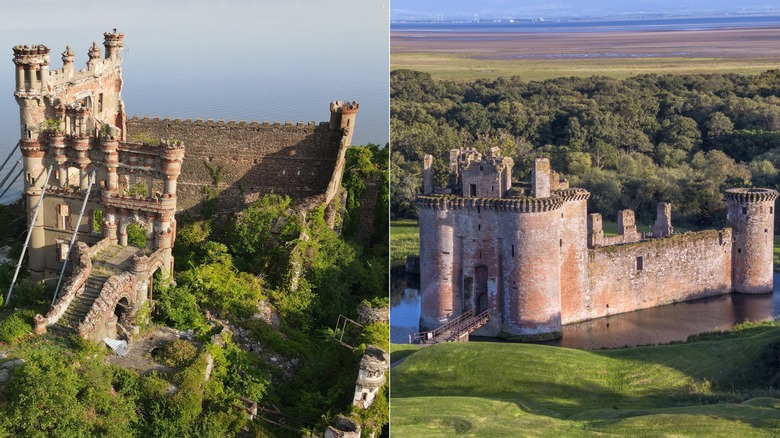
Ever want to visit a Scottish castle? Head over to Bannerman Castle, resting on Pollepel Island in the Hudson River. Francis Bannerman's successful scrap-and-military-surplus business enabled him to fund the construction of the structure, which was designed to resemble the castles of his native Scotland. Despite its grandeur, Bannerman and his family largely used it for storage, stuffing it with military goods. It never became a full-on mansion; instead, it served as an arsenal. Today, the ruins remain a brown-and-red chunk of Scotland just over an hour away from the Big Apple.
Rhinebeck
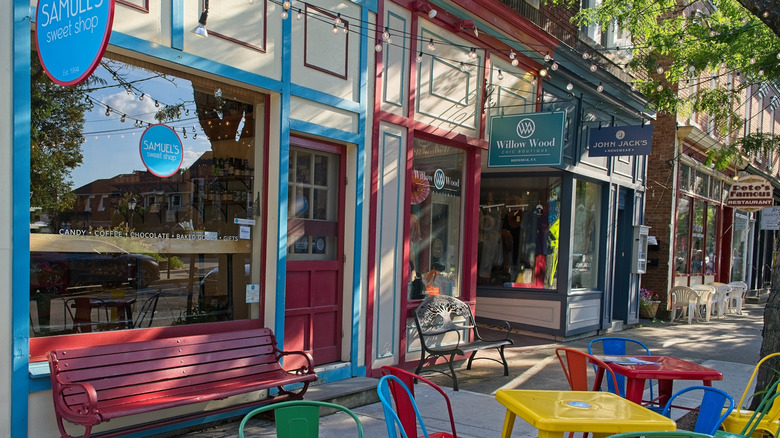
There's an American counterpart to the riverside villages that dot Germany's Palatinate region. It was, in fact, settled by families from the region in the 1700s. Rhinebeck, which even kept the region's trademark river in its name, has the architectural and atmospheric ethos of its similarly-named sister city, Rheinbach. Rhinebeck's 1.5-square-mile historic district encapsulates the parallels. Its historic churches, buildings, and an 18th-century inn blend a range of European architectural styles, while still harkening back to the town's Palatinate roots. Today, it remains a go-to escape for frazzled New Yorkers.
Lake Placid
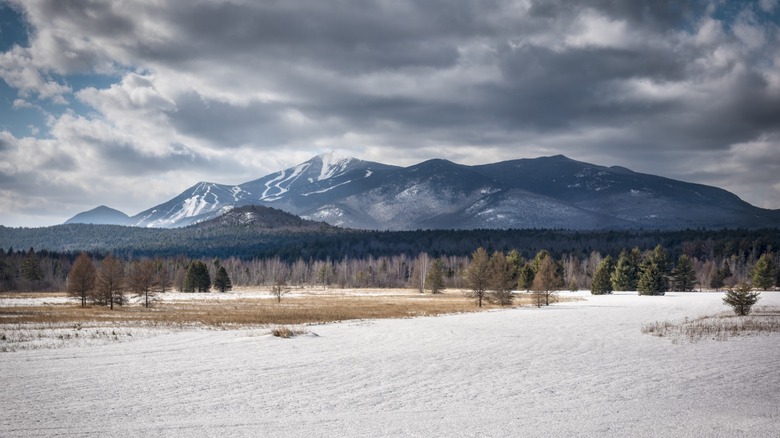
Sure, skiing in the Swiss Alps has its perks. But it also comes with a hefty price tag. A roughly five-hour drive from New York City to the Adirondacks costs much less while still offering Olympic-level skiing around Lake Placid. This scenic lake offers endless activities year-round, but its strongest connection to Europe comes in winter.
No, the Adirondacks don't rival the Alps in scale. Still, Lake Placid delivers many of the same pleasures: mountain vistas, ski culture, alpine-style lodges, and rustic accommodations.
Arthur Avenue
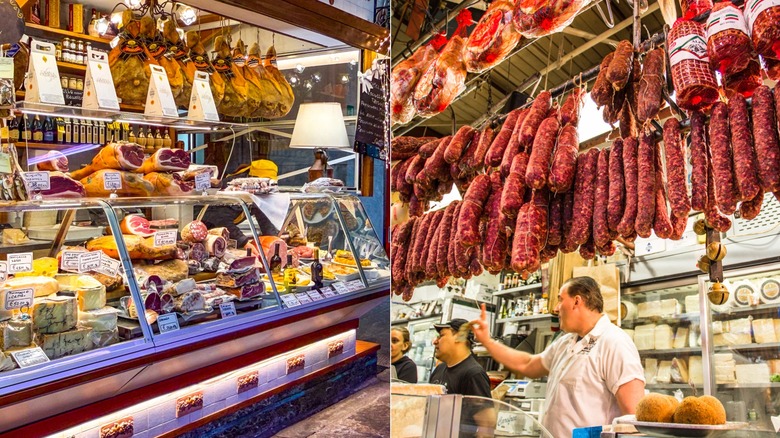
Spend enough time in New York City, and you'll hear someone mention "Little Italy." But canny locals know that besides the lodestar location on Mulberry Street, there's the rapscallion sibling up on Arthur Avenue in the Bronx. That's right, New York's self-declared "Real Little Italy" isn't in Manhattan, Brooklyn, or Queens. And while it may not resemble the Tuscan countryside or the Adriatic coast, it recreates many of Italy's sounds, tastes, and smells. Order just about anything at a neighborhood favorite such as the highly rated Piattini Café Bar Osteria, and see whether you still feel like you're in the Bronx.
Cold Spring
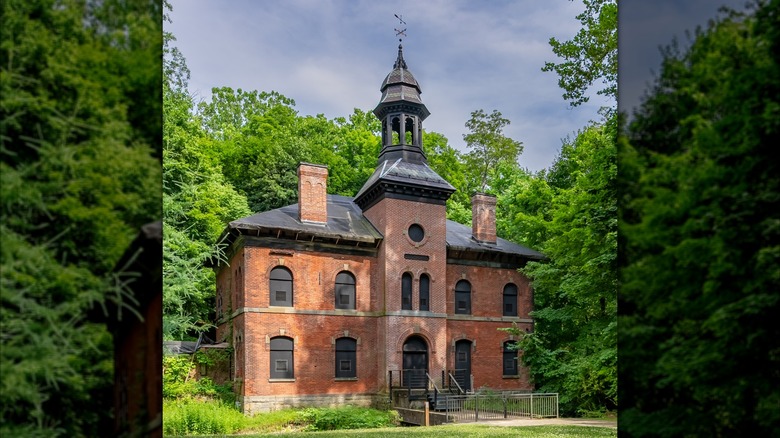
What evokes Europe more readily than a small village on the banks of a river with houses in various Old World architectural styles? Cold Spring, about an hour and a half from New York City, puts those parallels on full display. Its historic district contains pre-Civil War buildings in styles ranging from Gothic to Greek Revival. Sprinkled throughout are tastes of Old World design. The Boscobel House and Gardens, for example, showcases how post-Revolutionary America still fawned over the design cues and architecture of the continent it had just wrenched itself from.