
Canada's Least-Visited National Parks Are Spectacular Adventure Destinations With Pristine Views
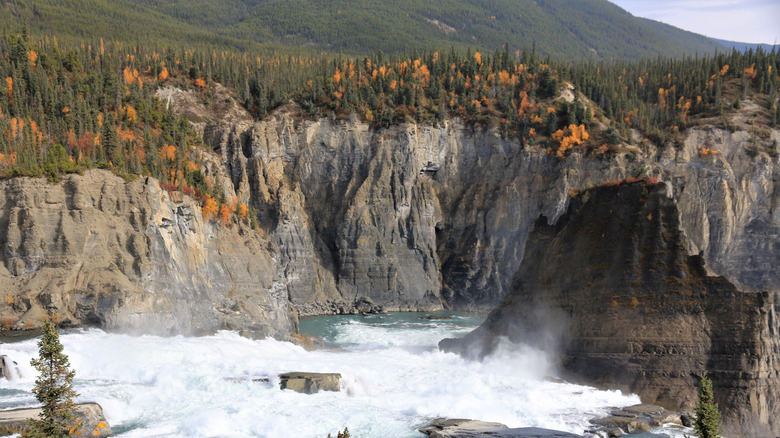
If Canada is famous for anything — aside from its deep-rooted love of hockey — it's the staggering natural beauty that stretches from one coast to the other. Towering mountain ranges, crystal-clear lakes, dense forests, rugged shorelines, and ancient glaciers combine to make Canada one of the most breathtaking countries on Earth. As the world's second-largest nation by land area, it offers an extraordinary diversity of landscapes waiting to be explored.
Scattered across this vast wilderness are 37 national parks and 11 national park reserves, spanning every province and territory in the Great White North. While iconic destinations draw millions of visitors each year, many of Canada's most remarkable parks remain surprisingly overlooked. Between 2024 and 2025, Canada's national parks attracted an incredible 15 million visitors. While that speaks to their popularity, it can also take away from the peace and quiet that many people head into nature to find. Famous parks like Banff National Park welcome more than four million visitors each year, while Prince Edward Island National Park sees nearly 700,000 visitors annually.
There's no doubt these parks are worth visiting, but some of Canada's most rewarding outdoor moments can be found in its lesser-known national parks. Yes, reaching these parks may involve hopping on an extra flight, hauling a canoe over a portage or two, and possessing enough backcountry experience to avoid an embarrassing rescue. They may take a little more effort to reach, however the stunning scenery, fewer crowds, and sense of adventure make the journey well worth it. We rounded up our favorites — some with less than 20 annual visitors — to showcase the least visited national parks to add to your bucket list.
Auyuittuq National Park, Nunavut
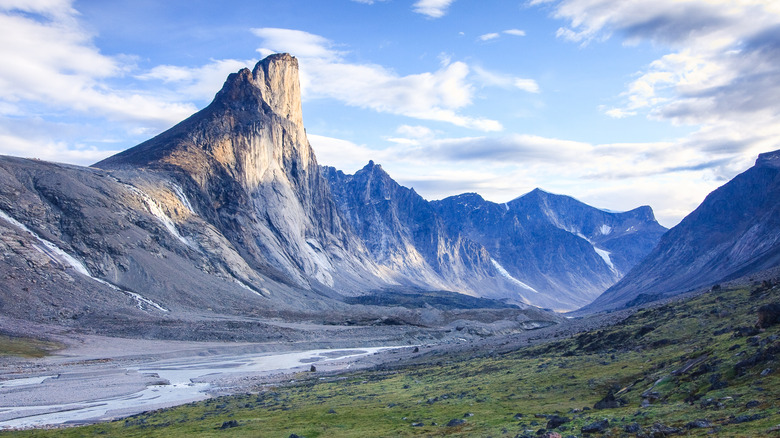
For adventure seekers eager to explore a remote wilderness of towering glaciers, dramatic fjords, and dazzling northern lights, Canada's largest territory offers an unforgettable escape. Auyuittuq National Park, located in Nunavut, is a stunning destination in one of Canada's most remote regions. Situated on Baffin Island, this remarkable region boasts breathtaking Arctic landscapes, polar bear viewing opportunities, and traditional dog-sledding experiences. Visitors can take in the views of Mount Thor and Mount Asgard, while trekking the renowned Akshayuk Pass. Few people explore the park each year, providing those that do make the journey with a true sense of solitude and adventure. Reaching Auyuittuq is an adventure in itself. Travelers must first fly to Iqaluit before continuing by snowmobile, or boat to the park. All visitors are required by Parks Canada to register and de-register their trip, and complete an equipment check to help ensure a safe and successful journey in the backcountry.
Nahanni National Park, Northwest Territories
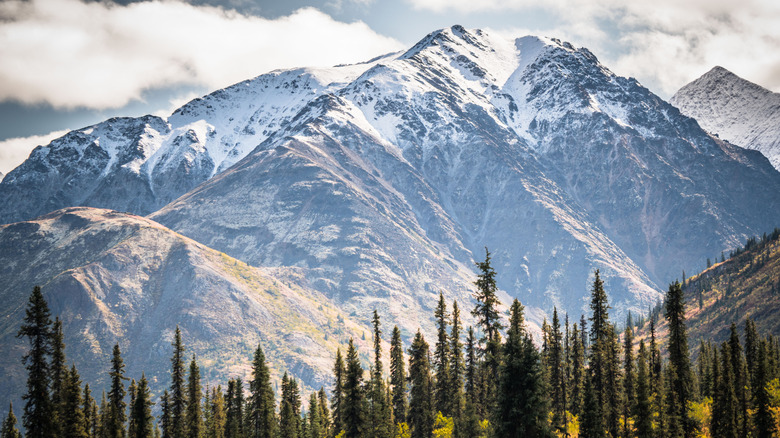
For breathtaking natural scenery, Nahanni National Park stands out. Designated a UNESCO World Heritage Site, the park spans an impressive 11,583-square-miles across three distinct ecozones: the Taiga Cordillera, Taiga Plains, and Boreal Cordillera. Tucked away in the remote Northwest Territories, Nahanni's dramatic landscapes of towering canyon walls, cascading waterfalls, and powerful whitewater rivers, are only viewed by roughly 1,000 visitors each year. Whether you prefer paddling through untamed waterways, trekking rugged trails, or camping deep in the backcountry, Nahanni offers endless opportunities for adventure, without the crowds of tourists vying for the perfect Instagram photo. If you're not willing to channel your inner Bear Grylls with backcountry camping, take part in a day trip flight to view the scenery of Virginia Falls, Ragged Range and Glacier Lake. Getting to Nahanni is no easy feat. Outdoor enthusiasts can fly in via a charter floatplane, from Yellowknife, which is noted as one of the best places to view the northern lights in Canada.
Wapusk National Park, Manitoba
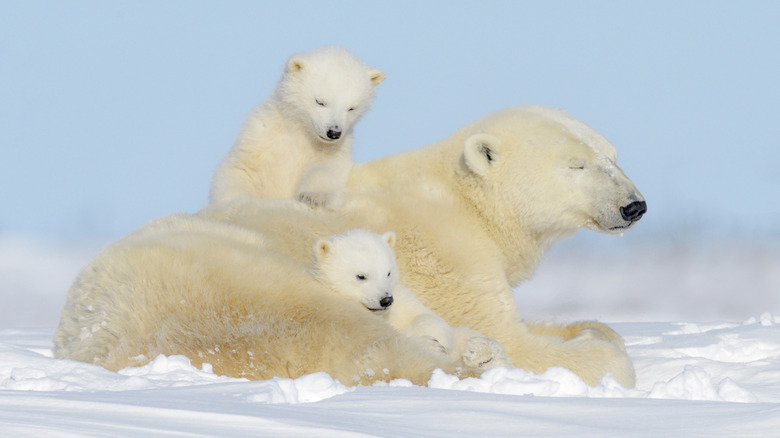
For wildlife enthusiasts, Wapusk National Park in northeastern Manitoba is a must-visit destination. Located in the ecotone where the boreal forest meets the Arctic tundra, the park is home to caribou, Arctic foxes, and one of the world's largest polar bear denning populations, helping earn Manitoba its reputation as the polar bear capital of the world. Its diverse landscapes, from coastal dunes and meadows to vast tundra, support an abundance of wildlife. There's even a live webcam showcasing wildlife footage in the park. Its remote location, extensive permafrost, and fragile terrain help keep visitation low, with approximately 300 people exploring the park annually. To experience this pristine and rarely visited landscape, Parks Canada requires visitors to travel with a licensed tour operator, such as Wat'chee Expeditions, ensuring both visitor safety and the protection of this sensitive northern environment.
Quttinirpaaq National Park, Nunavut
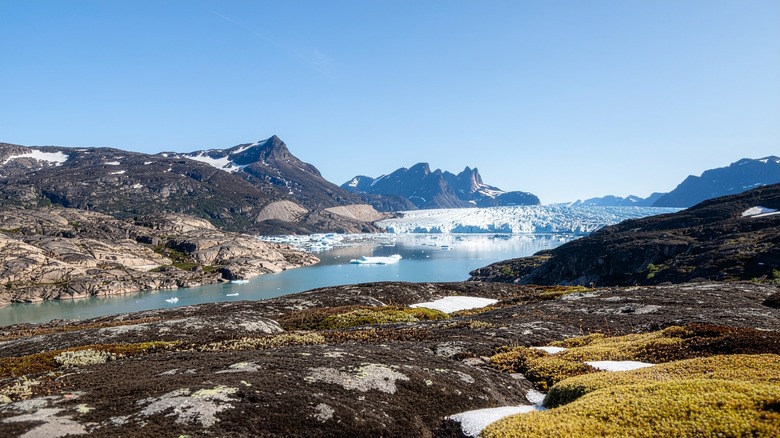
Canada's northernmost national park, Quttinirpaaq National Park, gets its name from the Inuktitut phrase for "the land at the top of the world" – a fitting title for a park located just 500 miles south of the North Pole. Its remote location at the top of Ellesmere Island, keeps visitor numbers low, but those who make the journey are rewarded with rugged mountains, glaciers, and rivers. Between May and August, the midnight sun bathes the park in 24 hours of daylight, providing ideal conditions for its challenging multi-day hikes, which range from three to ten days. Getting there is an adventure in itself: a round-trip charter flight with Canadian North from Resolute, Nunavut, costs roughly $49,000 USD. With room for eight to nine passengers, sharing the journey — and the cost — is highly recommended.
Wood Buffalo National Park, Alberta and Northwest Territories
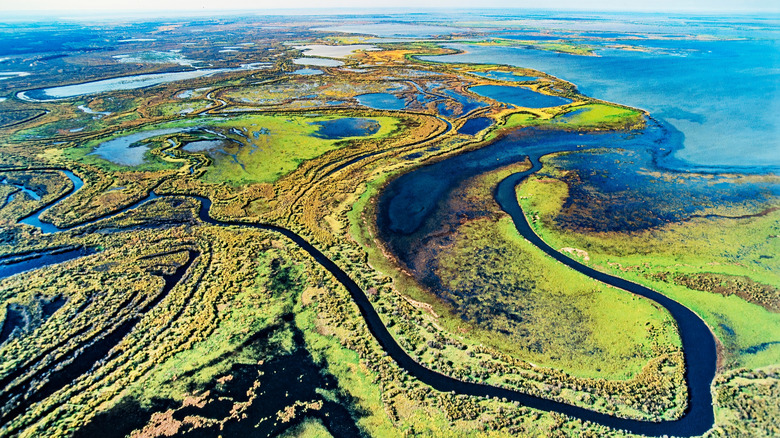
Viewed from above, Wood Buffalo National Park resembles an intricate web of veins flowing across lush green landscapes. Not only is Canada's largest national park a bison-filled escape for fishing, lakeside camping, and wildlife watching, it's one of the least-visited in Canada. Between April 2025 and December 2025, Wood Buffalo National Park saw an estimated total of 2,500 visitors, according to Alberta's National Park Attendance data. The park sits in both northern Alberta, as well as southern Northwest Territories, making its 17,000-square-mile size larger than nine U.S. states. From space, satellites can even pick up the world's largest beaver dam, hidden deep within the center of the park, which is reached after several days of trekking through grassy plains and dense forests. Its far north location also grants visitors the opportunity to see the northern lights — and perhaps a shooting star — in the world's largest Dark Sky Preserve.
Tuktut Nogait National Park, Northwest Territories
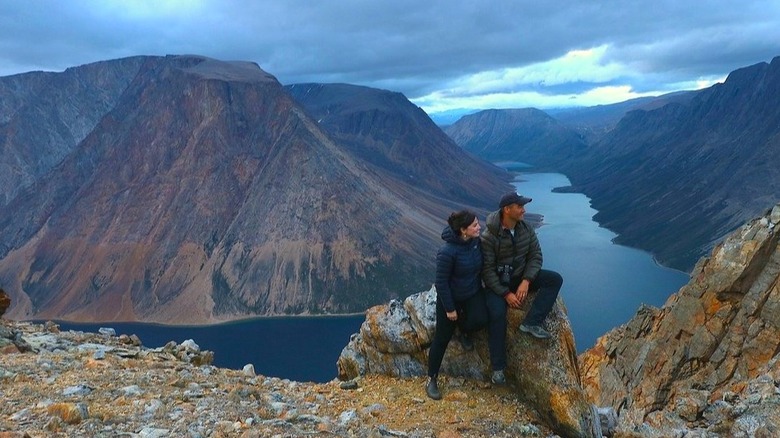
For those seeking the ultimate adventure in one of Canada's most remote and untouched wilderness areas, Tuktut Nogait National Park offers an unforgettable experience. Located in the Northwest Territories, this extraordinary landscape feels almost otherworldly. Situated high above the Arctic Circle, the park features dramatic canyons, rugged mountains, and vast stretches of tundra. Few people ever have the chance to witness its breathtaking scenery firsthand, making a visit both a rare opportunity and a true privilege. For experienced paddlers seeking excitement, the spectacular Hornaday River delivers 28 miles of thrilling Class III and IV whitewater, as well as smooth relaxed sections. Between heart-pounding rapids, take in the dramatic landscape of towering canyons rising 558 feet above the river, creating an unforgettable wilderness experience. As Tuktut Nogait is extremely remote, Parks Canada encourages visitors to register their trip and be prepared to deal with emergencies on their own if necessary.