
Unwritten Rules You Should Know Before Visiting Lake Tahoe
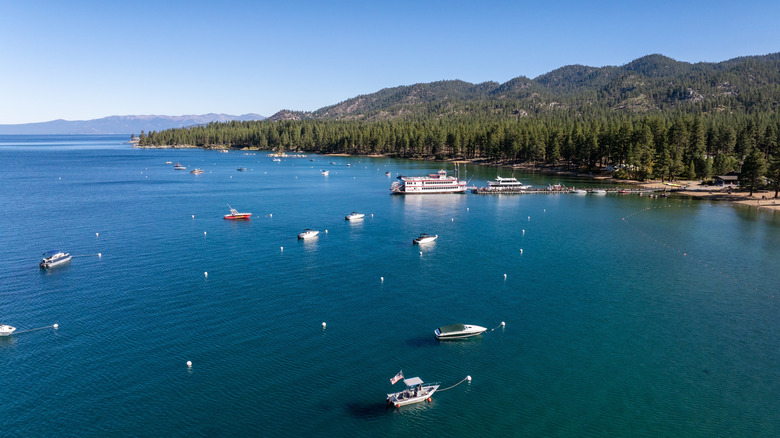
As far as lakes go, Lake Tahoe is one of the U.S.'s most interesting. It's the largest alpine lake in North America, with towns and villages lining its shores. It straddles two states, California and Nevada, with both offering completely different vacation experiences. Though it sits in one of the snowiest mountain ranges in the U.S., the lake never freezes completely in winter, yet remains dangerously cold in summer. Other interesting facts about Lake Tahoe include its status as a filming destination for Hollywood movies and the legend that a Loch Ness-like monster lives within its depths. As you plan your trip, you may find some of these fascinating details affecting your enjoyment.
Without the right precautions, the constantly cold water can turn deadly quickly if you plan on swimming or spending your days on a boat. There are a few state-specific laws you'll have to adhere to, whether you choose to stay on the California or Nevada side. And, of course, for safety reasons, the lake itself comes with its own set of rules. There's also the altitude and a range of other factors to consider. Luckily, we've compiled a few unwritten rules that should help with these concerns.
Along with addressing safety issues, you'll find helpful tips for trip planning too. Because Lake Tahoe can be crowded in the busier seasons, we thought tips on some of Lake Tahoe's more hidden, secret spots would help those trying to escape crowds. And with multiple towns where you can book a hotel or rental, we've also included a handy rule to help you choose the best section as a base.
Choose the right side
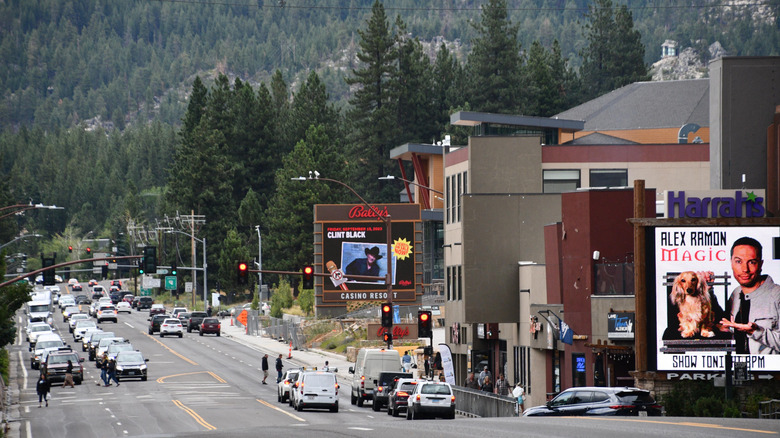
With Lake Tahoe stretching across Nevada and California, your experience will be different, depending on which side you choose. There's also a marked difference between the north and south shores of the lake. Ultimately, choosing the right area for your base will come down to what kind of vacation you desire.
For a busier vacation, stay on the south shore, where you'll be near the attractions in Stateline and South Lake Tahoe while still being by the lake. Stateline is on the Nevada side where gambling is legal, and is the town for you if you enjoy casinos. You'll find Harrah's Lake Tahoe, Golden Nugget Lake Tahoe, Caesars Republic Lake Tahoe, and Bally's, along with a bunch of nightclubs. South Lake Tahoe is on the California side, where gambling isn't legal, so there are no casinos, but bars and lounges abound on Lake Tahoe Boulevard. Also in the town, Heavenly Village, the hub for the nearby Heavenly Ski Resort, offers bars and an exciting magic-theater spot called The Loft for more after-dark fun. If you want to spend your days outdoors, book a stay near Heavenly if you're a skier, or in a town like Zephyr Cove for lake adventures in summer.
Though you can find nightlife on the north shore, it's best known for a more laid-back atmosphere that's ideal for quieter vacations and outdoor pursuits. Tahoe City, Truckee, and Carson City are some of the main towns, and offer beaches, fishing, waterskiing, hiking, boating, and more. If you want to be close to some of Lake Tahoe's popular beaches, Carson City is best. Truckee is more mountainous, so it's ideal for hiking and proximity to Palisades Tahoe, and lots of the other ski resorts on the northern side of the lake.
Always have your ID on you when gambling on the Nevada side

While states like Idaho and Montana may allow patrons as young as 18 to gamble, if you plan on gaming anywhere in Nevada, you'll need to be at least 21. To enforce the age limit, casinos around the state may ask to see your ID before you're allowed to bet (some may scan at the door) or cash in your winnings. The same goes for Stateline. If you plan to gamble in the Nevada town, you can expect staff in many of the casinos to actively check for IDs anywhere, including on the floor.
Under its Project 21 program, employees at both Caesars Republic Lake Tahoe and Harrah's Lake Tahoe are trained to identify gamblers who may be underage. Bally's says it monitors its casinos for underage guests. If any of the three happen to be your gambling destination, always have your ID on hand, as you may be asked to show your ID if you're suspected of being younger than 21. This also holds for any other gaming establishments in the area.
Importantly, if you or someone in your party is under 21 and considering taking the risk of using a fake ID, we seriously caution against it. Casino staff are trained to identify fake IDs and also use special technology to detect fraudulent documents, so you'll likely be found out. And because using or attempting to use a fake ID to gamble is a misdemeanor in Nevada, you could face a fine or jail time.
You'll need tire chains if visiting to ski the California side
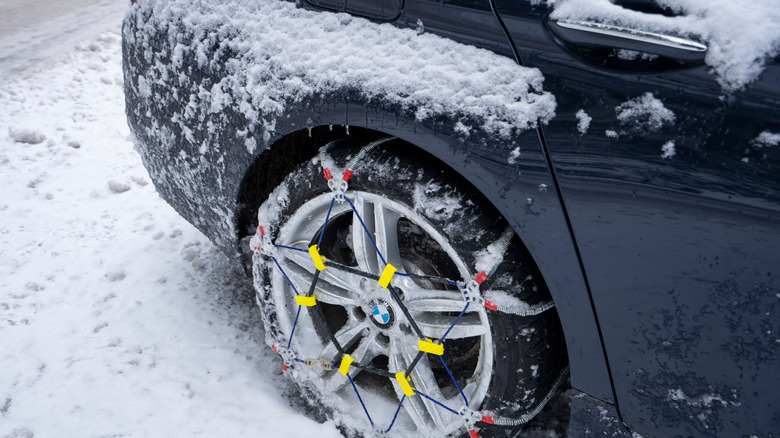
The California section of Lake Tahoe sits in the snowy Sierra Nevada — this is why the region is known for skiing. Whether you're visiting Heavenly Mountain Resort, which is one of California's best destinations for the sport according to reviewers, or Palisades Tahoe, one of the most highly regarded ski resorts in Lake Tahoe, you'll be in the mountainous region. To prevent accidents in icy conditions, California law requires you to have tire chains installed in most instances. Checkpoints to enforce the rule are actively set up, and the chains may just prevent an accident, so it's a good idea to carry them when driving to Lake Tahoe in winter.
Under the law, you're expected to have the required traction devices, depending on road conditions. The lowest level (R-1) gives you a choice between snow tires or chains. Either is acceptable at this level.nLevel R-2 requires chains, but there's an exception if your vehicle is four-wheel drive or all-wheel drive and has snow-tread tires on all four wheels. If you don't have one of these vehicle types, or if you do but you don't have snow tires on all wheels, you'll need the safety devices. The highest level, R-3, requires chains or traction devices on all vehicles. As the weather can change suddenly, passenger vehicles must also carry them at all times, even if conditions don't require that they be immediately installed.
You can figure out the designated level by looking out for signage on the roads. Follow whatever requirements are posted. If you're found without snow chains installed when required, you may be fined.
Take a day to acclimatize to the higher elevation
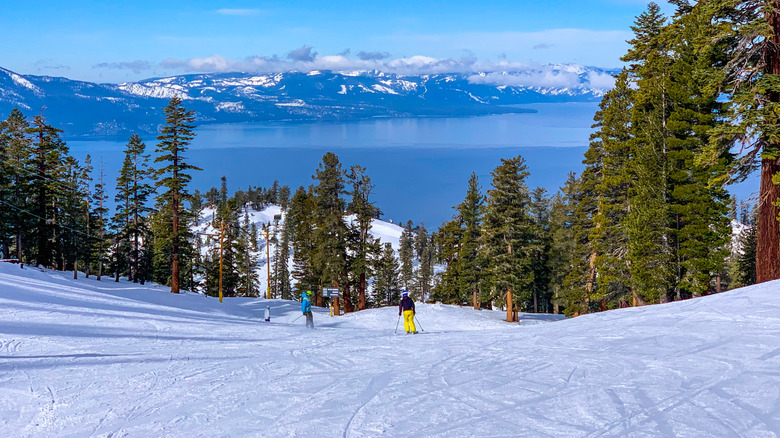
Unless you live in a mountainous area, Lake Tahoe is probably higher than what you're used to. Naturally, being in the Sierra Nevada means higher altitudes, so it's hardly surprising that the region sits at an elevation of 6,200 feet. At those heights, it's not uncommon for visitors to feel off-balance. The lower air pressure can make it feel like there's less oxygen, causing headaches and difficulty concentrating. Upon arrival, you may also find that you get tired easily and lose your appetite.
Although these are typical symptoms, many visitors report being hardly affected or getting over the high-altitude effects quickly, so don't panic too much. "I notice it if I drive up and immediately jump on the mountain bike and hit the trail. Like you say, once I acclimate for a night or so, not a big deal, " one traveler explained on Reddit. And another Redditor had no effects: "Like everyone said, it'll affect you differently," he explained. "But as an east coast fat dude with exercise induced asthma I didn't have any issues with altitude in the Sierras."
Since the symptoms can go away quickly with proper care, it's worth paying attention to what you do immediately after arrival. The most important thing is taking it slow for a day or so. Stay away from strenuous activities and drink plenty of water while you get used to the high altitudes. If you drink coffee or alcohol, go easy and follow with lots of water. Additionally, eat meals rich in complex carbohydrates, including vegetables and whole grains, as these foods can help your body adjust to lower oxygen levels and maintain your strength.
Choose a hike-in beach if you want less crowds
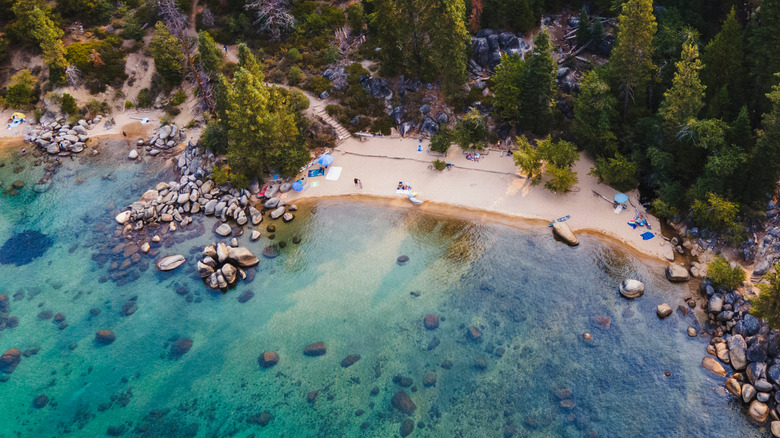
Of the 15 million people who visit Lake Tahoe annually, many come in summer, leaving the shores jam-packed, especially on weekends. If you plan to visit for the beaches, you can spoil your day fighting for parking spots and an inch of sand in popular spots like Sand Harbor. Or you can take a little extra time (and effort) and head to one of the hike-in beaches instead. The longer treks make them harder to get to, and less popular with visitors, so they're ideal for a quiet beach day.
One option is the uncrowded Whale Beach, a clothing-optional destination you can reach through a scenic hike (on the Whale Beach Trail, which takes around an hour from its trailhead on Highway 28). If nudity isn't up your alley, Skunk Harbor is a good bet, as it can be accessed only by a steep hike which discourages crowds. The 1.6-mile trail begins on Highway 28, around 2 miles north of Highway 50, and is fairly easy on the first leg. The return hike is the steeper leg and so will be a bit more challenging, but still manageable for most, including children if they take it slow. Once you arrive, you'll discover an off-the-beaten-path delight. Signs of development — restrooms, trash receptacles, and picnic tables — are missing. Instead, turquoise waters and sand lined by trees await.
Importantly, the quiet beach won't have the crowds of others in Lake Tahoe — which is why locals recommend it on Reddit: "I love skunk harbor. It's a little hike but very steep from the highway. That keeps the crowds away unlike "secret beach" lol." The trail to get there is called the Skunk Harbor Trail and takes around 2 hours round trip.
Prepare for perpetually cold water (even in summer)
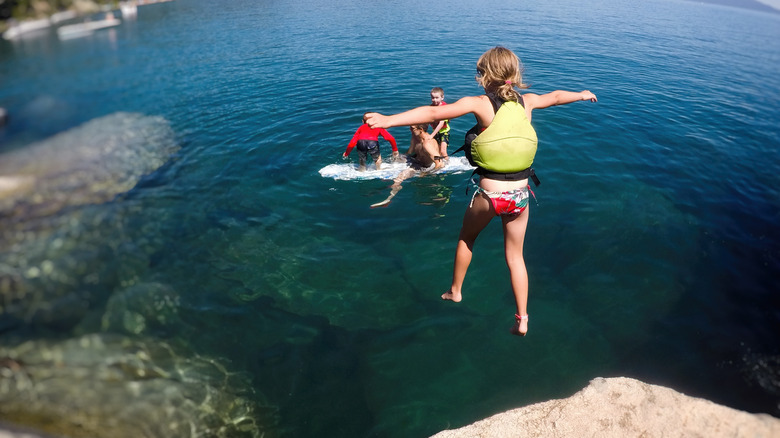
With pristine-looking blue waters and the sun overhead, if you visit Lake Tahoe in summer, you could easily be lulled into thinking you're in the tropics. But nothing could be further from the truth. It doesn't matter how warm it gets; the famous lake stays perpetually cold. The turquoise waters originate in the mountains, where winter snow keeps the slopes covered. Come spring, this ice and snow start melting and flow into the lake as water that remains cold throughout summer. June averagesabout 58 degrees Fahrenheit, while July and August hover in the mid- to high-60s.
These temperatures can make for unpleasant swimming conditions. But due to a condition called cold water shock, they can also be dangerous if not prepared. Cold water shock is cited in drownings every year and can happen in water that's between 50 and 60 degrees Fahrenheit. It's also not unheard of in water up to 77 degrees. The ailment causes a gasp reflex,which can lead to inhaling water. The longer you stay in the water, the worse it gets. Within 10 minutes, arms and legs stop working. And within an hour, hypothermia causes a loss of consciousness.
The best way to prepare is to wear a life jacket that will keep you afloat if you start sinking. The devices are legally required on boats, but they're also a good idea if you're swimming. If you don't have one, loaner jackets are available at some fire stations in the area. If possible, try to find shallow water that allows you to enter slowly, as this helps with acclimation.
Carry the required number of life jackets
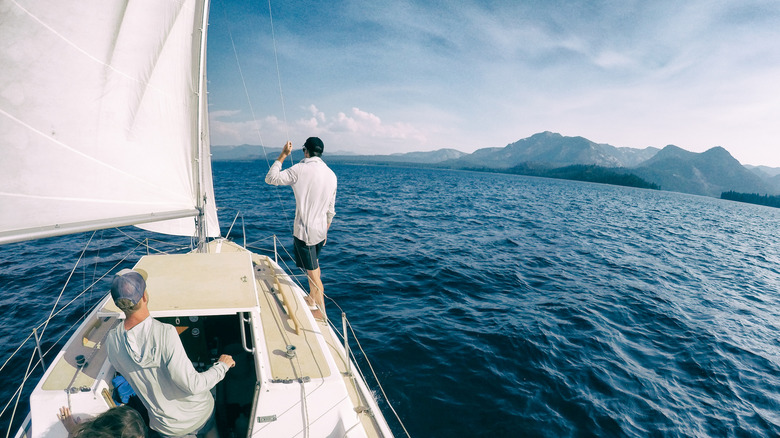
If you plan to go boating, Lake Tahoe has strict rules for life jackets while on the water. Cold water shock is one reason, but the lake is known for erratic weather patterns that can turn calm water rough suddenly. Again, the culprit is the surrounding mountains. Powerful winds travel down the western slopes, then funnel through the canyons before sweeping the water in strong blasts. Thunderstorms can also happen and have similar effects.
Boats can easily capsize in these circumstances, sending occupants into rough, cold water. This happened in 2025 when a sudden thunderstorm overturned a boat carrying 10 people. According to ABC News, the only survivors were the two wearing or clinging to a life jacket. The boat appears to have had the required number of life jackets, but eight of the 10 people aboard were not wearing them.
So what are the rules that could save lives? They're actually easy to remember: If you are on a jet ski or being towed behind a boat (for example, for parasailing), you must wear a life jacket. If you're planning to kayak or canoe, or you'll be on a boat less than 16 feet long, you must carry a life jacket for each person on board. In addition, boats 16 feet or longer, except canoes and kayaks, must be equipped with a Type IV throwable device, such as a ring buoy or horseshoe buoy. Children under 13 must wear their vests at all times.
Plan a weekday escape for the best deals
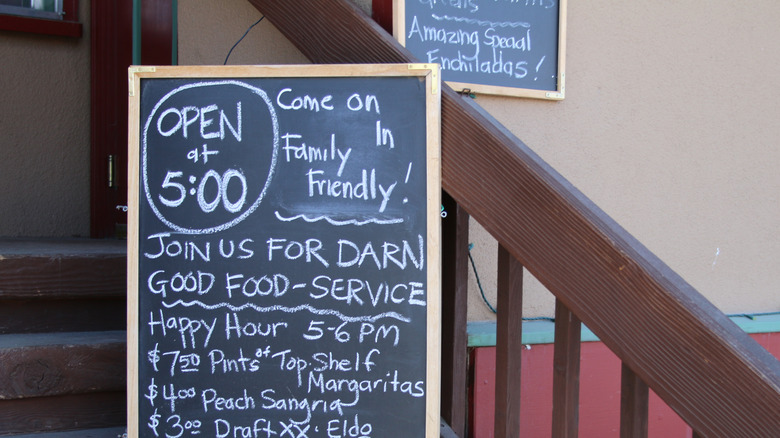
On weekends, Lake Tahoe is a popular getaway spot in the peak summer and winter seasons. Californians looking to ski take advantage of their proximity to the region and drive up to its many ski resorts. And it's also popular with travelers seeking short lakeside escapes during the warmer months. While those days may be convenient for relaxing after a hectic workweek, they come with a few disadvantages. Historically, traffic and crowds have been the biggest reasons a weekend getaway to the picturesque destination is a bad idea. But there's also the matter of prices. Weekends come with premium pricing for accommodations and almost anything else you'll pay for. If your situation allows for a weekday trip instead, you'll find some of the best deals.
Restaurants tend to have happy hour specials and discounted meals that they won't offer on the weekends, and prices for ski lift tickets and other attractions also see steep discounts. At the time of this writing, Stateline Brewery and Restaurant offers happy hour deals every day except Fridays and Saturdays. If you were planning to explore Emerald Bay State Park on a Sunday or Monday, you could stop at the nearby Emerald Bay Bar and Grill for $2 tacos and other drinks and meal specials. And Margaritaville Resort's LandShark Bar and Grill offers weekday happy hour specials.
On the accommodations end, popular Palisades Tahoe offers a midweek special with steep discounts on both accommodations and ski lift tickets, if you book a Sunday to Thursday escape. And if you're looking to gamble, Bally's Lake Tahoe has a deal on suites that's only available on weekdays. Many other establishments offer weekday discounts, so before paying full price, check when booking accommodations or attractions.
Beat traffic with a water taxi
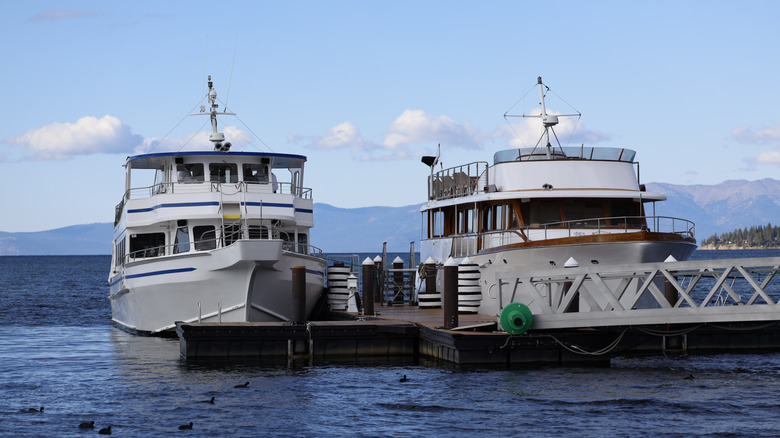
The 15 million people who visit Lake Tahoe annually swarm the town most in two peak seasons. In summer, it's boating, beaches, and other water activities that draw throngs of people. In winter, skiers flock to some of the U.S's best ski resorts for some fun in the powder. If you happen to be planning a trip during any of these peak seasons, you can expect traffic buildups that could test even the most patient driver. While we can't help in winter, in the warmer months, we recommend skipping traffic and using water taxis if you're staying in South Lake Tahoe.
At the time of this writing, the main water taxi service is Action Watersports Tahoe, but FlyTahoe is slated to begin a new ferry service later in 2026. Action Watersports operates between four marinas on the south shore — Camp Richardson Marina, Timber Cove Marina, Lakeside Marina, and Round Hill Pines Marina — through Labor Day, weather permitting. In addition to offering water sports and boating, each marina is close to some of Lake Tahoe's popular spots, so if you planned well, you could organize some of your excursions around them. For example, Pope Beach is a 23-minute walk from Camp Richardson Marina, and the well-reviewed Tallac Historic Site is a 22-minutewalk away. You could even book accommodations near one of the marinas and use the taxis as your main mode of transportation. You could save on the area's expensive gas and parking if you do.