
8 Disadvantages Of Traveling During The Off-Season Travelers May Not Know
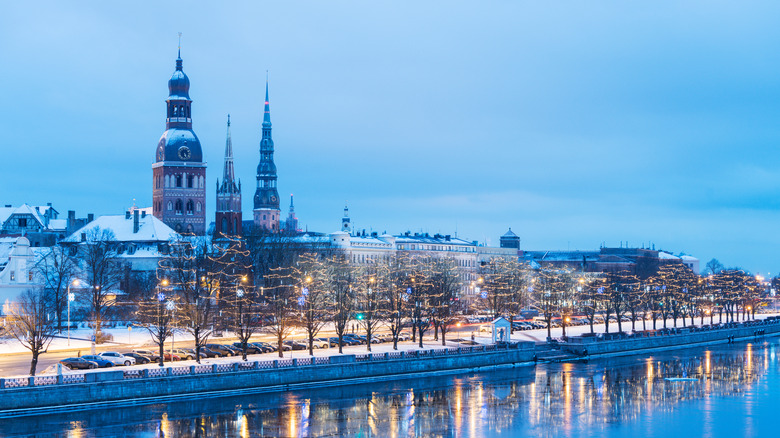
Traveling during the off-season — the slower and often cooler-weather months when there tends to be less demand for tourism — can be a great way to save money and beat the crowds when you're vacationing. Depending on where and when you're planning to travel, you could potentially save money on your accommodations, car rental, airfare, and even entertainment. And when your money goes further, that can also mean getting some pretty sweet upgrades for a fraction of the price. But before you book, seasoned travelers recommend doing your research thoroughly because, just like everything else, off-season travel can have its disadvantages.
Aside from Thanksgiving and Christmas, U.S. citizens tend to do most of their traveling during the warm summer months. Global travel patterns are similar, with travel peaking in July and August each year. For much of the rest of the year, travel tends to slow down, with mid-January through early February marking the slowest period for travel. To keep the cash flow coming, many businesses offer special rates during these slow months — a fact that savvy travelers like to take advantage of by heading to some of the best destinations for off-season travel.
While off-season travel can be an incredible experience, it can often be much different from what you'd find traveling during peak travel season. Whether you see that as a feature or a bug can depend on how much you're prepared for the potential downsides of off-season travel. From inclement weather to closed attractions, here are some of the biggest disadvantages you should be aware of before booking, along with our best tips for navigating them.
Some attractions may be closed during the off season
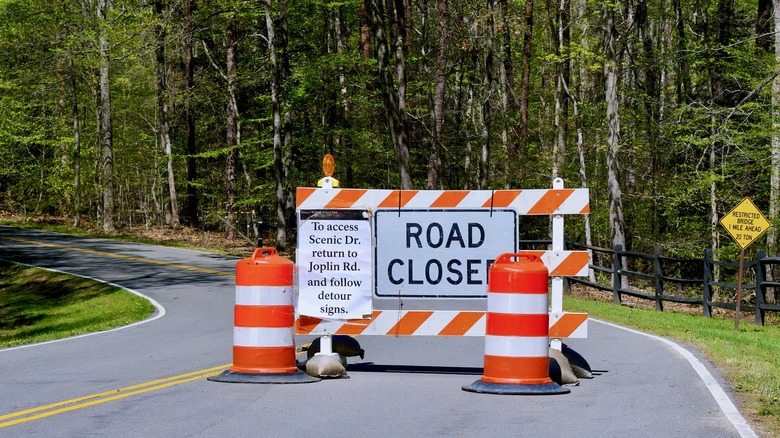
If you're traveling during the off-season, don't expect everything you're hoping to see will be open. Depending on factors like the level of tourism in the area and weather-related accessibility, closures can be common after late September in some areas.
Such is the case with many camping and backpacking areas in the United States, including a handful of American national parks you'll want to avoid visiting during the winter holidays. Writing on r/backpacking, Reddit users reported heavy seasonal campsite closures in a number of areas across the United States, including California's Sierra region, the Cascades, coastal Alabama, and the Smoky Mountains. Online research can be deceiving as well. As one disappointed backpacker wrote, "I was soooo bummed. All my research said things would be open, but when I got there, it was closed." And it's not just remote camping and outdoor tourism that endures seasonal closures. Tours that see a lot of business during the high season will often close down during the cooler months. Many English-language tours in particular close down to reflect the seasonal demand reduction.
Outside of heavy tourist areas like California and Florida, many U.S. amusement parks are closed for anywhere from a couple of weeks to most of the off-season between late October and spring break. Many of the smaller attractions around tourist destinations like Niagara Falls tend to shut down during the winter months. Prince Edward Island and Nova Scotia also tend to have significant attraction closures during the off-season. While major European attractions are more likely to be open, some rides and events can be closed. To avoid mid-vacation disappointment, thoroughly research and call ahead before booking instead of blindly trusting a destination's website.
Many restaurants and shops may be closed
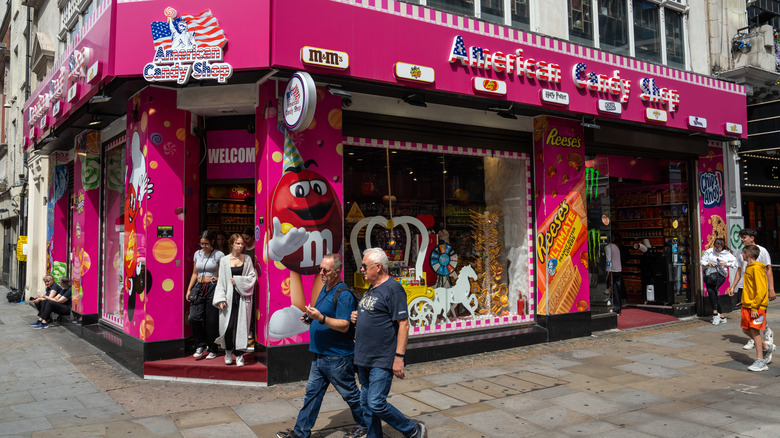
When tourism starts to lag during the off-season, small businesses tend to be among the hardest hit. To mitigate the impact, many of these smaller shops and restaurants may completely close down for at least part of the season. Many locally-owned hotels will also close for part of the slow season to deep clean and update their rooms. "[I]t's the time that some businesses close to take a break/give employees time off. It's a great time to visit as it isn't as busy but there's plenty to do still." explained one St. Thomas local in response to a Facebook post on the subject.
Still, if you don't mind having fewer options for dining and shopping, the off-season can be a great way to experience life among the locals. Expert travel guide and author Rick Steves cites off-season travel as his top-secret tip for experiencing genuine, everyday life in European countries. In the same spirit, one visitor to Guatemala's Mayan market town Chichicastenango reported on Reddit that many of the stalls were closed during the off-season. Despite the closures, the tourist had been happy to realize they'd been mostly surrounded by locals in that market, even if some of the shops had been closed.
To enjoy the best shopping and dining experience while enjoying your low-season vacay, be sure to carefully research any low-season closures before booking. Even if you're hoping to embrace spontaneity, choose a lineup of restaurants and shops you want to check out at your destination, then call or email ahead to confirm they'll be open when you're traveling. Using the same logic, be sure to book your hotel or vacation rental far in advance of your trip, especially if those accommodations are locally owned businesses.
Many shops and restaurants may close early
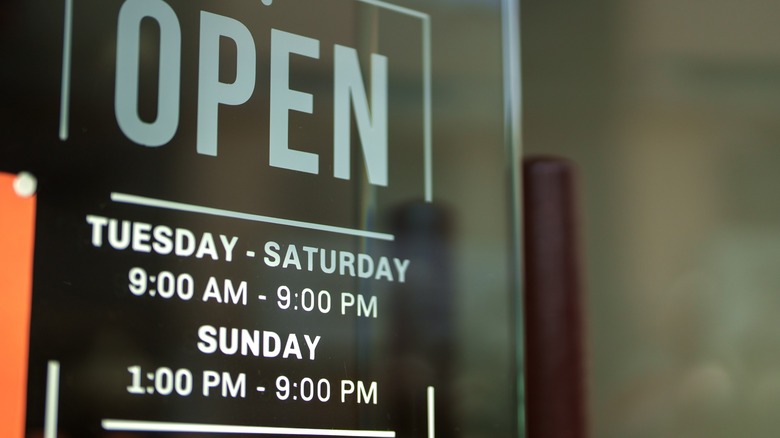
Imagine putting in a reasonable amount of effort into researching your vacation to ensure that all of the shops, restaurants, hotels, and attractions you've been dreaming of are going to be open during your travel dates, only to arrive and find them closed. After taking a moment to collect yourself, you realize that, despite all of your otherwise meticulous planning, you overlooked the fact that many attractions and local businesses tend to reduce their hours during the slow season, in some cases dramatically. Among the attractions, restaurants, and shops that are still open during the off-season, many will cut their hours as the demand for business drops. Shops shut down early, while restaurants and clubs that might have been go-to destinations for live music may also book fewer acts.
In "When to Go to Europe: Timing Your Trip," Rick Steves emphasizes to European travelers that many businesses will reduce their off-season hours to coincide with the reduction in daylight hours, adding that this can also include tourist offices. "Winter sightseeing is fine in big cities, which bustle year-round, but it's more frustrating in small tourist towns, which can be boringly quiet, with many sights and restaurants closed down," the travel guru advised.
Knowing what to expect can make a world of difference, though. To make the most of your off-season experience, strategically schedule your plans to align with the local scene so you don't miss out on the peak shopping and dining. Once again, do your research to find out if there are any market days or local events where you're traveling. Some communities in the Netherlands, for example, practice koopavond, the one night a week where retail establishments remain open for a few extra hours.
Ferries can be less frequent and even less comfortable
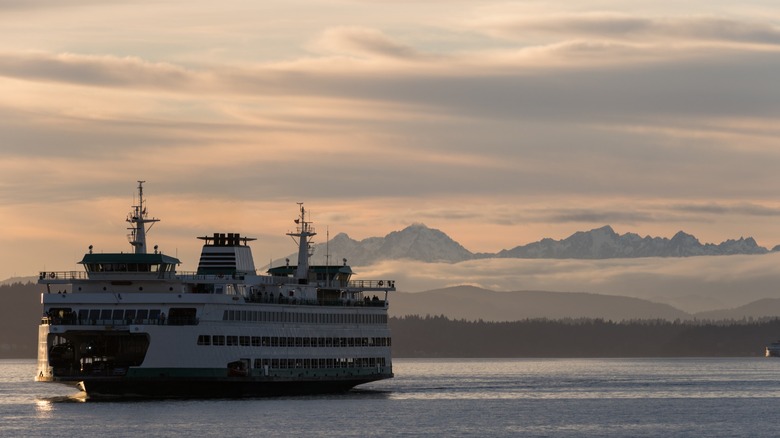
During the travel off-season, you might find it harder to grab a ferry since these operations can cut their hours or limit the frequency of their trips as demand goes down. During the summer months, when tourism is at its peak, ferries shuttling tourists to their destinations tend to run fairly frequently. With the reduced number of passengers seen in the low season, however, many ferries around the world tend to cut down on their number of trips, in some cases dramatically. As the travel site The Mediterranean Living puts it, "A route that feels simple in August may run less often in March, November or early spring. Some smaller islands may be easy to reach one day and awkward the next."
The key is rooted in patience and tossing out any notion that off-season ferries will run as tightly as a train schedule might. In other words, try to leave a little buffer time in your schedule in case things aren't running as smoothly as you planned on the day or days you'll be traveling by ferry. If your trip will involve a good deal of island-hopping by ferry, try to keep your routes simple rather than ticking off every stop on your vacation vision board.
Depending on where you're traveling and even the specific ferry route you'll be taking, the off-season can also mean a much less comfortable ferry ride. Colder weather can mean exposure to bitter winter winds, dramatic swells, and choppy waves. Open water can get pretty cold even in the Mediterranean. Seasoned travelers recommend sitting toward the boat's center, dressing warmer than you think you'll need to, or even bringing a blanket to snuggle under while you're on the ferry.
Off-season weather can be tricky
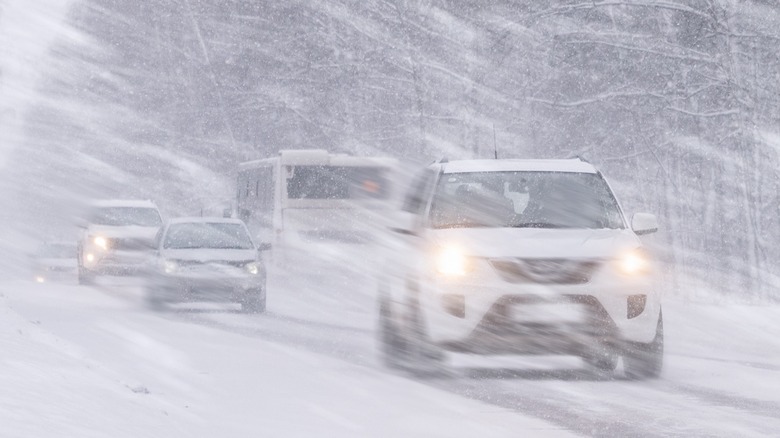
As a general rule, peak travel season tends to follow the warm-weather months. And vice versa, it's likely enough that, depending on where you're planning to spend your vacation, you'll arrive when the weather is somewhere between a little cool and exceedingly frosty — not to mention hard to predict.
Frequent travelers warn that ill-preparedness for a destination's off-season weather could make for a bad trip or even potentially harm, particularly when the destination is someplace mountainous. "In some of these places off season travel isn't a risk – it's a death warrant," advised another Redditor. Your planned itinerary and expectations can also make a difference, they went on to emphasize. Some destinations will be perfect for cold-weather activities during the off-season. On the other hand, late winter might not be the best time for a tourist planning to tour downtown Boston's historic Freedom Trail on foot.
Once again, careful planning could potentially make or break your experience navigating weather while traveling in the off-season. Check out your destination's historical weather patterns for the time of year you'll be traveling. Look up the postal code for your accommodations and start checking the weather regularly as your travel dates get closer. If you've got back-up plans for inclement weather and you're okay with a little flexibility, a little weather isn't going to rain on your parade.
You're more likely to face travel delays
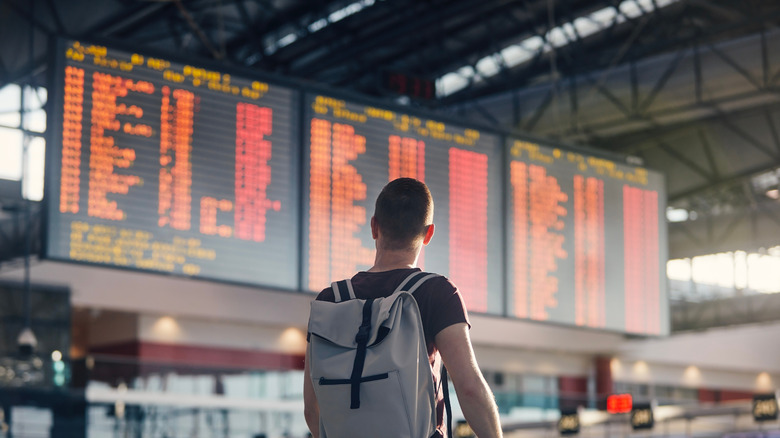
Folks who book their trips during the off-season can end up facing some pretty frustrating delays at the airport for a handful of reasons. Just as off-season weather can put a damper on your destination plans, it's also more likely to have an impact on travelers' air travel. According to the United States Federal Aviation Administration, weather-related delays accounted for nearly 75% of all flight delays lasting more than 15 minutes in a sample period falling from June 2017 through May 2023.
Weather-related delays can hit especially hard when you're traveling through regional airports, where necessary de-icing procedures that are routine for a larger hub can face more significant challenges. That's because smaller airports may have a shortage of backup equipment and resources or run short on the kind of specialized de-icing equipment you might find at a larger airport. But even larger airports can face challenges with ineffective de-icing fluid due to rapid temperature changes.
To mitigate the chance of seeing your flight get delayed, The New York Times suggests booking flights as early in the morning as possible. That's because one delayed flight tends to impact every flight that uses the same plane after it — not to mention the laundry list of other resources impacted — a condition known within the airline industry as "delay propagation." That puts your flight at the top of that chain reaction while setting you up for a stress-free early morning trip in an uncrowded airport with fewer delays. And once again, keep an eye on the weather patterns. If you see a winter storm rolling in, it might be worth your time to consider rolling your own party out just a little bit earlier.
It might not be any better
If you're ready to risk a bit of cold, soggy weather and are open to a little flexibility in exchange for discounted travel without having to fight the crowds, off-season tourism might sound like a dream. But imagine making that trade-off only to find your destination every bit as crowded as you might find it during the busy season. Some frequent travelers say this is exactly what they're experiencing. What was historically known as the off-season or shoulder season is gradually turning into one long, never-ending travel season where seasonal deals are fast becoming a thing of the past. Experts cite climate change as the biggest reason for these changing travel patterns. As summer heat waves and wildfires make summer travel increasingly unbearable, more tourists are shifting their travel to either the off-season or shoulder-season (the period falling between the peak travel season and off-season).
While there will always be plenty of tourists who book their travel plans around the school year, record numbers of U.S. travelers have started planning their trips to coincide with more moderate weather. Speaking to CNBC in July 2026, Delta Airlines President Peter Carter explained that there's no longer such a clear delineation between the travel seasons. "It used to be so much lumpier," Carter opined, referring to how year-round European travel has picked up in recent years. Reflecting a similar sentiment, United Airlines' Senior VP Patrick Quayle told CNBC, "We've seen this massive, what I would call, the creep of the seasons — the shoulder season is blending into the full season."
If savings are your primary reason for off-season travel, follow Rick Steves' thrifty tips for making travel more affordable. If you're more interested in dodging the crowds, eschew tourist hotspots for more off-the-beaten-path destinations.