
Unwritten Rules You Should Follow When Hiking The Appalachian Trail
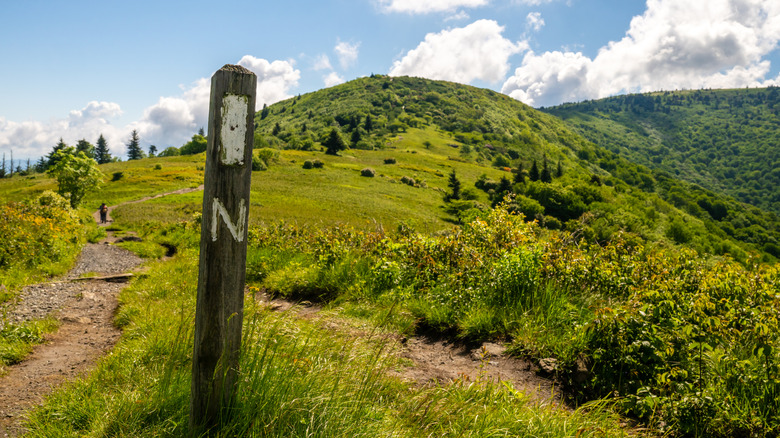
Few long-distance hikes are as legendary as the Appalachian Trail, also known as the AT. It's one of the U.S.' 11 national scenic hiking trails, extending nearly 2,200 miles — 2,197.9, to be exact. It stretches from Springer Mountain in Georgia to Mount Katahdin in Maine, passing through 14 states. And along the way, hikers experience a 464,500 feet in elevation change, traversing national parks, mountain ridges, dense forest, open meadows, and more. It's no wonder it's a bucket list item for so many, with more than 3,000 individuals usually registering for a thru-hike every year.
The best times of year to hike the Appalachian Trail will depend on whether you approach it northbound (NOBO) — the most popular direction — or southbound (SOBO). Starting in Georgia, hikers usually get going in late March or early April. The other way around means starting after June 1, since Katahdin's trails can be snowy well into spring and Baxter State Park opens them only when conditions allow, according to the Appalachian Trail Conservancy. Beyond the practicalities, though, there's a lot to know about the culture and experience of the trail. Some basic tips can make your experience easier and more enjoyable, including some ins and outs of the constantly evolving community and "bubble" — the dense group of hikers who set out around the same time.
Below, discover 11 unwritten rules from hikers, shared in articles and Reddit discussions. Most of what you'll learn is geared toward thru-hiking, but that doesn't mean section or day hikers won't find some of these tips valuable. We've consulted the ATC for official guidance, plus national and state park resources, blog posts, social media posts, and regional tourism sites.
Shelters are for sharing, but they're first-come, first-served
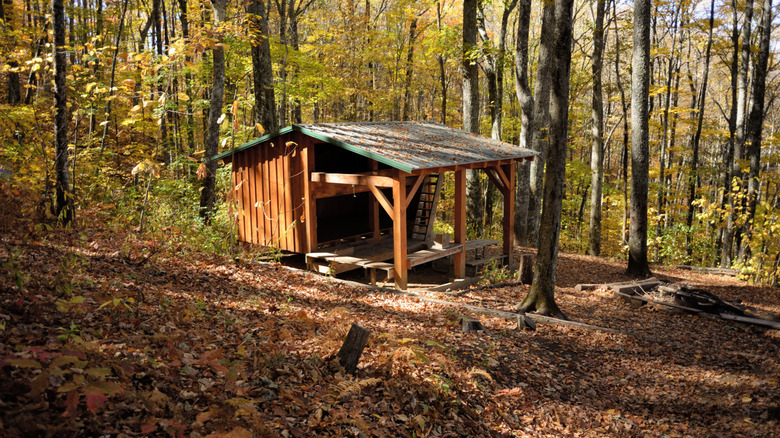
Thru-hikers get to know the shelter system well. Along the trail, there are more than 250 shelters that backpackers have access to as needed, and most don't require a reservation. The exception is in Great Smoky Mountains National Park, where a thru-hiker permit is required ($44.50, as of this writing) for those including the park as part of a longer trek. Or you need at least a basic backcountry permit ($8 per night per person, plus a $6 reservation fee) if you're camping overnight. Still, outside Great Smoky Mountains National Park and Baxter State Park, A.T. shelters are essentially first-come, first-served. If the shelter is full when you arrive, tent camping is also permitted and recommended, especially if you're traveling in a group.
Whether you're doing one or two overnights along a short section hike or you're in it for the long haul, the same rules apply. A writer for The Trek says, "Having spent a lot of time hiking on and writing about the AT, I can confirm that a surprising number of thru-hikers believe there is some official rule that grants them priority shelter access. PSA: there is not." Shelter etiquette is tricky as it is, as these small shared spaces accommodate people who all have their own gear and habits. Loud snorers are often advised to tent camp so they don't disturb everyone else in the shelter. Don't take up more space than you need, respect that people actually want to sleep, and cook and eat outside. Also, remember to leave notes in the logbooks.
Mind the dogs
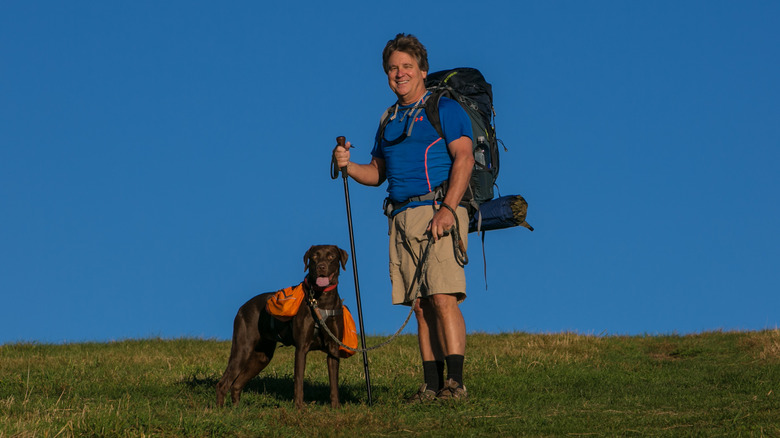
On the trail, as much as anywhere, some people love dogs and loathe them. Thru-hiking with a dog is widely discouraged, not only because the trek is strenuous for the dog, but because it's also twice as much to think about for the human: taking care of waste, getting enough calories, staying warm or cool enough, protecting their paws, and more. Then there are the sections of the trail where dogs aren't permitted, including a little more than 70 miles in Great Smoky Mountains National Park, 14 miles in Maine's Baxter State Park, and a short quarter-mile stretch outside Bear Mountain State Park Trailside Museum and Zoo in New York. That said, if you're doing a day hike or a briefer section hike outside these areas, having a well-trained dog along — and making sure they're leashed — can be a heartwarming experience on the A.T.
Don't assume dogs will be welcome in shelters, and you should plan to tent with your pup if other people are in a shelter. Always clean up after your dog. "If people want to hike with their dog they should pick up after their dog (and pack it out) and where it is required, dogs on a leash," shares a hiker in a Facebook post. Alternatively, you can head 200 feet off trail, well away from water sources and campsites, and dig a cat hole to bury the waste, as hikers are advised to do if you're not packing it out in a waste alleviation and gelling bag — more on that in a bit.
Be courteous and don't disrupt others' experience
It can be nice to have some tunes to listen to when you're "out there" on the trail for a long time. But at what point does it become a nuisance? For many hikers, the line is drawn when music or noise spills over to others' experiences, as with a Bluetooth speaker. "People should not blare music and should expect to be asked to turn it off, please," shares a hiker on Facebook. Headphones are an option, but for those who like to stay aware of their surroundings, such as listening for who or what may be approaching from behind, consider just enjoying the sounds of the forest. On a related note, don't assume others like to be filmed, especially if you're sharing social media posts about your hike. Avoid taking pictures or videos of others unless they say that it's okay to do so.
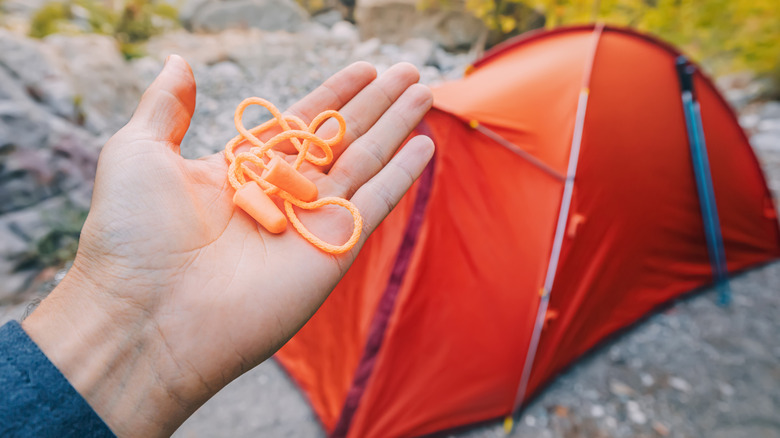
When it comes to things other people may do nearby that you find annoying or disruptive, try not to let them get to you. Focus on what you can do to ensure your best experience. Remember snoring in shelters? A thru-hiker and guide shares on 57hours, "If you're taking a trip to Snore City every single night, it might be best to keep away from shelters or at least give other hikers a heads up." If you're a light sleeper or you're concerned about others' snoring, pack good earplugs.
Hike your own hike
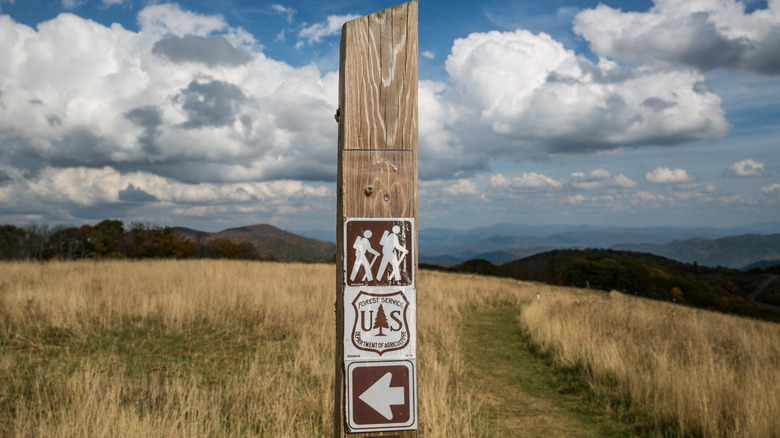
Dovetailing with courtesy and common sense, there's an adage that helps a lot of hikers center themselves and relax when faced with others' quirks or disruptions. "Hike your own hike" is as much a state of mind as a practice on the trail, and the long-distance thru-hike culture of the A.T. is where this really comes in. One Redditor clarifies that it can mean two related but distinct things: "1. Mind your own business; no good will come from you making fun of/judging/insulting others. [...] 2. Focusing on your own hike improves your own level of enjoyment." It can also imply that people can do whatever they want, regardless of the impact on others. "Hike your own hike until it starts to negatively affect the experience of other hikers," shares a commenter on Facebook.
Whether you're dealing with someone's loud music, dogs (or owners who can't control them), crowded areas, litter on the trail, or anything else you might encounter that's annoying or distracting, remember to stay in the present and focus on what you need to do to have the best time. Whenever you can, distance yourself from other people by hiking ahead or dropping back a little ways — maybe take in that view for a little longer to put some space between you. Skip a shelter if it looks full or people seem rowdier than usual. In all cases, trust your instincts and think about what you can do to focus on the positives.
Do a LASH if you don't want to take on the whole thing
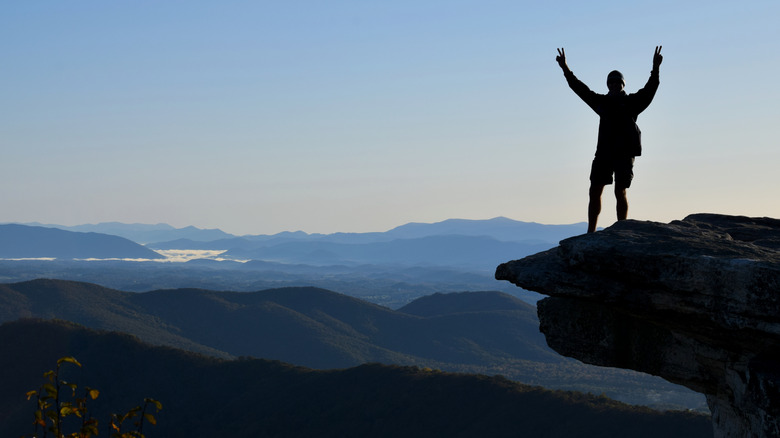
A "LASH" is hiker parlance for "long-ass section hike," which is typically pursued on long trails like the Pacific Crest Trail, which has parts hikers might need to skip. Rather than completing the entire trek during one continuous expedition, hikers take on large chunks, which may amount to a single hike or a way of sequentially adding them up to eventually have accomplished the trail's whole length. Doing a LASH is a good way to get your feet wet, so to speak, if you're thinking about doing bigger hikes in the future or have limited time.
If you still want to see people and socialize for a while, time your departure for when the year's big cluster of hikers will be heading through your chosen area. "If you coincide your LASH with the 'bubble', you shouldn't have any trouble finding folks you share a pace and interests with," shares a Redditor, who adds: "The problem hiking outside the bubble is fewer folks in general and a higher likelihood of running into day and section hikers." You can even check the projected status of the bubble on a heat map on WhereAreTheHikers.com. Don't worry about FOMO; keep your own preferences and availability at the front of your mind. Another Redditor adds that in terms of the upside and downside of doing a LASH instead of a thru-hike, "Con: Not completing the entire trail in one shot. Pro: Not having to complete the entire trail in one shot."
Practice good waste management
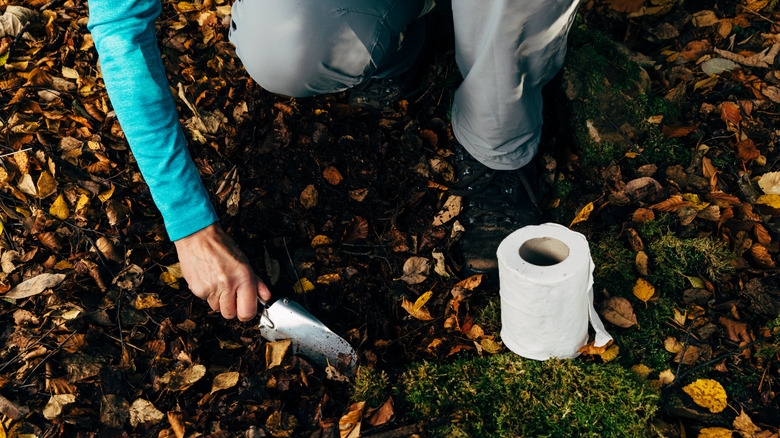
One thing that thru-hikers think about a lot is how to manage poop. It's simply in our nature, and when in nature, there's a right and wrong way to deal with it. We already mentioned it in terms of dogs on the trail, but the same goes for humans: always move at least 200 feet away from any trail, water source, or camp, and dig a cat hole with a small trowel to bury your waste. You can bury toilet paper, too, but don't put anything else in, such as wipes or menstrual products. Follow Leave No Trace principles and respect others' space. Bring some baby wipes if you're concerned about hygiene. "When I know my next shower is a week away and I'm hiking 20 miles a day, I can't place my trust in toilet paper to keep things clean down there," shares a Redditor who has wipes in their kit.
Some hikers use waste alleviation and gelling bags, such as those produced by Cleanwaste. These have a gelling compound inside that keeps odors to a minimum, but that also means they're a little heavy and require you to carry them out. They may be more useful on some stretches than others, depending on how frequently you think you'll have access to trash bins or what the landscape is like. Near some shelters, there are also privies, and the ATC highly recommends using them if they're available. Remember to bring your own toilet paper. Courtesy goes a long way in the shelters in this regard, too, as no one wants "people urinating from the shelter because they're too lazy to put on their shoes," adds a hiker on 57hours.
Don't view the trail as a series of checkboxes to tick off
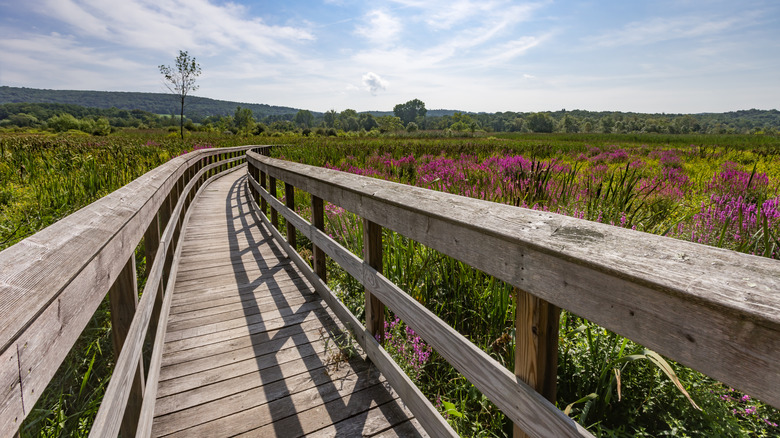
At nearly 2,200 miles long, the A.T. is full of memorable views. One of the most photographed spots is a renowned Virginia mountain, and then there's the expansive, 44,000-acre Harriman State Park in New York's Hudson Valley, cut through by the Appalachian Trail. Those are obviously scratching the surface of all there is to see. Hikers experience a lot of variation in the landscapes and climate between Georgia and Maine, and in planning for their trip, they ultimately hear all kinds of advice about where the most dramatic, tricky, or memorable spots are along the way. It can be tempting to view the whole endeavor like a checklist that needs to be completed.
Instead of focusing on every stop you think you need to reach so that the experience feels "complete," treat the entire adventure more holistically. When you consider it in terms of a whole process, that mentality may help you deal with rainy days or flagging energy. As the adage goes, it's about the journey, not the destination. "Just keep moving down the trail enjoy the people you meet, live in the moment," suggests a Redditor. "You will get wet and cold, but you'll also enjoy becoming warm and dry. Always be looking to reduce weight and obligations. You will have the time of your life."
Save up before you set out

Thru-hikers take about six months on average to complete the entire A.T., and with that come expenses. Even though you'll ostensibly have everything you need with you, you'll still need supplies along the way. Depending on your personal circumstances, you'll likely have to think about your regular expenses, too, such as your phone bill, insurance, rent or mortgage, car payment, and so on. You might also want to save extra for the month or so that comes after the hike, a Redditor shares, "So, whatever at least a month of normal expenses looks like for you, but ideally more so you've got time to find a job after without rushing it."
Regular "real world" expenses and an extra cushion should both be added to what you'll need for the trail itself: food while hiking and occasionally in town, toiletries, occasional motel stays, and anything else that may come up, such as replacement pairs of socks or a top-up of first-aid items. "Also, do be aware that some costs will surprise you. Like, paying for food box postage can eat up any savings you had on the actual food," shares a Redditor, referring to how hikers often send boxes of food ahead to specific resupply points.
Pack mostly needs, a few wants, and no fears
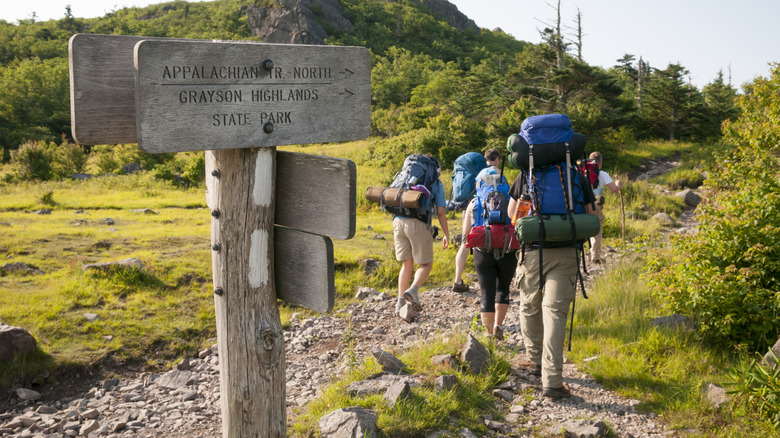
Among the biggest considerations for a thru-hike is how to carry everything you need on your back — for months. People splash out for the best backpacking tents and find all kinds of ways to keep things light. It can be hard to decide between truly essential items and those you strongly want, even if they make the experience clunkier. It's not just about the physical weight, though, as having to deal with stuff you don't need means ditching it, such as donating or throwing something away — which is also money lost — or sending it home, which means more money on postage.
A hiker on Reddit makes a good point about how to differentiate between the necessary, the desirable, and the things you only have because you're anxious you might need them. They say, "As you look at example kits, ask yourself is this a want, a need, or a fear. There is no room for fear. I take what I absolutely need and a couple of wants. Those wants allow me to put up with an awful lot." You may need to compromise on a want to make room for a need, but think carefully about what that balance means for you.
Let a trail name find you rather than the other way around
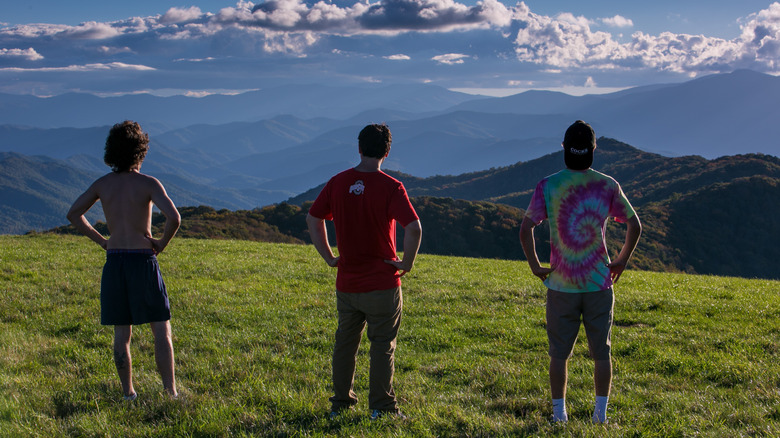
One of the most endearing aspects of thru-hiker culture is the tradition of trail names, nicknames that hikers get from other hikers. They can be inspired by anything: what you're wearing, a silly incident, a particular quirk, or anything else that others notice. Trail names are a useful way to keep track of the community hikers organically build as they travel, leaving notes in shelter logbooks along the way so they can track one another's progress. "Names are usually given to you by others, and are based off of something interesting – about your personality, your gear, your hiking style, a unique trait, a funny behavior or thing that happened to you," shares a Redditor.
As tempting as it might be to give yourself a nickname on the trail, resist the urge, at least for the first few weeks. Let one emerge naturally as you meet others and build rapport. Another hiker in the same Reddit thread shares, "If you don't have one in a month or two nobody is gonna rag on you for picking your own though." If one doesn't come to you naturally, or people suggest names that you really don't like, the don't-name-yourself rule can relax.
Prep is very important, but so is going with the flow
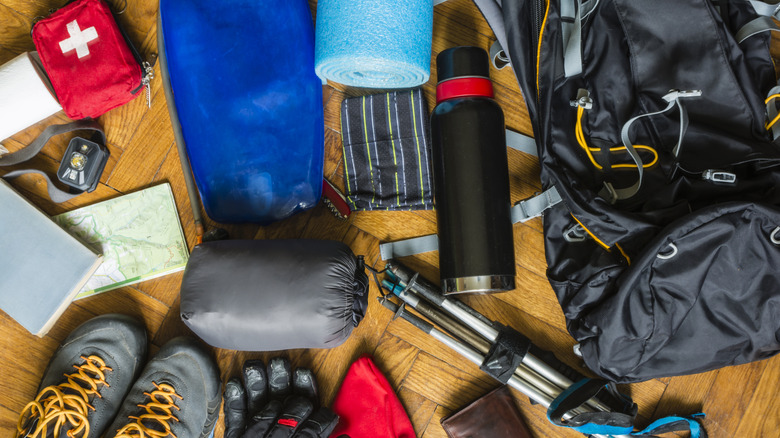
Preparation is essential for involved hikes. You need certain items to make it possible — and safe — and there will be plenty of times when you experience inclement weather, need to resupply, deal with illness or injury, and so on. But there's preparing for the trip, and then there's the reality of being there. No matter what, you'll realize you packed something you didn't need, or you need something you didn't pack — try not to stress.
In the vein of "hike your own hike," there is an art to going with the flow and rolling with whatever you encounter on the trail. Sometimes, little mishaps, wild weather, and ridiculous interactions can seem strange in the moment, but hikers often think of these story-worthy incidents as "Type II fun" — goofy incidents remembered fondly, even if they didn't seem fun at the time. Going with the flow also means relishing the fundamentals. One Redditor notes, "Honestly one of the biggest things imo is that it's not nearly as complicated as you might think. At the end of the day it really is mostly just a bunch of walking, and it's very easy to just figure it out on the fly."