
5 Winery Rules Tourists Break Within The First 10 Minutes
Even in newer wine regions, decades of tradition dictate how you should behave at a tasting room or winery. Knowing the rules will help you relax and enjoy the experience. There are lots of little habits you can adopt to subtly convey that you're an old hand at wine tasting. For example, it's not a hard rule, per se, but it's frowned upon to wear heavy scents to a winery, as nothing should compete with the fragrance of the grapes. And while having a designated driver isn't mandatory, it's still an excellent idea. Companies like Uber and Lyft do operate in places like Napa and Sonoma, but cell reception at vineyards can be spotty, and users on Facebook report relying on rideshare for winery hopping can be sketchy. If you don't have a teetotaler in your friend group, you can rent a chauffeured car for the day through DriveShare.
The following rules are more than just suggestions, however. They're key behaviors to avoid if you want to have a sophisticated wine-tasting experience and get the most out of it. Violating some of these will get you the side-eye at best and bounced from the premises at worst. There are wineries in all fifty states these days, so familiarity with wine-tasting's hard-and-fast do's and don'ts is bound to come in handy. Whether you find yourself on a rustic couples' anniversary bike ride through Oregon's Dundee Hills or a bridesmaids' limo ride through Napa Valley, keep these winery rules in mind.
Getting visibly drunk
A trip through picturesque wine country, whether in Tuscany, South Africa, or Oregon, isn't supposed to feel like a spring break rager in Daytona Beach. You should never view a wine tasting journey as an opportunity to tie one on. According to one tasting room employee commenting in the r/Wine Reddit forum, "It's pretty obvious to me when a group has come in to drink versus taste. I'm still going to give you good service, but if the group gets really loud or inappropriate, I will remind them it's a tasting room, not a bar..."
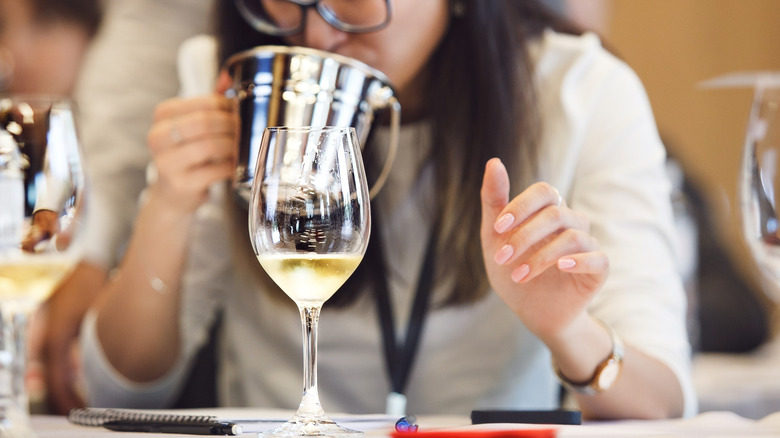
To keep from getting too tipsy, learn to use a spittoon. Wine professionals are in the habit of swishing wine around in their mouths to taste, then discreetly spitting it out into an individual silver spittoon or communal dump bucket. This serves a dual purpose, both preventing inebriation and preventing the cumulative alcohol from blunting their palate. Swirl and sip, thoughtfully and slowly, really tasting the wine. If you gulp your first taste down and look around immediately for a refill, you'll be marking yourself as a wine country newbie.
Fear of offending the winery staff by spitting out their precious product is also common among amateurs, but you shouldn't worry about that. It's never rude to spit out wine at a tasting, and it does not convey that you dislike the wine. Take a cue from the professionals, and avail yourself of spittoons and dump buckets when offered. "I love my wine but I really dislike being drunk," writes one Facebook user in the Napa Travel Planning user group. "I'd much rather save my tolerance for things I truly enjoy and be functional at the end."
Serving yourself
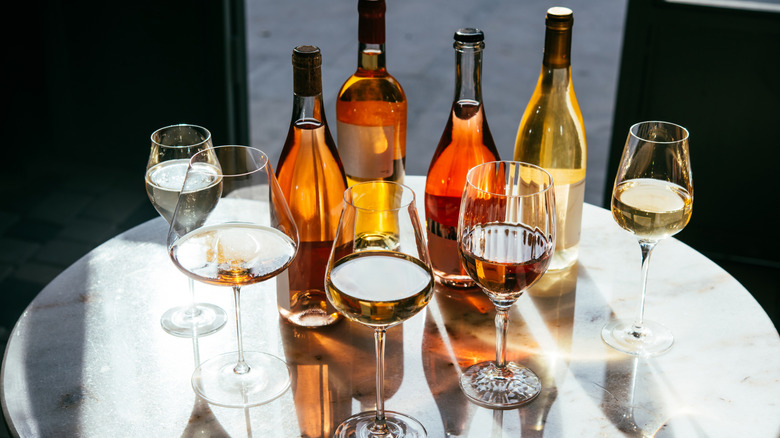
Often when you attend a tasting, all the bottles you'll be sampling are arranged in front of your party. It's fun to study the labels while you sip and track where you are in the tasting journey. But don't decide to help yourself in the middle of a tasting. Pouring is strictly the job of your tasting room host, who will do so while delivering as many drops of informative wisdom as wine. In California, the state with the most wineries in the nation, it's illegal to pour your own wine at a winery, as it is in many others.
One exception is the rise of self-serve wine bars, which use dispenser technology to allow visitors to sample tasting pours of multiple wines. At the Culinary Institute of America's COPIA Wine Bar in downtown Napa, you can purchase a prepaid tasting card in amounts of $25 or $50, then dispense your own pours, from a taste to a glass. It's a great introduction to trendy downtown Napa, with shops, eateries, and wine tasting rooms galore. Even better, it's all walkable, so no designated driver or car service is required.
Chowing down on the palate cleansers
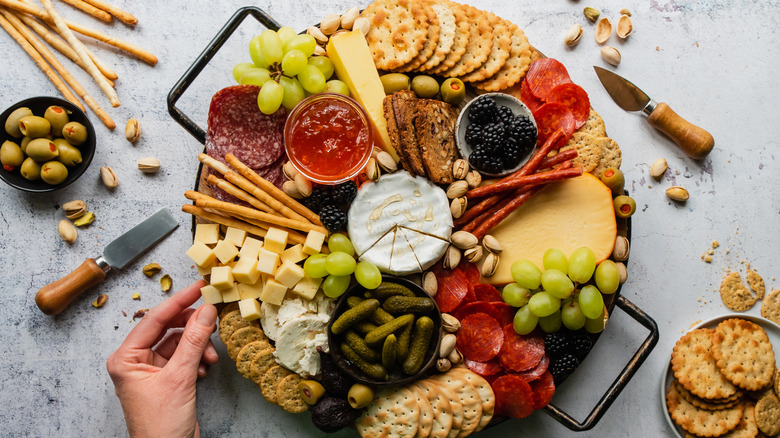
That bowl of petite crackers on the bar? That's not a free snack. Wine crackers, those tiny, nearly tasteless morsels you see in a bowl on the table, are for cleansing your palate between vintages, not for chowing down on by the handful like the Cookie Monster going to town on a box of Nila Wafers (all while complaining about how bland and tasteless they are). That is by design. If you're hungry, most wineries have tasting menus, food trucks, or allow picnic baskets (see the previous rule).
Palate cleansers have an important, functional job to do that has nothing to do with appeasing hunger, however. They can help prevent what Wine Spectator calls "palate fatigue," where your taste buds become desensitized to the wines' nuances. Plain, flat water works too, but other palate cleansers exist that are more entertaining than crackers or water. Other palate cleansers that get the job done include chocolate, cheese, apple, pear, pineapple, and plain white breads, such as a French baguette — all popular offerings on winery tasting menus. Some pros even claim that rare roast beef works wonders clearing your palate of the Pinot Noir and making way for the Tempranillo.
Handling your wine glass the wrong way
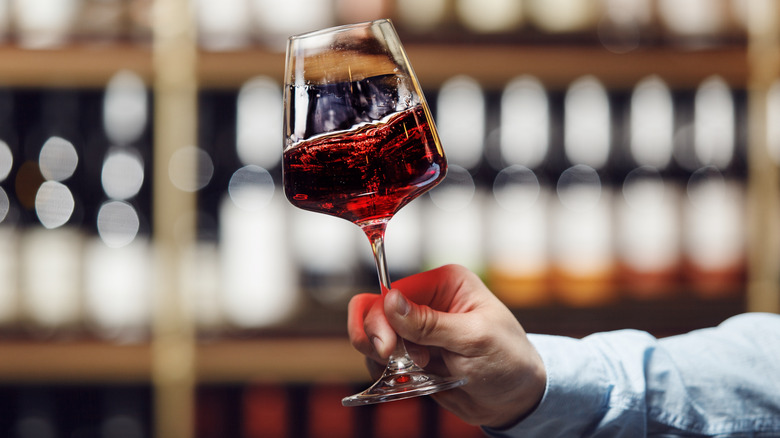
As a rule, you should always hold your wine glass by the stem, never the bowl. This is because the warmth of your hand alters the temperature of the wine, and thus its perceived quality, subtly muting your sensory experience. The rising popularity of stemless wine glasses may have confused you on this point, but this is the reason you'll seldom encounter this type of drinkware at wineries.
If it's your first time at a winery, you may feel silly or pretentious swirling your wine while holding the glass by the stem. If ostentatiously waving your glass in the air makes you feel cartoonishly pompous, set your glass on the table and move the base in a small, subtle arc, just enough to give the contents a swirl. You'll get the result you want, which is to release aromas into the bowl of the glass, without putting on a show or risking spillage. This works like a charm whether you're touring France's iconic wine regions or sampling tropical vintages in Florida.
There are also rational reasons why different wines are to be sipped from different styles of glasses. Unlike the selection of dinnerware, stemware selection has little to do with what looks best on a table setting. The qualities of the wine being served will dictate the optimal shape from which to sip. A bold pinot noir, for example, is best sampled from stemware with a large bowl, the better to capture big aromas and allow oxygen in to help the wine breathe. But if you're sampling a sauvignon blanc, you'll want a glass with a more narrow bowl that concentrates the delicate aromas. More casual tasting rooms may simply use a universal-style wine glass that is neither too wide nor too tall for all wines, especially when different tastes will be poured into the same glass.
Asking for free tastes
Once upon a time, wine tasting at a vineyard was an experience enjoyed only by a select few, and tastings were often delivered gratis. Today, most wineries are decidedly on the tourist trail, seeing a fair bit of foot traffic, and paid tastings are by far the norm these days — as are advance reservations. Complaining to the server because you remember the "good old days" when they poured their product for free isn't a good look.
Before you grumble, consider that paid tastings can actually make the process more comfortable and affordable for both the vintner and the tippler. You might find your day of winery-hopping actually results in free tastings, as many wineries will also waive the tasting fee entirely with a minimum purchase of a bottle or two.
There is one unusual circumstance under which you may still be expected to make a polite purchase. If you're an RV traveler, you might be familiar with Harvest Hosts, the network of over 900 wineries (in addition to farms and breweries), which let member travelers with self-contained RVs spend the night on their picturesque properties for free. Pennsylvania's oldest operational winery is one property on the roster, for example. These generous accommodations come with an understanding that you'll patronize the businesses with a purchase of some kind.