
10 Tips From Park Rangers For Enjoying Great Smoky Mountains National Park
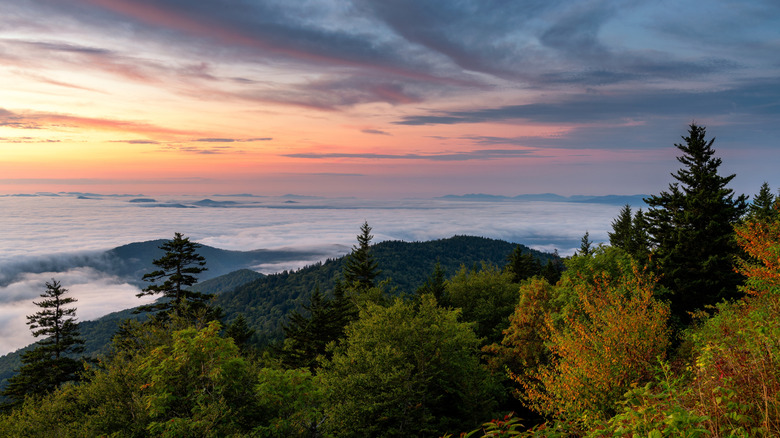
Great Smoky Mountains National Park is far from being one of America's little-known national parks. As a matter of fact, it is perennially the most visited destination in the country's National Park System, with 11.5 million people entering its gates in 2025. To put it in perspective, both Zion National Park in Utah and the iconic Yellowstone National Park had under 5 million visitors each in 2025.
The Great Smoky Mountains' footprint is massive, comprising 522,427 acres in Tennessee and North Carolina. Even if you go to this national park regularly, it's next to impossible to see it all — even the most experienced Smokies visitors can learn a thing or two from park rangers who know this land like the back of their hand, including all of the secret spots most tourists miss! Here, we'll look at 10 tips from park rangers for enjoying your Great Smoky Mountains National Park vacation to the fullest.
To compile this guide, we scoured the web for tips from park rangers on social media and in interviews, looking at Reddit, Facebook, National Geographic, and USA Today. Additionally, we pulled some facts and figures from official National Park Service webpages.
Cataloochee is best for seeing elk, and Cade's Cove for bear spotting
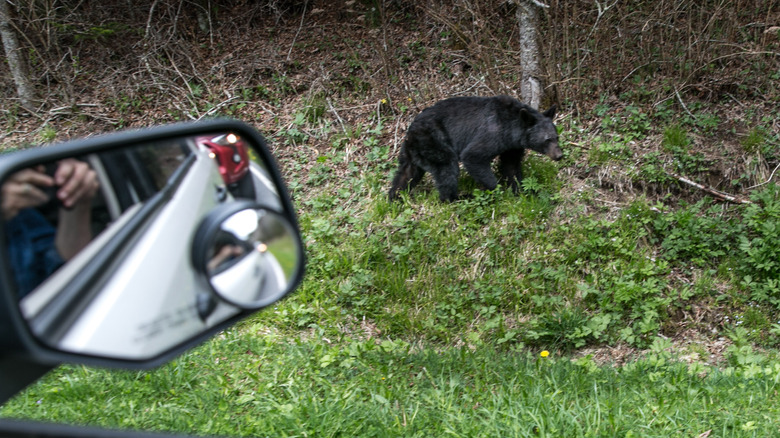
While there are a number of great wildlife watching destinations throughout Great Smoky Mountains National Park, some spots are better than others for catching glimpses of specific types of animals. Although more than 13,000 species can be found in this national park, some animals are more popular (and iconic) than others. For most people, black bears are synonymous with the Great Smoky Mountains, so bear spotting is an unsurprisingly popular activity. According to park employee Christine Hoyer in a piece for National Geographic titled "A Park Ranger's Guide to Great Smoky Mountains," Cades Cove is the top location for spying bears.
One of the major reasons that bears flock to Cades Cove is that it has lots of food that black bears love, including walnuts and berries. With the exception of summertime Wednesdays, you can drive your car slowly on Loop Road through Cades Cove, which makes for a pleasant sightseeing experience. To increase your odds of seeing bears in this popular area of the park, avoid arriving during the heat of the day. Starting your drive on the loop around 6 a.m. gives you a good chance of seeing bears on their way to breakfast! Likewise, checking out Cades Cove in the late afternoon or early evening when bears are searching for dinner can be effective.
Elk are another popular species in Great Smoky Mountains National Park. If you are hoping to take photos of this large deer, Hoyer says, "a drive out to the meadows in Cataloochee is your best bet." To give you an idea of the sheer size of this national park, Cades Cove, on the Tennessee side, and Cataloochee in North Carolina are over three hours apart. Thus, this isn't a trek you probably want to make in a day. However, it can be fun to spend a couple of days in various parts of the park during your trip to see different types of wildlife.
You don't have to hike to Kuwohi's observation tower for a great view
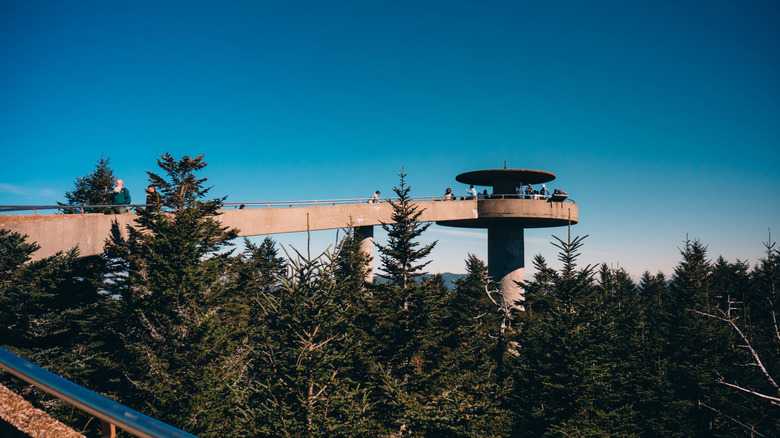
With an elevation of 6,643 feet, Kuwohi, which was previously known as Clingmans Dome, is the pinnacle of the Smoky Mountains and of the entire state of Tennessee. Over the years, the view from the peak's observation deck has become immensely famous, especially among national park enthusiasts. The trail to the top is one mile long round-trip, which may not sound very daunting but is very steep. As the Hiking in the Smoky Mountains blog noted, the pathway is paved but can still be "a little challenging to beginners, young kids, and older adults."
Fortunately, you don't have to reach the observation tower to discover why Kuwohi has become so popular. In National Geographic, Great Smoky Mountains National Park staffer Christine Hoyer let visitors know that you "can enjoy the view from the parking lot," too. Park guests have proven this with beautiful photographs they've posted online. On Facebook, one Smoky Mountains visitor shared a stunning sunset shot from the Kuwohi parking area, writing, "No hiking required. Dont even need to get out of your car."
If you're determined to do some hiking and don't think you can make it to the Kuwohi summit, other hikes are available. One great option is the Look Rock Tower trail, which still offers stunning views of the forests and mountains below but with inclines that are easier for beginning hikers or kids to handle. This path is also a bit shorter, at a bit over three-quarters of a mile round-trip.
At the synchronous fireflies, your flashlight should be red, then OFF

Among the coolest experiences in Great Smoky Mountains National Park is the synchronous fireflies show. At this annual event in Elkmont, thousands of rare lightning bugs coordinate their blinking to create a natural light show that is beyond breathtaking. Simply getting access to the experience, which lasts about two weeks each year with viewing opportunities during the peak evenings, is a challenge. There's a lottery system that typically opens about a month before the event, which occurs in late May.
If you're lucky enough to win a viewing spot, you might think your work is done. In reality, though, your preparations are just beginning! While you don't need to bring much to watch the firefly show, lawn chairs to sit outside and something to light your way in the dark are key. Park entomologist Becky Nichols, who has been studying the Smokies' fireflies since the late 1990s, told National Geographic that artificial light, like that from flashlights and cell phones, can confuse the insects.
Red light, however, is less disruptive to the lightning bugs' synchronized mating ritual. Nichols said they "don't respond as much to red light." Visitors are encouraged to either use a park-provided red flashlight or cover their own flashlights with red cellophane. It is important to note that you should turn your filtered flashlight completely off once you are settled in your viewing location. The less light pollution, the better, for both viewers and the fireflies!
Lock your car and cabin at all times — black bears can open doors!
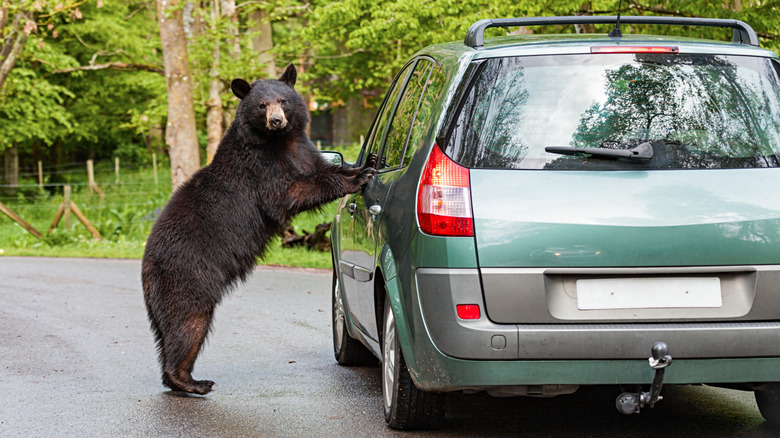
Most people know that it's a good idea to lock their cars when they are traveling, and even at home, to prevent theft. In the Great Smoky Mountains, though, it's not just people you have to worry about breaking into your vehicle. Black bears can actually open both car and cabin doors with very little issue, especially if they smell food inside! On Facebook, Great Smoky Mountains National Park rangers quipped, "thankfully, they still haven't figured out how to use your key fob...yet." The joke, however, was accompanied by very real advice.
Rangers suggest not only locking vehicles, but also rolling up all windows and closing sunroofs. In addition to protecting your personal property, this is beneficial for the bears, too. Bears that become "food-conditioned," or used to eating human sustenance, tend to get themselves into bad situations, like getting hit by motor vehicles, through no real fault of their own. They simply don't understand the danger they're putting themselves in by going after human food. Furthermore, food-conditioned wild animals are often more likely to attack people unprovoked.
It's worth noting that the idea of black bears opening doors is far from hypothetical. In 2025, tourists in Gatlinburg returned to their SUV, only to find that a bear had gotten itself locked inside. When all else failed, they broke their own rear window to give the animal a way out and made themselves scarce until the bear left the premises. In another situation shared on social media by ABC 6 in July 2026, a family vacationing in the Smokies was shocked to look outside their cabin to find a bear rummaging through their SUV as well. While no one was hurt in either of these cases, the outcomes could have been less positive, so locking your doors is crucial.
Learn to appreciate bear jams
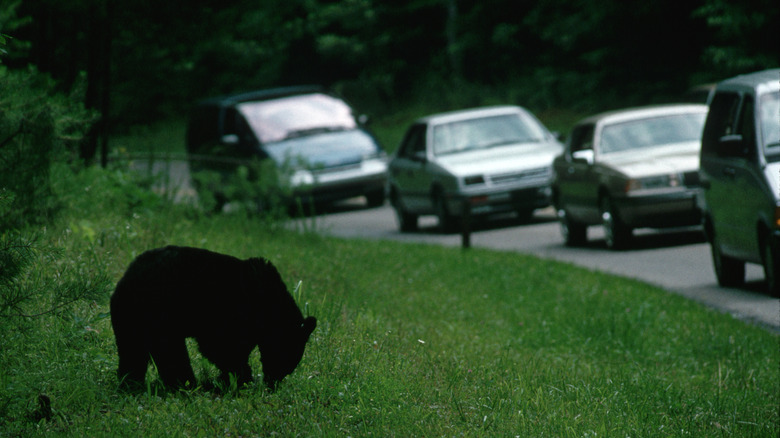
Anyone who has been to the Smokies more than a time or two has probably experienced a "bear jam." This funny term has nothing to do with condiments (though it does sound like something Winnie the Pooh or Yogi Bear would eat!) but refers to traffic backups that happen when a driver spots a black bear and all of the cars behind them also begin slowing down or stopping to look. Bear jams happen most frequently in areas like Cades Cove that have a lot of wildlife activity. However, they can occur anywhere, since bears don't exactly keep to a well-marked path.
If you unexpectedly find yourself dealing with a bear jam, try not to get frustrated. Park rangers actually encourage people to safely enjoy the experience rather than get annoyed at their plans being, quite literally, brought to a halt. Guests agree, with one person on Facebook who shared a gorgeous video of bears in Cades Cove writing, "Who cares about being stuck in a bear jam when you have this view?" People travel from around the nation, and even around the globe, to see just one black bear in Great Smoky Mountains National Park, so it's important to remember what a sought-after experience a bear jam actually is!
However, bear in mind that this doesn't mean you should cause a bear jam just to get a better look at a bear. In November 2025, Great Smoky Mountains rangers dealt with a situation in which a young bear had to be tranquilized and forcibly moved after tourists caused a bear jam that inadvertently trapped the animal. Rangers encouraged people to travel at the posted speed limit at all times to fully enjoy the park and keep wildlife safe.
Use the Smokies' congestion forecast just like a ranger does
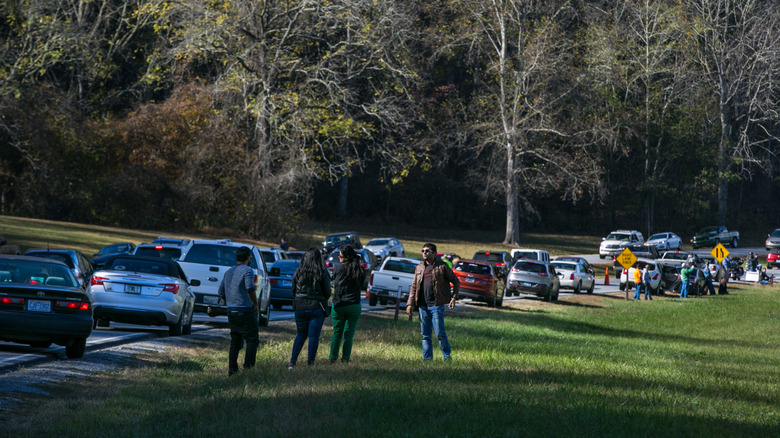
Pigeon Forge and Gatlinburg are great, affordable family vacation destinations in the heart of the Smoky Mountains. Before you head off on your next family-friendly adventure, though, it's a good idea to check several forecast calendars, and we're not just talking about the weather! While it is important to know what the weather is supposed to do during your trip, especially during the winter months, the Smokies' congestion forecast can also be incredibly useful. In fact, the park specifically recommends it for visitors who want to "#PlanLikeARanger."
The congestion forecast predicts how bad parking and traffic conditions will be on any given day based on historical data. Green circles correspond to days when roads are expected to be mostly clear, and parking should be readily available. Yellow triangles predict traffic congestion and some difficulty parking, especially at popular destinations. Finally, red diamonds indicate that traffic will be very heavy throughout Great Smoky Mountains National Park, with parking largely unavailable. Planning like a ranger means that you should have a Plan B, or even a Plan C, if your original destination is too crowded on the day you planned to go.
If your travel dates are flexible, you can use the congestion forecast to choose dates that are expected to be less busy. While this calendar isn't foolproof, it's helpful in creating a Great Smoky Mountains National Park itinerary that you can really enjoy to the fullest. Crowds can make it tough to have a good time, so this resource is incredibly useful.
Leave your pets at home (most of the time)
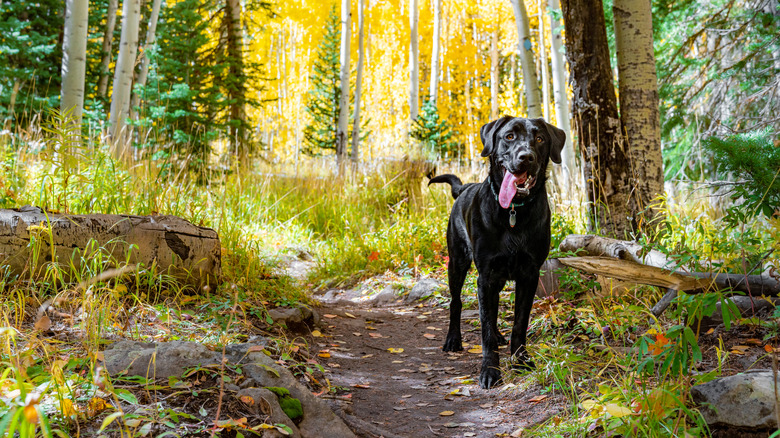
Maybe you've already picked out the best travel crate to keep your pet comfy, and you're all set for a fun outdoor vacation with your furry friend. If your destination is Great Smoky Mountains National Park, though, you might want to think again. A national park might seem like the perfect place to bring your dog, with miles of trails and plenty of space for animals to run and play. In reality, though, the Smokies are extremely restrictive about pets in many areas of the park.
Pets are welcome in campground areas, along roadways, and at picnic grounds, as long as they're on a leash at all times. However, if you're planning to go on a hike, there are only two dog-friendly trails in Great Smoky Mountains National Park: the Gatlinburg Trail on the Tennessee side of the park and the Oconaluftee River Trail in North Carolina. Park rangers take this rule seriously. In a Reddit conversation, one person said that "rangers were quick to tell people that no dogs were allowed."
Before you're tempted to try to break the rules, it's important to educate yourself about why these regulations exist in the first place. Dogs can accidentally disrupt native ecosystems by damaging flora and fauna, as well as spreading illnesses. In a Reddit discussion, rangers note that there are biological concerns about "the odor of the dog disrupting the ecology" at parks like the Smokies and Zion National Park. Furthermore, potentially dangerous animals like bears may become more aggressive when they come into contact with dogs, which puts both pets and owners at risk. Service dogs may be subject to some leniency, but it's important to go through the proper channels prior to traveling.
Take advantage of ranger-led programs
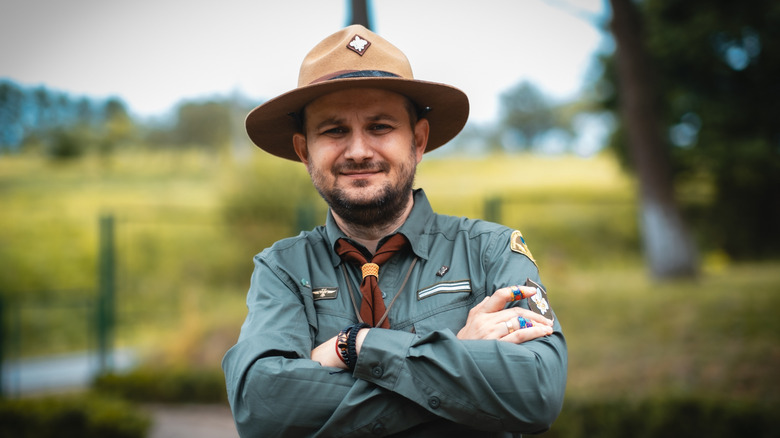
While it's absolutely possible to explore Great Smoky Mountains National Park on your own, registering for a ranger-led program or two can add another layer of depth to your trip. Depending on what time of year you visit, rangers lead hikes, lectures, demonstrations, and other experiences that explore a variety of subjects, from the fascinating natural world on Kuwohi to a look at historic life in the region to a lecture all about black bears.
In an interview with Smokies Life, Seasonal Interpretive Ranger Cody Boettner explained why people should take advantage of ranger-led programs during their Great Smoky Mountains National Park vacations. Boettner explained that "it brings about a learning opportunity for visitors to better connect with the place." He also jokingly said that this "maybe even humanizes [rangers] a little bit—we're not somebody that is behind the desk"!
People get the opportunity to interact with park rangers in a new way, getting to know them as fellow nature enthusiasts. Some specialty programs are available, including ranger-guided field trips for educators in both North Carolina and Tennessee. For families, the Junior Ranger program is another fun option. Kids can complete various activities around the park, then redeem their proof of completion for official Junior Ranger certification.
Do not rely solely on your phone flashlight
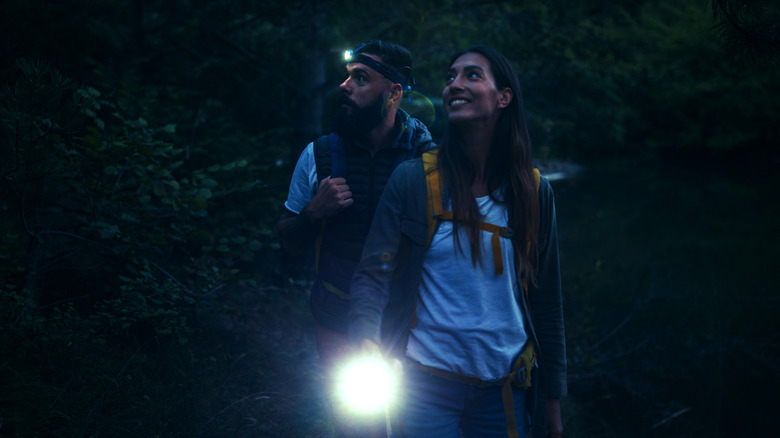
As smartphones have evolved, they've managed to replace a lot of one-time travel necessities, including your camera and your GPS. However, Great Smoky Mountains National Park rangers strongly assert that phones are not replacements for conventional flashlights or lanterns. On Facebook, rangers posted an image that specifically says, "Your cell phone is not ... a light source" or "a survival kit." One person in the comments seconded the rangers' warning, noting that a phone light is "not the greatest." You'll definitely want a backup.
There is good reason for rangers urging people to be cautious. A hike that you planned to end well before dark could end up taking longer than expected due to an injury, a wrong turn, or even just stopping to smell the roses, literally or figuratively. Although missing persons cases are not common in the Smokies, rangers do typically engage in more than 100 search and rescue missions annually, so incidents can happen, no matter how experienced or well-prepared you are. One of those rare missing persons situations took place in August 2026, though the man in question was found alive about a week after his disappearance in the park.
In addition to not being your only light source, your phone shouldn't be your sole means of communication in Great Smoky Mountains National Park. Cell phone coverage is dicey at best, with one Facebook user noting there is "No cell service almost anywhere in the Park" and another indicating they also "had trouble with Starlink because of tree cover at the campground." It is always smart to let friends and family know exactly where you're headed if you plan to hike in any national park, but especially one with numerous known dead zones.
Take time to appreciate the history here

Although the beautiful scenery and wildlife viewing opportunities get most of the attention in Great Smoky Mountains National Park, Ranger Brad Free is a huge proponent of visitors also discovering the human history of the region. In an interview with USA Today, Free said that members of the Cherokee tribe have lived in the area for "thousands of years," going on to point out that some of the earliest European pioneers "that came through here learned so much about how to survive in these mountains" by connecting with Indigenous tribes who taught them their ways.
People have indeed resided on this land since prehistory, with Europeans settlers first staking their claim here in the 18th century. Many Cherokee were tragically displaced or lost in the infamous Trail of Tears; today, approximately 15,000 members of the Cherokee Nation reside just outside of Great Smoky Mountain National Park in Cherokee, North Carolina. Everyone who comes to the park can enhance their experience by learning about all of the people who have shaped the culture of this unique part of Appalachia at the Great Smoky Mountains Heritage Center in Townsend, Tennessee.
Located about 25 miles from Gatlinburg, the Heritage Center offers a wide range of programming. In addition to its permanent collection of prehistoric to modern artifacts, guests can partake in experiences ranging from a recreated Appalachian village to music lessons to bus tours where you can take wildlife photos. Townsend is very near the Cades Cove area of the Smoky Mountains, with Ranger Free noting that the entrance closest to the Heritage Center "really only takes you into our Cades Cove area of the park, which is probably one of the busiest places."