
Forget Florida, Retire To This Coastal Virginia Escape With Affordable Living, Charming Towns, And Outdoor Fun
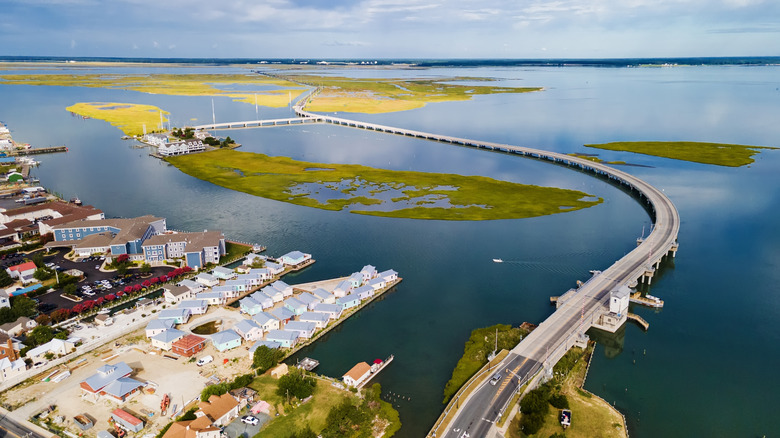
You don't need to go as far south as Florida to find a beachside retirement destination. Places across the Mid-Atlantic region offer a similar mix of coastal charm and affordability — and one of the best for retirees is Virginia's Accomack County. Located on the Delmarva Peninsula, Accomack is one of two counties that comprise Virginia's Eastern Shore, an area touted as having the East Coast's most extensive remaining wild coastline. This gives residents access to a wealth of outdoor adventures, while the historic communities dotting the county have a quiet, small-town atmosphere ideal for stepping away from the urban bustle.
From a practical standpoint, Accomack County checks a lot of boxes for retirees. Housing is particularly affordable, with average home values about 40% lower than the national average (based on figures from Niche). For overall expenses, WatchPennies ranks it among the Virginia counties with the lowest costs of living. The climate is another point in its favor. Summers are warm and sunny, with average highs in the 70s or 80s from May through September. While the county does experience all four seasons, it doesn't get as much snow in the winter as areas farther north, and average lows stay above 30 degrees Fahrenheit even through the colder months of December and January.
If you do retire to Accomack County, you won't be alone. Almost 30% of the county's roughly 34,000 residents are 65 or older. Senior centers in Onancock and Chincoteague offer programs and field trips where you can meet fellow retirees, while all-ages community spaces like the Davis Center in Parksley and the Island Community House in Chincoteague offer more places to connect with your new neighbors. Add in the county's historic attractions and outdoor spaces, and it makes this East Coast peninsula an enjoyable place to retire.
Towns of Accomack County

Accomack County's largest town, the uncrowded island beach town of Chincoteague, is still small by most standards, as it's home to a population of 3,300 people. It was first settled in the 17th century, with an indigenous history stretching back even further. You can explore this history at the Museum of Chincoteague Island, or by visiting spots like the 1867 Assateague Lighthouse or the Captain Timothy Hill House (the oldest house on the island). The town's many festivals and community events give residents activities to enjoy all year, whether you want to savor seafood at the annual Oyster Festival in October or watch Assateague Island's wild ponies swim during the yearly Pony Penning and Carnival in July.
About 30 miles south of Chincoteague is the county's second-largest town, Onancock, an artsy haven with beautiful Victorian-era buildings. It was founded in 1680, and the buildings in its Historic District span about 200 years of history. This past is preserved at Ker Place, a one-time merchant's house that now functions as a museum and gallery. For early 20th-century history, you can tour the Samuel D. Outlaw Blacksmith Shop or visit the Historic Onancock School, a former school that's now a community and arts space.
There are 12 other small towns across Accomack County, each with its own landmarks and community to explore. While this area has few residents, it does see a lot of visitors, which gives the county a more active events calendar than you'd expect given its population. One note — you will want a car to fully enjoy the region. While towns like Onancock and Chincoteague are pedestrian-friendly, the local STAR Transit bus system only runs Monday through Friday and has limited hours, which can make it difficult to get between towns if you're living car-free.
Accomack County's outdoor recreation
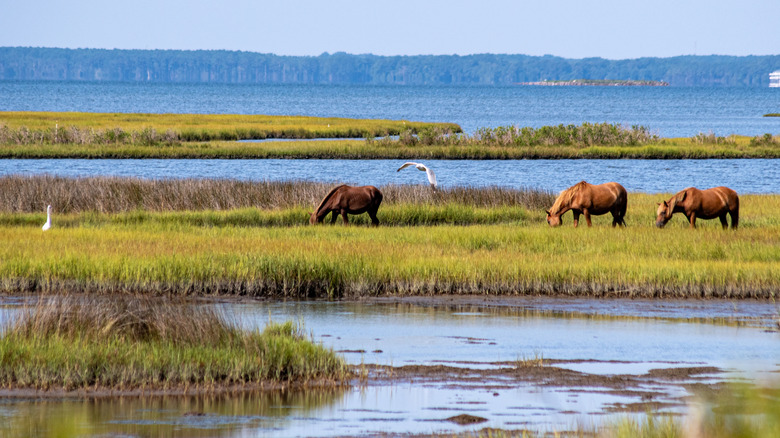
If you like beaches and boating, you can enjoy both along Accomack County's 80 miles of coastline. Chincoteague's Curtis Merritt Harbor has leasable and transient slips along with boat launches and charters. For unspoiled ocean beaches, the Chincoteague National Wildlife Refuge is connected by a causeway to the town of Chincoteague and has extensive dunes and shoreline where you can fish or enjoy nature. Another popular spot is the nearby Assateague Island National Seashore, an undeveloped 37-mile barrier island ideal for activities like fishing, crabbing, and kayaking. It also has a sandy beach if you're looking to get in the water for a swim.
Want an outdoor adventure that feels even more secluded? Head out to Tangier Island, a rustic fishing village that's America's soft crab capital. Kayaking the water trails is a popular way to view local wildlife, and there is also a free public beach. However, note that Tangier Island is truly remote — it can only be reached by boat or plane. A ferry typically runs to the island from Onancock in the summer, though this service is suspended at the time of writing. If the ferry isn't running, you can take a passenger boat from Crisfield, Maryland, or take your own private vessel to the island.
You can enjoy nature on dry land in Accomack County, too. The Island Nature Trail in Chincoteague is a 1.4-mile partially paved loop through undeveloped areas of the island that's popular with birdwatchers and nature-lovers. Chincoteague National Wildlife Refuge also has 15 miles of hiking trails where you can watch the ponies grazing or spot some of the refuge's 275 bird species. Alternatively, Assateague Island has areas for camping, hiking, biking, and horseback riding. If you plan on camping here, you'll need to plan ahead — the National Park Service says weekends fill up fast, so mark your calendar and lock in a reservation as soon as they open.