
Between Chicago And Milwaukee Is A Scenic Forest Preserve With Wildlife, Trails, And Wetlands
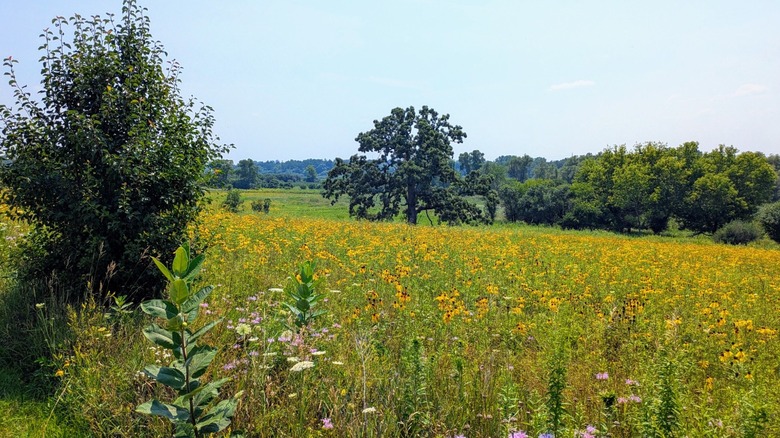
It's hard to imagine Illinois without picturing the expansive waters of Lake Michigan. However, the Prairie State is home to over 91,400 ponds and lakes, from the packed boater's paradise of the Chain O'Lakes to small ponds replenished by snowmelt. One charmingly local lake is hidden within Sun Lake Forest Preserve, a 629-acre park home to oak forests, recovering wetlands, and over 100 acres of replanted prairie.
Situated just outside Antioch, the preserve takes its name from Sun Lake. While many of Illinois' bodies of water are artificial, this 25-acre lake is naturally occurring, formed by glaciers between 10,000 and 12,000 years ago. In order to preserve the lake's fragile banks, there are no trails around the lake, and you certainly can't launch a boat. However, visitors can see the glassy waters from afar, across acres of wetland plants. Once drained to make room for farmland, the preserve is now a destination in Lake County for birding, wildlife observation, and nature walks — just not directly by the water.
Sun Lake Forest Preserve can be found near the Wisconsin-Illinois border in an area positively dripping with lakes and water of all kinds. With Chicago an hour to the south and Milwaukee an hour to the north, it's an ideal nature escape for urban dwellers who want to experience a taste of Lake County's over 30,000 acres of protected forest lands. The preserve is open every day from 6:30 a.m. to sunset, and has its own bathrooms and parking.
Explore the trails at Sun Lake Forest Preserve
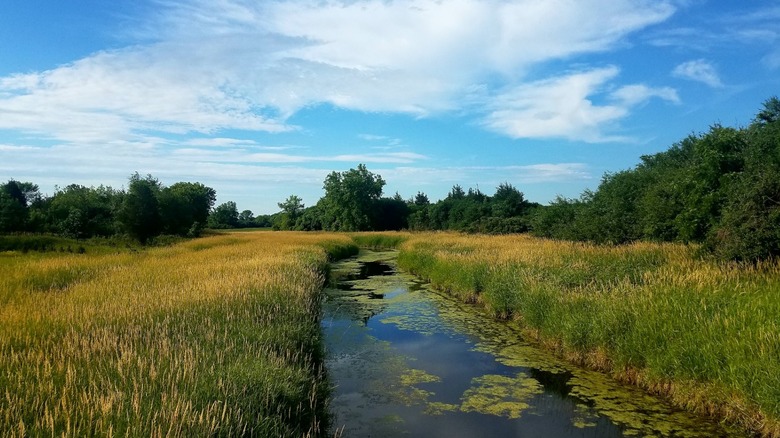
The preserve features 3.25 miles of trails that form a main loop with several offshoots. While the main trailhead can be found at the parking lot next to Grass Lake Road, the offshoots lead to other access points, including one that heads to Longwood Centre Park. This green space is home to Lehmann Mansion, an impeccably restored historic home from 1912. The mansion is primarily a wedding venue, but it's worth a mid-walk detour to see the architecture from the outside.
If you don't follow any of the offshoots, the main loop measures about 2.5 miles and takes less than an hour to finish. Featuring mostly flat terrain, it meanders through open prairie and along wetlands hugging Sequoit Creek. During the spring and summer, prairie flowers bloom, while winter brings snowy conditions for cross-country skiing and temperatures below 20 degrees Fahrenheit. Earning a 4.6-star rating on AllTrails, hikers generally consider the path easy, but say there's little shade.
Like Pine Dunes Forest Preserve's wetland trails and scenic overlooks, Sun Lake is open to dog walkers as long as their pups stay leashed. "It's a nice trail for the dogs and has enough high ground to keep the bugs at bay. It also feels safe for women as there are many entrances and exits," shared a local visitor on Facebook.
Birdwatching and wildlife spotting at Sun Lake Forest Preserve
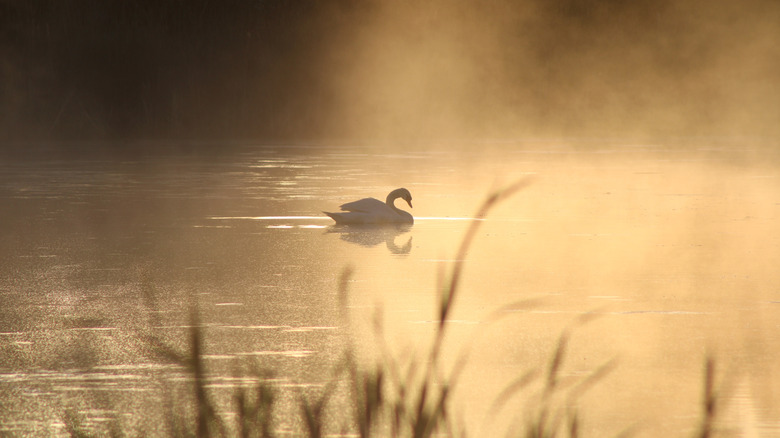
Lake County is home to almost 400 species of birds, many of which take up residence or migrate through Sun Lake Forest Preserve. The best times for birdwatching are in the spring (March to mid-May) and in summer or fall (July to November), when birds of all types migrate north through Illinois via the Mississippi Flyway. This migration route is one of the largest in North America and acts like a highway for birds between the Gulf of Mexico (renamed the Gulf of America in 2025 by U.S. President Donald Trump) and central Canada.
Birders might spot sandhill cranes flying overhead, but if you want to see over 1 million sandhill cranes, visit Nebraska's Platte River Valley, one of the best birdwatching destinations in America. Common sightings at Sun Lake include waterfowl like mallard ducks and waders like green herons. In addition, field sparrows and other songbirds also make themselves known.
Besides birds, Sun Lake's habitats provide homes for deer and wetland creatures like frogs and reptiles. As you walk through the wetlands, you'll notice an abundance of native plants thanks to staff and volunteers who have removed invasive species. Keep an eye out for milkweed, which attracts monarch butterflies, bees, and other pollinators. Have a little extra time? Extend your stay in Lake County and explore the car-free trails, lakes, and breweries.